Written by Dr. Kim Narae
For people undergoing chemotherapy, hair loss is much more than a change in appearance; it is a heavy emotional burden. Even stage 1 breast cancer may call for chemotherapy depending on the type of cancer, and for ovarian cancer, preventive chemotherapy to reduce recurrence is often needed from the early stage. Based on recent research, we have summarized why hair loss occurs after chemotherapy, how it recovers, and whether it can remain permanent.
Why Does Hair Fall Out?
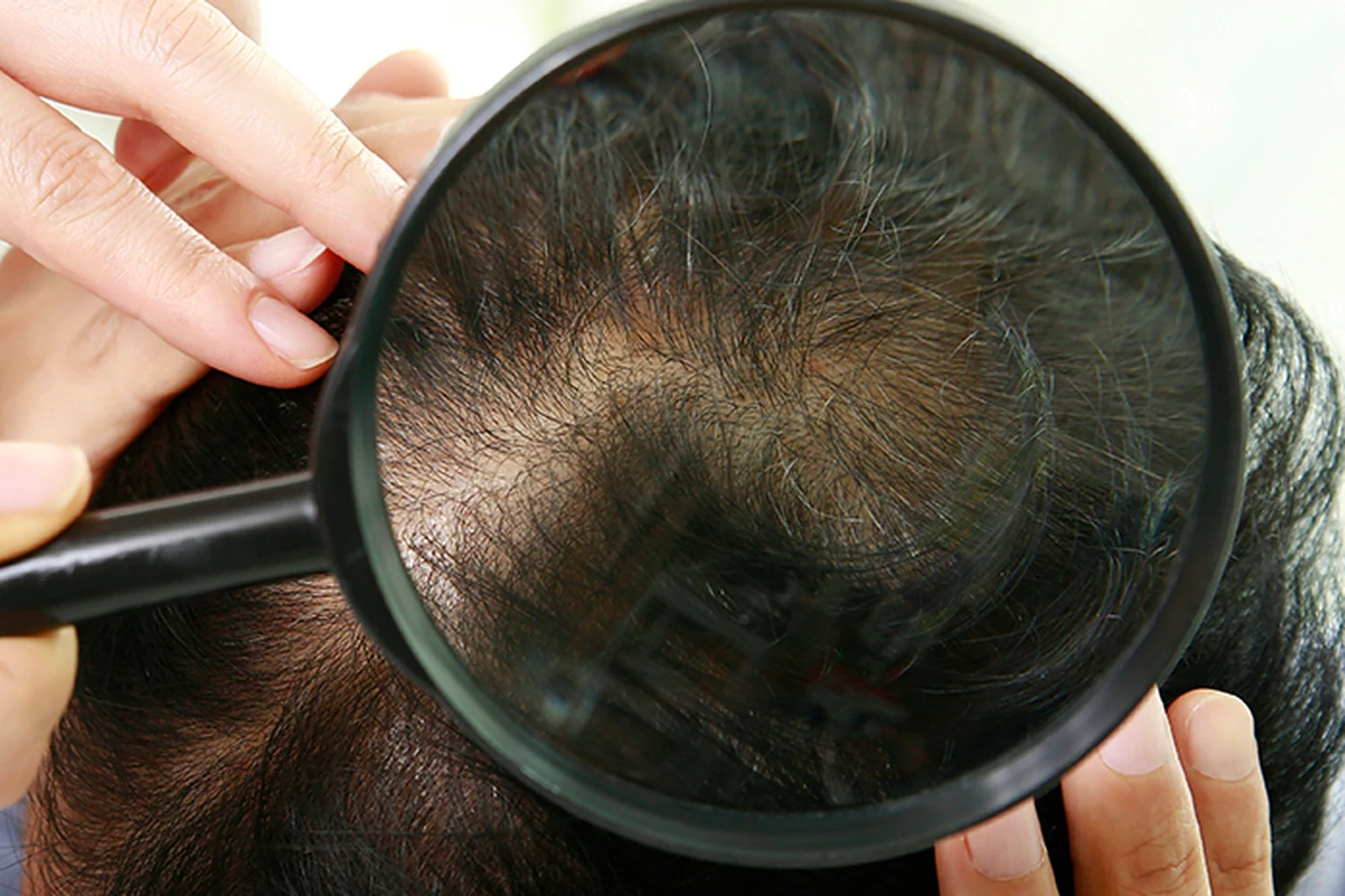
Anticancer drugs are designed to attack rapidly dividing cells, such as cancer cells. Unfortunately, the follicle cells that make hair are also among the fastest-dividing cells in the body. So when you receive anticancer drugs, the growth phase of the hair suddenly stops, hair starts falling out within 1 to 3 weeks, and noticeable hair loss appears within 1 to 2 months.
Most Hair Grows Back
Fortunately, for most people, hair gradually recovers starting about 3 to 6 months after treatment ends. However, in hormone receptor–positive breast cancer, when anti-hormone therapy that blocks estrogen continues, androgens relatively predominate and hair recovery is often slower than expected. Drugs such as tamoxifen must be taken for as little as 5 years and as long as 10 years, so it is important to keep up hair care steadily.
Checking whether you are deficient in iron, and eating enough vitamin D, zinc, and protein, which are the building blocks of hair, can help.
When Hair Does Not Recover for a Long Time
When hair does not sufficiently recover even 6 to 12 months after treatment ends, it is called permanent chemotherapy-induced alopecia (PCIA). It occurs when the follicle stem cells responsible for hair regeneration are damaged in an irreversible way. Taxane-class drugs such as docetaxel, which are often used in breast cancer treatment, are relatively likely to directly damage stem cells and are considered a risk factor, and high-dose alkylating agents also tend to carry a high risk. Whether multiple drugs are used together, individual genetic sensitivity, underlying conditions, and nutritional status also affect the speed of recovery.
Before starting treatment, discussing with your medical team which drugs are included in your treatment plan can help you anticipate the course and ease vague anxiety. If needed, there is also a method of using a scalp-cooling device during chemotherapy to reduce the amount of drug reaching the follicles and protect the hair roots.
The change in your hair after chemotherapy must be very distressing. Several scalp injection treatments, including medications and PRP, can be considered, so we hope you consult with an expert and get back to your daily life. We always cheer for your recovery of body and mind.
References: Palamaras H et al., Permanent chemotherapy-induced alopecia: A review, J Am Acad Dermatol 2021 · Freites-Martinez A et al., Hair disorders in cancer survivors, J Am Acad Dermatol 2019 · Kluger N et al., Permanent scalp alopecia related to breast cancer chemotherapy by taxanes, Ann Oncol 2012
This article is a version, reorganized for this website, of an article our doctor wrote for the “Hair Loss Expert Column” on the hair loss community Daedamo. View original