BANAL / Hairline Design

Hairline DesignRather than drawing a line,
we hide the line.

Tie the hair back, tuck it behind the ears, let the wind reveal the hairline—hairline design is not made only to look good in photos.

Things we want to share fully in the clinic
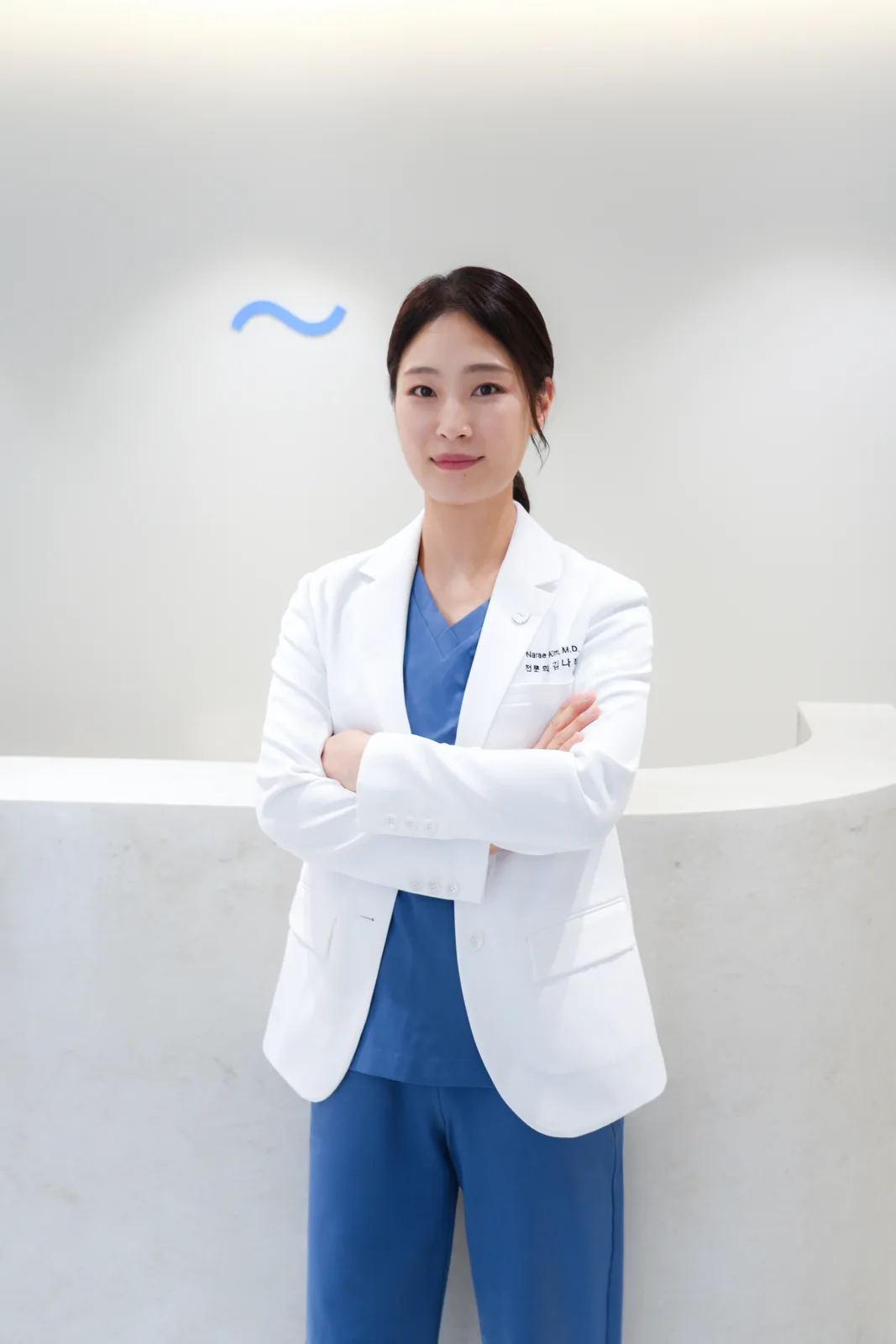
BANAL brand photograph

Why we practice this way

Our thoughts when approaching this care

When designing a hairline we first draw a line. But after surgery what remains on the forehead is not a neatly drawn line. The fine hairs in front, density behind, slightly different angles and directions, and small irregularities at the border must harmonize. Each time a follicle is implanted there is a choice that starts again, repeated thousands of times.

The proportions that look ideal to a doctor and the look a patient wants may differ. That is why we listen to why a patient wants a certain shape more than what shape they want. The places they used to hide in photos, the way they always swept their hair in one direction, the style they once wanted to try—all of these stories change what matters even on the same face.

Hearing what someone wants does not mean we simply operate to match it exactly. Lowering the hairline too much can separate it from existing baby hairs, and there are limits to expressing delicate borders with thick hairs. After understanding both what can improve and what is difficult, we look together for the balance between the current desired look and an appearance that will be acceptable long term.

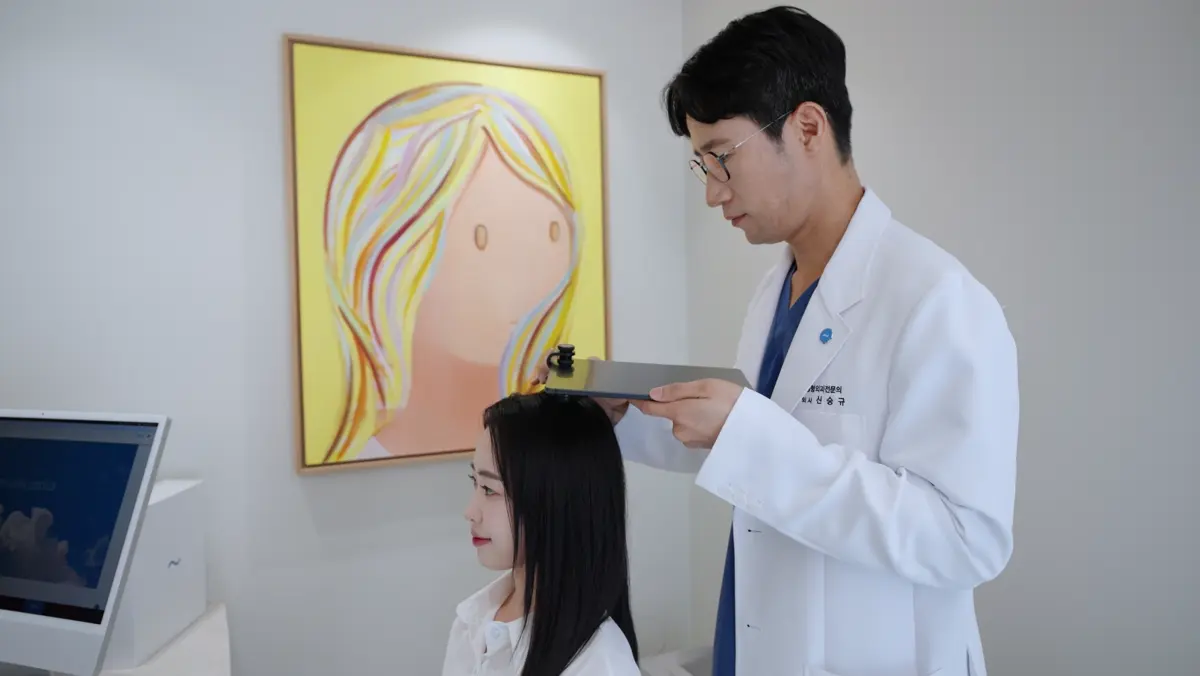
The full story of our care

Things we want to share fully in the clinic

Jump to a topic that interests you, or read from the beginning.

Hairline Design / 01

The Hairline Is Not a Line

When drawing a hairline you start with a line, but naturalness comes from making that line invisible. This is about thousands of small choices: thickness and density, angles and directions.

  • The Hairline Is Not a Line
  • The Aesthetics of Irregularity
  • Thousands of Choices
  • A Good Hairline Makes the Line Invisible
The Hairline Is Not a Line

Hairline Design / 02

Design the Patient Wants

A doctor’s standards and a patient’s wishes do not always match. We first listen to why you want a particular shape, then find a design together within what is feasible—BANAL’s way of thinking.

  • A Good Design Is the Design the Patient Wants.
  • We Ask for the Reason Behind the Desired Shape, Not Just the Shape.
  • That Does Not Mean We Do Exactly What the Patient Wants.
  • We Always Learn from Our Patients.
Design the Patient Wants

Hairline Design / 03

Dense yet Natural

Fullness and naturalness—of course both are desired, but surgery requires a delicate balance. I talk about the time spent learning from how hair looks after it grows and readjusting plans.

  • Dense yet Natural
  • Finding the answer little by little
Dense yet Natural

Hairline Design / 04

What kind of hair do you want

When you wear your bangs down versus tying your hair up, different areas become noticeable. We don’t just consider proportions; we ask about your usual style, the looks you want to try, and the limits of expression.

  • How will you wear it?
  • The pretty spot changes
  • If you want a slicked-back style
  • So I ask during design
  • Freedom of style
What kind of hair do you want

Hairline Design / 05

How much should it be lowered

Between the clear desire to change and the worry about looking awkward. Lowering a hairline a lot is not simply greed, and lowering it a little is not always the correct answer. We discuss together a design that will still feel acceptable even after a long time.

  • Should you be ambitious, or restrain yourself?
  • Less can be more natural.
  • Conservative is not always the correct answer
  • Between the desired look and a regret-free look
How much should it be lowered

A well‑considered choice

Before deciding, check these together

01

Consider everyday hair and desired hair together

The areas that show when lowering bangs, revealing the forehead, or tying hair back are different. We consider not only height but also the M-shape, temples, and sideburns together.

02

Between fullness and naturalness

Raising density alone can look artificial, and focusing only on naturalness can look sparse. We consider where thickness, angle, direction, and placement meet.

03

A line lowered once is hard to reverse

When deciding how much to reduce, consider not only current preference but also hair characteristics, future hair loss, and the long-term impression you want to maintain.

A decision made after sufficient explanation

Decide with full information

Bleeding, infection, scarring, folliculitis, temporary shedding related to transplantation may occur. Density and naturalness have limits based on original hair thickness, direction, and occipital donor resources.

Your questions, answered

Hairline Design · FAQ

01Can you make the hairline exactly as I want?

We listen to the desired shape first and then coordinate possible range by assessing facial proportions and hair condition. Not all designs are achievable.

02Can only the M‑zone be corrected?

Partial correction can be considered depending on current height, lateral width, and progression. The scope is determined through examination.

03Do you consider styles where I tie my hair?

Yes. We consider your usual ways of tying or sweeping hair and which areas are exposed in the consultation.

04Is this surgery only for women?

No. Treatment is based on hairline shape, hair loss status, and the patient's goals rather than gender.

05Will more grafts always make it more natural?

Simply increasing graft count does not guarantee naturalness. Hair thickness, placement, angles, and density distribution are important together.

06Can delicate baby hairs be made even with thick hair?

There are limits due to existing hair thickness, so achieving fine baby hair may be difficult. We explain possible changes and limits in consultation.

07Do I need forehead reduction as well?

Not everyone needs both procedures. Choice or sequencing depends on forehead height, lateral width, and scalp condition.

08Can I bring photos of the hairstyle I want?

Yes. Photos help share the desired direction. However, identical results to another person are not guaranteed.

FAQ

Your next chapter

Starting by listening to your story.

From the hair style you want to your long‑standing concerns and small questions. We will take time and talk with you without rushing.

Consultation request →

A consultation without pressure to decide

Starting by listening to your story.

From the hair style you want to your long‑standing concerns and small questions. We will take time and talk with you without rushing.

02.540.0700 Consultation request →

Weekdays 09:00 — 19:00
Saturday 09:00 — 17:00

Visit InformationInternational Patients

Consultation and reservations by language · English

You will be redirected to an external service. Personal data handling and reservation confirmation follow the policies of that service and the clinic’s guidance.

You will be redirected to an external service. Personal data handling and reservation confirmation follow the policies of that service and the clinic’s guidance. After separate consent, the AI assistant sends your question and recent conversation to an external AI service. Read the chat notice before entering information.