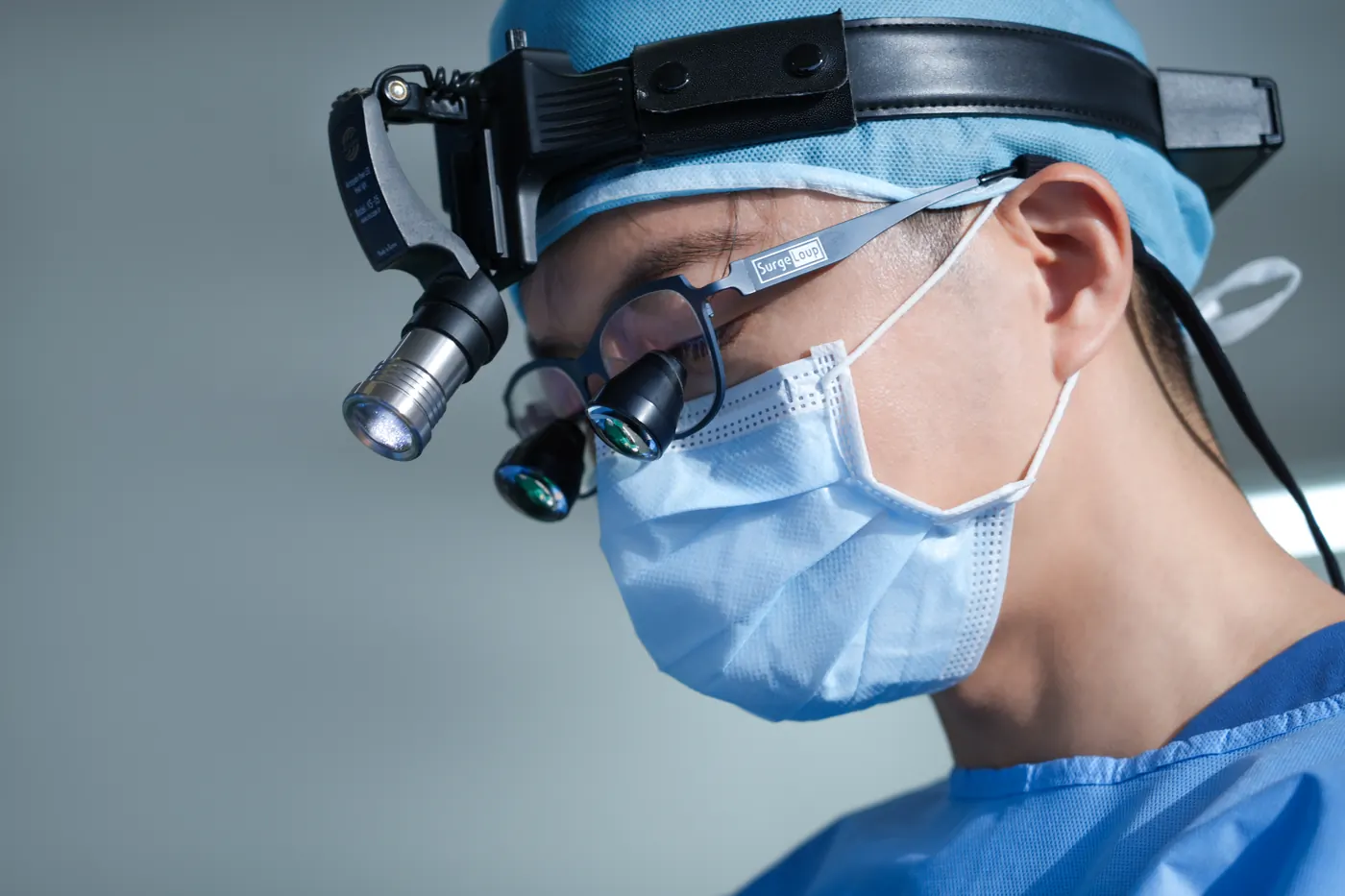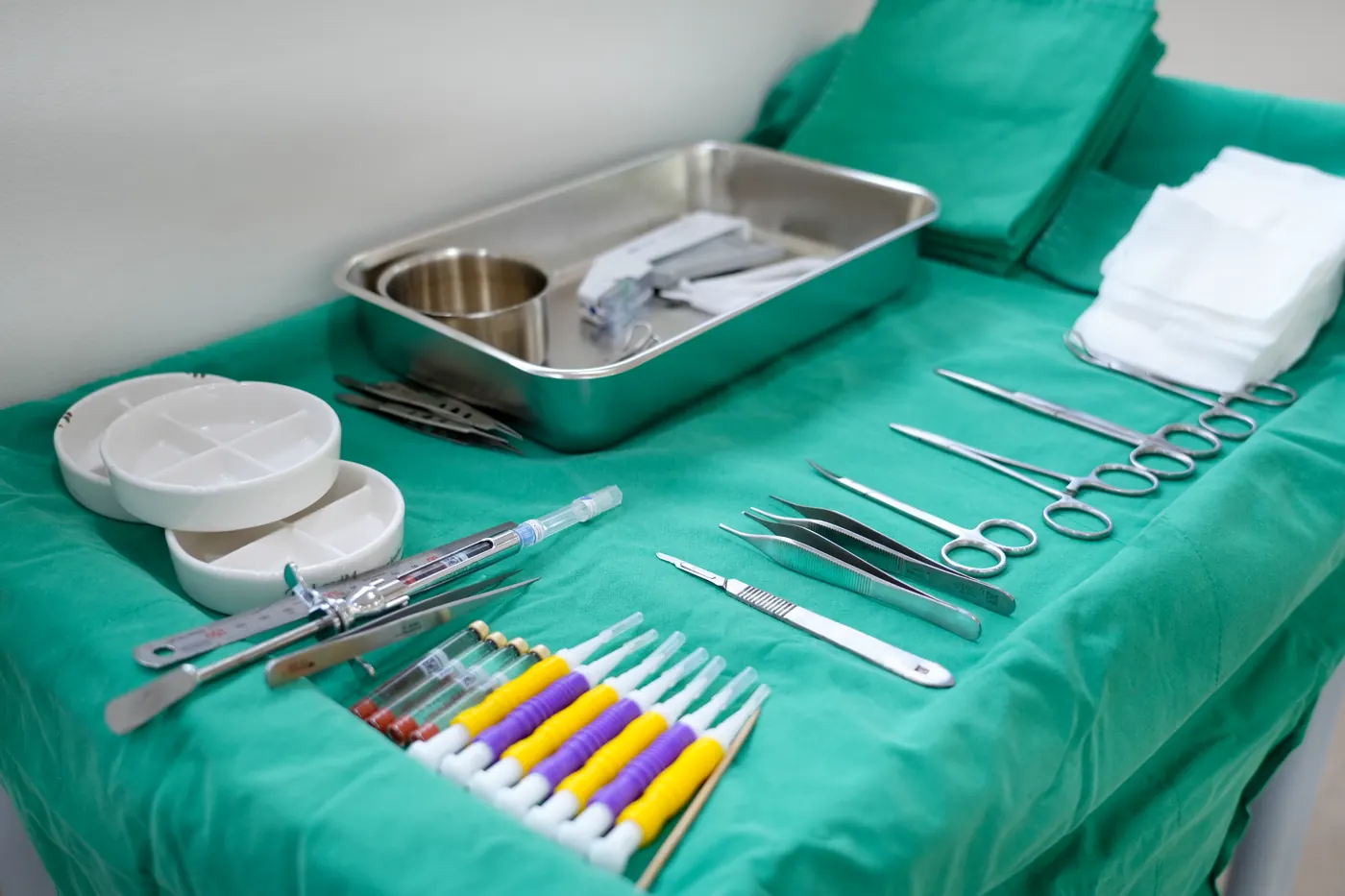
When I present forehead reduction at conferences or talk with patients, I often sense reluctance. Hair transplant surgeons often see patients who had forehead reduction or an incisional forehead lift elsewhere and then want a hair transplant to cover the scars. As such experiences accumulate, reluctance can develop. Patients also tend to see hair transplant as surgery to fix hair loss and forehead reduction as cosmetic surgery that only lowers the forehead regardless of hair loss, and many worry a great deal about scars.
A Surgery With Higher Satisfaction Than Expected
Contrary to such concerns, in my view forehead reduction is a surgery with fairly high satisfaction afterward. Many people who have long had a complex about a wide forehead are happy to see the lowered forehead right after surgery. The suture sites are also fairly clean, and seeing patients leave the clinic with happy faces, shampooing right away and styling their hair, makes me happy too.
Of course, hair transplantation is also a very good way to lower the forehead, and many people are satisfied with the hairline made through transplantation. Even so, forehead reduction has the advantage of not using follicles from the back of the head. When I think about how much you must have agonized before coming in, and how hard it must have been to watch your hair fall out, each strand feels precious, so I tend to recommend methods that spare as much of the back of the head as possible.
Not Every Forehead Suits It
Forehead reduction mainly lowers the height of the center of the forehead, so hair transplantation is more effective for filling the M-shape. If the scalp is too firm or too thin, surgery is restricted or the likelihood of complications increases, so we do not recommend it.
Scarring is something many people worry about a lot. Scars cannot be avoided entirely during the healing of a wound. However, with careful surgery and proper postoperative care, noticeable scars rarely form, and I have often seen them fade over time to the point where they are hard to notice unless you look for them. Still, if it bothers you, you can cover the scar with a hair transplant, and engraftment on scar tissue is not poor.
Both Are Good Options
Hair transplantation is sometimes used to fill areas emptied by hair loss, but it is also sometimes used to reduce a wide forehead even without hair loss. For reducing a wide forehead, both hair transplantation and forehead reduction are good methods. I think it is best to choose the method that suits your situation by considering the hairline shape, scalp elasticity, back-of-head density, and your own preferences together.
This article is a version, reorganized for this website, of an article our doctor wrote for the “Hair Loss Expert Column” on the hair loss community Daedamo. View original