
By Dr. Park Sooho · 2026.08.23
"I think I only need to fill in my M-shaped areas a little"
When I consult on hair transplants, I often hear comments like this.
"I think I only need to fill in my M-shaped areas a little."
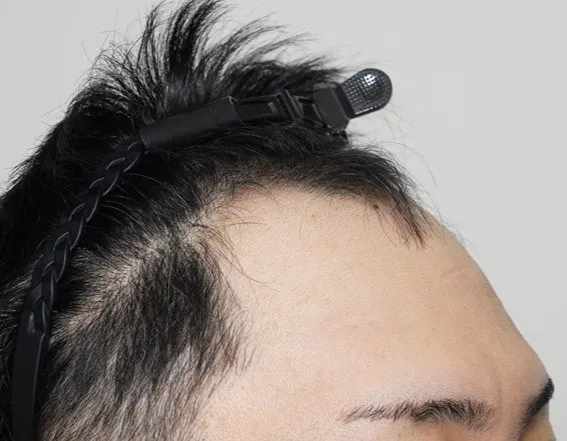
However, when you lift the hair and look more closely, the story sometimes changes. The patient I will show today is one of those cases.
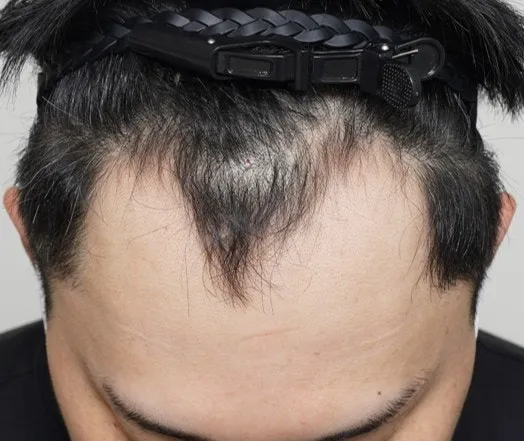
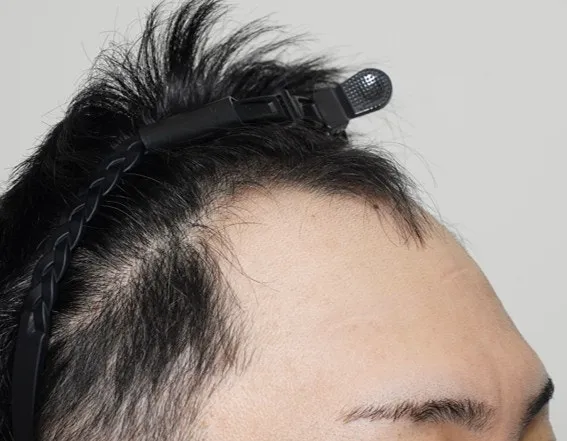
The problem is not only the M-shape
In the photos, both M-shaped areas are deeply recessed, but the problem is not only the M-shape. The hair in the center of the forehead, the central frontal area, has also become quite thin.
What happens if both M-shaped areas are densely filled in this situation? Right after surgery, it may look fine. However, as the transplanted hair grows, the central area, where the hair is relatively thin and weak, can start to look empty, and only the transplanted sides may look relatively dense. Planning must consider not just the empty spots visible now, but also how things will change going forward.
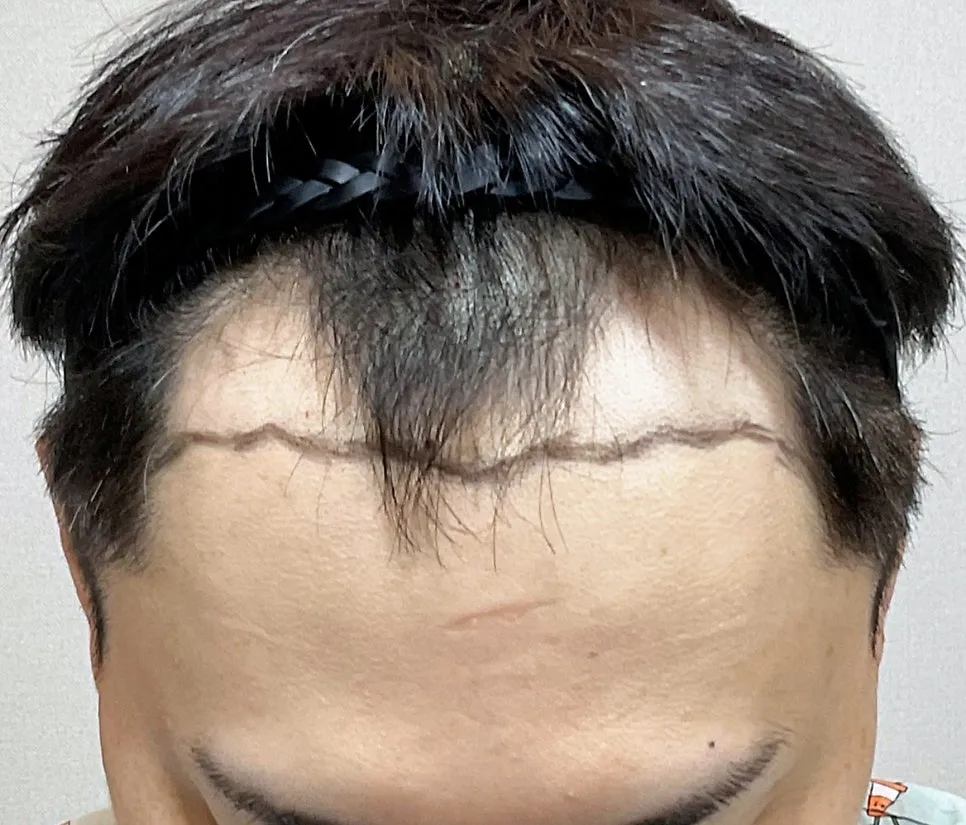
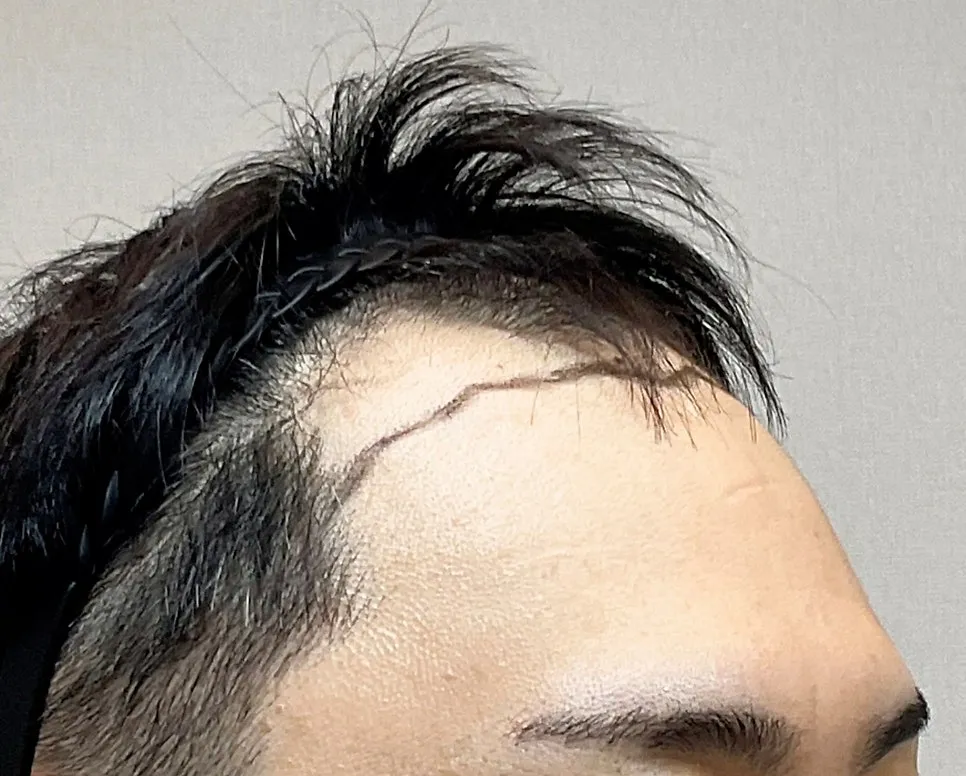
Why 4,500 hairs were transplanted using the incisional method
This patient had a total of 4,500 hairs transplanted using the incisional method. Why incisional? When a large hair count of around 4,500 is needed, the incisional method can be a good choice. Because the incisional hair transplant harvests only from the lower area of the back of the head, it is often advantageous for preserving the volume at the upper back of the head compared with the non-incisional method, which harvests from a wide area.
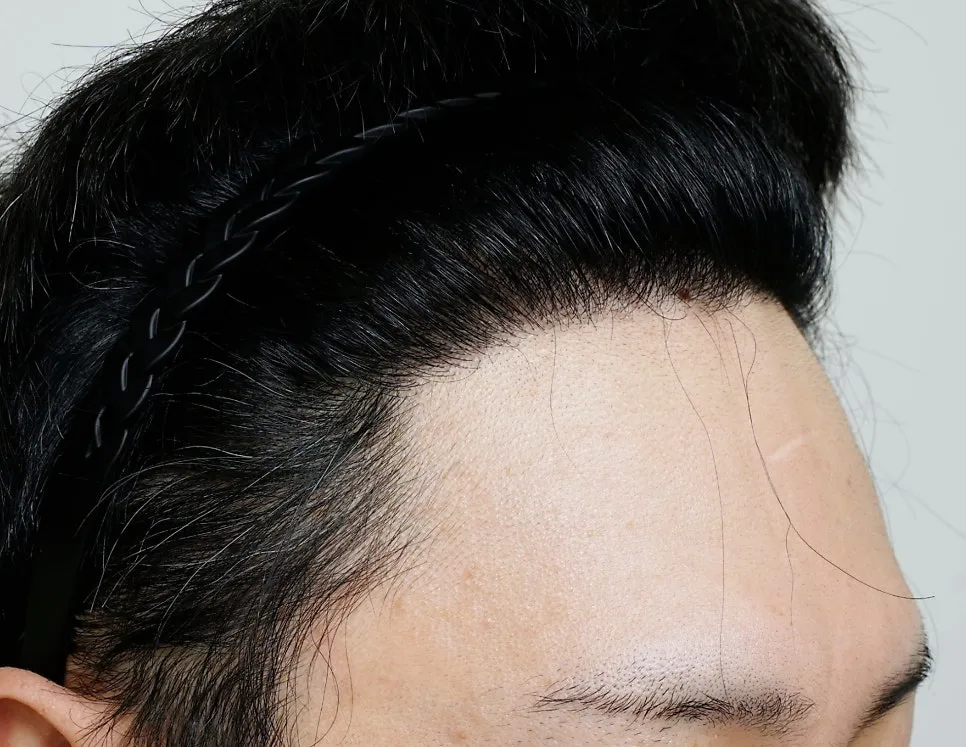
Of course, this does not mean that either the incisional or the non-incisional method is always better. The decision must be made after considering the hairstyle, scalp elasticity, the hair count needed, preferences regarding scarring, and the possibility of additional surgery in the future. For this patient, securing a large hair count of 4,500 hairs while keeping the volume at the back of the head as full as possible was important, so the incisional method was chosen. While sufficiently reinforcing both M-shaped areas, the density of the central frontal area was also reinforced, so that the hairline connects naturally all the way to the area behind it.
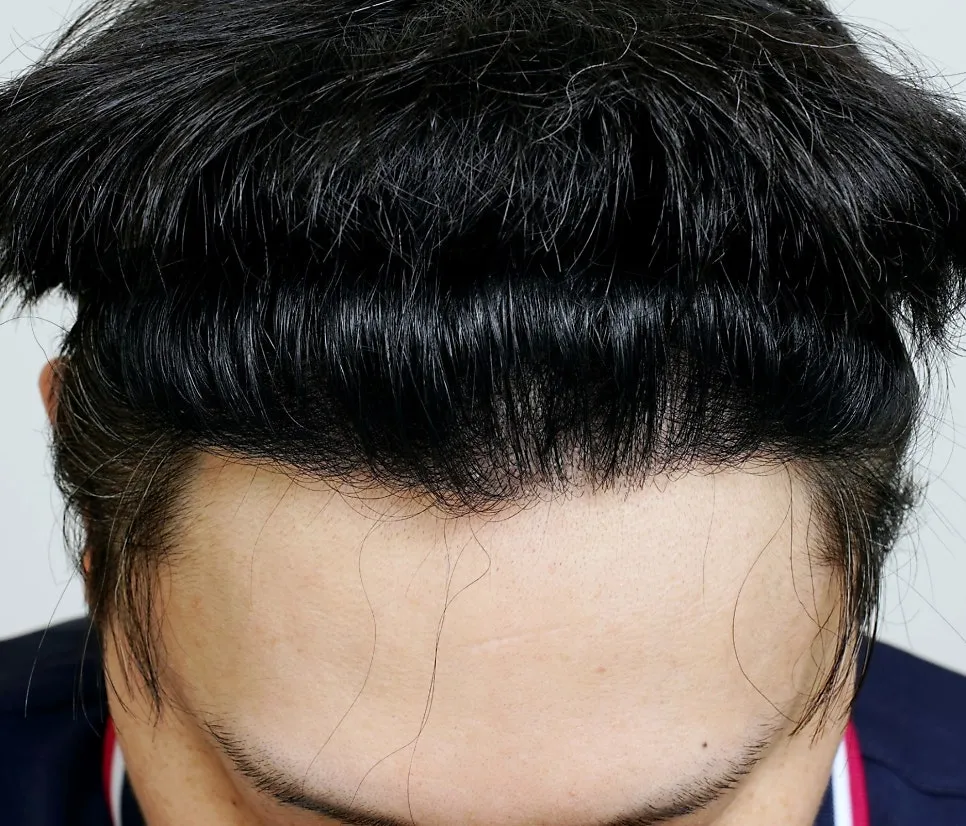
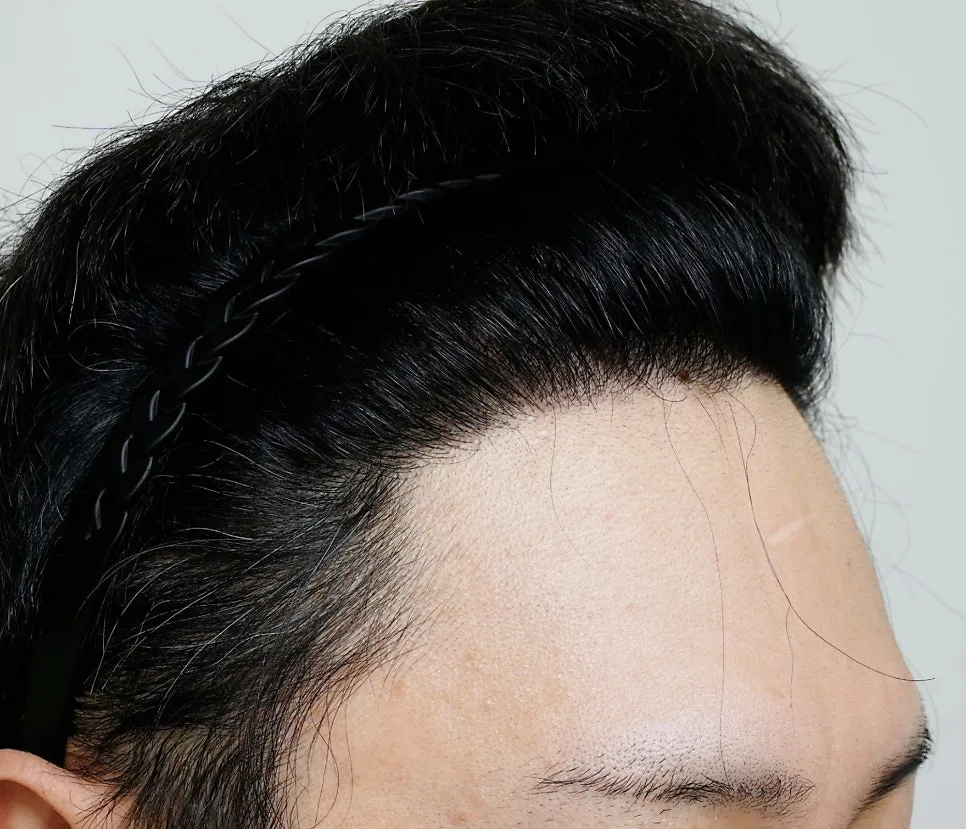
The connection behind the hairline is just as important as the hairline itself
Looking at the result photos, it is not simply that the hairline came down. Rather, the entire front hair has become firm, like a single mass. In particular, I believe that in cases like this, the connection behind the hairline is just as important as the hairline itself. If the hairline is dense but the area right behind it is empty, it may look fine from the front, but it can look unnatural when the head is tilted forward or viewed from above.
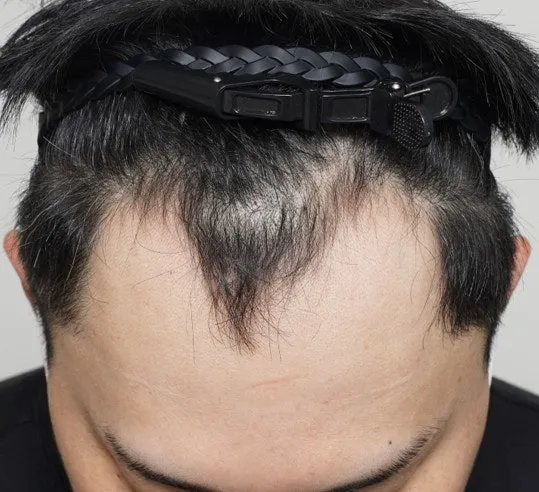
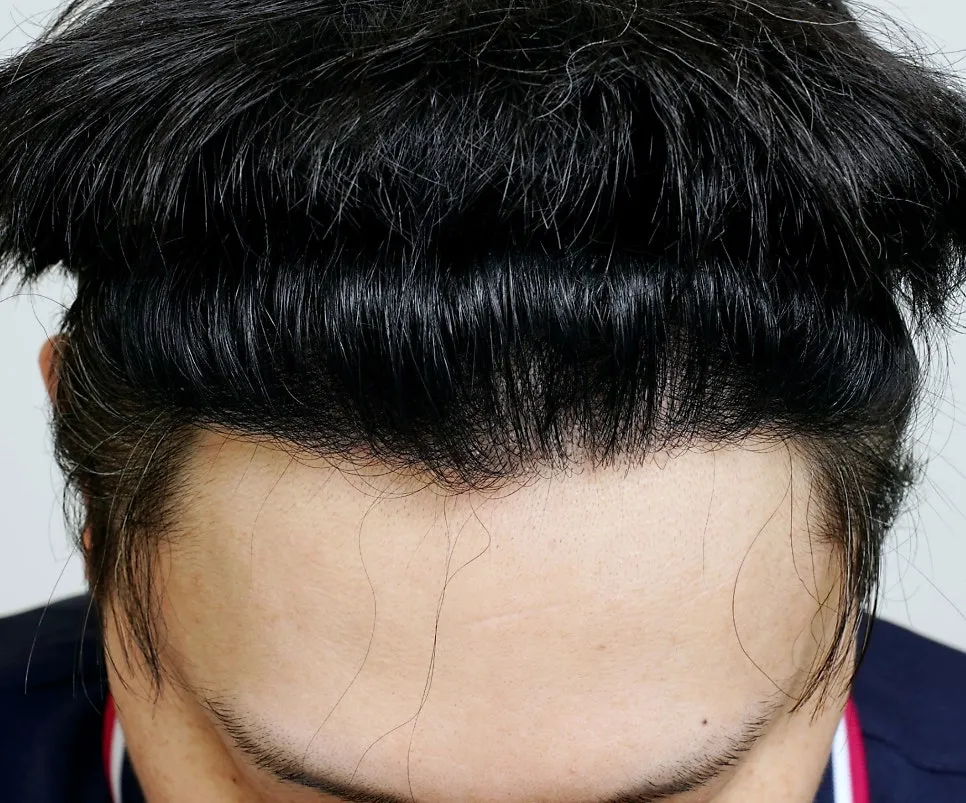
A hairline is not a line
You should not look only at the M-shape because it is empty, or only lower the hairline because it is high. The face and hairline, the condition of the existing hair, and even the hair loss that will progress in the future must all be considered together. A hairline is not a line. Only when the entire front hair connects naturally does it become a good hairline.


