
By Dr. Kim Narae · 2026.08.22
The memory of being turned away when donating blood
Even back when I was a university student about 20 years ago, I donated blood regularly. Sometimes I made a wasted trip because of my anemia test results, but I found meaning in giving, without any reward, to someone who needed help. That sense of meaning is a great driving force in life. In fact, it is also the reason I chose hair transplant surgery as my career.

Although my memory is a bit hazy, at some point the blood donation questionnaire added a new question asking whether you have psoriasis and whether you take any psoriasis medication. One of the psoriasis treatments, a vitamin A derivative, can cause birth defects in a fetus, so it was designated as a reason for blood donation exclusion. This drug can remain in the body for as long as three years, so even if you are not currently taking it, it can be very dangerous for a pregnant woman receiving a transfusion.
Although my psoriasis was not severe enough to require more than occasional use of ointment, the blood donation center found it difficult to check each person's past prescription history for that drug, so they declined me outright based only on a history of a psoriasis diagnosis. The disappointment and sadness of being turned away when I went out wanting to help someone is a poignant memory that has stayed with me, even now, after so many years.
Why can't you donate blood while taking hair loss medication?
That got a bit long. I imagine some of you, like me, visited a blood donation center with good intentions, were asked "Are you taking hair loss medication?", and turned away. I will walk you through why hair loss medication is listed as a restriction for blood donation even though it is not a dangerous drug for the body, and when donation becomes possible again after you stop taking it.
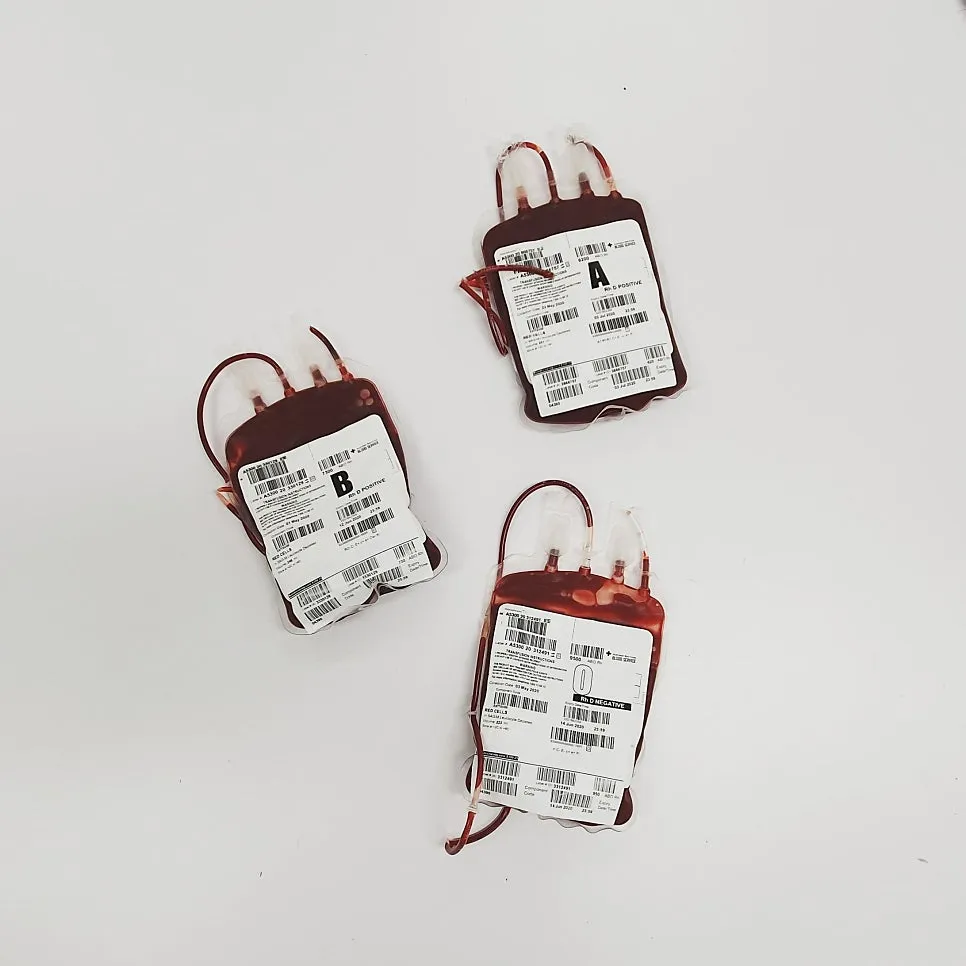
The decisive reason donation is prohibited while taking hair loss medication is the safety of the people who receive transfusions, especially pregnant women and their fetuses. Representative oral hair loss medications, finasteride and dutasteride, work by blocking the conversion of the male hormone testosterone into DHT, which helps protect the hair. However, if blood containing these ingredients is transfused into a pregnant woman, it can cause severe malformations in the development of the reproductive organs of a male fetus. Since donated blood cannot be predicted to go to any particular recipient, the Korean Red Cross restricts donations strictly to block even a very small possibility.
Donation waiting periods differ by medication ingredient
When donation becomes possible again depends entirely on the ingredient of the medication you take. Medications containing finasteride (e.g., Propecia) are cleared from the body relatively quickly, so donation is possible at least 1 month (4 weeks) after stopping. In contrast, medications containing dutasteride (e.g., Avodart) have a much longer half-life and remain in the body for a long time, so you must wait at least 6 months after stopping. For reference, the topical minoxidil formulation is absorbed into the body in very small amounts, so there are no restrictions on donation.
However, we do not recommend stopping your hair loss medication on your own for the purpose of donating blood. Stopping the medication may cause the hair you have barely managed to protect to fall out again or lead to shedding, so it is better to put the care of your own hair first, ahead of donating blood.
Safeguards to protect expectant mothers and their babies
The donation restriction for people taking hair loss medication is not because something is wrong with your health. It is a minimum safeguard to protect the mothers and fetuses who receive transfusions. I also sympathize with the disappointment of having a sincere offer to help turned away. However, please check the ingredients of the medication you currently take and how long it has been since you stopped, and when the conditions are right, I hope you can share your kindness safely and in good health.


