By Dr. Shin Seungkyu · 2026.08.21
Incisional and non-incisional: both are good methods
Hair harvesting methods for transplantation broadly come in two types: incisional and non-incisional. Applied appropriately to the transplant situation, both are good methods. Here I will share a case with the final progress after an incisional surgery.
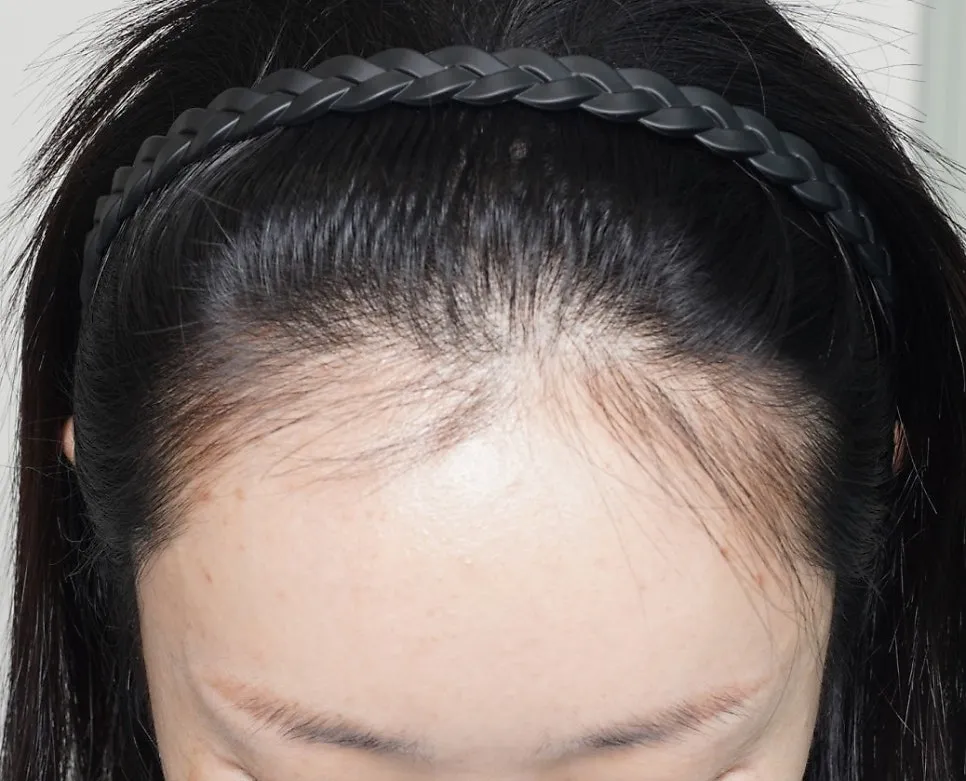
Why the incisional method was recommended
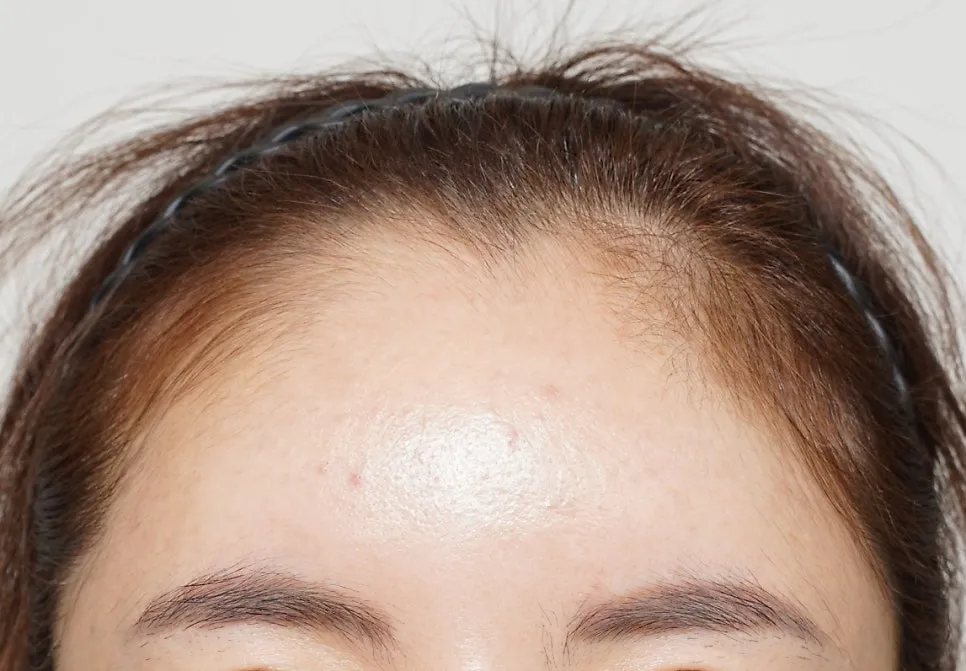
The patient above came in with concerns about a high and wide forehead. Since the proportion was not very high, we recommended a hair transplant that lowers the forehead to a suitable degree in proportion to the face and fills in the angles.
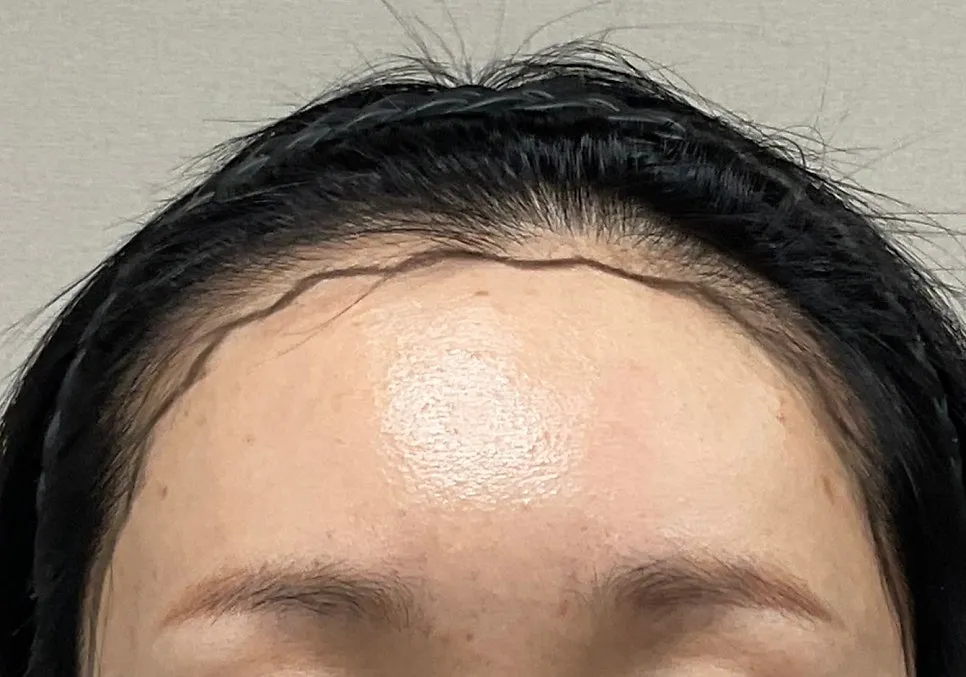
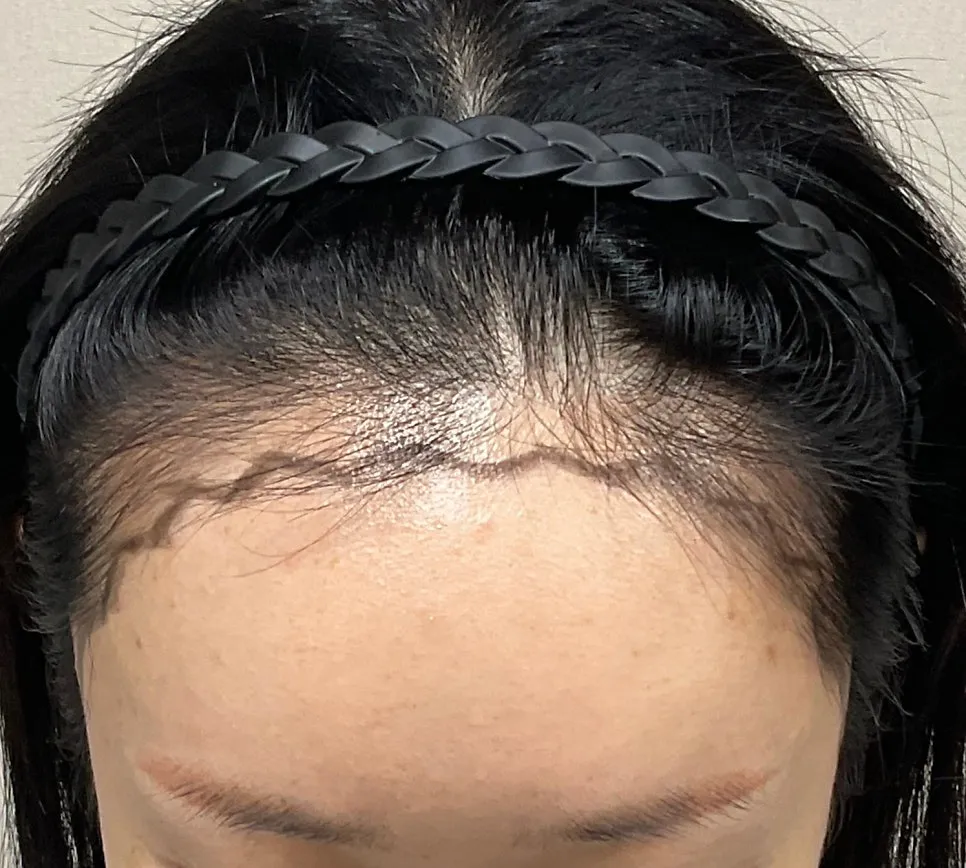
We designed the hairline as shown in the photo above and estimated that about 3,000 hairs would be needed. The hair at the back of the head is fine, the density is not very high, and the scalp is soft, so we recommended the incisional method.
10 days after surgery, and pain
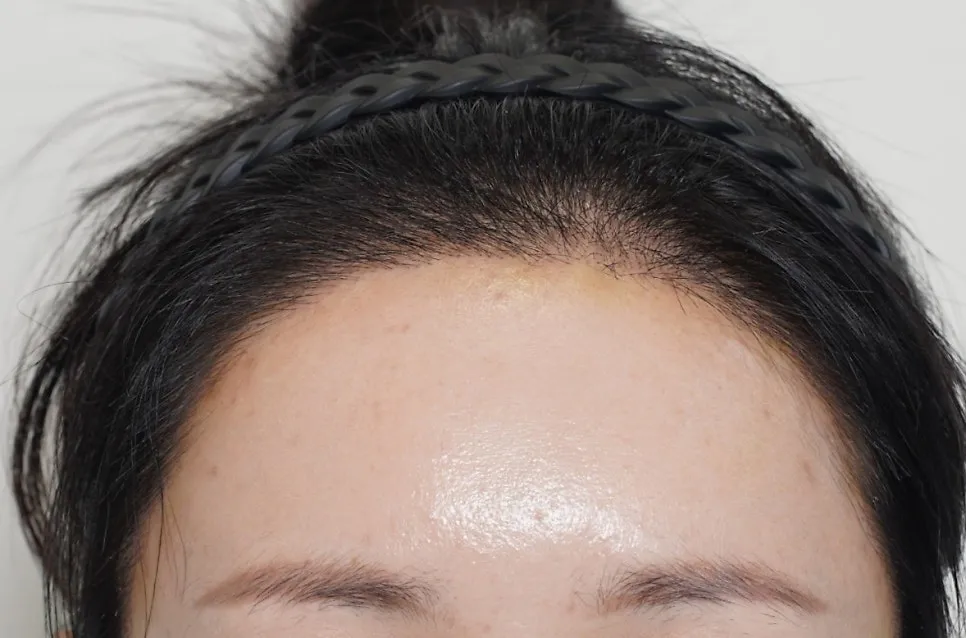
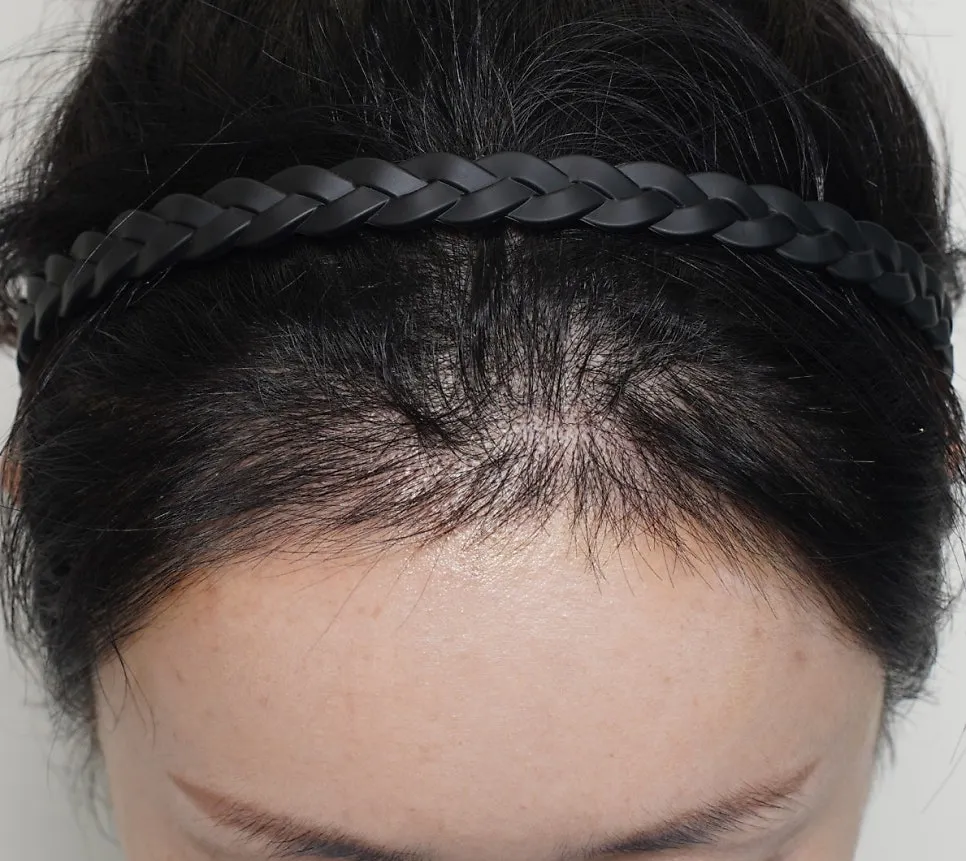
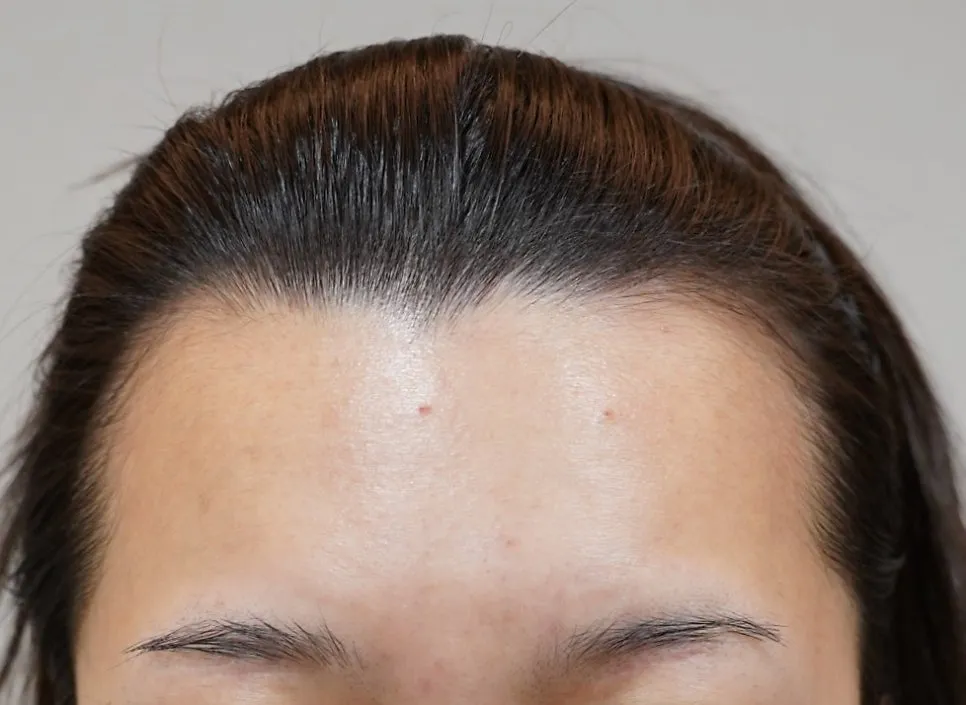
This is a photo taken 10 days after surgery. One of the reasons people worry about the incisional method is pain. Not many people find the pain extremely difficult to bear. Often there is pain for a day or two after surgery, and it was generally manageable with painkillers.
One year later: hairline and back-of-the-head scar
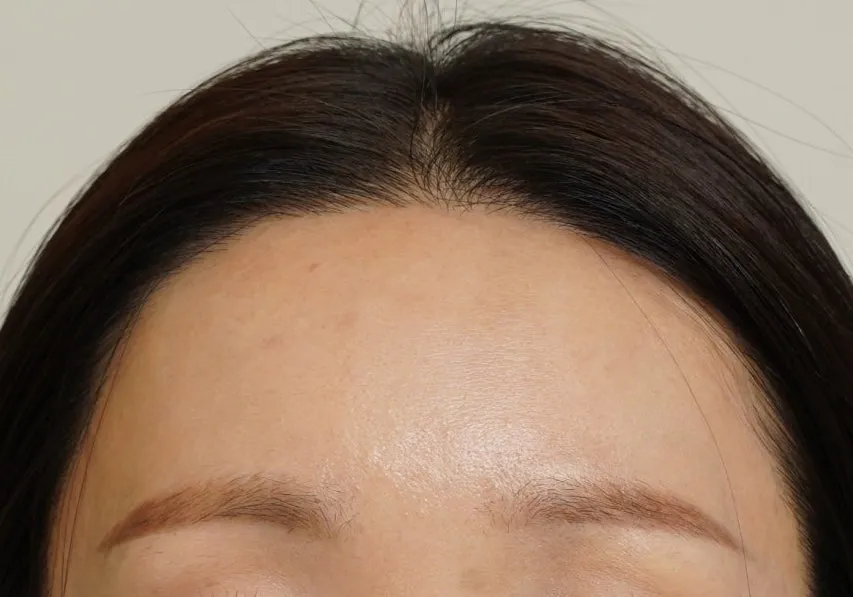
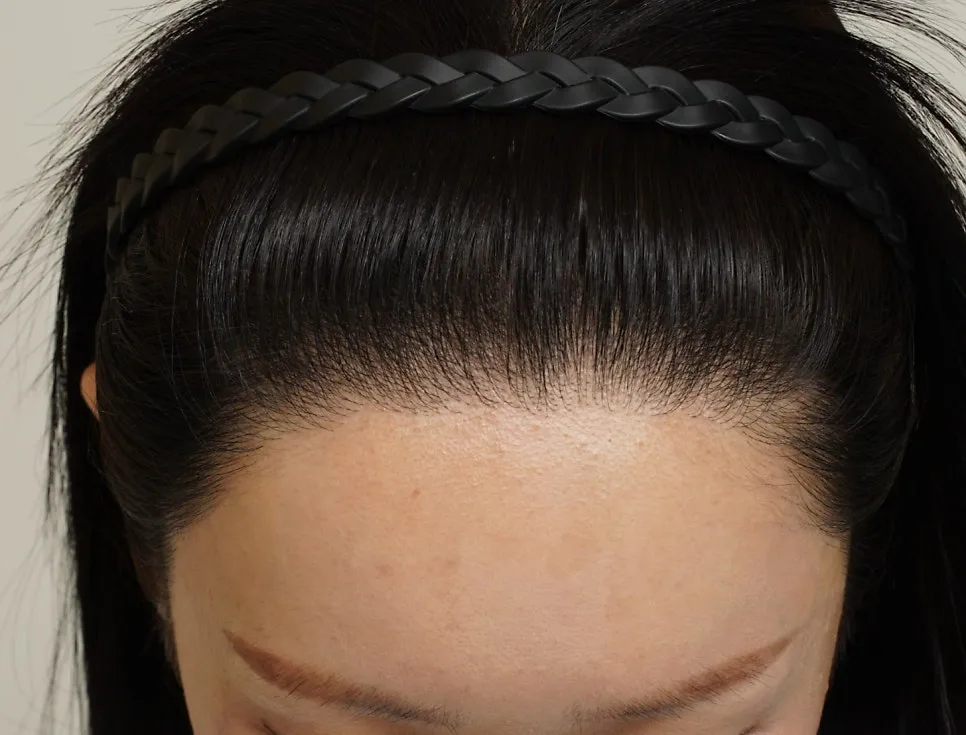
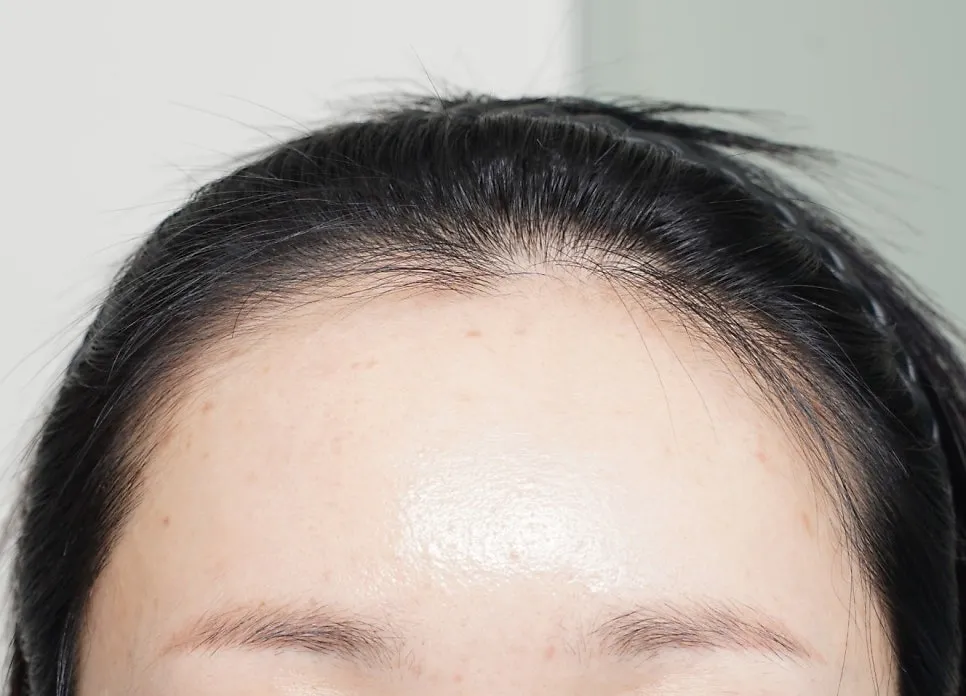
The patient came in about one year after surgery. The hairline looked natural, and the density also looked good.
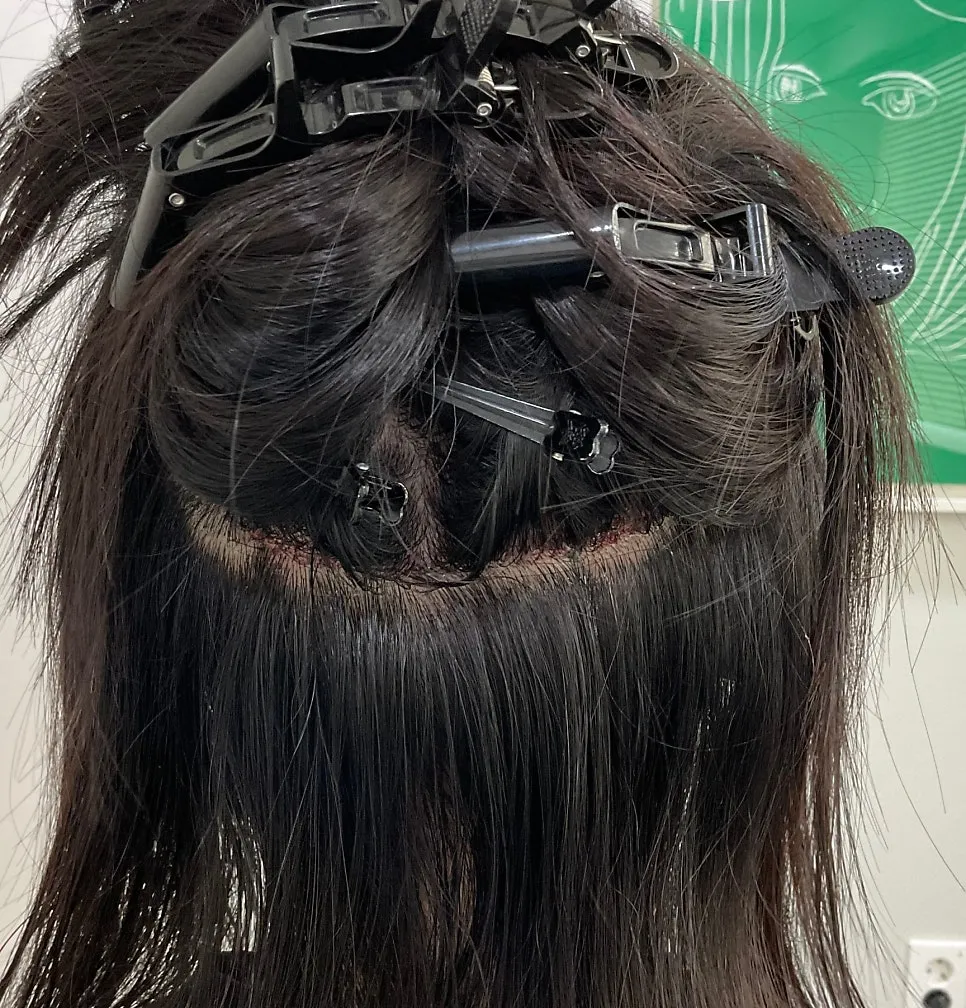
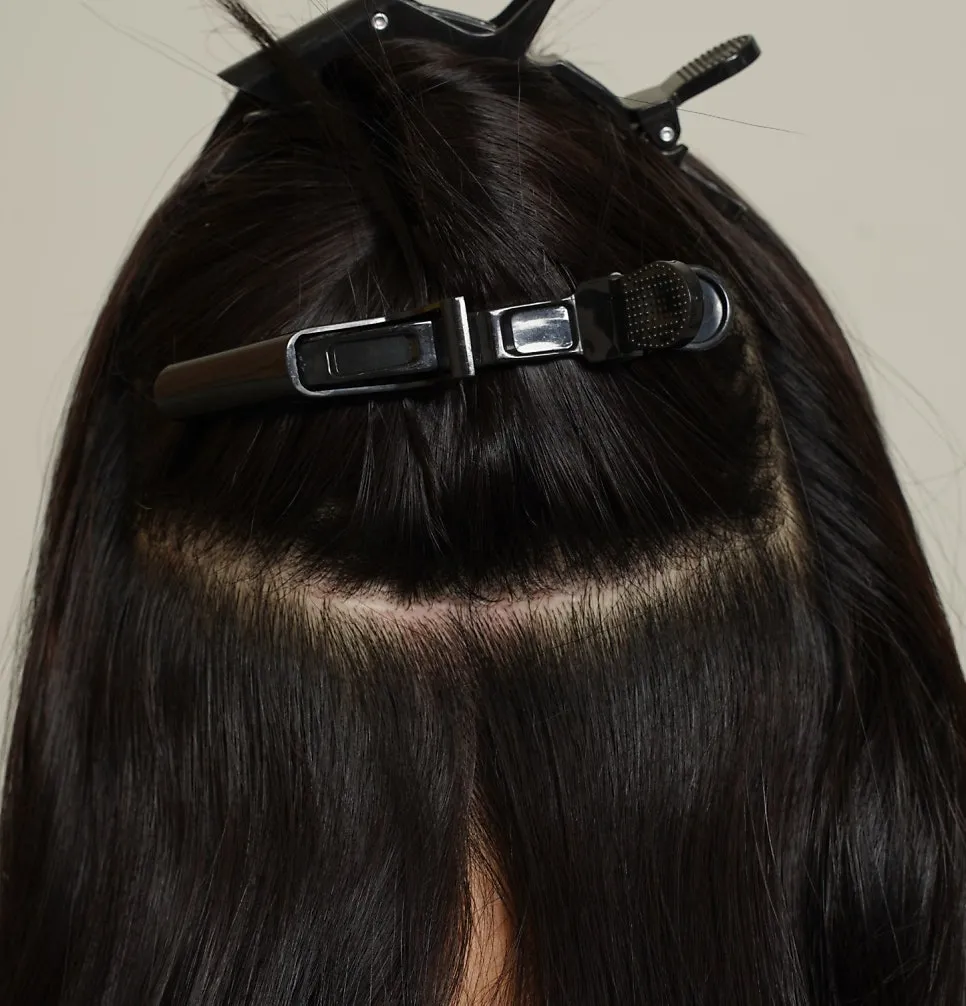
Another reason people worry about the incisional method is the scar. Many people worry that the scar will be visible after incisional surgery, but as shown in the photo above, it can only be seen when the hair is lifted and looked at closely.
Both the incisional and non-incisional methods are good options, and I will recommend the appropriate method based on the amount of hair needed and the condition of the back of the head.
※ Side effects such as swelling, infection, pain, bleeding, and abnormal sensation may occur after hair transplant surgery.
※ All photos on this blog are used with the patient's consent.