By Dr. Shin Seungkyu · 2026.09.03
Various methods for transplanting cowlick hair
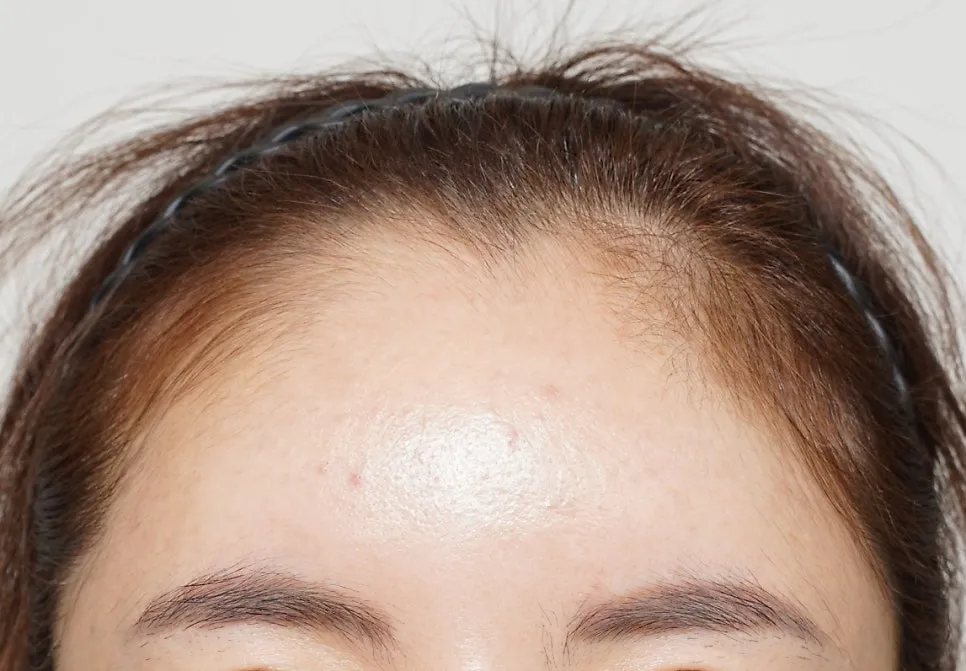
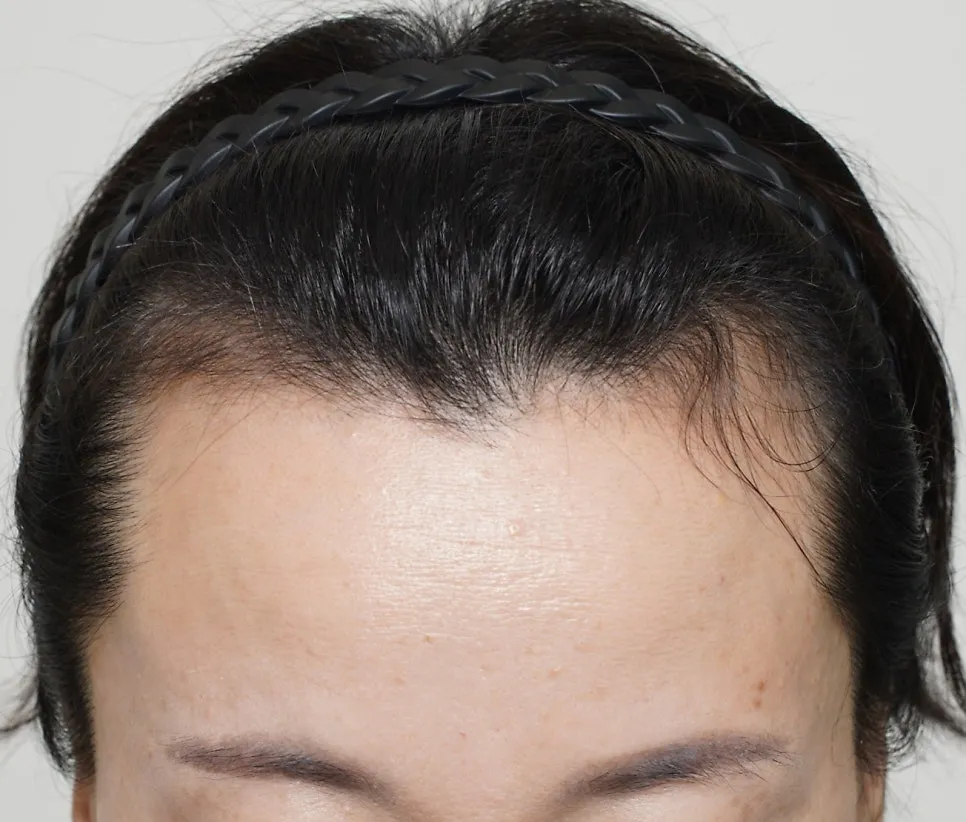
A cowlick, where the front hair sticks up as if licked by a cow, is a case where there are various ways to transplant, and I have already written a post about them.
https://blog.naver.com/banal_ps/223646360390
This post explains the case of changing the direction of a cowlick.
https://blog.naver.com/banal_ps/224175340847
This post covers the case of transplanting in the existing direction of the cowlick.
The reason the planting direction varies like this is that the natural transplant method can differ depending on the cowlick's position, condition, and degree. This time, I will explain a case where the direction of the cowlick is only slightly changed.
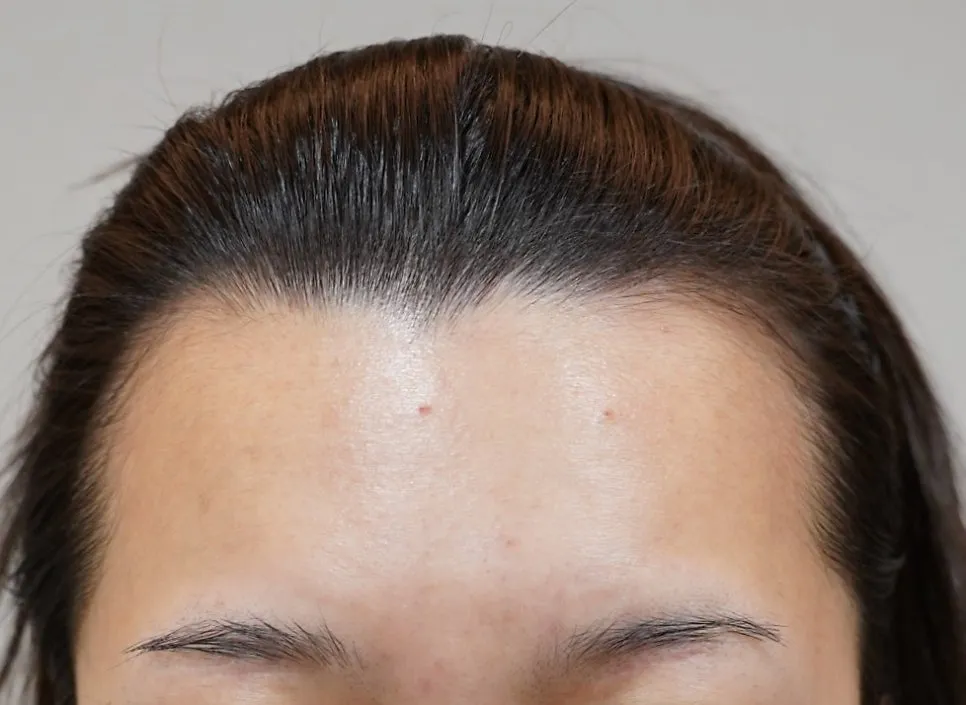
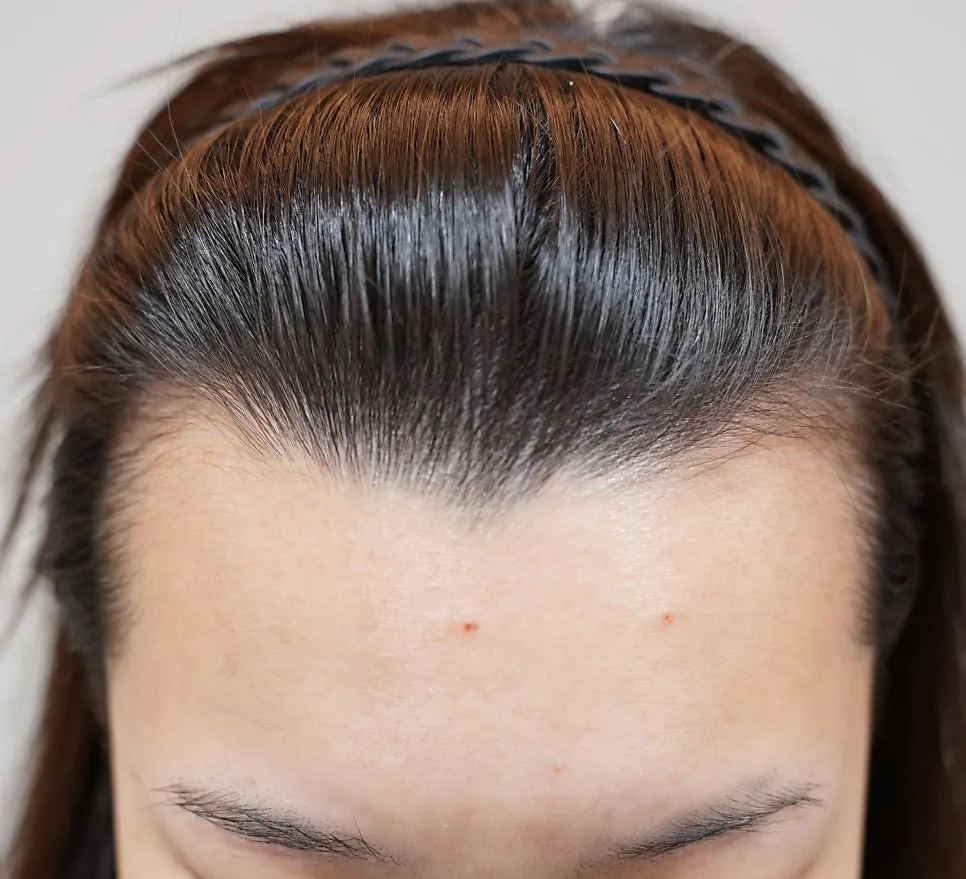
A fairly wide cowlick in the center
This patient came in with concerns about an angular area. Since the height was not high relative to the proportions, a hair transplant that keeps the height but fills in the angle was recommended. However, since the cowlick was fairly wide in the center, the patient wondered how that area would be handled.
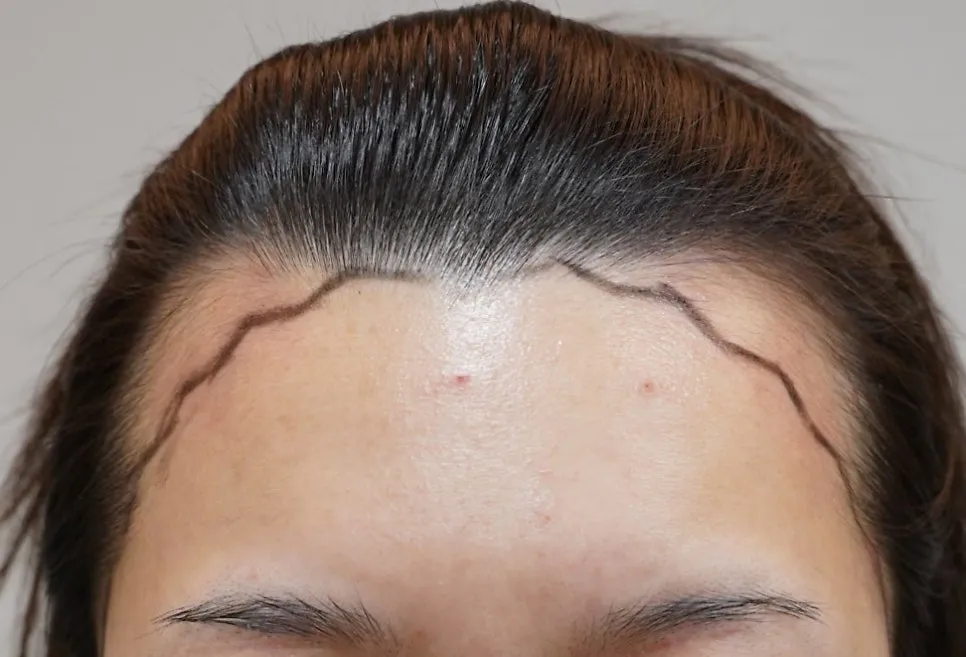
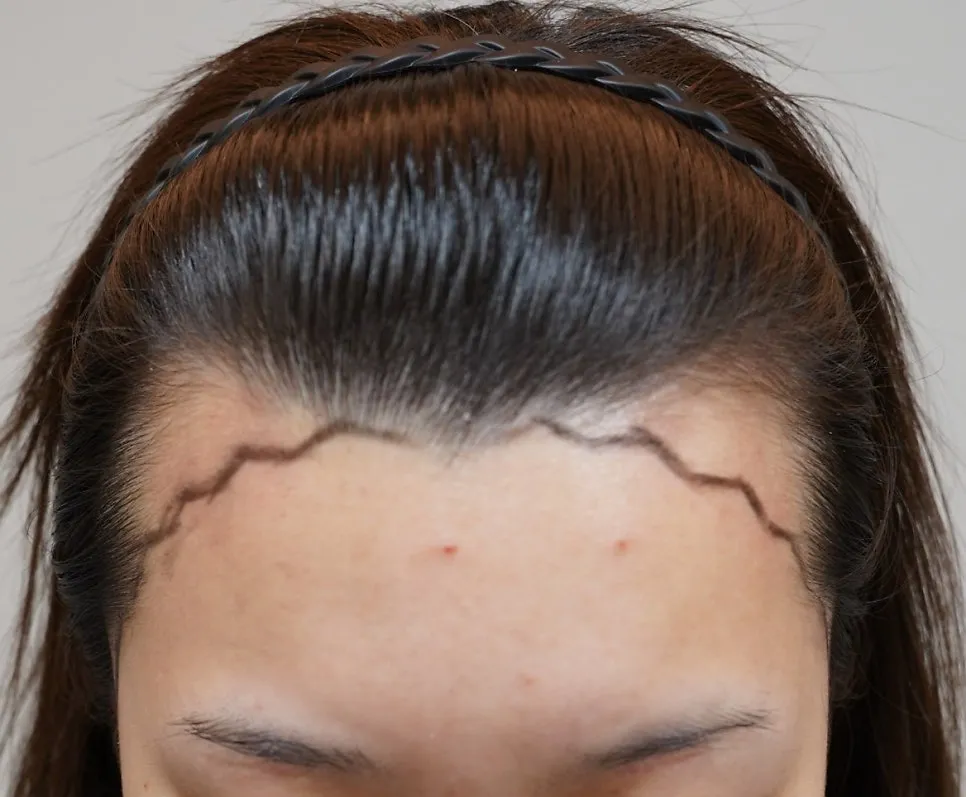
A design was made that keeps the height while filling in the angle.
Turning the direction slightly to the side
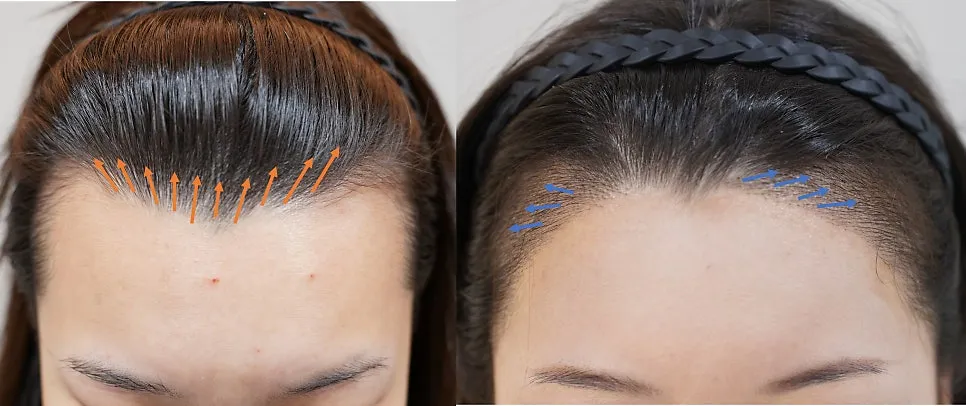
The orange arrow shows the existing cowlick direction. If the transplant were done in this direction, the occipital hair coming from behind would look stronger and stand up even further backward and upward, which would not look nice and would be hard to manage. So the transplant was done by turning slightly to the side, in the direction of the blue arrow on the right.
Almost two years later
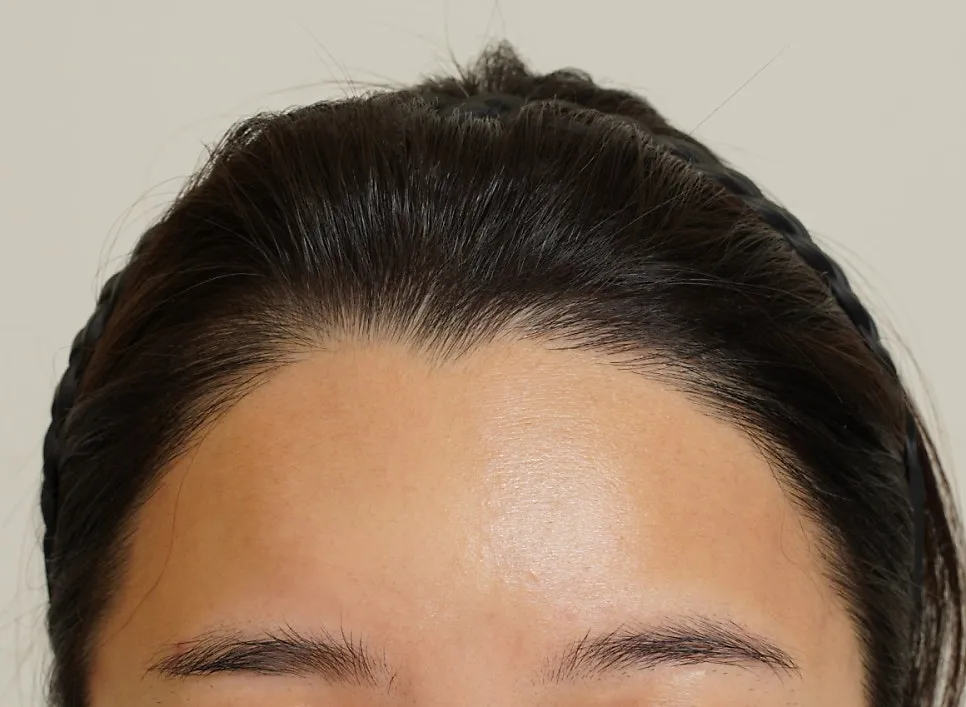
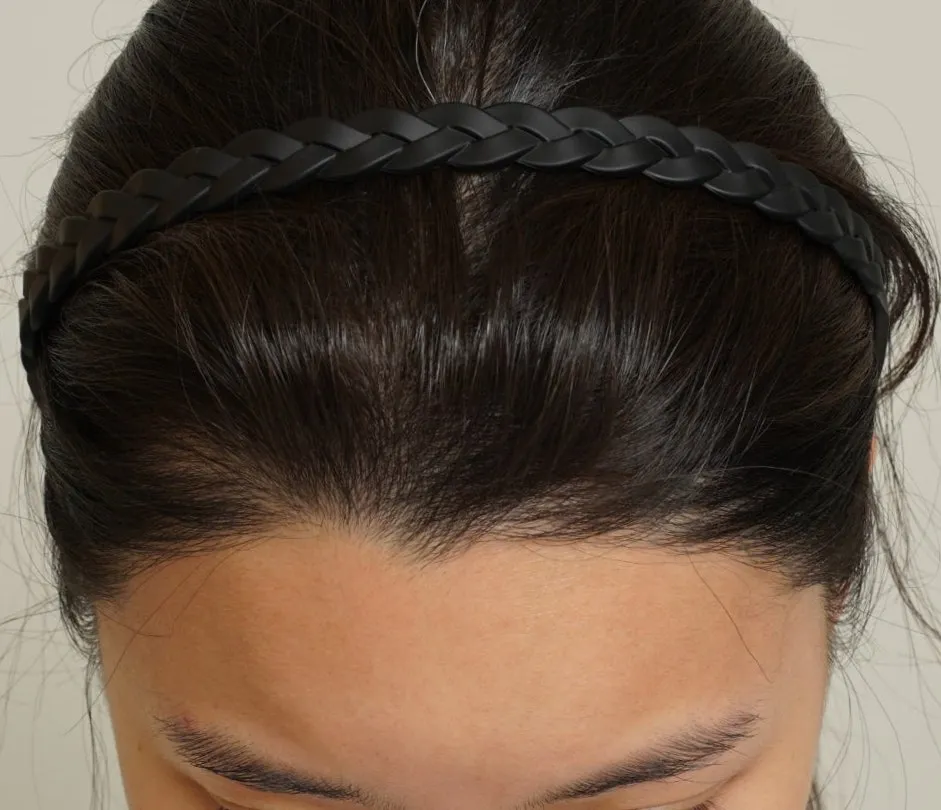
The patient visited almost two years after surgery. The line looks natural and the density looks good.
Some people worry that changing the direction from the cowlick will look unnatural because it differs from the original direction. Looking at the two examples above on this blog, along with this case, you can see that the results come out natural. I will transplant in a natural direction, considering the position and condition of the cowlick.
※ Side effects such as pain, swelling, inflammation, bleeding, and infection may occur after a hair transplant.
※ All photos on this blog are used with the patient's consent.