By Dr. Kim Narae · 2026.08.01
Incisional vs. Non-Incisional: Which Is Better?
Harvesting methods for hair transplant surgery are broadly divided into the incisional method and the non-incisional method. Many people wonder which one is better, but to answer right away, the recommended method differs depending on each person's situation and case. Let us look at the general characteristics and the differences by case to compare the pros and cons of the two methods.
Incisional method
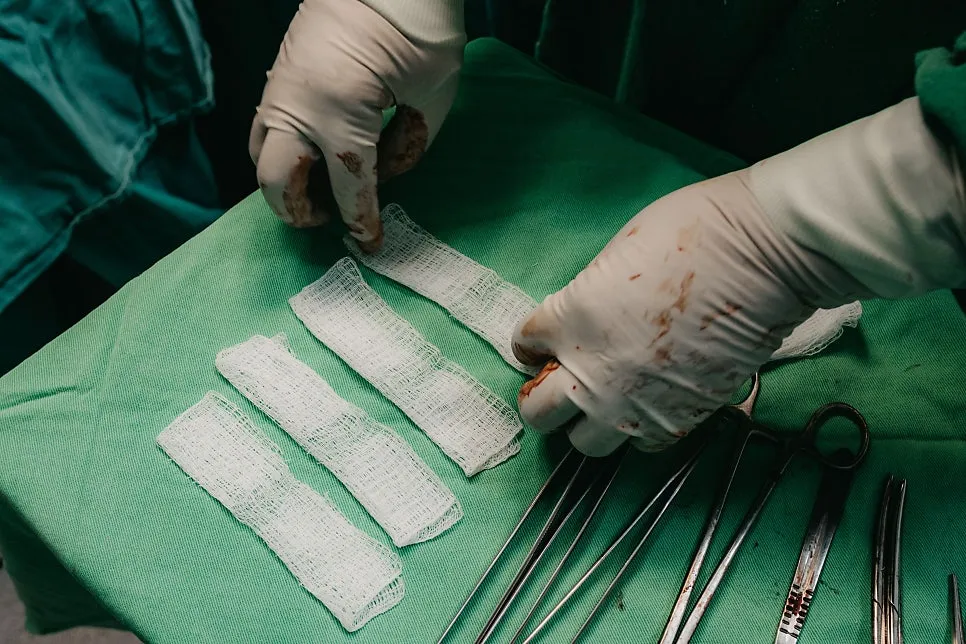
First, in the incisional method, a strip of scalp containing the necessary amount of hair is cut out from the back of the head, and then the upper and lower scalp are pulled together and sutured. This leaves a linear scar after surgery. To make it less noticeable, like a dotted line, an incision technique is sometimes used that allows hair to grow through the scar.
The biggest advantage of the incisional method is that hairs likely to last longer can be concentrated within the Safe Donor Area, the region at the back of the head where hair is preserved the longest. Also, because it is easy to harvest hair leaving about 1 to 2 cm of length, slightly longer hair can be transplanted even right after surgery, which gives a more natural look.
Ideally, the major blood vessels and nerves passing through the harvesting area are preserved. However, due to differences in anatomical structure, if partial nerve damage occurs, it may take a fairly long time for the abnormal sensation at the back of the head to return to normal.
Cases where the incisional method is difficult to perform
Setting aside which method is better, there are cases where the incisional method is difficult to use. Usually, even if scalp elasticity is poor, a small harvest is possible. But what if, for example, 3,000 hairs are needed and the elasticity allows only about 1,000 hairs to be harvested with the incisional method? Rather than forcibly stretching the incision line sideways just because of low elasticity, or harvesting with a combined method, it may be more advantageous to harvest all 3,000 hairs with the non-incisional method.
There are also differences in cases that require thin hair intensively, such as sideburns, the side hairline, or eyebrow transplantation. By shifting the incision line to one side, you can harvest somewhat more thin hair, but if there is a lot of thin hair in the area above the neck, the non-incisional method may be more suitable. Body hair transplantation, which moves body hair to the scalp, also makes the linear scar stand out with the incisional method, so body hair must be harvested one follicle at a time with the non-incisional method.
Finally, in cases where crown hair loss has progressed significantly or the posterior whorl is located very low, the incisional scar at the back of the head may show through as the hair loss progresses, so caution is needed.
Non-incisional method
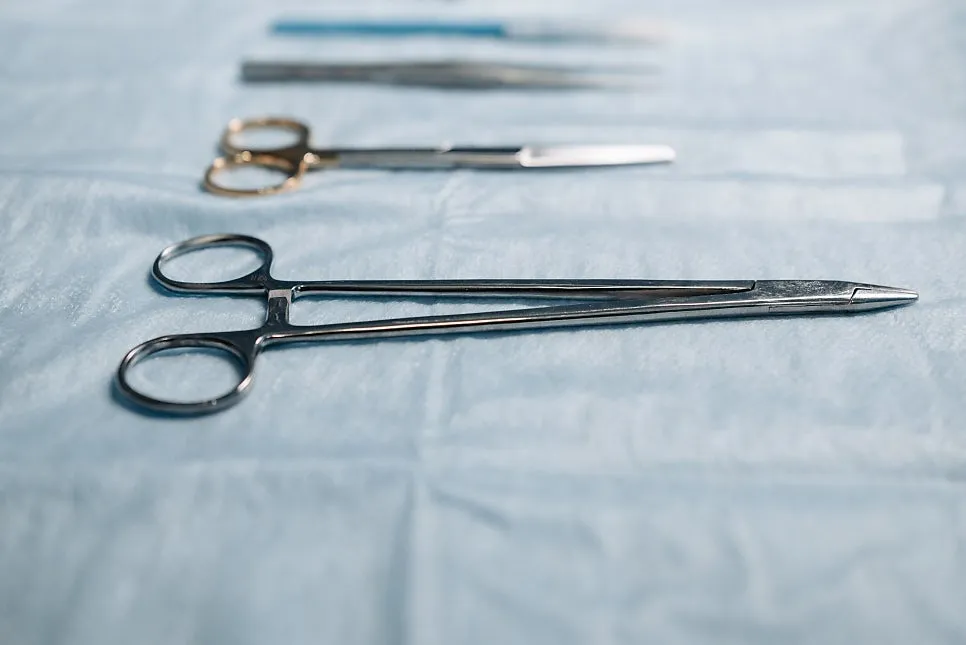
Next, the non-incisional method uses a cylindrical punch to cut out the necessary follicles one at a time from the surrounding supporting tissue. Because the circular scars, each less than 1 mm, are spread out, they are not easily noticeable. Since only the follicles are extracted and the surrounding tissue is preserved, it is relatively far less invasive.
However, when the total area of all the scars is added together, the non-incisional method can actually be larger. So to obtain as many follicles as possible with the fewest punch passes, multi-follicular units are prioritized.
Regarding pain, it is commonly said that the non-incisional method does not hurt much. Compared with the incisional method, the average pain is lower, but as the harvest volume increases, neuralgia may accompany it depending on the case, and it can take from several weeks to several months for the abnormal sensation at the back of the head to disappear.
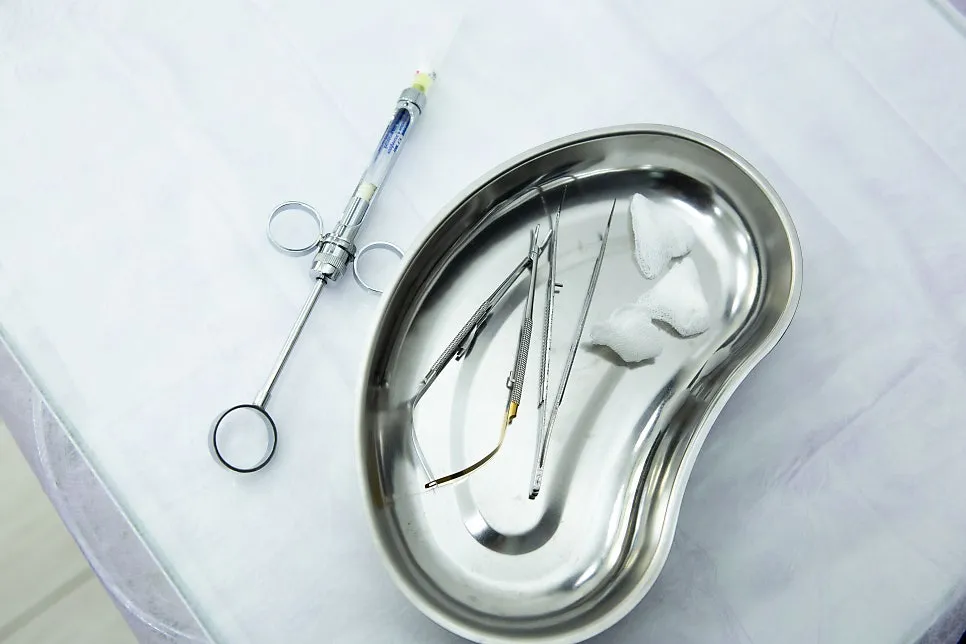
Cases where the non-incisional method cannot be applied
Cases where the non-incisional method cannot be applied are relatively few. A common case is when non-incisional surgery has already been performed several times, so repeating non-incisional surgery is not recommended. Repeatedly harvesting too heavily from the same area can cause old and new scars to meet, which makes the hair density at the back of the head noticeably lower.
In such cases, either surgery with the incisional method within the safe donor area is performed to prevent further loss of density, or suitable hair is harvested from the sides or from above and below the existing harvest site, avoiding it. However, for the latter, it must be kept in mind that the harvest site is likely to fall outside the safe donor area.
Next, there are cases where the back of the head is already flat and there is already a concern, and the harvest must include an area that could reduce the volume at the back of the head even further. In such cases, harvesting with the incisional method from the lower part of the back of the head allows the harvest to be done without making the back of the head look flatter after surgery.
Harvesting method optimized for each person
In short, neither of the two harvesting methods is unconditionally superior. The optimal harvesting method for each person varies depending on scalp elasticity, the number of follicles needed, the progression of hair loss, and the characteristics of the transplant area.