By Dr. Shin Seungkyu · 2026.05.20
Will Hair Take Well on Scars?
In cases where there is a scar from surgery at the boundary between the scalp and forehead, such as a forehead reduction or forehead lift, or a noticeable scar from a scalp injury, hair transplant can be a good solution for covering the scar. So people considering a scar transplant often wonder whether hair really takes well on scars.
I will explain the scar engraftment rate using the example of a patient who received both a forehead reduction and a hair transplant from me.
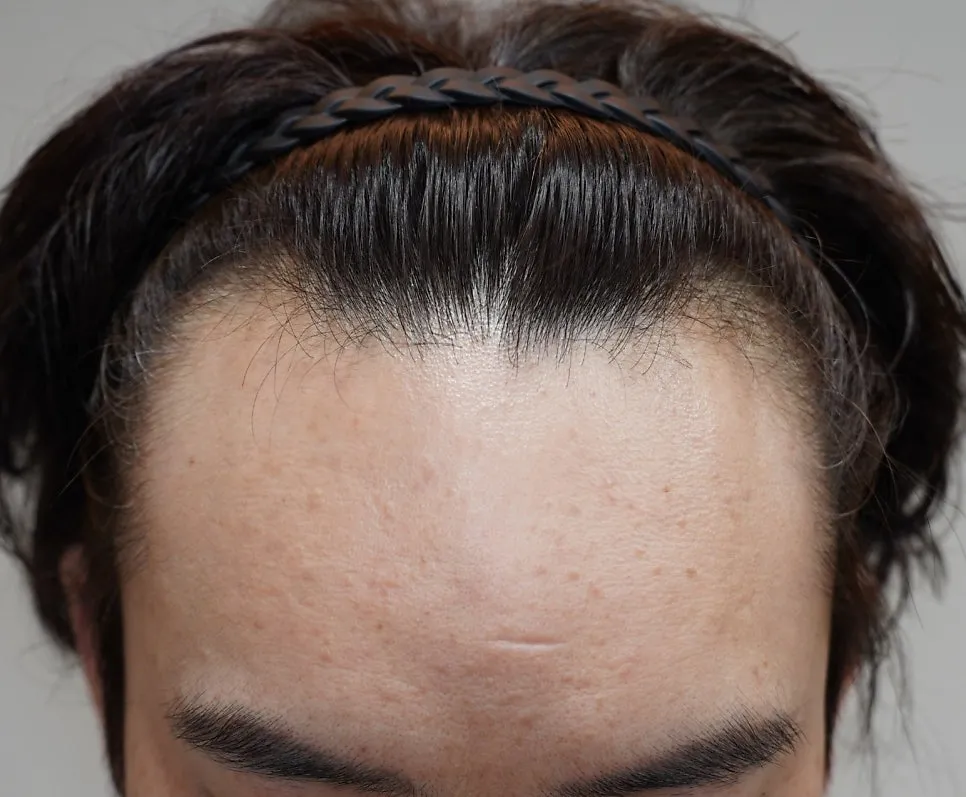
Forehead Reduction First, Hair Transplant Afterward
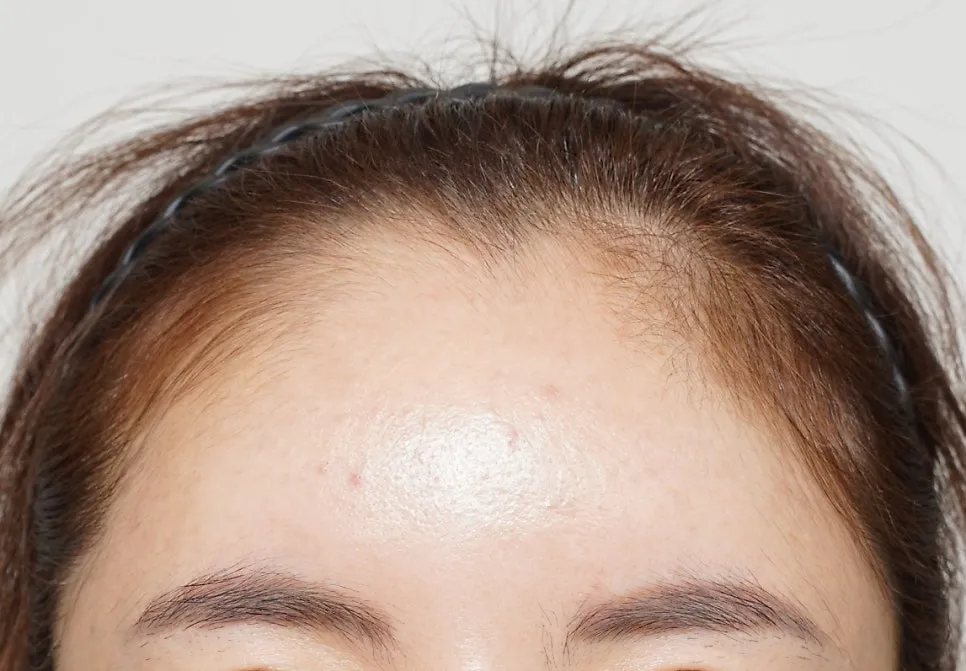
This patient came in with concerns about a wide forehead. Because the forehead height was very tall in proportion, we recommended a staged procedure: a forehead reduction first, then a hair transplant afterward to refine the line. The patient wanted to lower it as much as the scalp would allow, so we lowered it by about 2.0 to 2.5 cm.
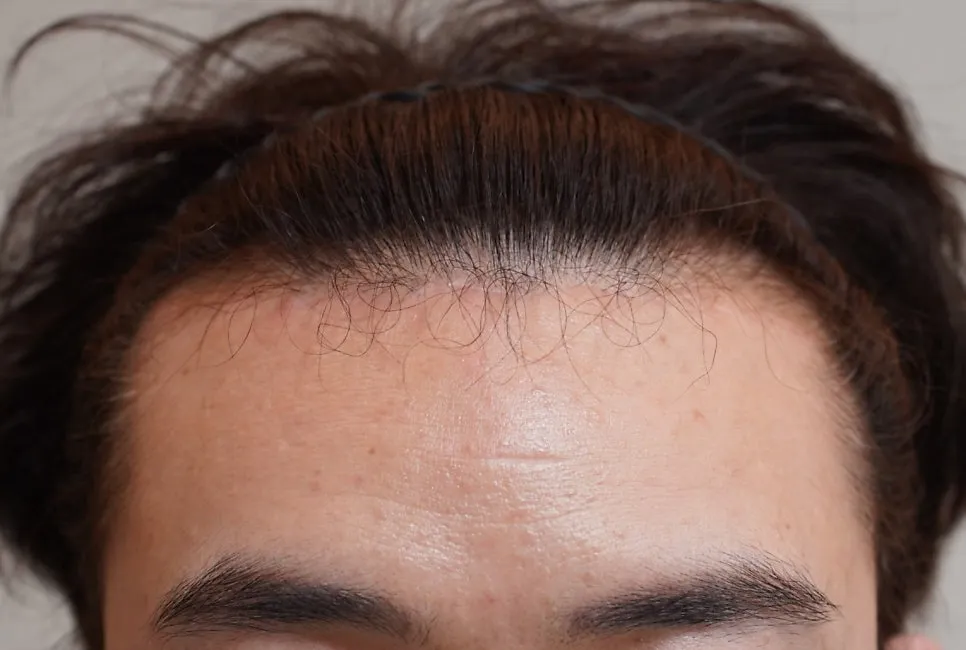
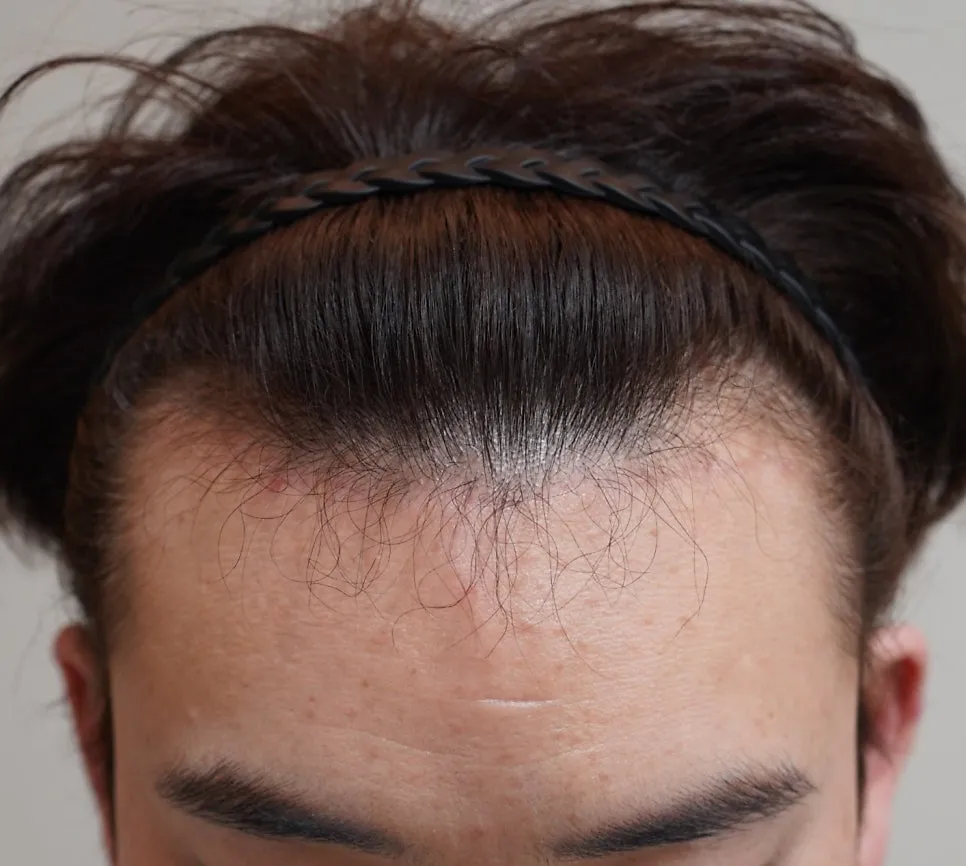
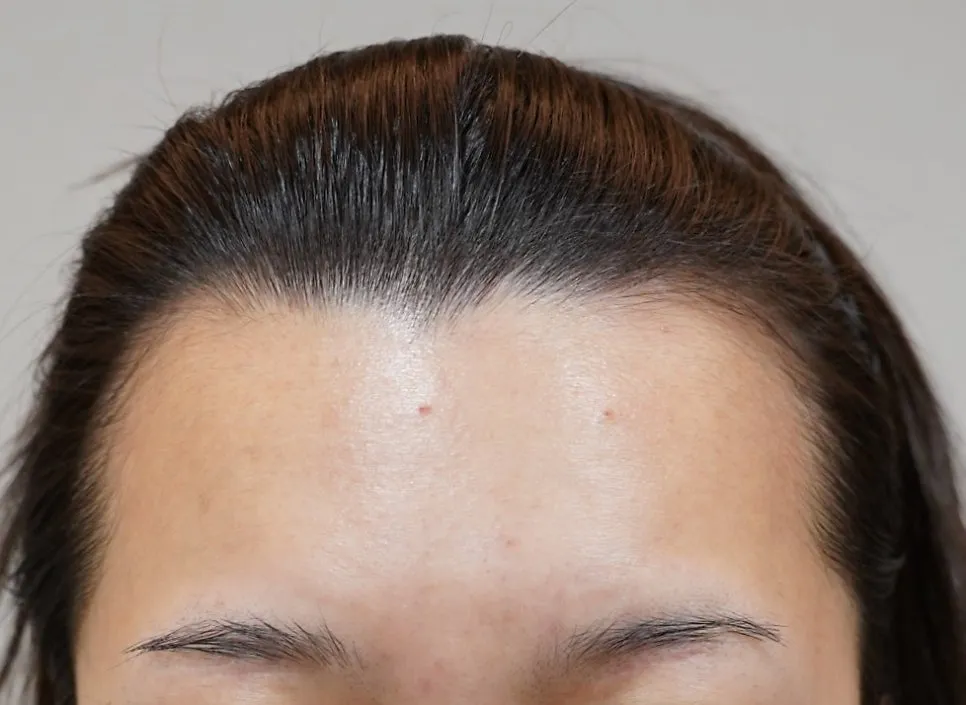
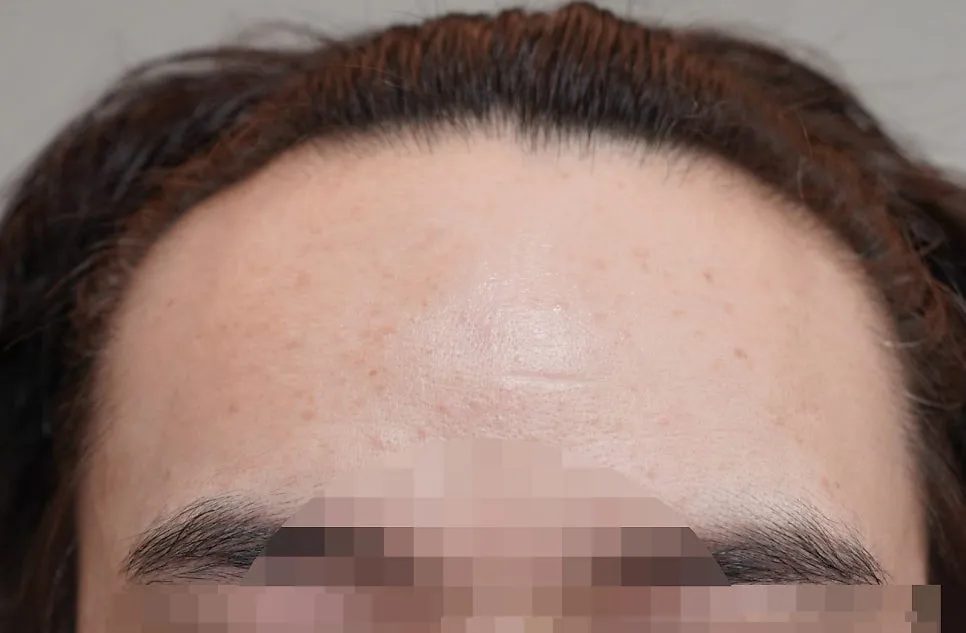
This is how it looked about 7 months after the forehead reduction. The lowered height and the scar were not very noticeable, and the patient was satisfied. However, they wanted the slightly angular part filled in, and also wanted the scar area transplanted.
Hair Transplant Including the Scar Area
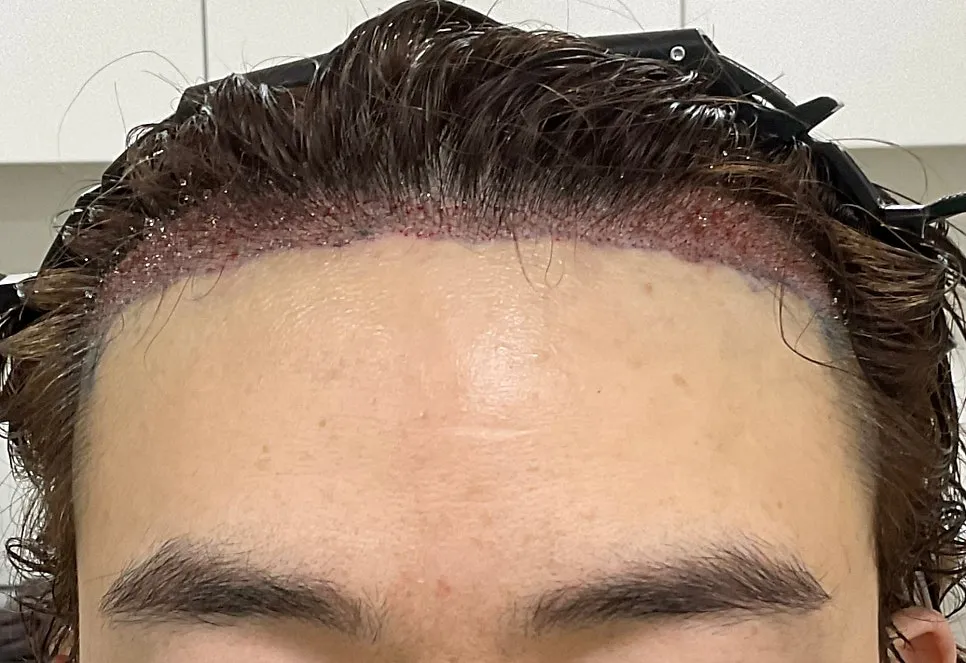
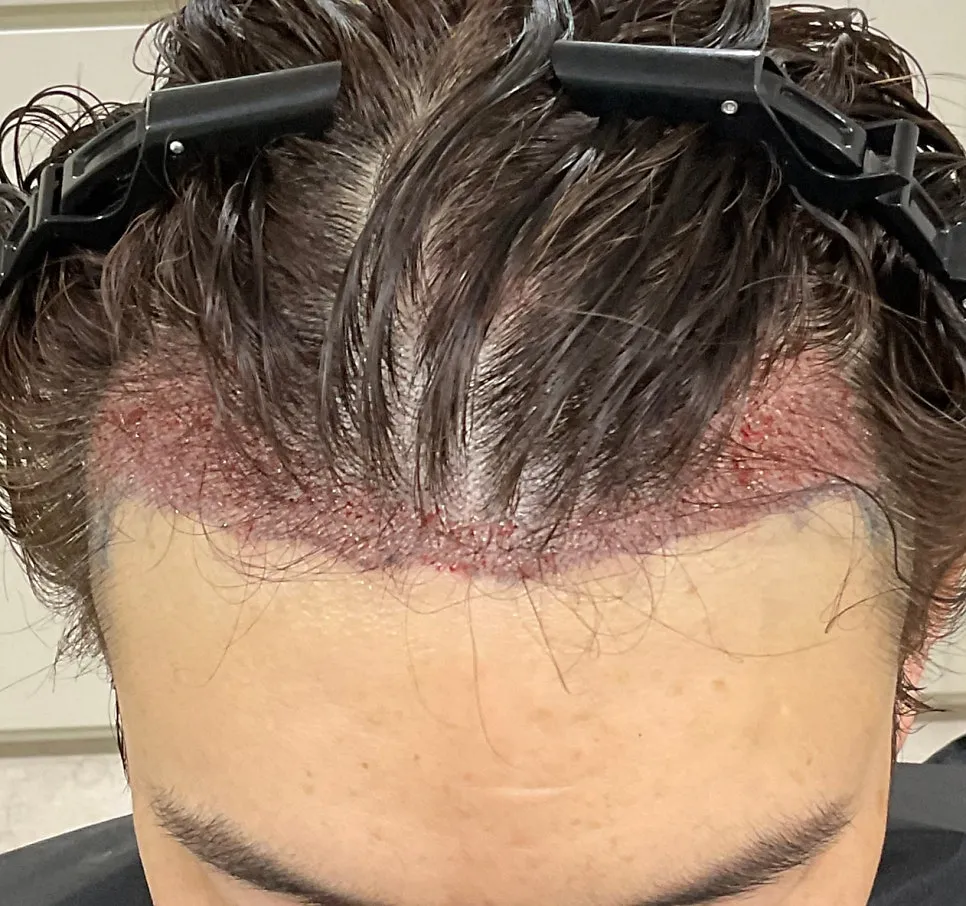
We harvested the hairs with the non-incisional method and transplanted them, including the scar area and the angular area.
400 Days After Hair Transplant
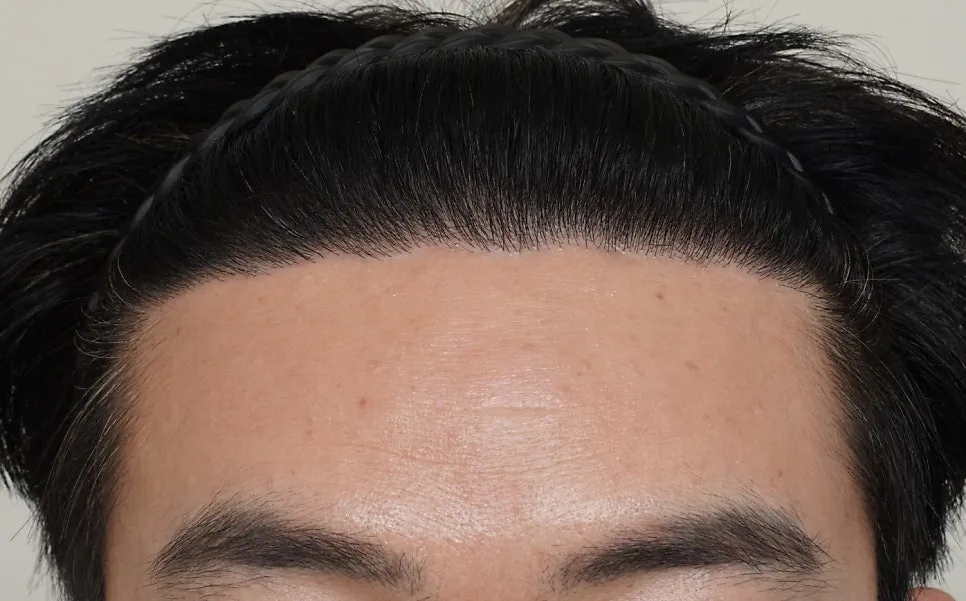
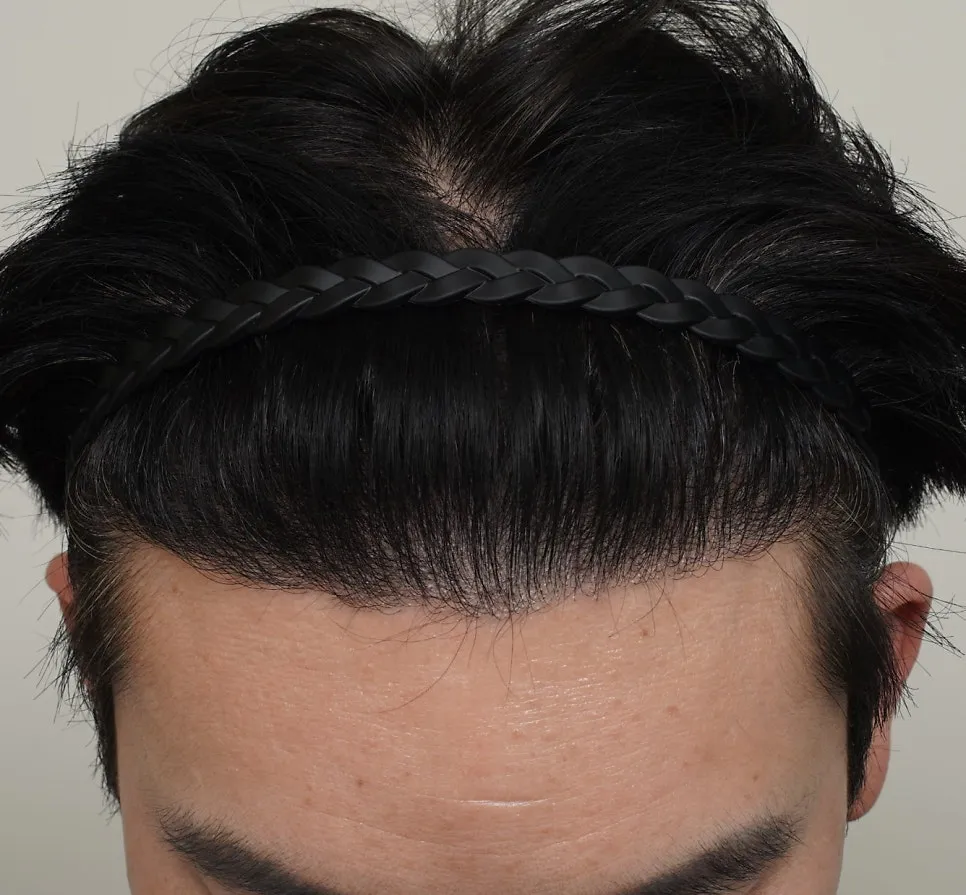
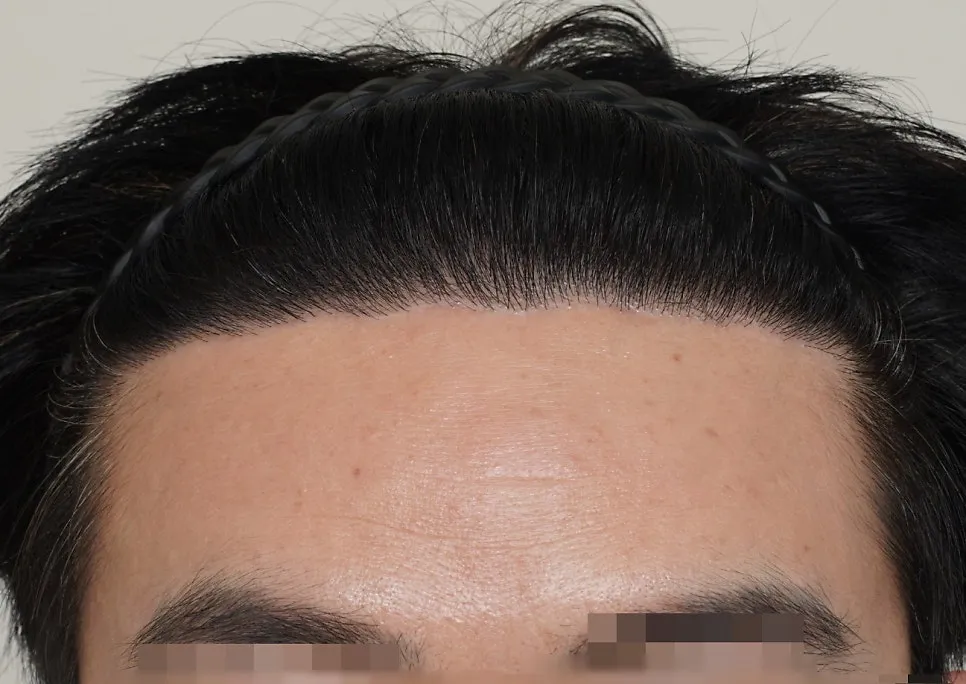
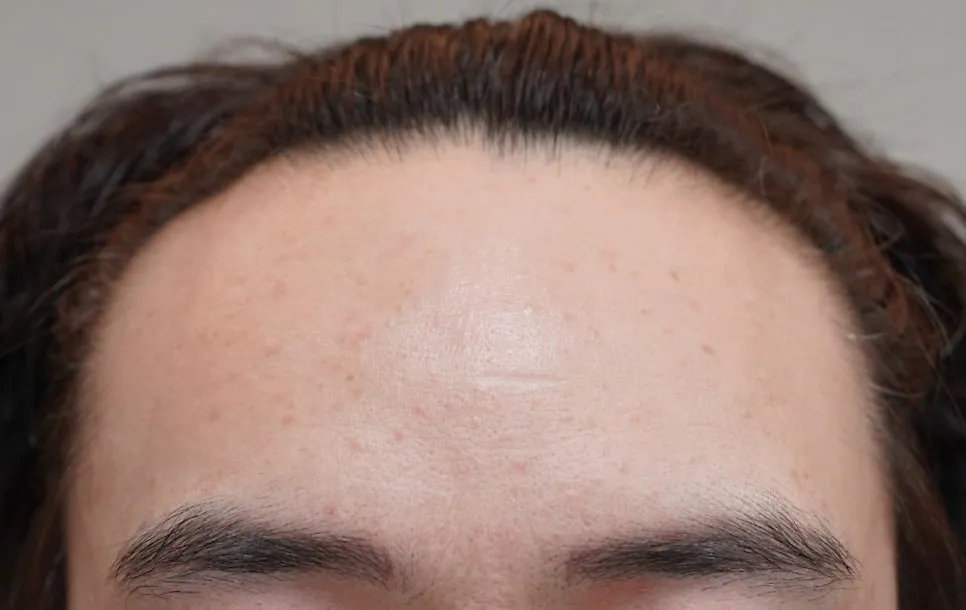
About 400 days after the hair transplant, the patient came in for a visit. The hair transplant also looked natural with good density, and the patient was satisfied. You can see that the hair transplanted into the forehead reduction scar area has also taken root well.
Hair transplant is a good way to cover scars on the scalp, and I explained that hair also takes root well in scar areas.
※ Side effects such as swelling, pain, bleeding, inflammation, and scarring may occur after hair transplant surgery.
※ All photos on this blog are used with the patient's consent.