By Dr. Shin Seungkyu · 2026.04.22
Hair Counts Differ Between Clinics
I think one of the things you are most curious about when going around for consultations is how many hairs you need. When you visit several clinics, the hair counts differ a lot between them, so many people get confused about which number is accurate.
Designs and calculation methods can vary among clinics. In my case, I design the hairline, calculate the empty area, and then multiply it by the number of hairs required per unit area to measure the hair count.
However, even for the same person, the hair count can differ greatly depending on the design. In particular, the more the height is lowered, the more hairs are needed. Let me explain the reason.
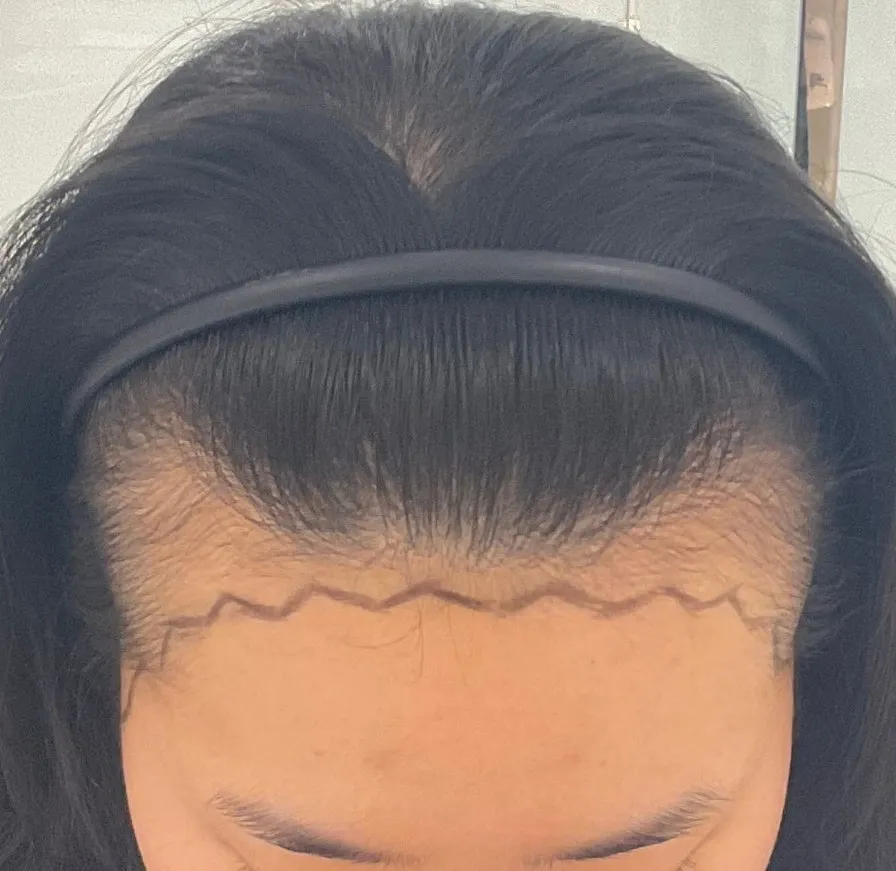
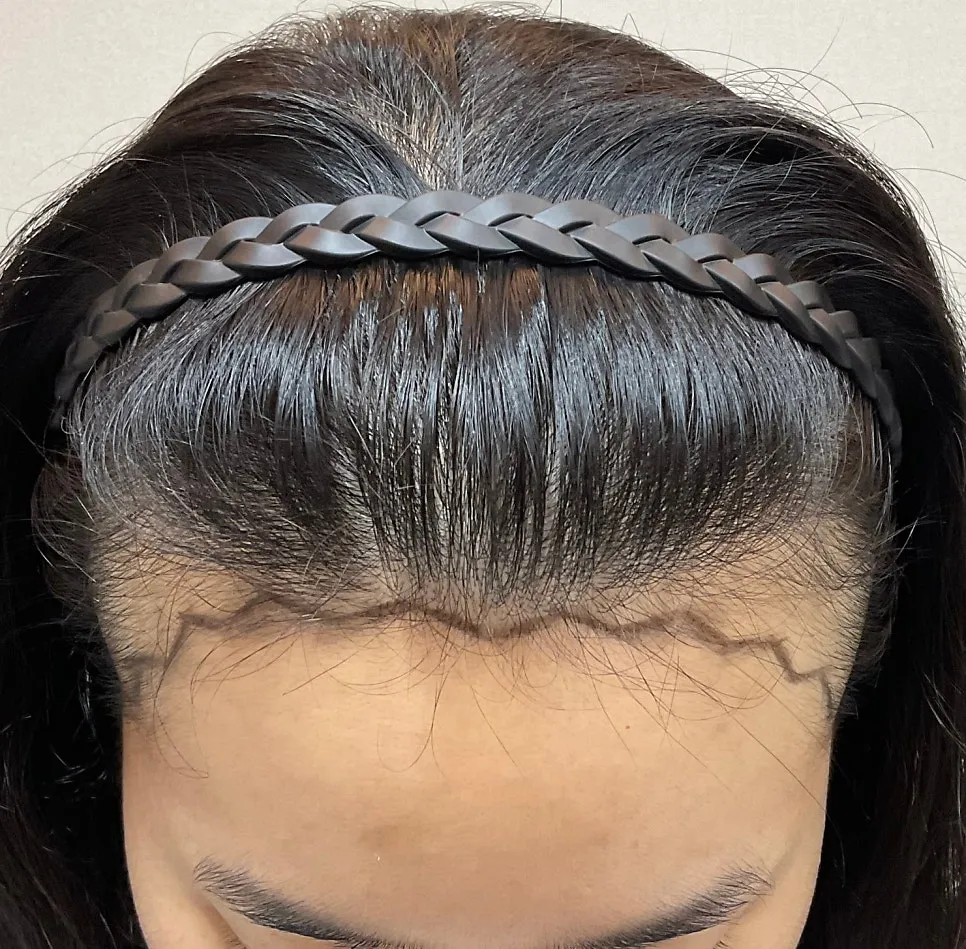
Hair Count Changes Depending on the Design
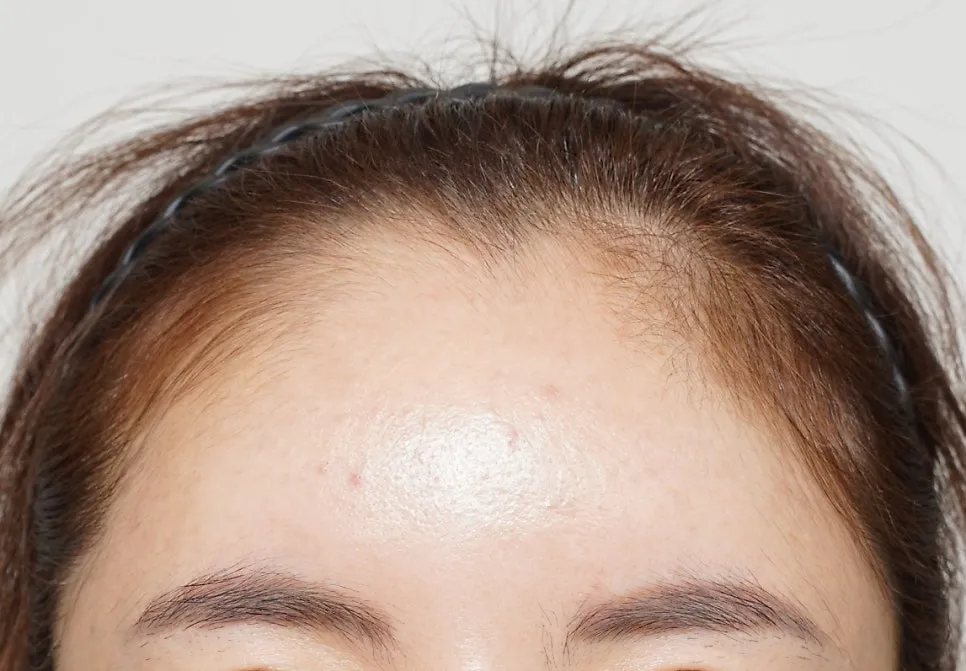
The patient in the photo came in with concerns about an angular forehead. At first, they were also concerned about the height, so we designed it as shown in the left photo, and I told them about 2,700 hairs would be needed.
After giving it some thought, the patient's biggest concern was the angular forehead, and they worried that lowering the height would make the lower face look more prominent, so they wanted only the angular parts transplanted. So we designed it as shown on the right, and I told them about 2,000 hairs would be needed.
Why the Hair Count Increases as the Height Is Lowered
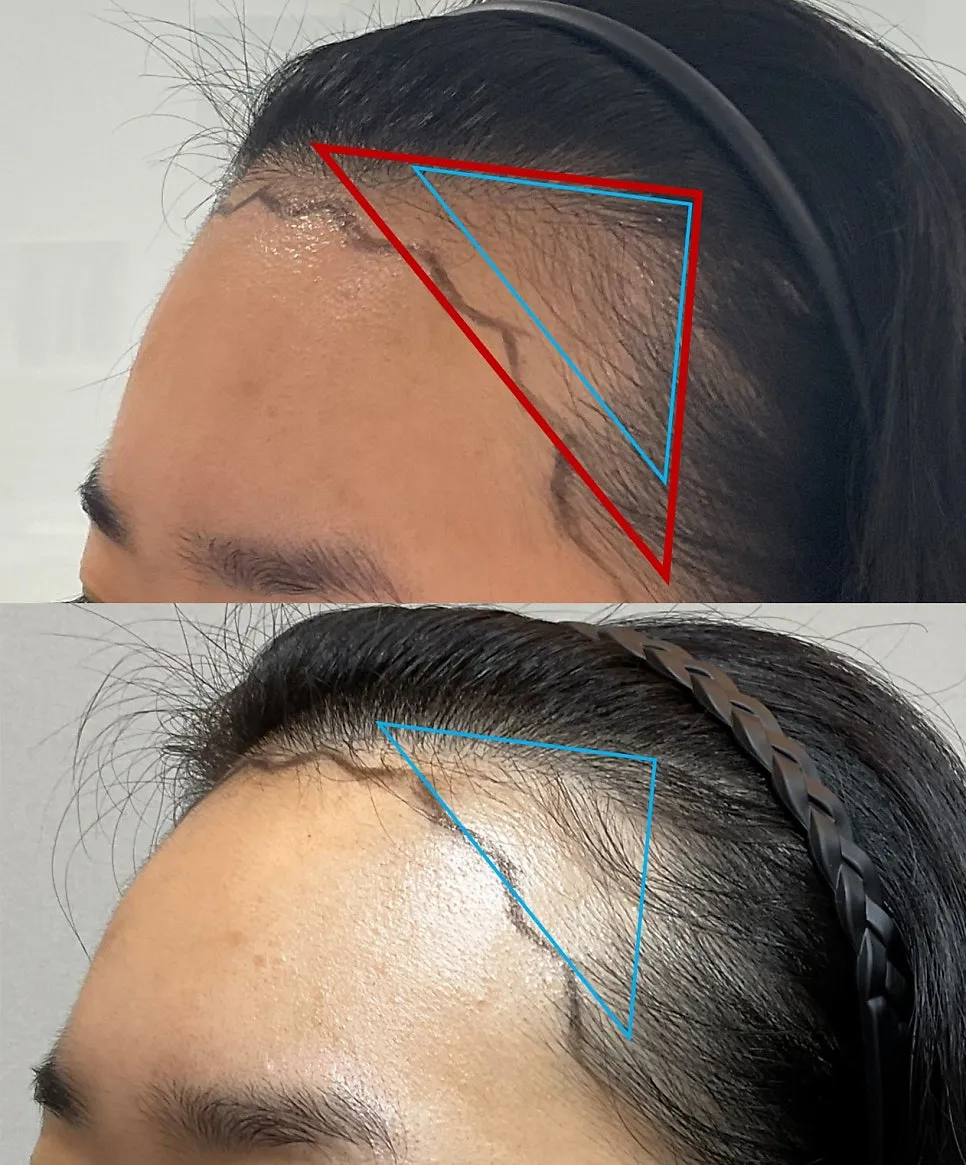
The reason for this difference in hair count is that, in the case with the lower height, the red triangle is larger than the blue triangle in both base length and height. So even lowering the height just a little more increases the hair count considerably.
One Year Later: Filled Mainly in the Angular Areas
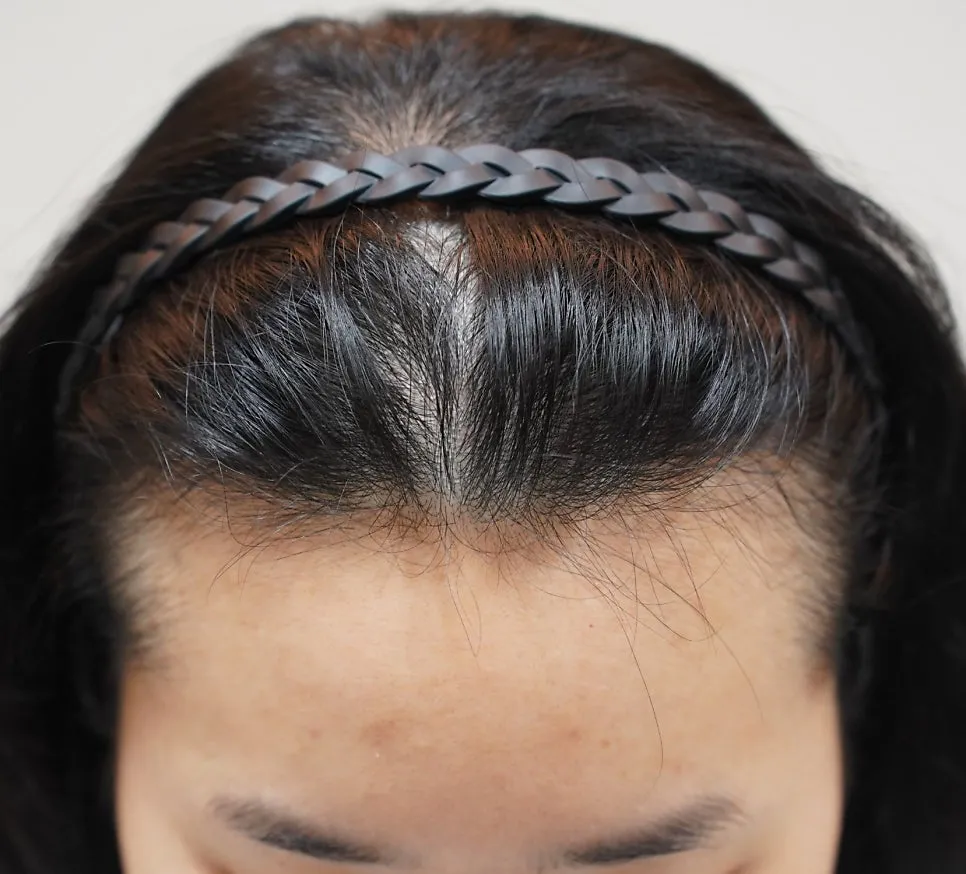
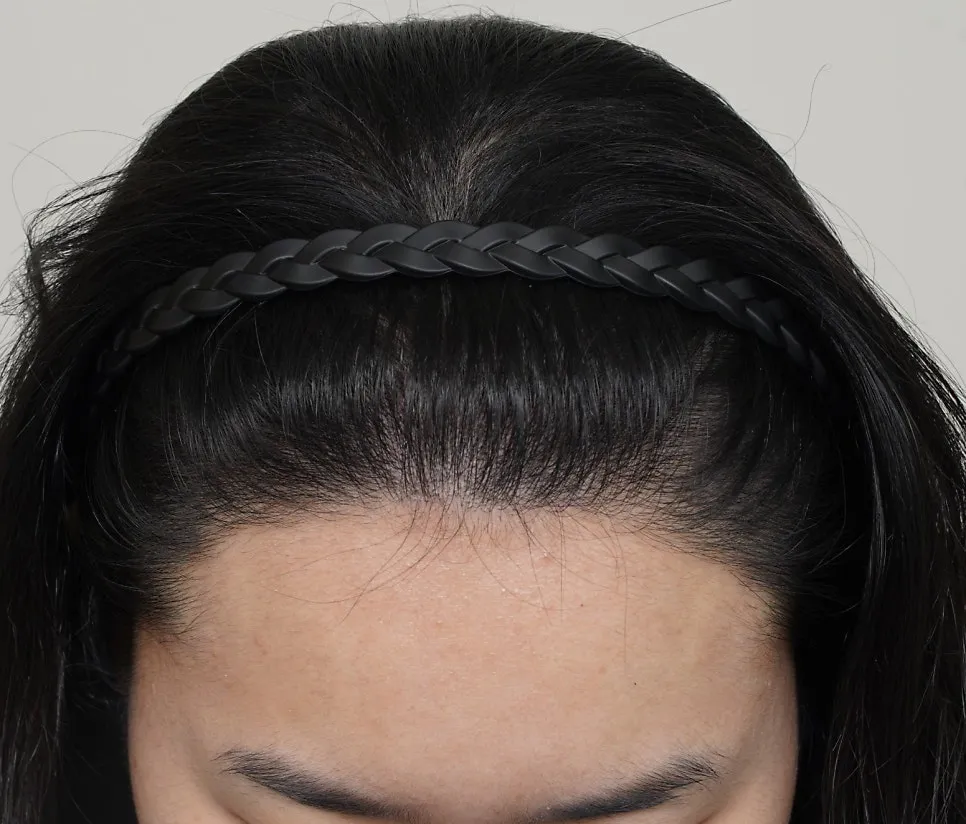
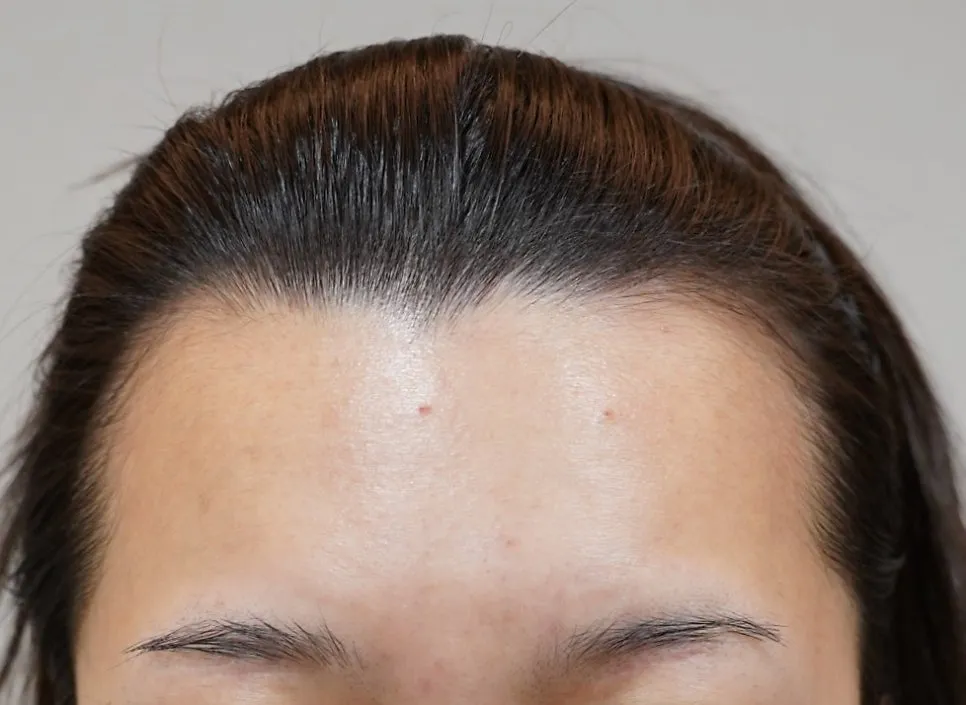
So this patient had a hair transplant focused on the angular parts, and came back a little over one year later. They were satisfied with the natural hairline and the full density.
※ Side effects such as pain, infection, bleeding, and swelling may occur after a hair transplant.
※ All photos on this blog are used with the patient's consent.