
By Dr. Kim Narae · 2026.04.09
Something More Important Than the Golden Ratio
Many people consider a hair transplant in order to lower their forehead to an ideal ratio suited to their face. And what we commonly call the ideal forehead height keeps changing with the flow of the times, trends, and the celebrities the public admires at the time.
In the past, a 1:1:1 ratio was considered the standard, but recently a 0.8~0.9:1:1 ratio that looks younger is preferred, or for women a lower forehead of around 5 cm; some also adjust the balance according to the length of the lower face. However, there is something more important than the golden ratio.
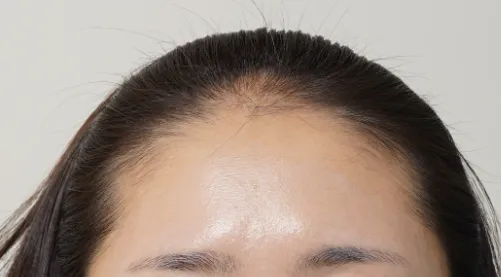
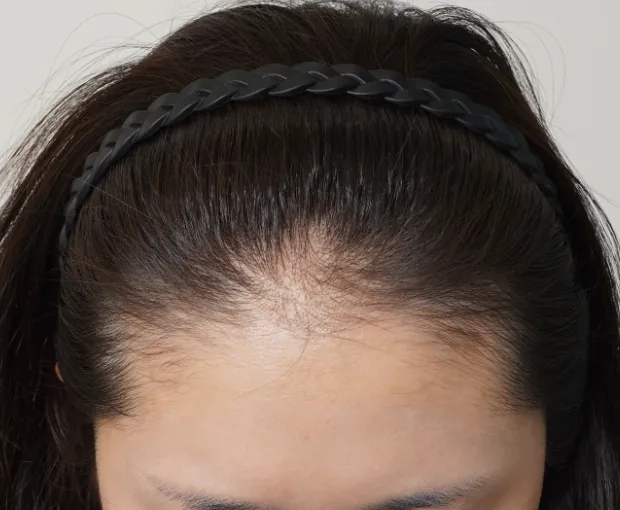
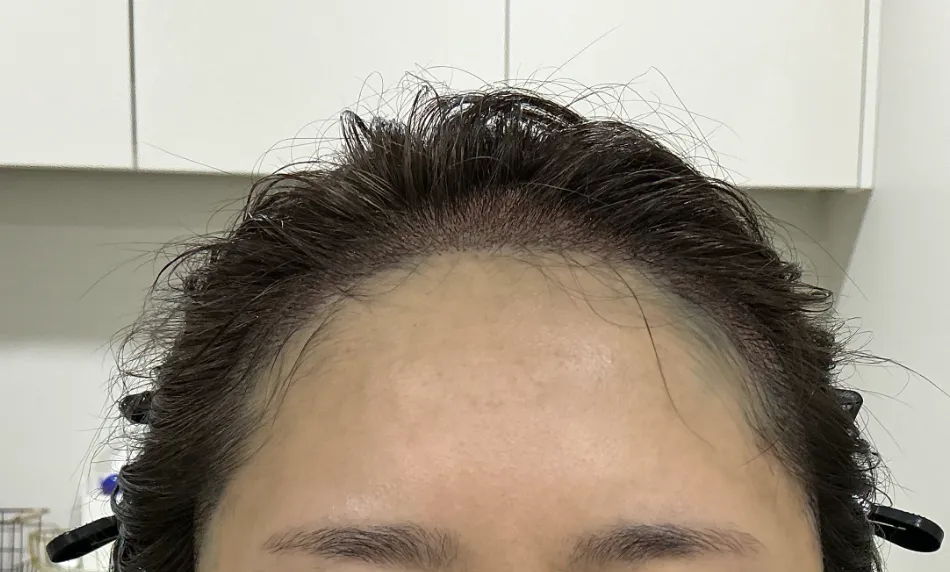
Not Only Vertical But Also Horizontal Proportions
What is more important than the golden ratio is that, to achieve the small, slender face that many people want, one must carefully consider not only the vertical proportions of the face but also the horizontal proportions. Especially for East Asian faces, side margins are often visible even from the front, so if you simply lower the forehead height to follow trends, the face may look wider at the sides, and the cheekbones that once looked attractive may stand out, which can ultimately break the overall balance.
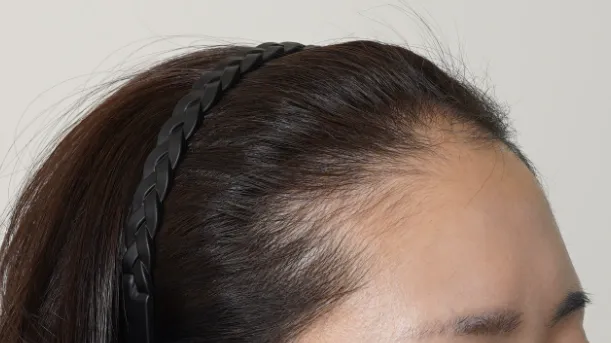
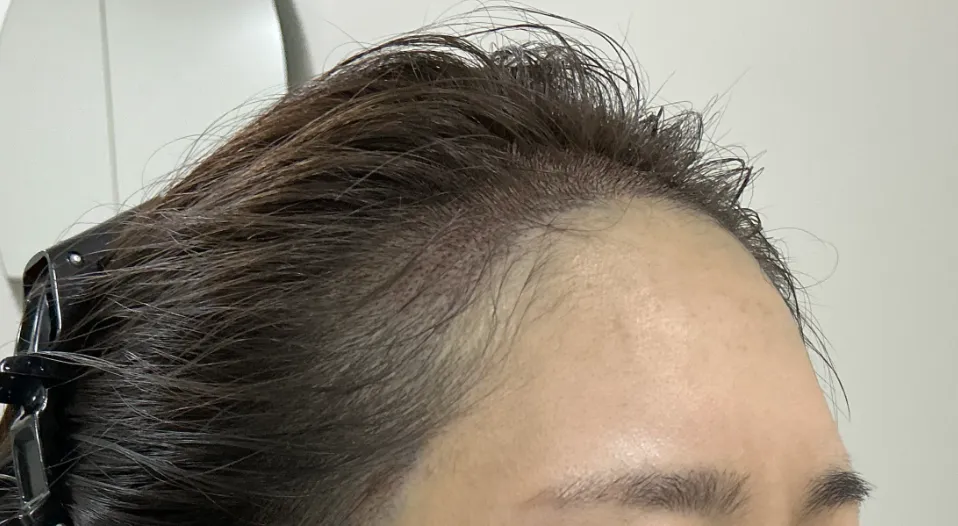
In such cases, tidying up the irregular hairline and improving the side margins as the forehead height is lowered can lead to a satisfying result.
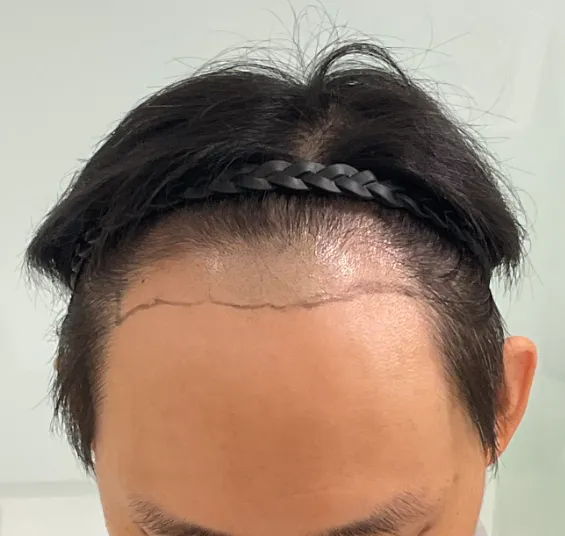
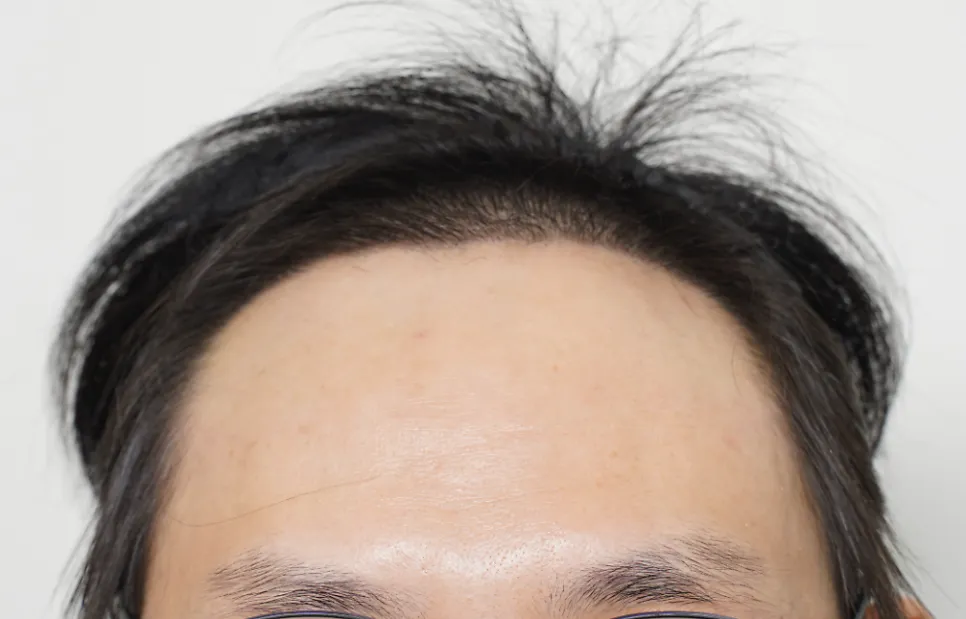
Cases with a Small Lower Face and Occipital Donor Supply
Also, for people with a very small lower face, the absolute area of the forehead is not large, yet the forehead often looks relatively wider and more prominent. In such cases, rather than simply lowering the forehead to match facial proportions, a process is needed to find the right balance between the improvement the patient wants and the number of follicles that can be healthily harvested from the occipital area without overreaching.
Many variables must also be considered. To mention just a few, if crown hair loss has already progressed considerably at a young age, the occipital resources should be conserved with the possibility of future additional transplants in mind; and when the crown whorl is located unusually low, careful attention is needed in the design and density planning.
Ultimately, a hair transplant is not limited to correcting the forehead line visible now; it is important to consider both the patient's current hair loss progression and future changes in order to find the most reasonable and natural meeting point.
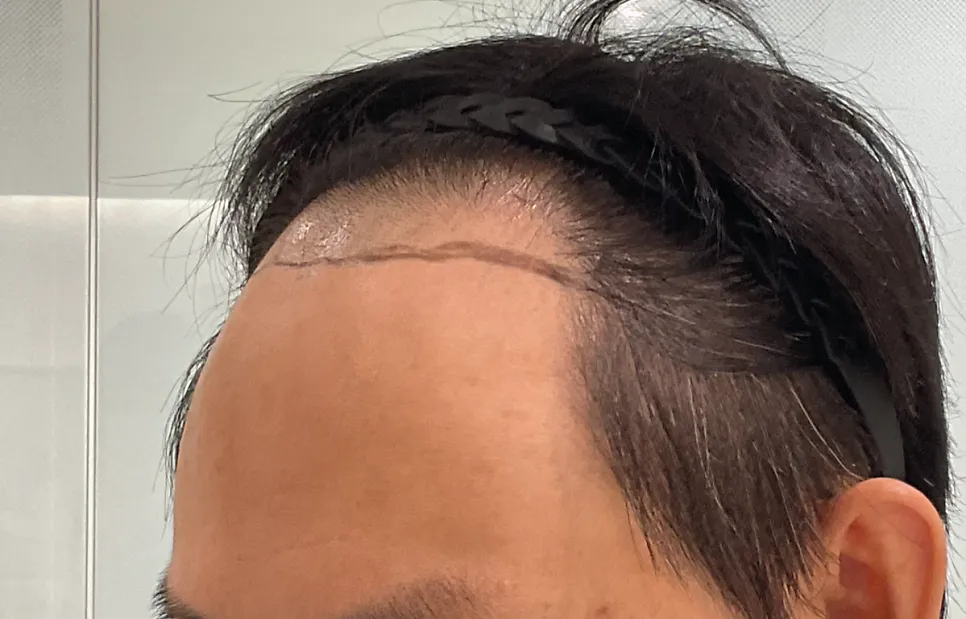
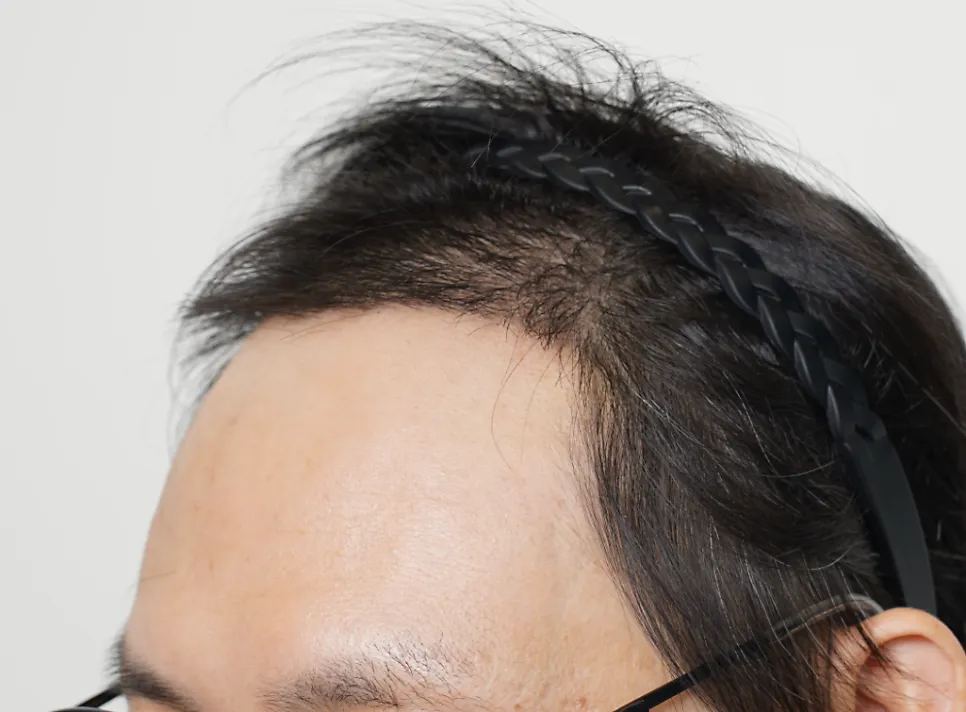
When More Than 4,000 Hairs Are Needed: Combining Incisional and Non-Incisional Methods
In women's hairline correction, when the forehead is high and the M-shaped area is also deep, situations requiring more than 4,000 hairs often arise. In such cases, if harvesting is done only with the non-incisional method, one must harvest from a wider range of the occipital area to obtain the necessary hair count, and there is a risk that the volume at the back of the head will noticeably decrease.
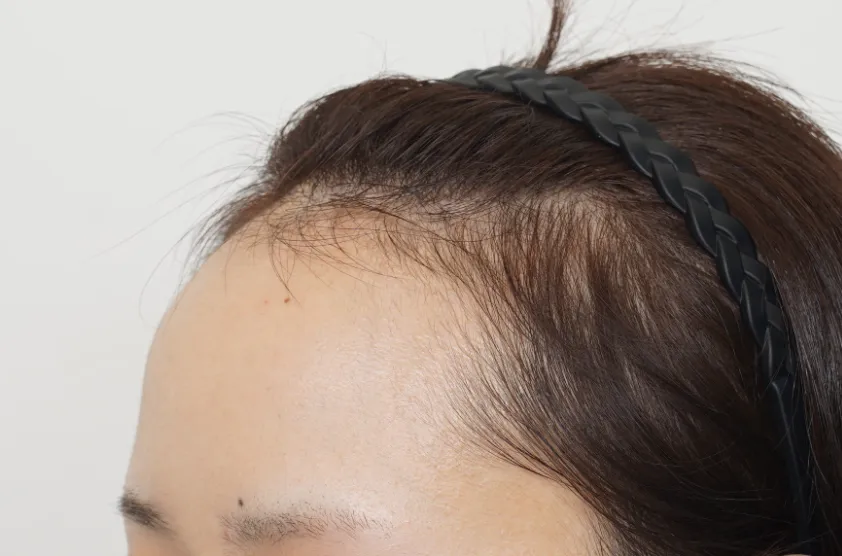
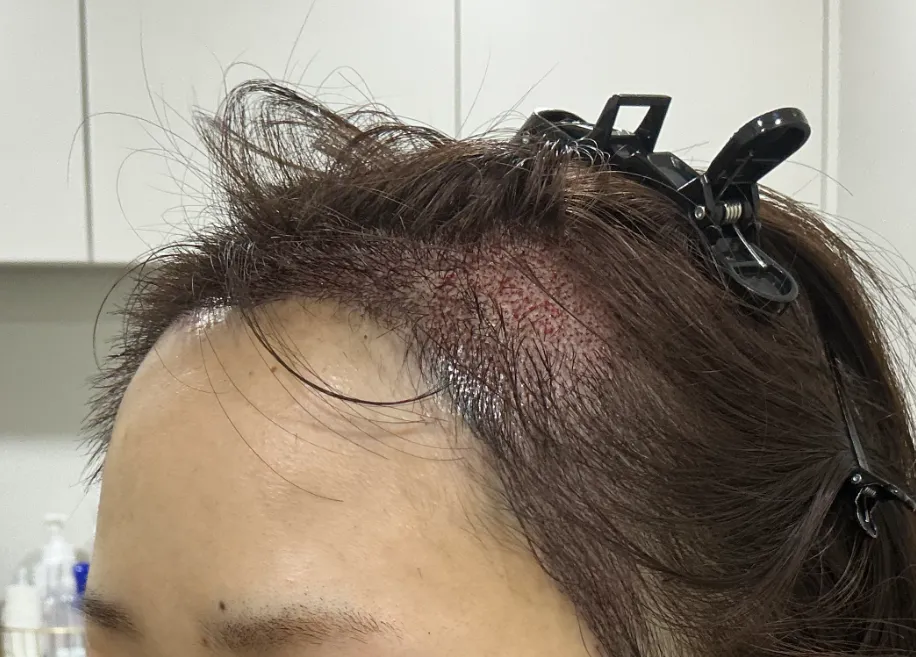
In these cases, a combined approach using the incisional and non-incisional methods can be helpful. First, healthy hair is secured as much as possible with the incisional method, and only the shortfall beyond that range is harvested in small amounts with the non-incisional method.
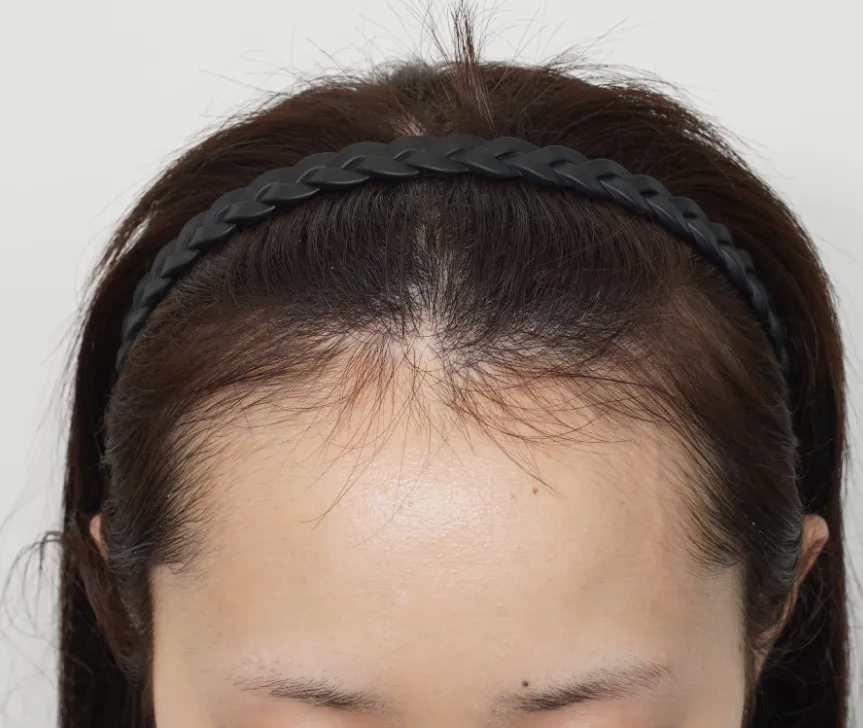
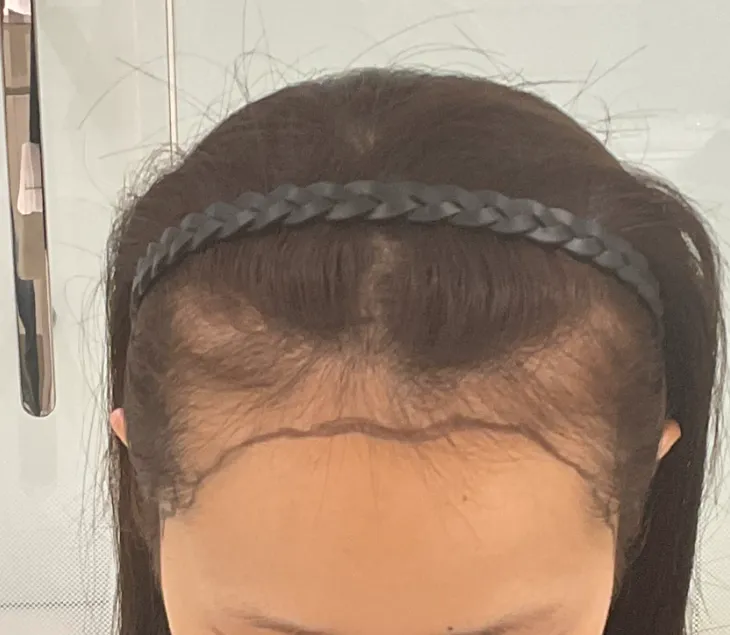
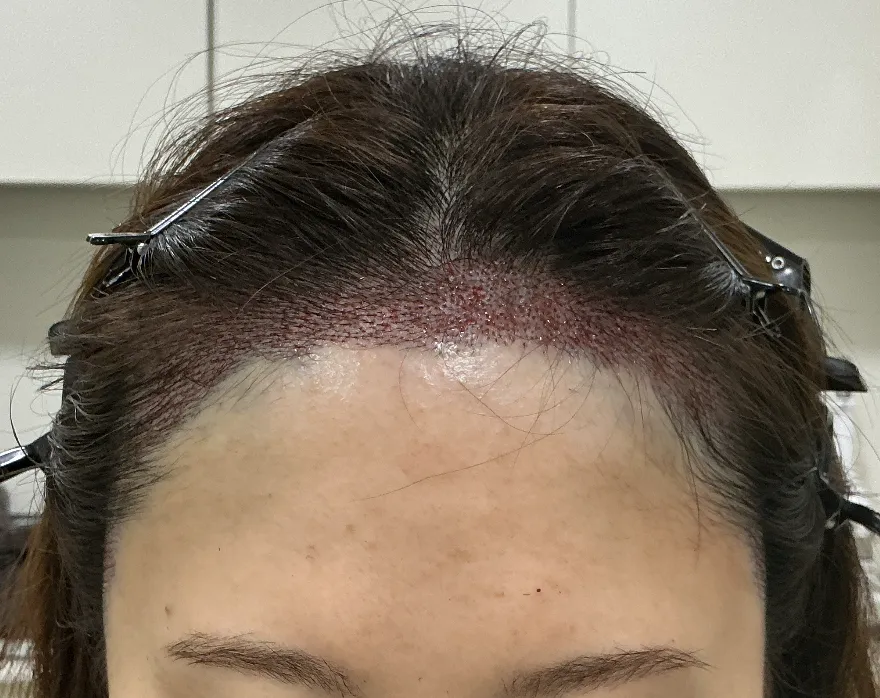
Proceeding this way, the forehead height can be sufficiently lowered to match facial proportions, while effectively preventing the density of the entire occipital area from decreasing, which would make the back of the head look flat or thin. It can be said to be a process of finding the best balance between aesthetic improvement and preservation of the donor area.
The Natural Ratio That Suits You Best
When discussing forehead proportions, I looked into what the golden ratio is. Rather than simply following trends or numbers, I believe that a harmonious design considering each person's face shape and future hair condition, and most importantly, finding the natural ratio that suits you best, is the starting point for a satisfying result.


