By Dr. Kim Narae · 2026.04.09
The Texture of Individual Concerns
Why get a hair transplant if the forehead isn't wide?
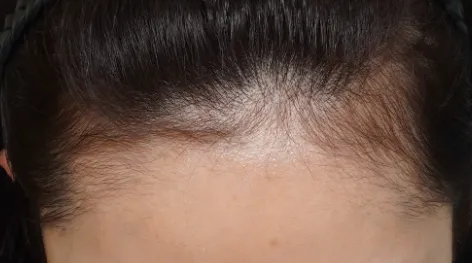
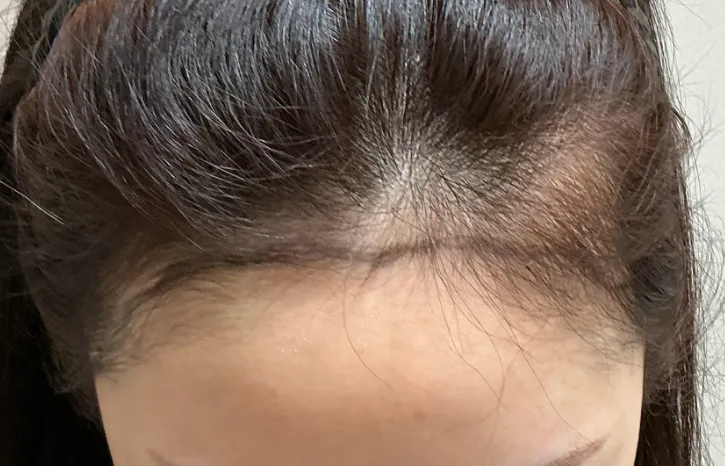
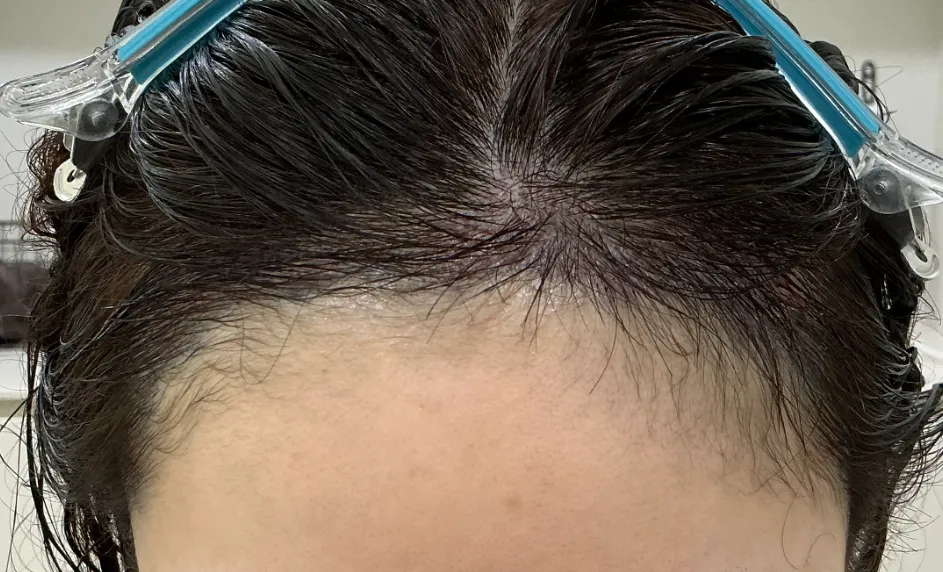
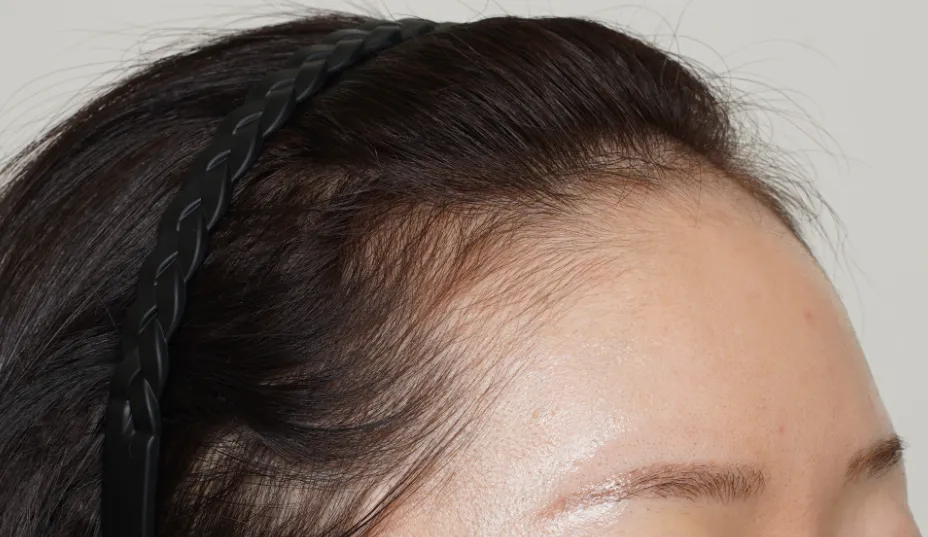
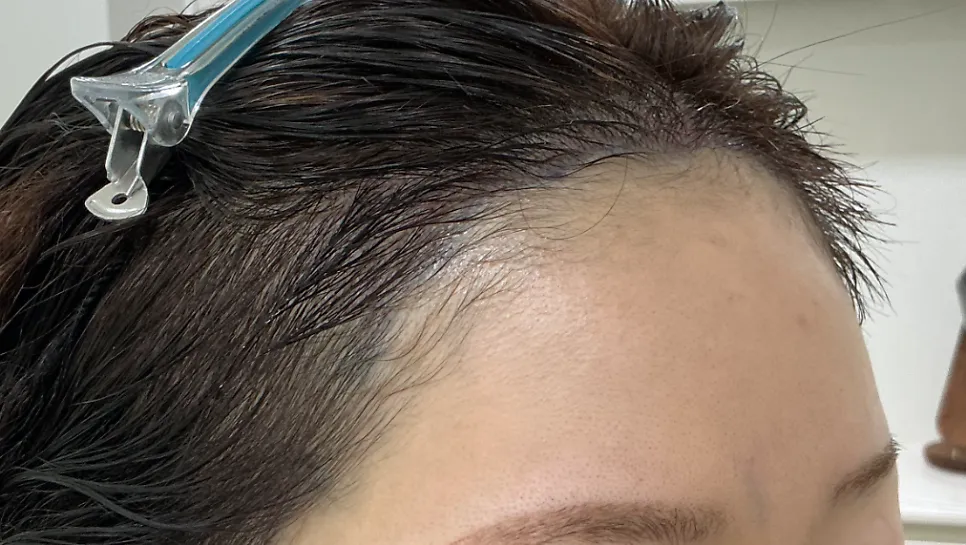
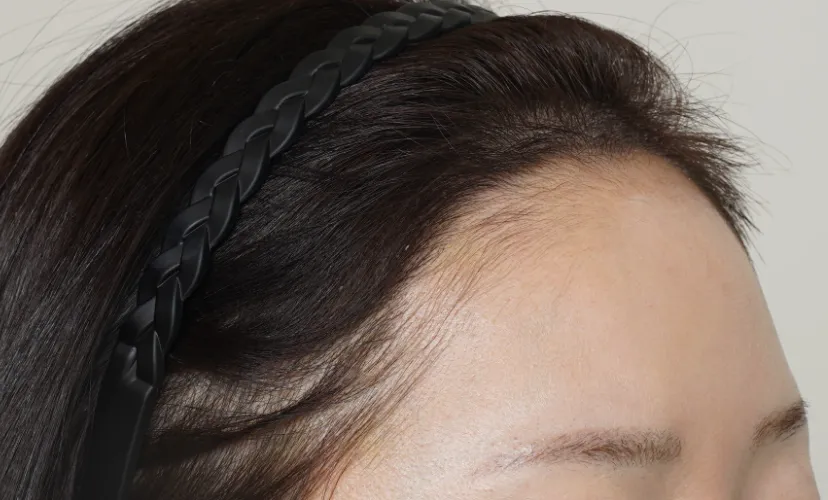
We often meet people at our consultation room who came despite their friends' advice against it. At first glance there may not seem to be a major problem, but the concerns each person feels are more varied than one might think.
Beyond simply reducing the area of the forehead, people come for reasons such as wanting a smaller-looking face, an irregular hairline, a hairline that looks too straight after hair removal, an asymmetrical hairline, wanting a samja (three-pointed) or heart-shaped hairline, wanting to get rid of the samja (three-pointed) hairline, wanting the forehead to match an ideal ratio with the midface and lower face, wide side margins that make the face look round, or wanting to turn an inverted-triangle face into an oval face, and so on.
The Effect Completed Only When Tied Back
And all these many concerns ultimately converge into a single conclusion.
Wanting to look good when tying hair back
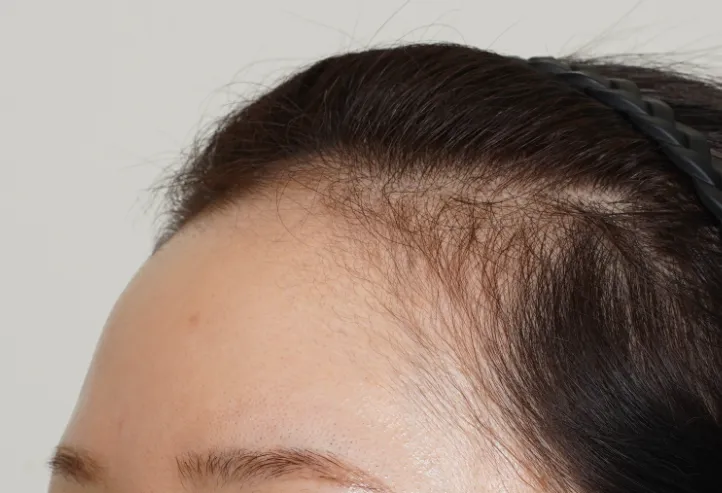
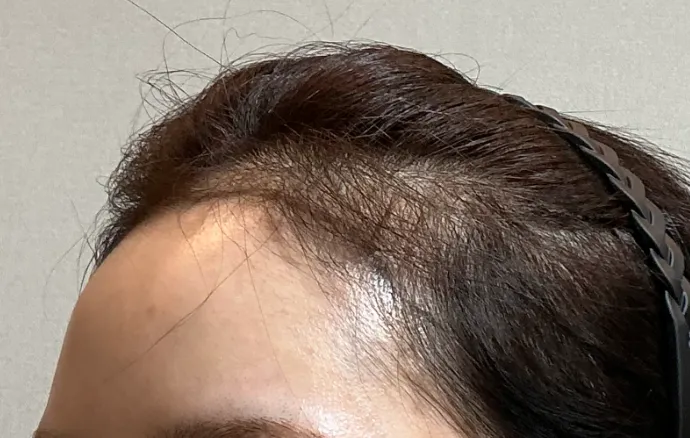
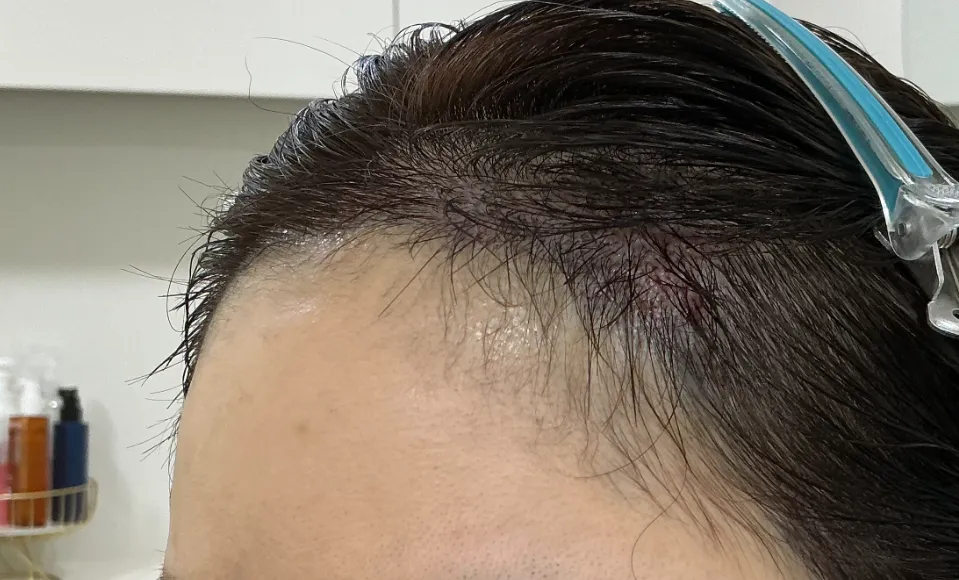
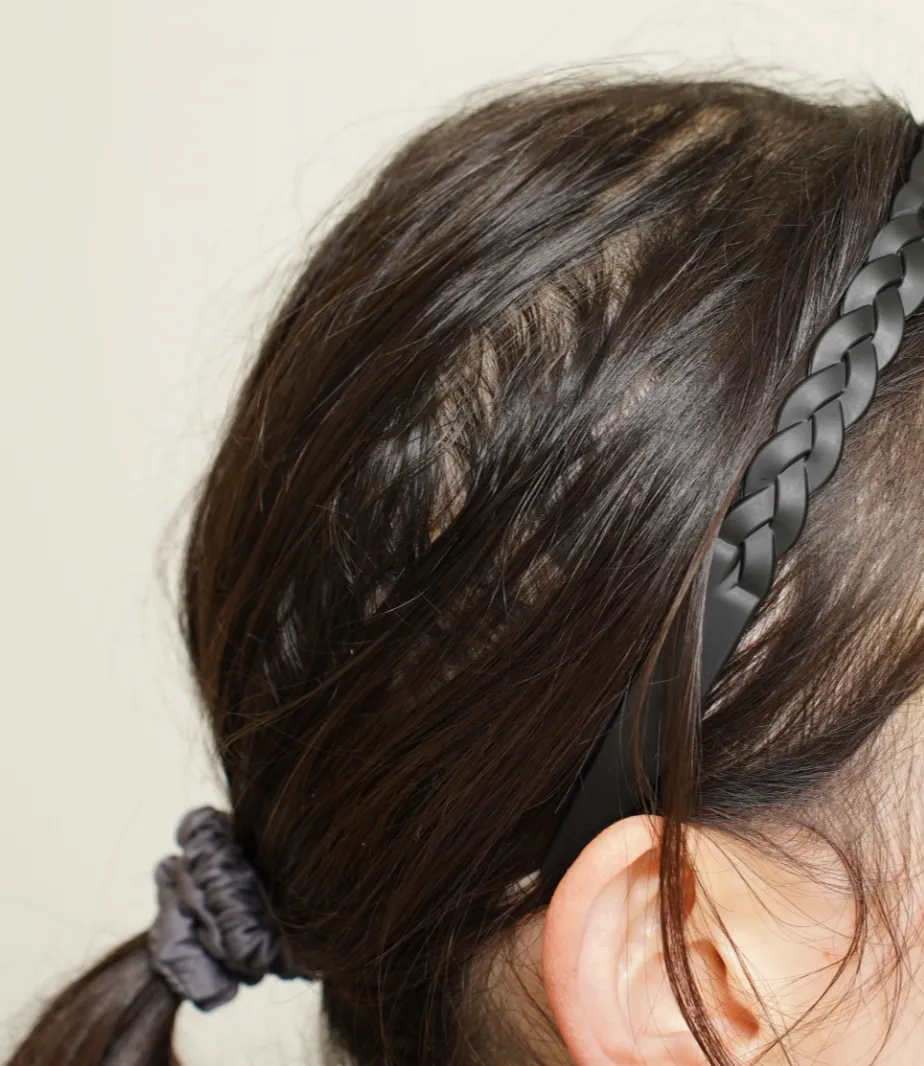
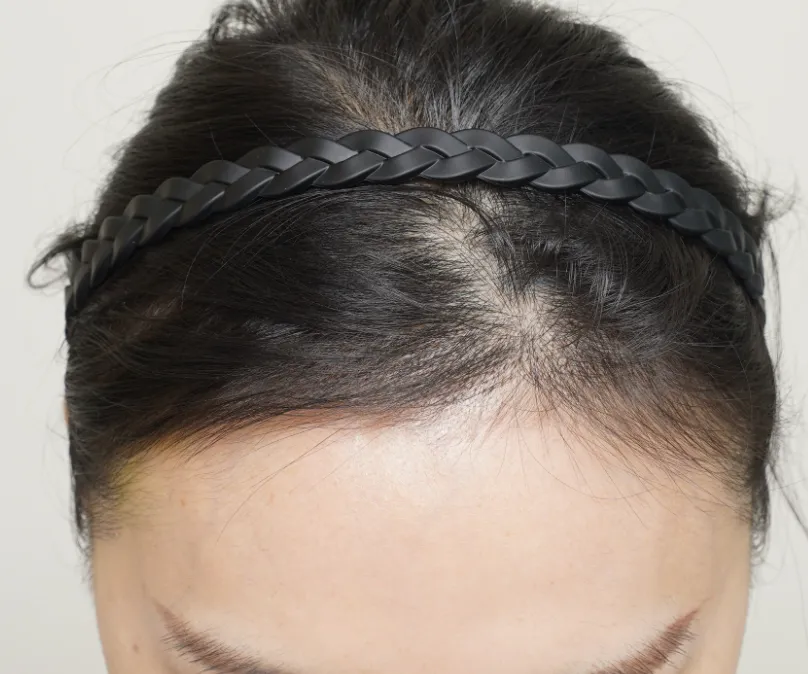
The effect of women's hairline correction is completed only when one can confidently tie the hair back without covering the forehead with bangs or side hair. Unfortunately, however, some people return to our clinic for revision surgery because the result looks unnatural and they still cannot tie their hair back.
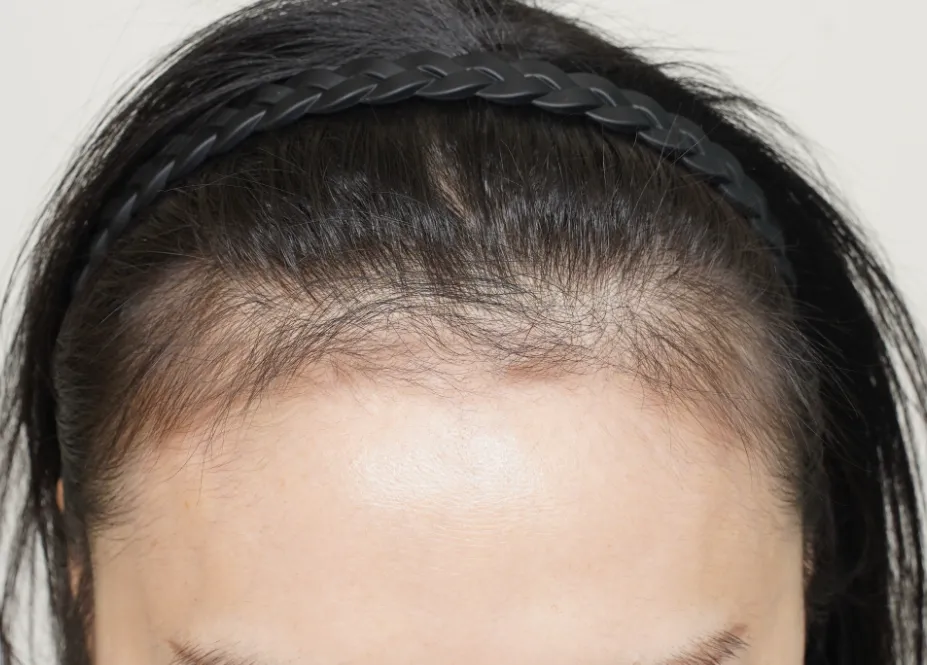
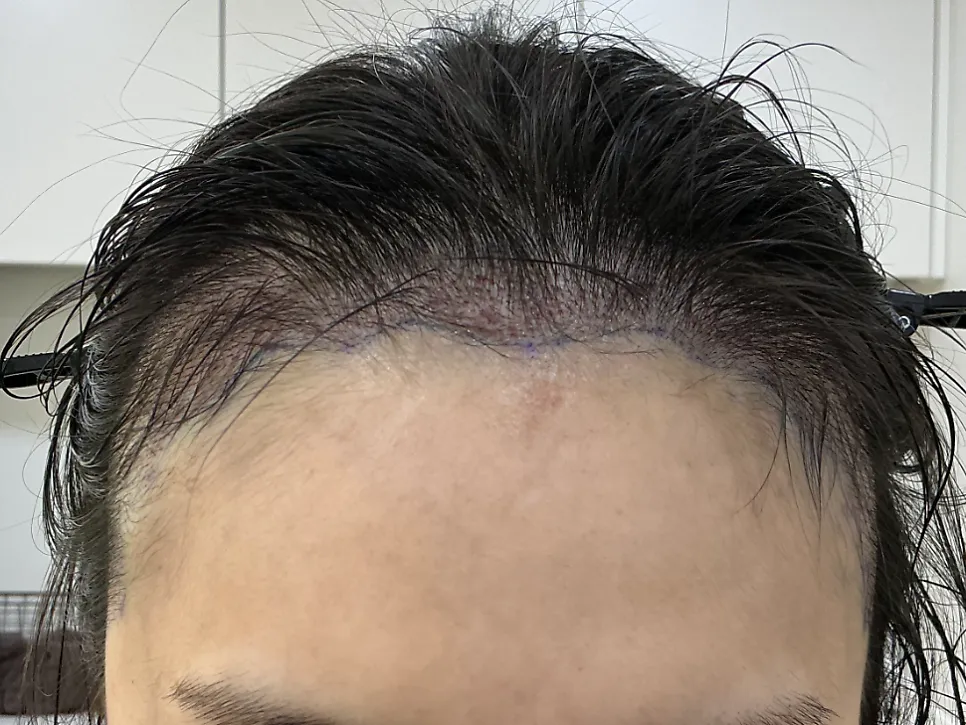
The Hairline That Is Truly Yours
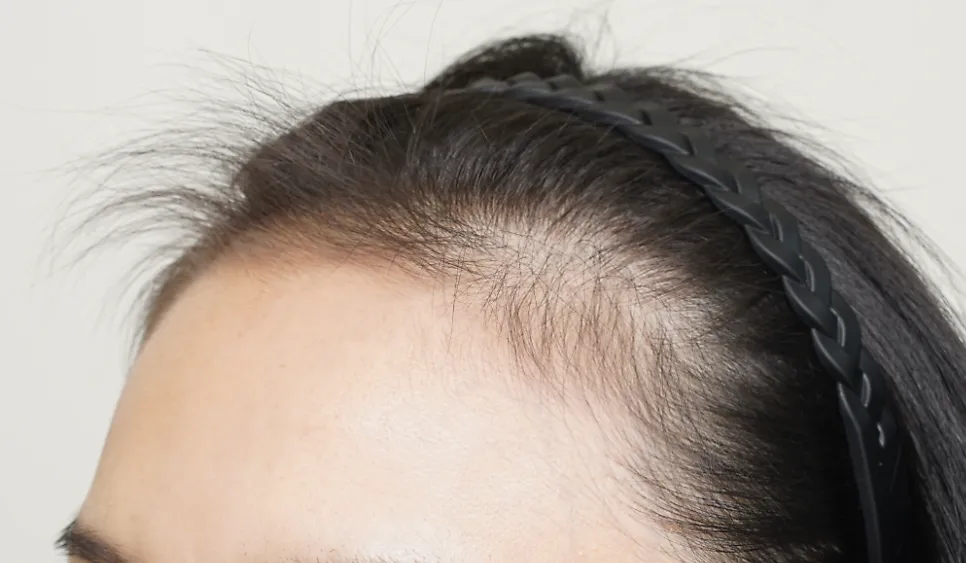
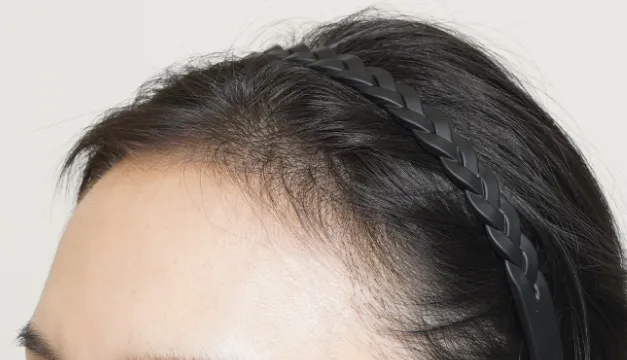
To create a natural line that does not look like a transplant and allows freedom to wear updos, know-how accumulated through extensive clinical experience is necessary. Rather than simply filling empty areas, the goal should be to complete a hairline that is most true to the person, rather than an artificial one, through the appropriate placement of fine hairs that make the area look relatively thinner.
I believe hairline correction surgery goes beyond change; it is a process of finding the beauty that suits you best.
※ Hair transplant may cause side effects such as swelling, pain, bruising, infection, and bleeding. ※ All photos on this blog are used with the patient's consent.