
By Dr. Park Sooho · 2026.03.08
Factors That Are Hard to Fully Predict in Consultation
For a hair transplant, after consultation we decide in advance whether to proceed with incision or non-incision, and then set the surgery date. But in the actual surgery, there are factors that are hard to fully predict from consultation alone.
The most typical one is scalp elasticity, and another is the actual condition of the hair follicles, which cannot be checked from the outside. Even areas that looked dense enough during consultation may, once harvesting actually begins, have a higher-than-expected proportion of follicles in the telogen (resting) phase. In such cases, the number of follicles that can actually be secured may fall short of the number of hairs seen from the outside.
We Decided to Proceed with Incision for the First Surgery
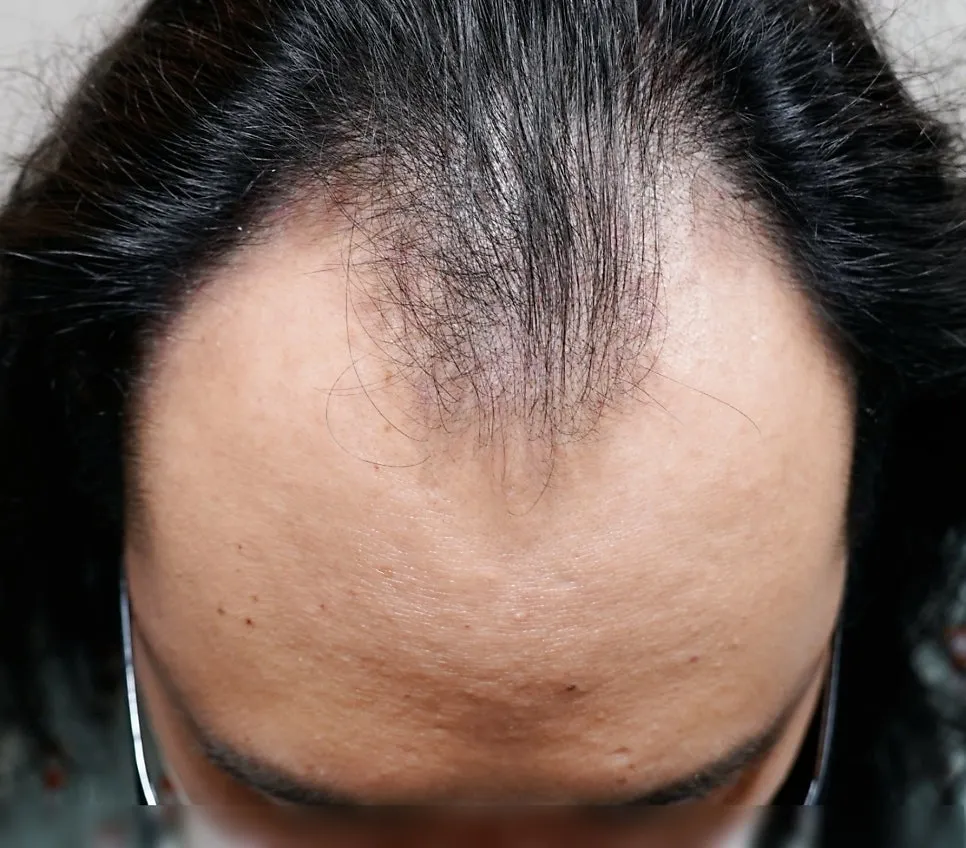
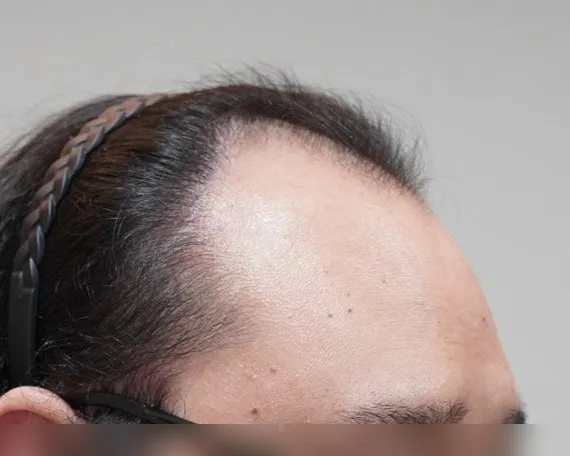
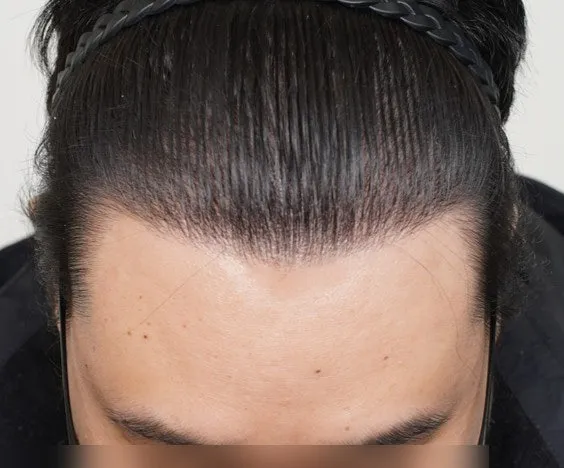
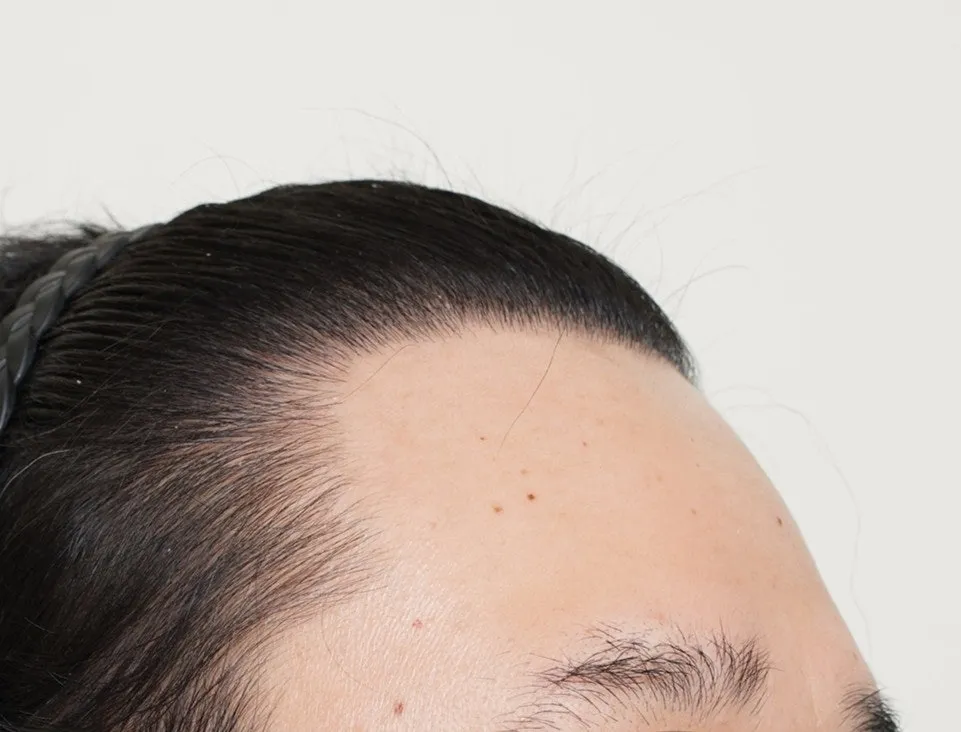
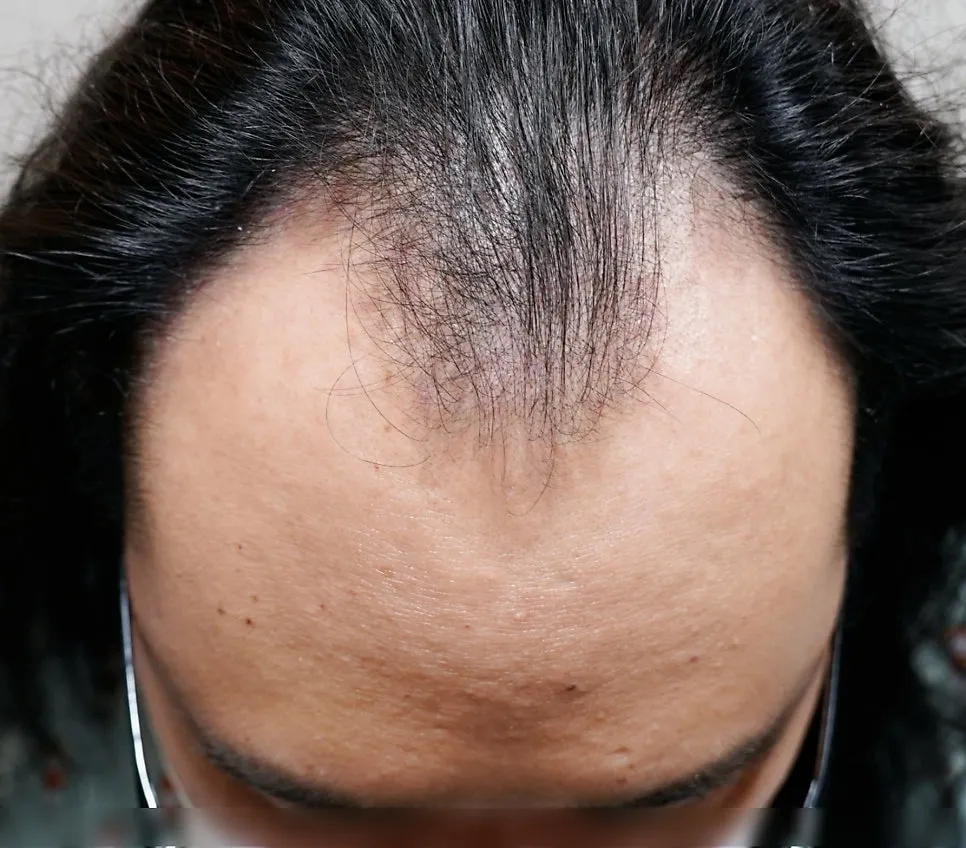
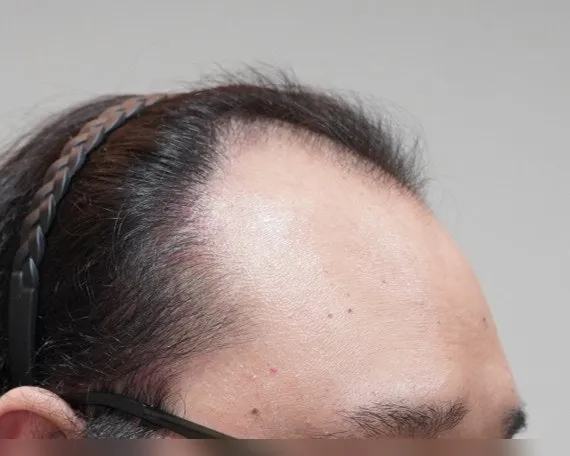
The patient above had side effects when taking hair loss medication and stopped the medication, so hair loss continued, and the M-shaped area and side lines receded and the frontal density had also decreased considerably. If the medication is not taken, existing hair continues to fall out even after surgery, which may require a second or third surgery, so the patient decided to switch from Avodart, which they had taken before, to Propecia and take it again.
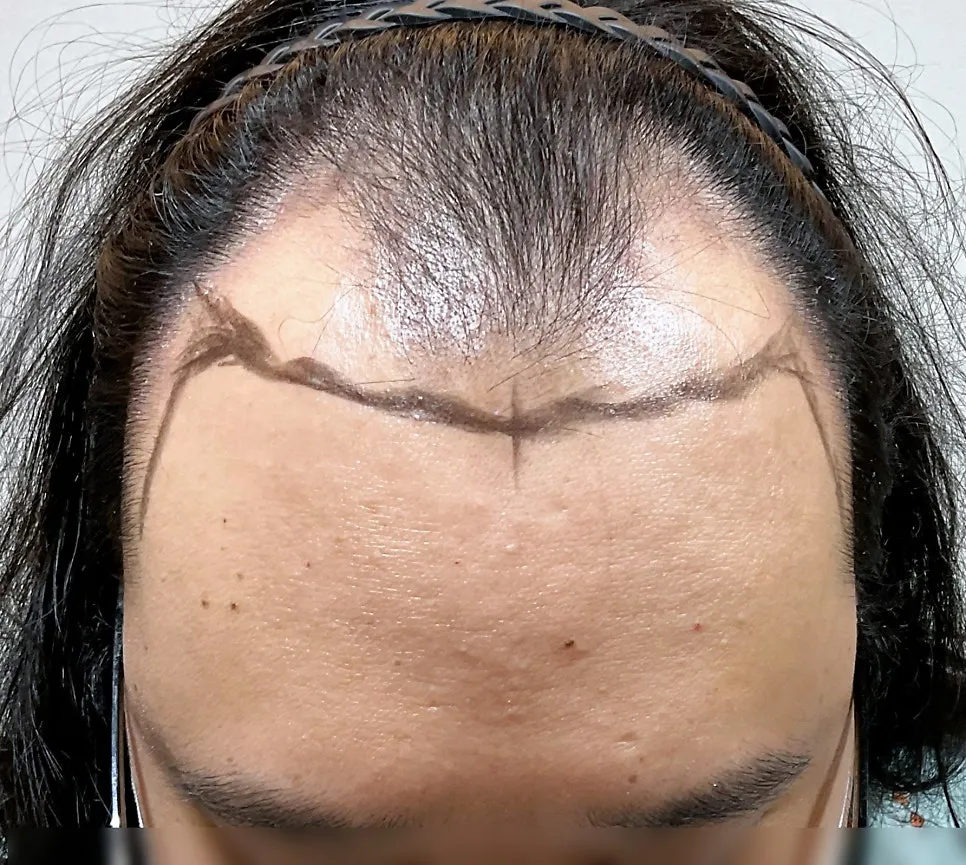
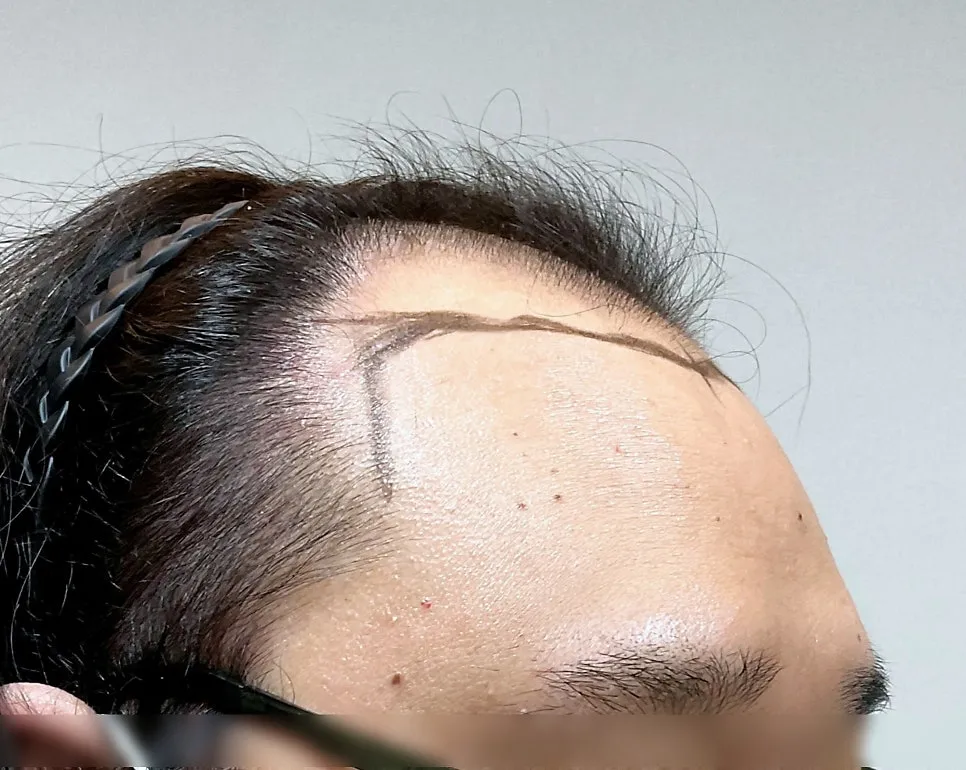
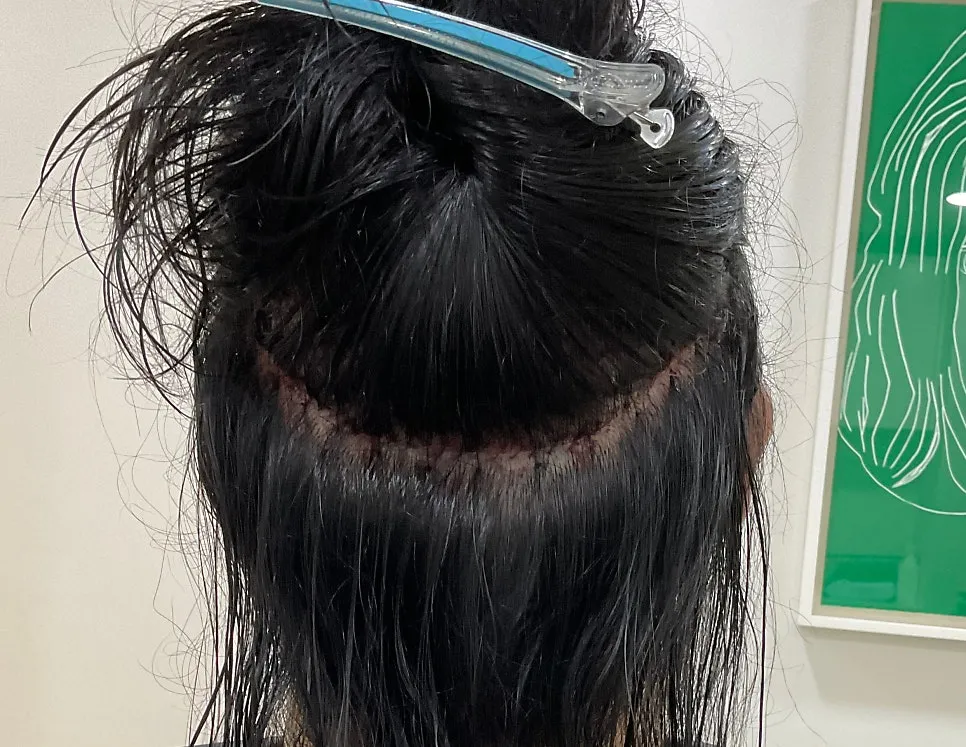
To make the most of the hair at the back of the head, we decided to proceed with an incision for the first surgery. When multiple surgeries are expected, doing the first and second surgeries with incision and the third and fourth with non-incision allows the most use of the hair at the back of the head. We checked the scalp elasticity and estimated that about 5,500 hairs could be harvested, and designed the forehead height and side lines accordingly.
An Actual Surgery Where the Proportion of Resting Follicles Was High
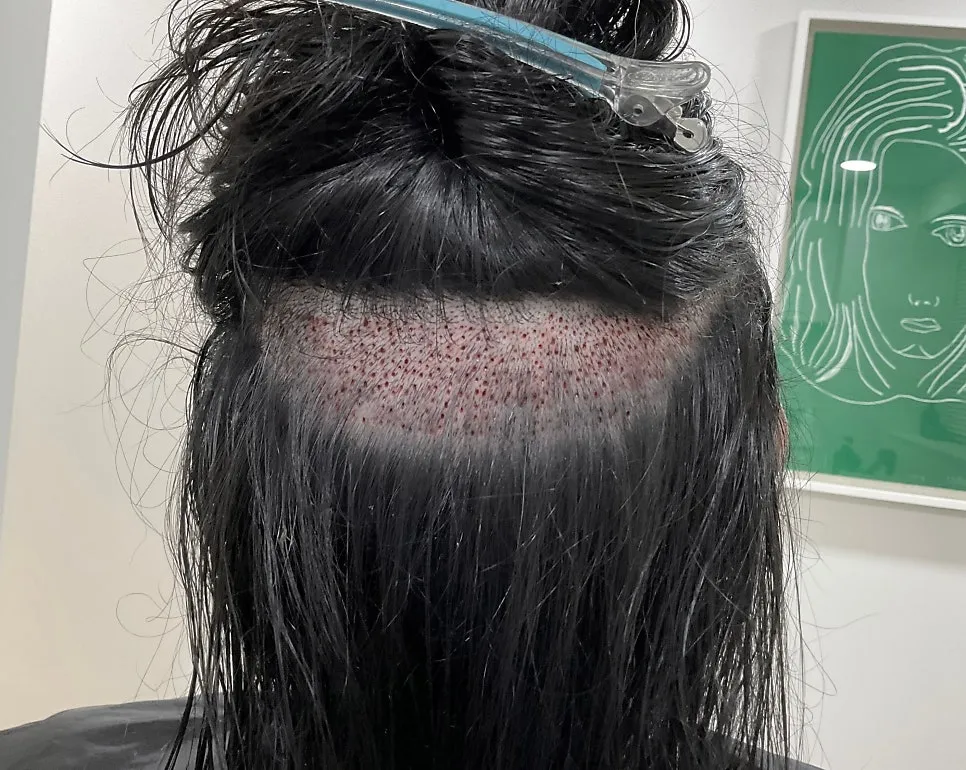
When we actually went into surgery, the elasticity of the back of the head was fine, but the proportion of resting follicles was higher than it looked from the outside, making it difficult to secure the planned number of hairs with incision alone.
In such cases, if the incision area is forcibly expanded, tension at the suture site increases, which can make post-surgery pain worse, widen scars, cause surrounding hair to fall out together, or, in severe cases, cause the skin to become necrotic.
So with incisions, we harvested as much as possible within the range that would not strain the scalp, and the remaining approximately 700 hairs were harvested additionally with non-incision, so that the planned 5,500 hairs could be transplanted safely.
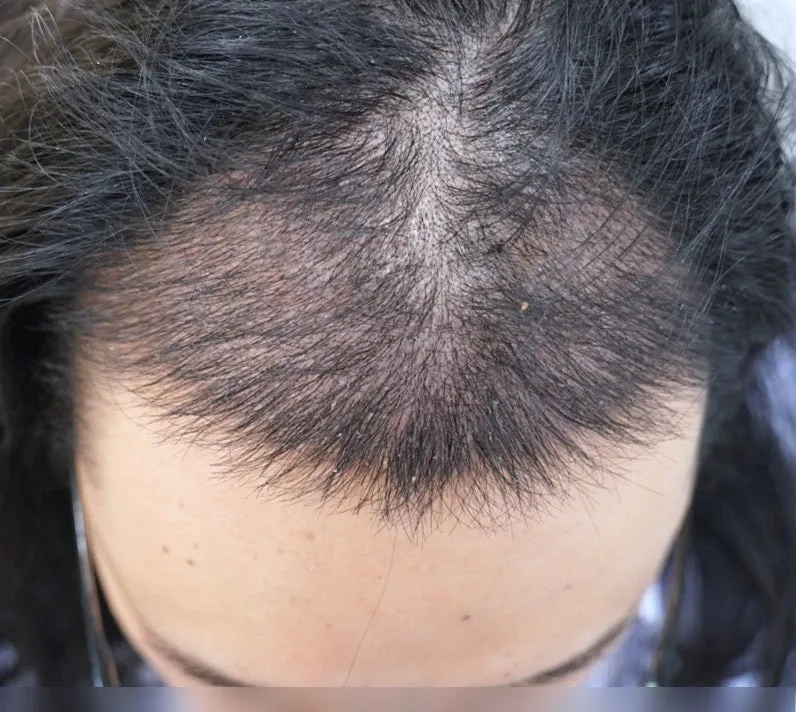
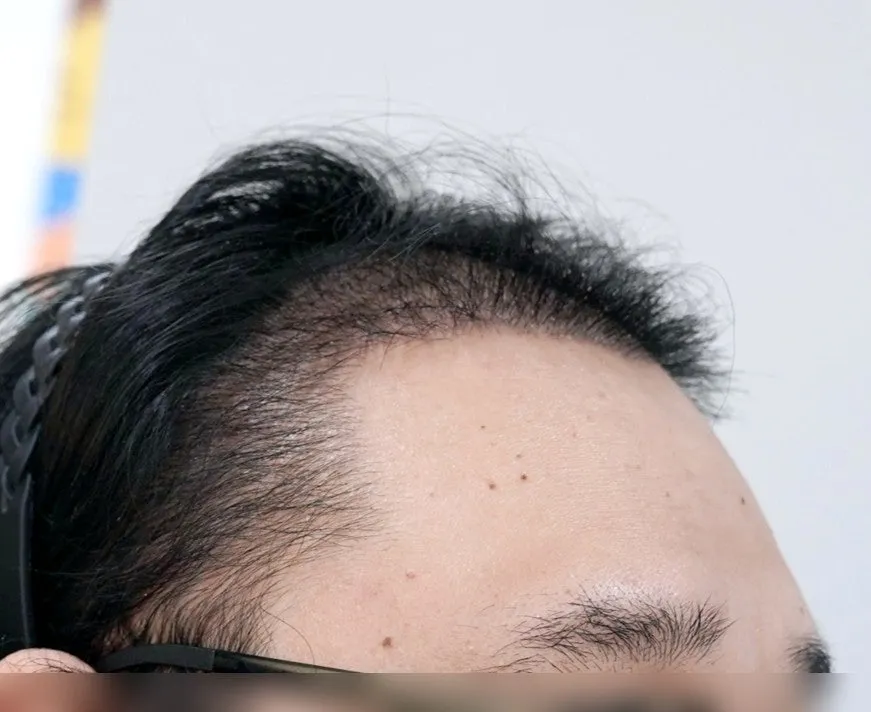
When incision and non-incision are used together like this, the long hair harvested with incision is used first for the front line, where changes are most visible, and the relatively short hair harvested with non-incision is planted in the back area that needs density reinforcement. Because the back is covered by existing hair, transplanted hair there does not stand out much even if it is short.
One-Year Follow-Up and Resumed Medication
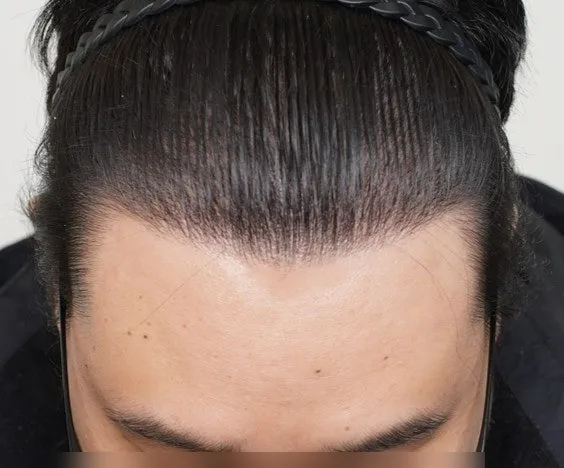
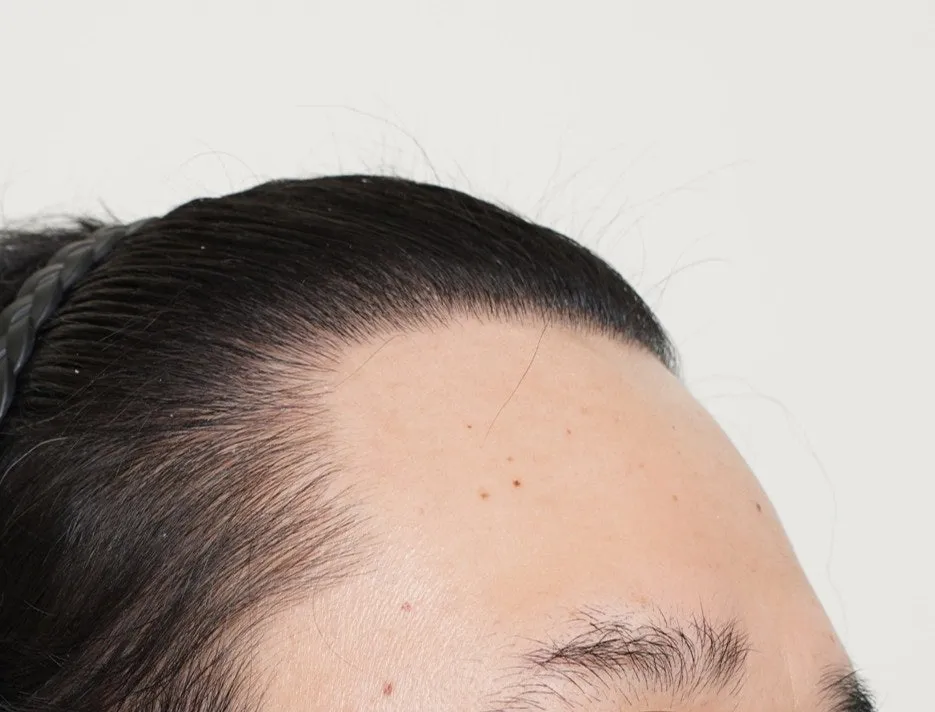
It has been about a year, and the patient came in for a follow-up. The patient had been growing their hair to cover the thinning area, and has changed to a neat and tidy style. However, after switching to Propecia, things were fine for a while, but eventually the side effects came back, so they are not taking the medication now. Since a transplant has limits if the existing hair does not support it, however well it goes, we decided to restart drug therapy this time with a topical finasteride spray (Pinzuve) and oral minoxidil.
A Practical Second-Best Option
Whether to choose incision, non-incision, or both from the start, the best method may differ depending on each person's degree of hair loss and the condition of the back of the head. However, even when the best plan is made, there are times when the plan has to be changed unavoidably. Sometimes, a second-best option that does not push too hard becomes the best method.
※ Side effects such as pain, swelling, bleeding, and infection may occur after hair transplantation. ※ All photos on this blog are used with the patient's consent.


