
By Dr. Park Sooho · 2026.01.18
"My surgical area is so itchy."
There is a question patients often ask at outpatient visits after surgery.
"Doctor, my surgical area is so itchy."
And the answer usually goes like this:
"It's normal. It gets better with time."
That is not wrong. However, it is not easy to get an explanation of why it happens. Let's go over the causes of itching at the surgical site.
A single cause of post-surgical itching has not yet been clearly identified. However, it is currently explained as the result of several mechanisms acting together, and I will describe the two causes that are considered most convincing among them.

Increased Histamine Release
When a wound occurs, our body activates inflammatory and immune responses to recover from it. During this process, histamine is released.
Histamine is commonly known as a cause of allergies and hives, but it is also an essential substance for normal wound healing. This is because histamine dilates blood vessels and increases vascular permeability, helping the cells needed for recovery move to the wound site.
However, during this process, the itch nerves can also be stimulated, so the surgical site may feel itchy. The fact that itching often improves when antihistamines are taken also supports this mechanism.

Nerve Stimulation and Nerve Regeneration
Surgery or wounds also damage the peripheral nerve endings distributed in the skin. As the wound heals, these nerves go through a process of regrowing or rearranging, and during this process, the nerves can become abnormally sensitive or send excessive itch signals.
For this reason, post-surgical itching is sometimes described as tingling, a crawling feeling, or a mix of pain and itching. In these cases, antihistamines may not work completely, and the condition may gradually improve over time.
For Mild Itching
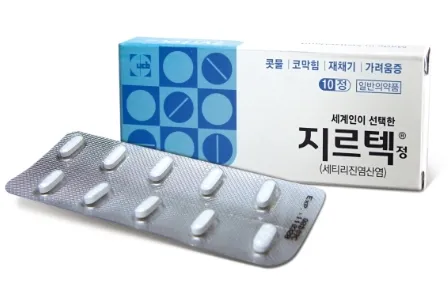
If the itching is mild, consider it a sign that the wound is healing well, and there is no need to worry much. However, if you are worried about scratching the surgical site without realizing it, taking an antihistamine such as Zyrtec is also a good option.
Zyrtec can be purchased at a pharmacy without a prescription. Because it can cause drowsiness as a side effect, it is best to avoid it before driving or important meetings.


