
By Dr. Park Sooho · 2026.01.04
Why Crown Hair Transplantation Is Difficult
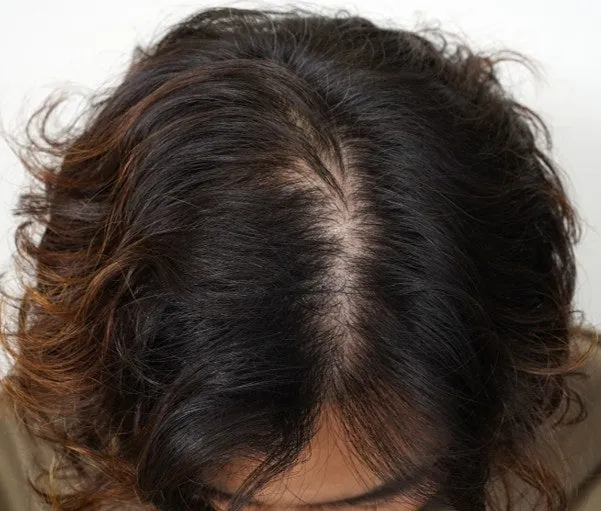
Hair transplantation for crown hair loss is difficult. Transplants must be placed between existing hairs so as not to damage them, and because of this, it is often not possible to plant densely enough to hide the scalp, so satisfaction is often not high. Concurrent shedding of existing hair can also occur after transplantation, and when medication works well, surgery is often not needed, so the decision to have surgery should be made carefully.
Patients Who Had Already Been Using Medication for a Long Time
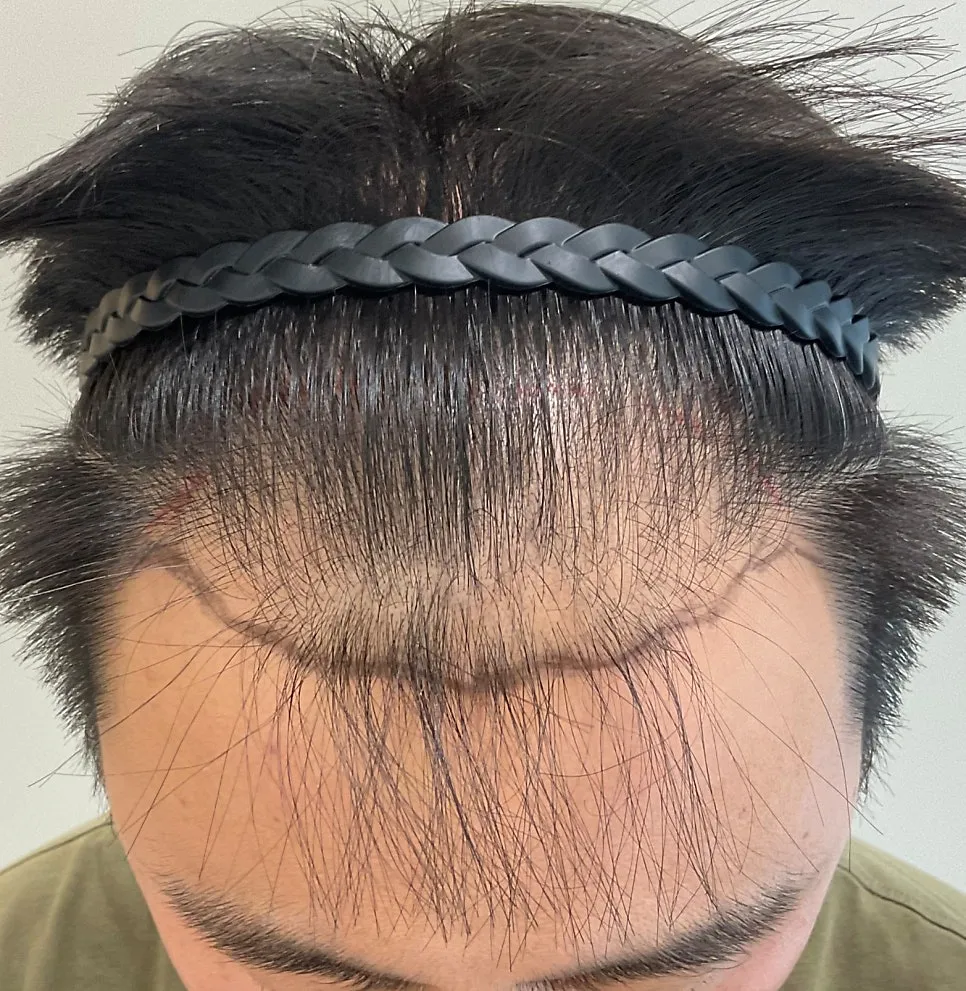
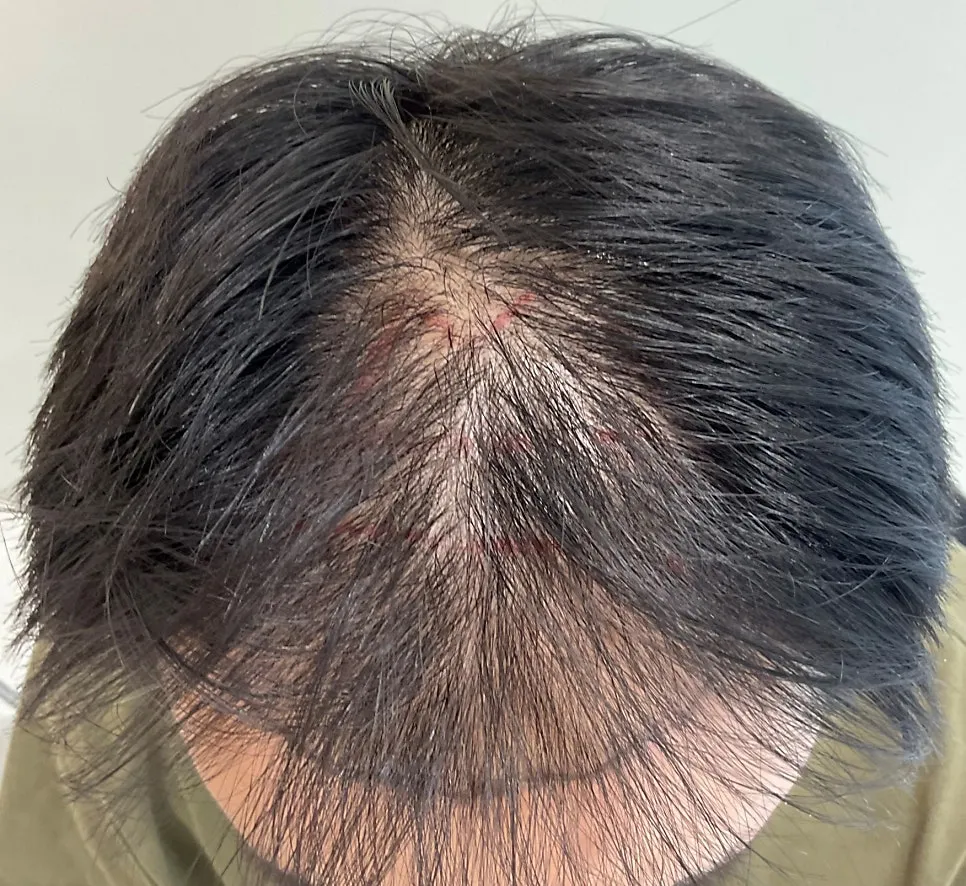
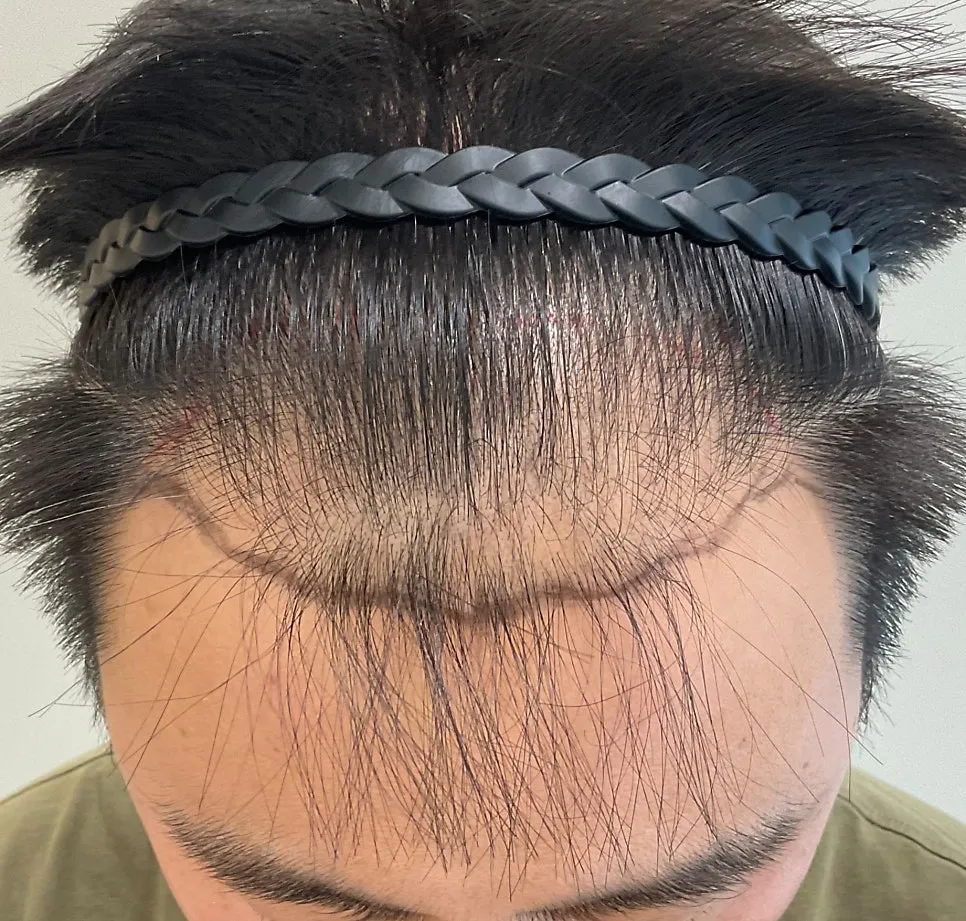
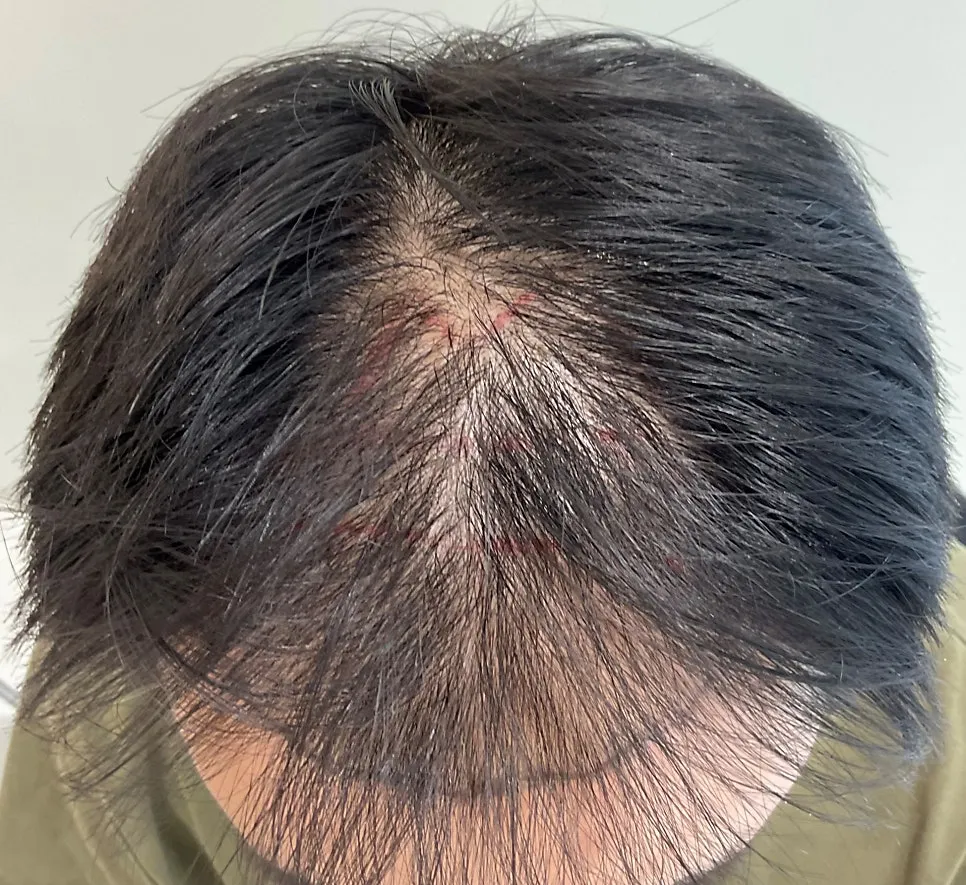
The patient above came in for hair transplantation due to hair loss at the frontal area and crown. At the time of the visit, they had already been using dutasteride-class medication and minoxidil for quite a long time, so it did not seem likely that their condition would improve significantly from its current state. Because they live overseas, it was also difficult to combine other treatments such as injection therapy, so I judged that it would be better to fill the lacking areas with surgery.
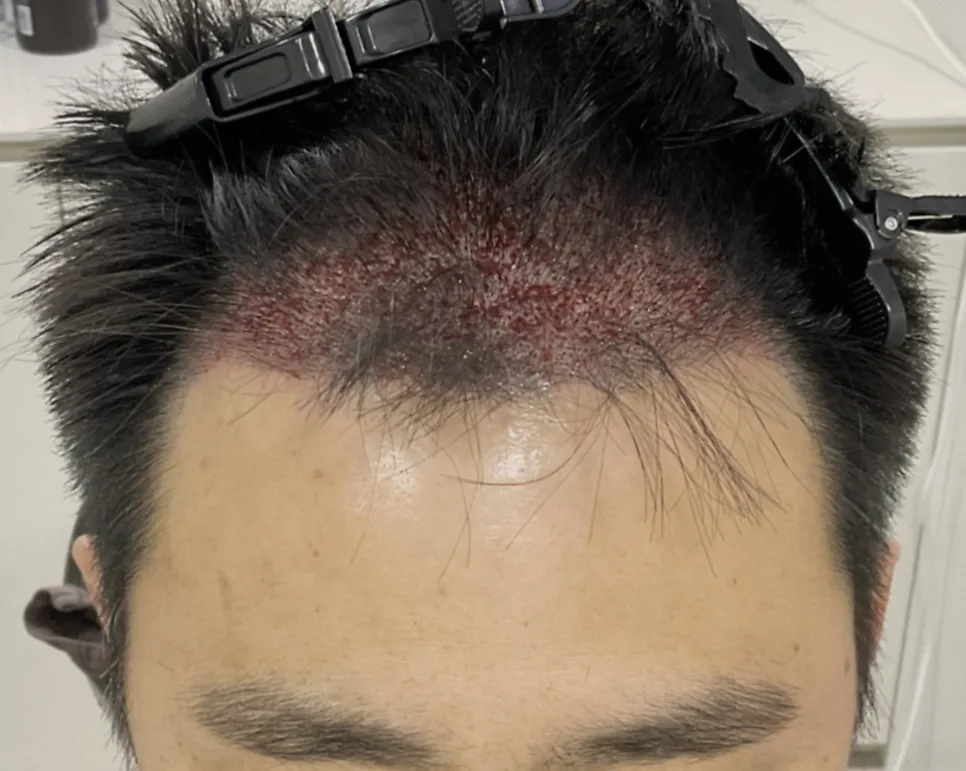
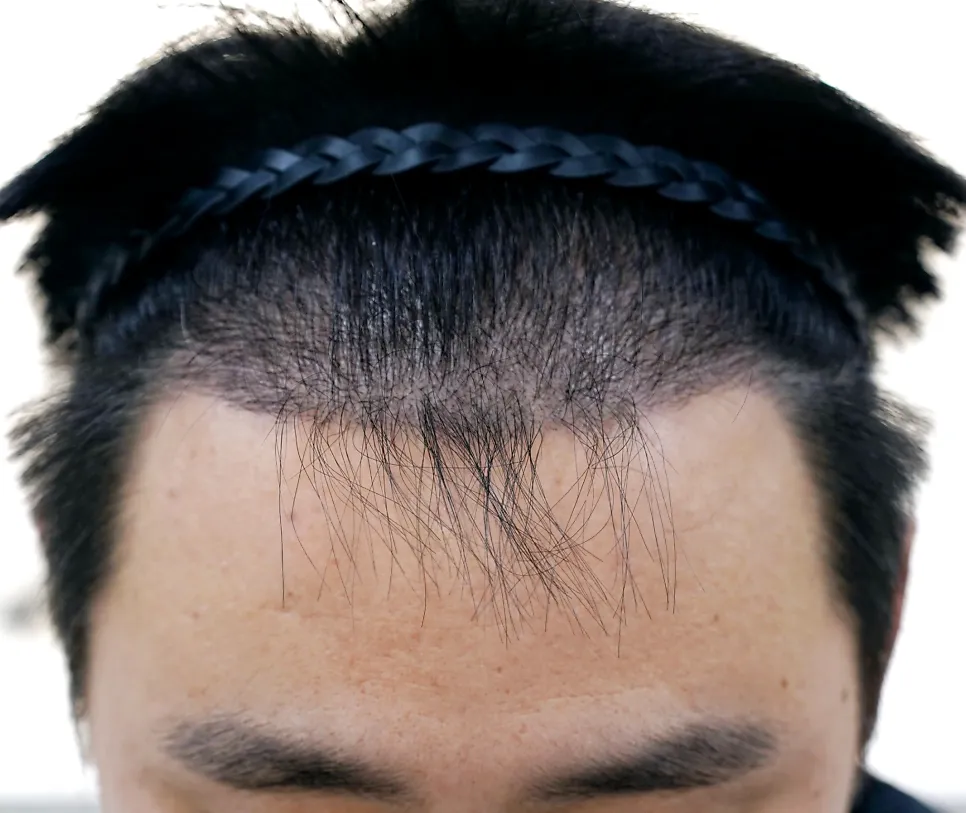
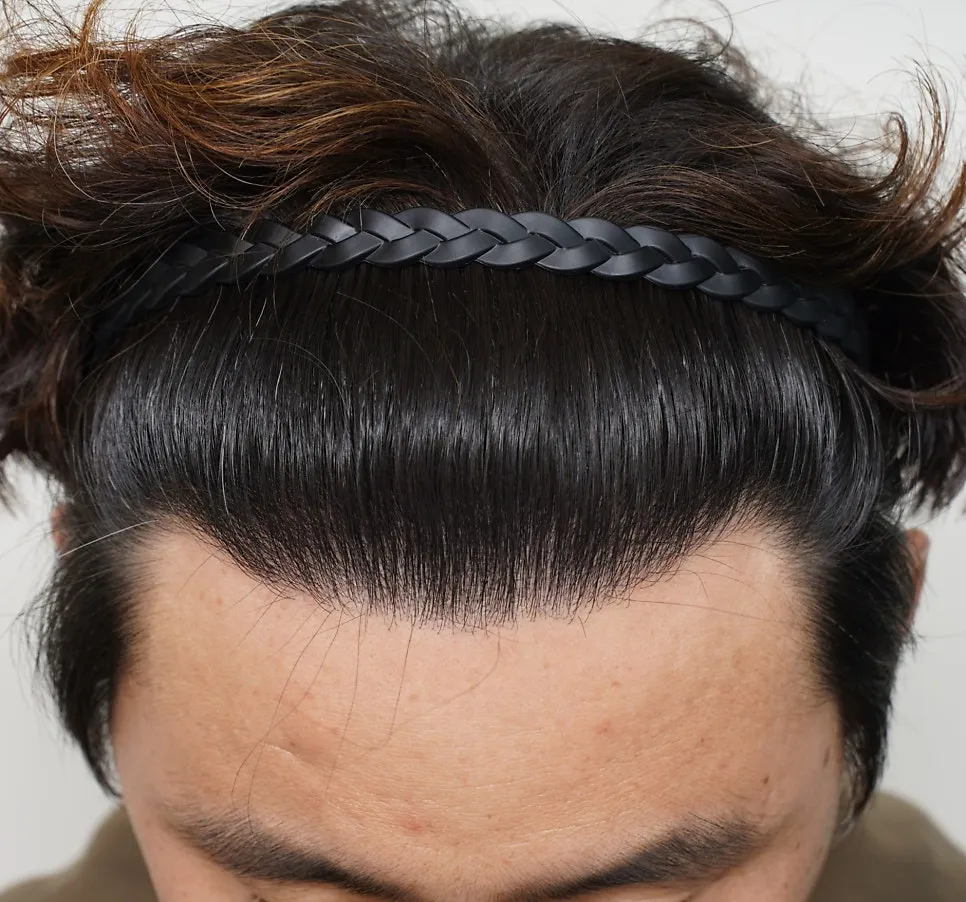
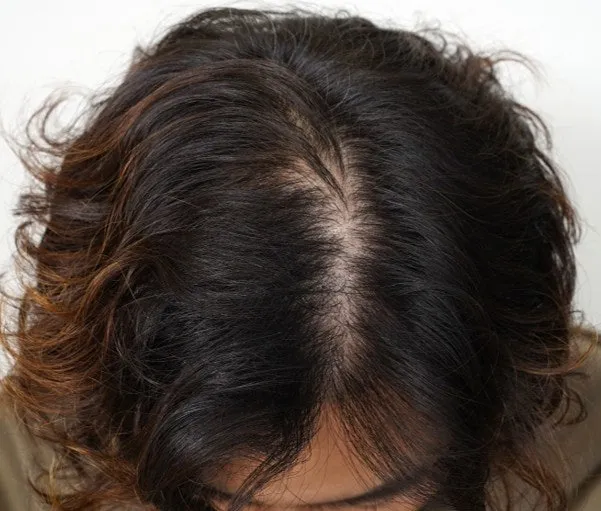
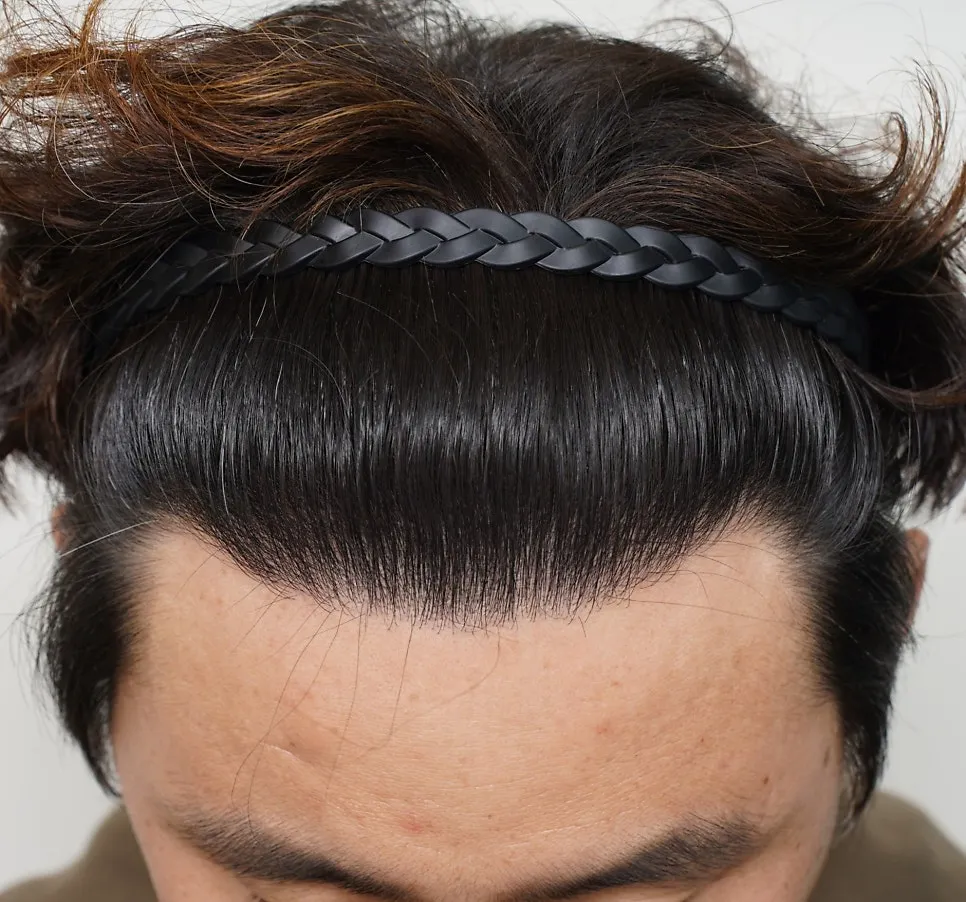
About 4,200 hairs were used to refine the M-shaped and frontal lines and to fill in the density of the crown. At the frontal area, I reinforced density among the hairs remaining in the center of the hairline and gently brought the M-shaped line forward, and at the crown, I filled mainly the areas around the parting where the scalp was visible.
Shaving of the Donor Area and Bleeding on the Day of Surgery
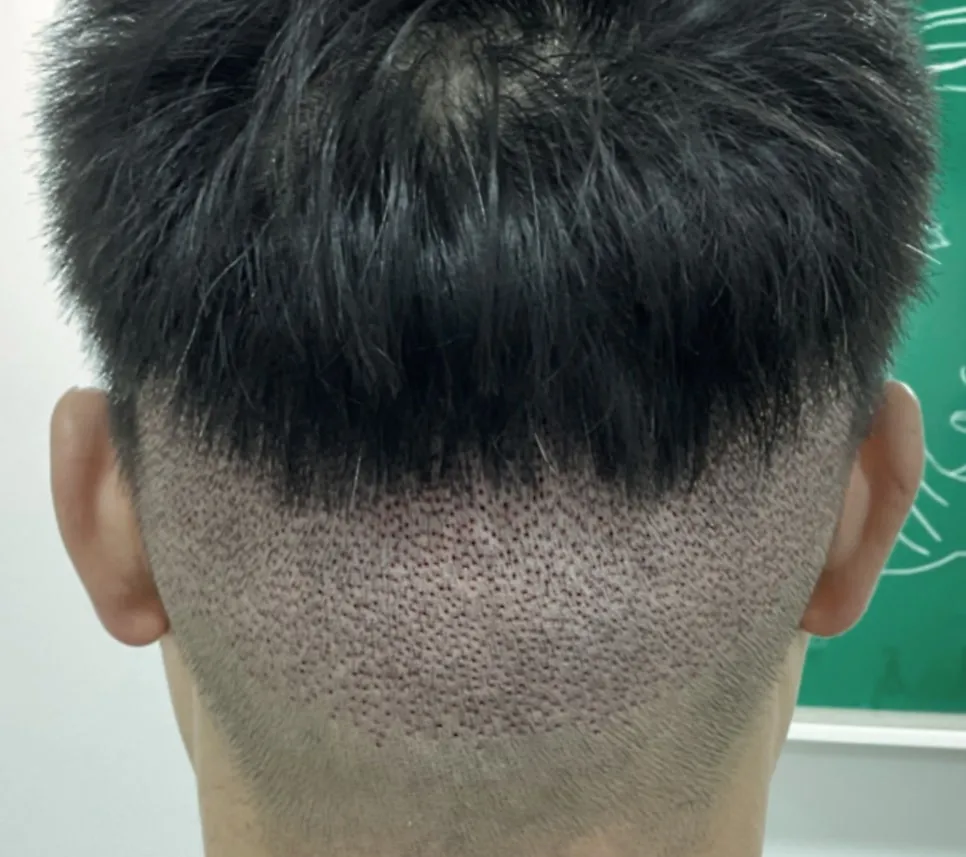
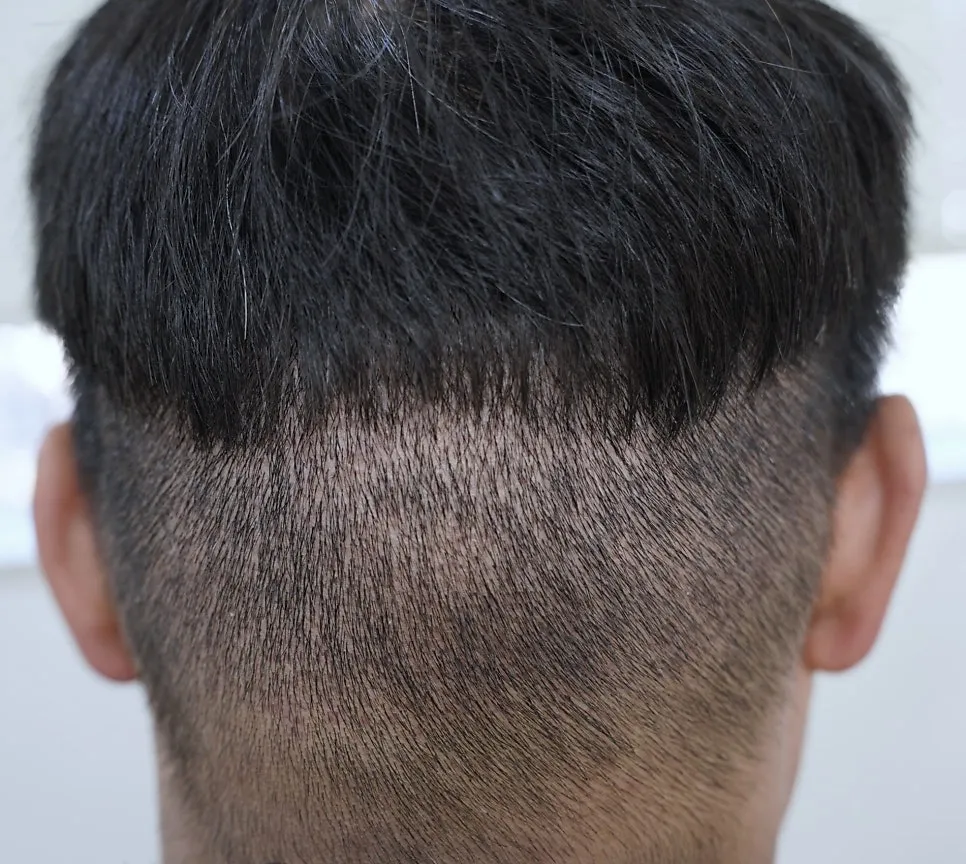
Even for male patients, I do not prefer shaving the head completely before surgery, but this patient wanted to keep the surgical cost and the time spent lying face down to a minimum, and said there would be no restrictions on social life for about two weeks after surgery, so I shaved the donor area in a two-block style.
On the day of surgery, after returning home, there was a little bleeding from the back of the head, but the patient said it stopped quickly after they lay down briefly with a towel pressed against it, as we had instructed.
In cases like this, bleeding usually stops if you apply pressure for a short while, but if it does not stop, you can contact the clinic. Bleeding can be stopped with simple treatment.
Results on the Exact One-Year Mark
The patient returned to Korea after a long time and came in to check their progress, which happened to be exactly one year after the surgery. The lines were neatly defined, and the scalp visibility at the crown had been largely concealed. Overall they were satisfied, but there was a slightly thin-looking area at the parting, so I reinforced it with about 500 hairs.
For the crown, we decide after trying medication first
If this patient had not been taking hair loss medication, I would probably have recommended medication treatment first. I would have suggested trying the medication first and deciding on surgery the next time they came back to Korea.
For crown hair loss, medication often works well, so it is advisable to try taking the medication before deciding on surgery. Many people improve enough after taking medication that surgery is not needed at all, and even if surgery is done, transplantation can be limited to only the areas that truly need it, so the hair at the back of the head can be largely preserved.
※ Side effects such as bleeding, infection, pain, swelling, and concurrent shedding of existing hair may occur after hair transplantation. ※ None of the photos on this blog were used without the patient's consent.


