
By Dr. Park Sooho · 2025.11.30
A hair transplant is not a "treatment" for hair loss
When consulting, we often hear this: "I came for a transplant because I don't want to take medication." But you should not do that.
A hair transplant is certainly considered one of the most powerful methods in hair loss treatment, but in fact a hair transplant is not a "treatment" for hair loss. A hair transplant does not prevent hair loss. It is simply a "camouflage" that covers the areas that look empty because of hair loss.
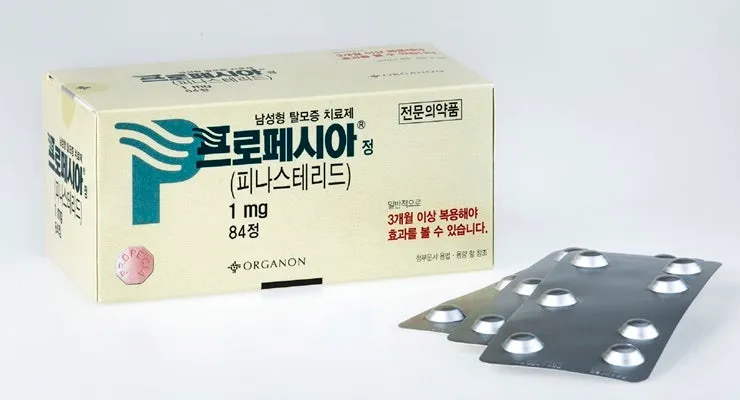
The most common type, male-pattern hair loss, progresses gradually over time. So the foundation of treatment is still oral and topical medication. The role of medication is clear: it strengthens the hair that remains and slows the progression of hair loss. In other words, it does not rebuild follicles that have already disappeared, but it does thicken thinning hair and protect the hair that would otherwise fall out.
The M-shape and the crown require different treatment strategies
So what about the timing of hair transplant? The M-shape and the crown require different treatment strategies. The M-shaped area is one where medication alone is unlikely to produce a noticeable improvement. So when M-shaped hair loss is severe, a strategy of starting medication and surgery at the same time is also possible.
On the other hand, the crown is an area where recovery with medication alone is highly likely. So for the crown, it is more reasonable to start with medication first and decide on surgery after observing progress for 6 months to 1 year.
After using medication for about a year, the areas that need surgery become clear. The reason this process matters comes down to one thing: hair at the back of the head is not an unlimited resource. If you decide on surgery after using medication sufficiently, you can selectively use the limited hair at the back of the head only in the areas that truly need it, and save this precious resource.

Can I stop the medication now that I've had a transplant?
Going back to the beginning, we are also often asked, "Since I've had the transplant, can I stop taking the medication now?" The better the hair transplant works, the more people tend to think they no longer need medication. But that actually reduces the effect of a hair transplant you went through so much to receive.
A hair transplant is a treatment that fills areas that have already become empty, not one that prevents the hair that will fall out in the future. Transplanted hair remains relatively stable, but the existing hair around the transplanted area is still affected by hair loss. If you stop the medication, the transplanted line remains while the hair around it keeps falling out, so the density may look lower or the boundary may become unnatural. In fact, after a few years, it is not uncommon for the surrounding area to thin again and for people to consider a revision.
Recently, besides oral medication, various supplementary treatments such as scalp injection therapy are also used together. When medication alone is not enough, when hair loss progresses quickly, or when the response is slow, combining these injection treatments can be helpful.
That is: protect with medication, fill with transplant, and protect again with medication.


