
By Dr. Kim Narae · 2025.10.23
Cases of Refusing Drug Treatment
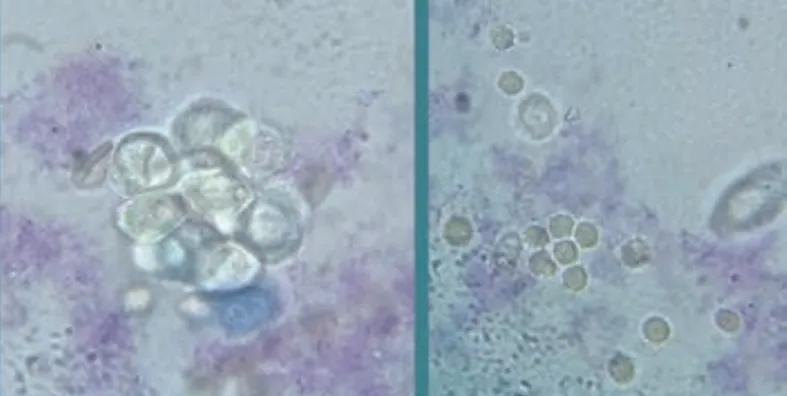
Compared with 10-plus years ago, in our clinic we now often see patients refusing drug treatment because of concerns about long-term use of hair loss medication and systemic absorption. Finasteride and dutasteride, which block the conversion to DHT, a powerful natural androgen (male hormone), are hormone blockers, so concerns about related side effects can be significant.
That is why interest is growing in scalp stem cell treatments, such as various injection therapies that activate hair follicle stem cells to shift hair into the anagen phase and keep the anagen phase going longer, and direct stem cell injections that restore follicle cells, with the various growth factors they contain inducing and prolonging the anagen phase.

Study Published in the Journal of the World Society of Hair Transplantation
As interest in stem cell hair loss treatment grows around the world, let us look together at what was recently published in the journal of the World Society of Hair Transplantation.
The design of the study was as follows. For patients receiving a hair transplant in the frontal area, 20 patients whose crown, extending from the mid-scalp to the back of the head, also showed progressive follicle miniaturization, but who refused medication such as minoxidil or finasteride, received scalp stem cell injections.
Stem Cell Extraction Process
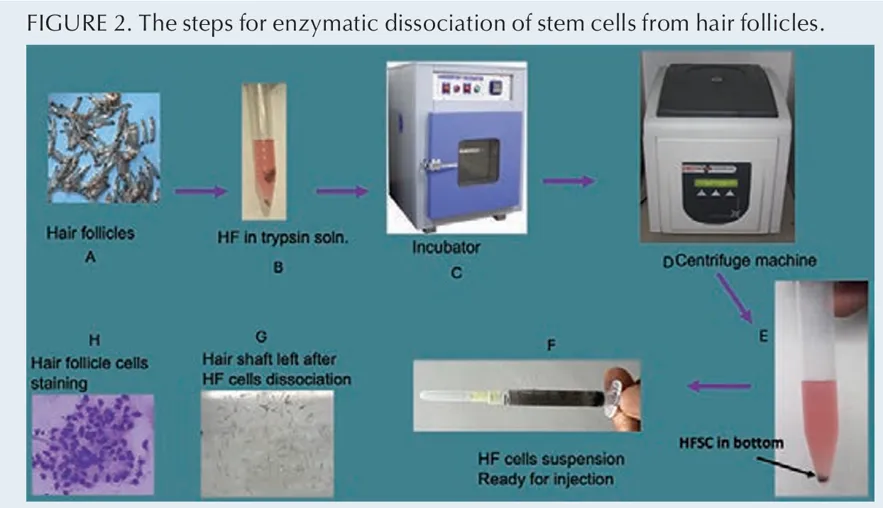
The stem cell extraction process is somewhat complex, but let me explain it briefly. First, about 150 follicles, including follicles that were minimally damaged during occipital harvesting, were used, and trypsin solution was used to separate the stem cells. Through incubation, centrifugation, filtering, washing, and other steps, a concentrated stem cell solution was made and injected into the non-operated mid-scalp.
At this time, the solution was analyzed for the presence of the epithelial stem cells and mesenchymal stem cells we were looking for, and CD200 and CD34, which indicate their respective presence, were positive.
Results After 6.5 Months
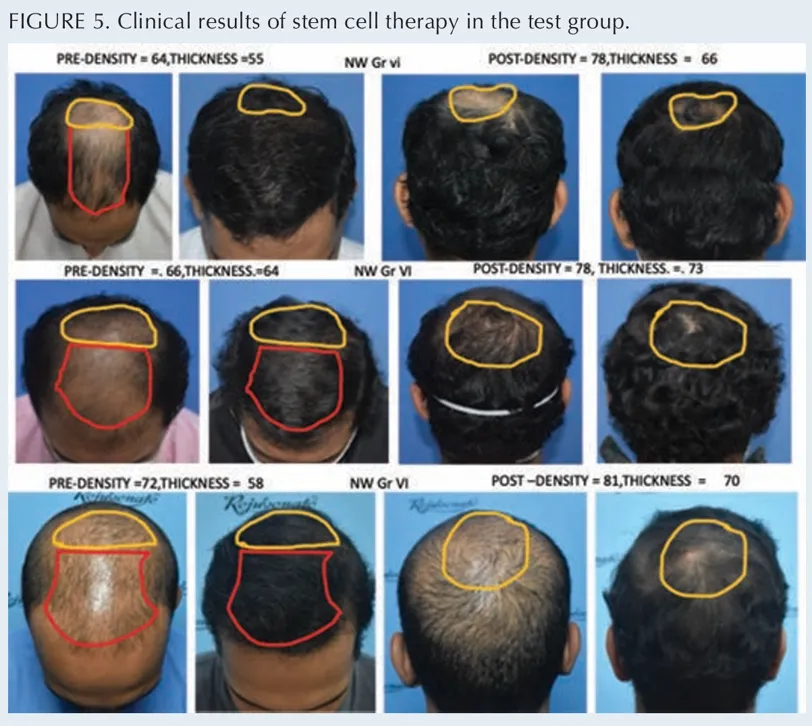
Now let us look at the results. Red indicates the surgical area. Dr. Anil Garg, well known in the hair transplant field, appears to have considerable surgical skill, true to his reputation. Yellow indicates areas that received no treatment other than stem cells, and as seen in the photos taken after an average of 6.5 months, scalp show-through improved considerably.
Compared with the control group, which received no scalp stem cell treatment and took no medication (scalp show-through remained the same), a statistically significant difference was observed, with hair density increasing by 19% and thickness by 20%. For reference, no special side effects were mentioned.
Based on Cell Restoration and Regeneration
In conclusion, for patients who feel burdened by or resistant to medication, scalp stem cell treatment offers new hope as a treatment that meaningfully improves hair density and thickness. I believe this is an important study that shifts the paradigm of hair loss treatment from being drug-based to being based on cell restoration and regeneration, and its future development potential is promising.
I hope scalp stem cell therapy can become a safer and more effective treatment option for many people struggling with hair loss.


