
By Dr. Park Sooho · 2025.08.26
Hairline With Curves and Irregularity
A natural hairline has moderate curves and irregularity. Creating that irregularity is the most important part of hairline hair transplant.
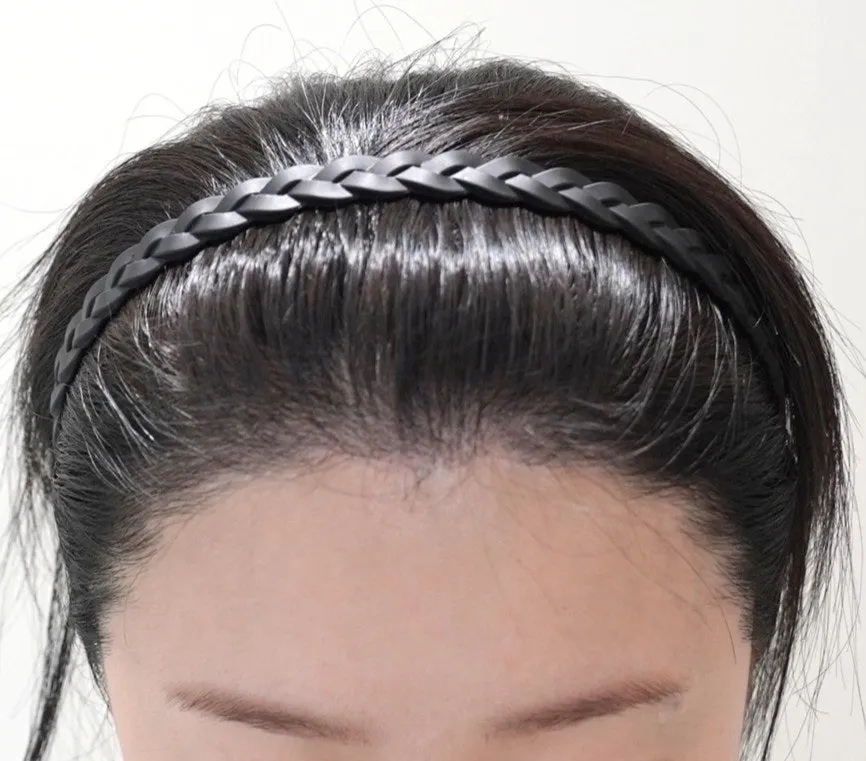
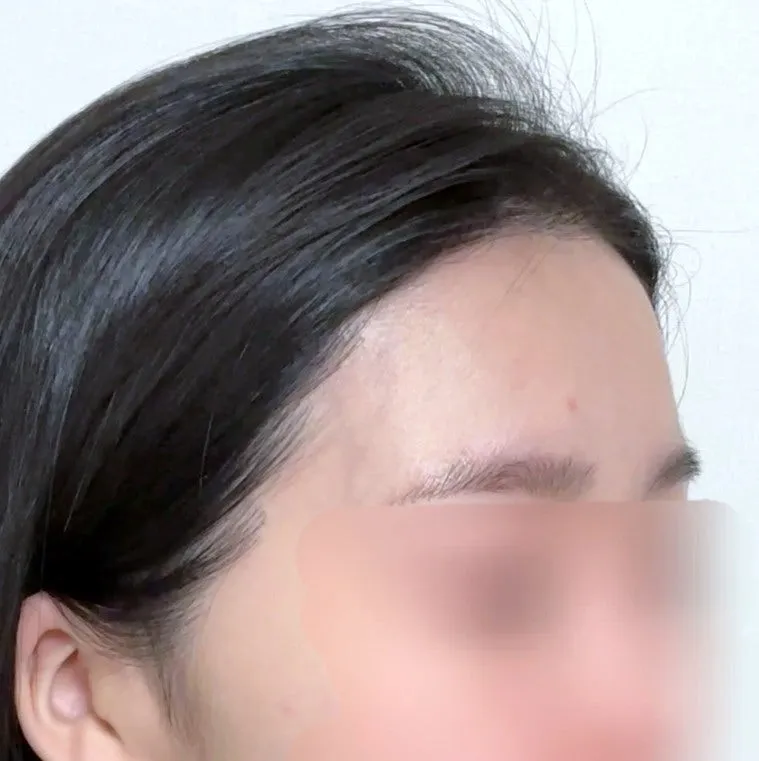
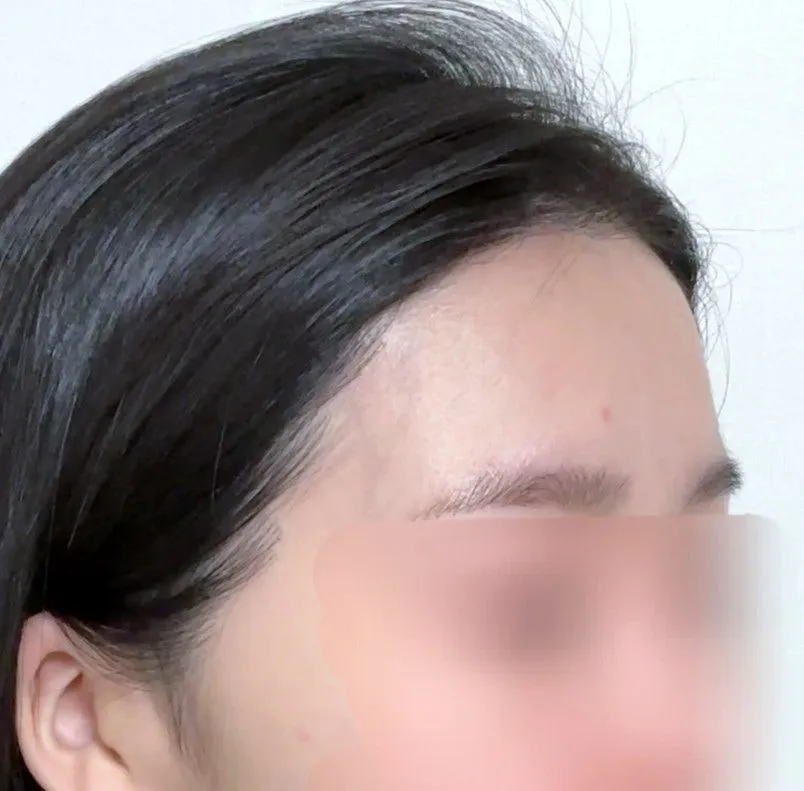
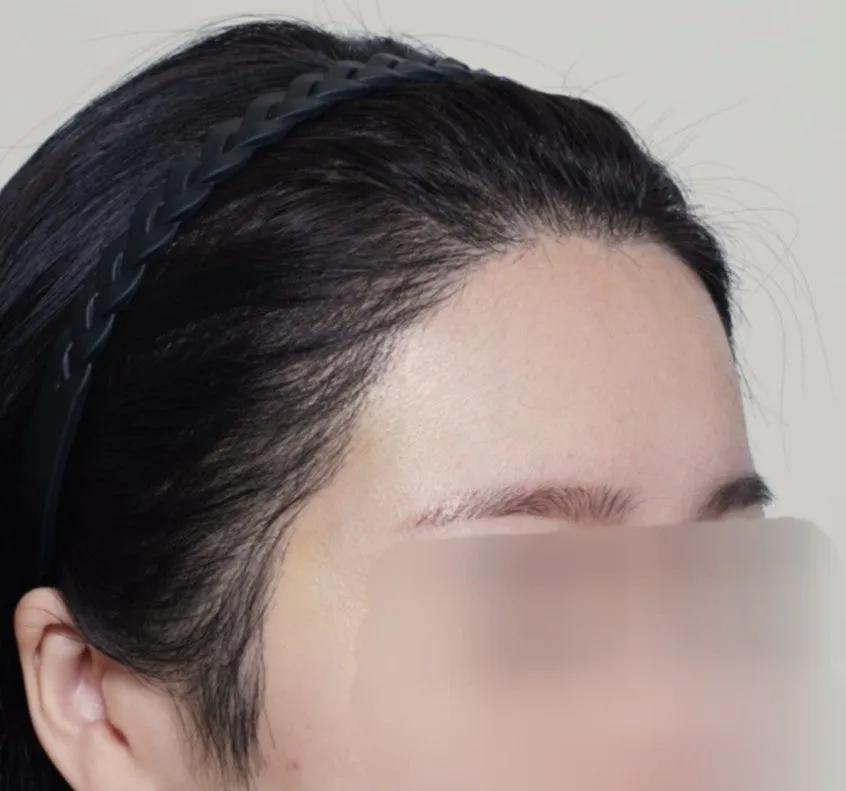
The patient above had a 2,500-hair incision transplant 6 years ago, a forehead reduction 3 years ago, and a 1,500-hair incision transplant again 2 years ago (all three surgeries were done at different hospitals).
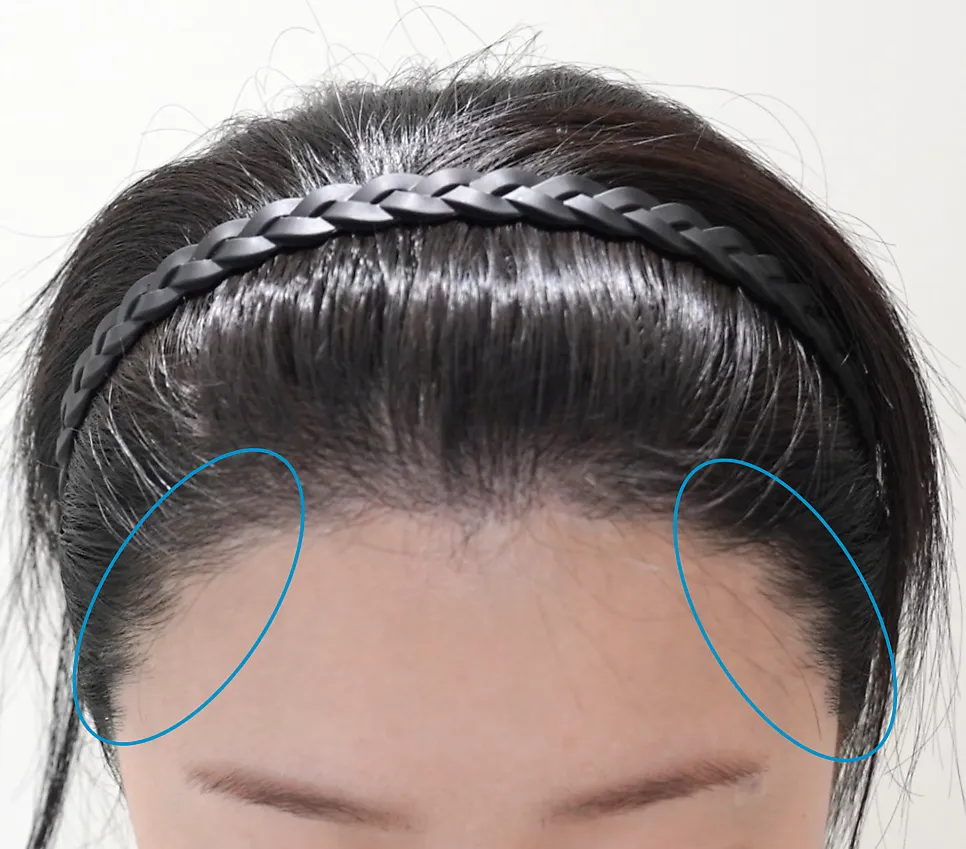
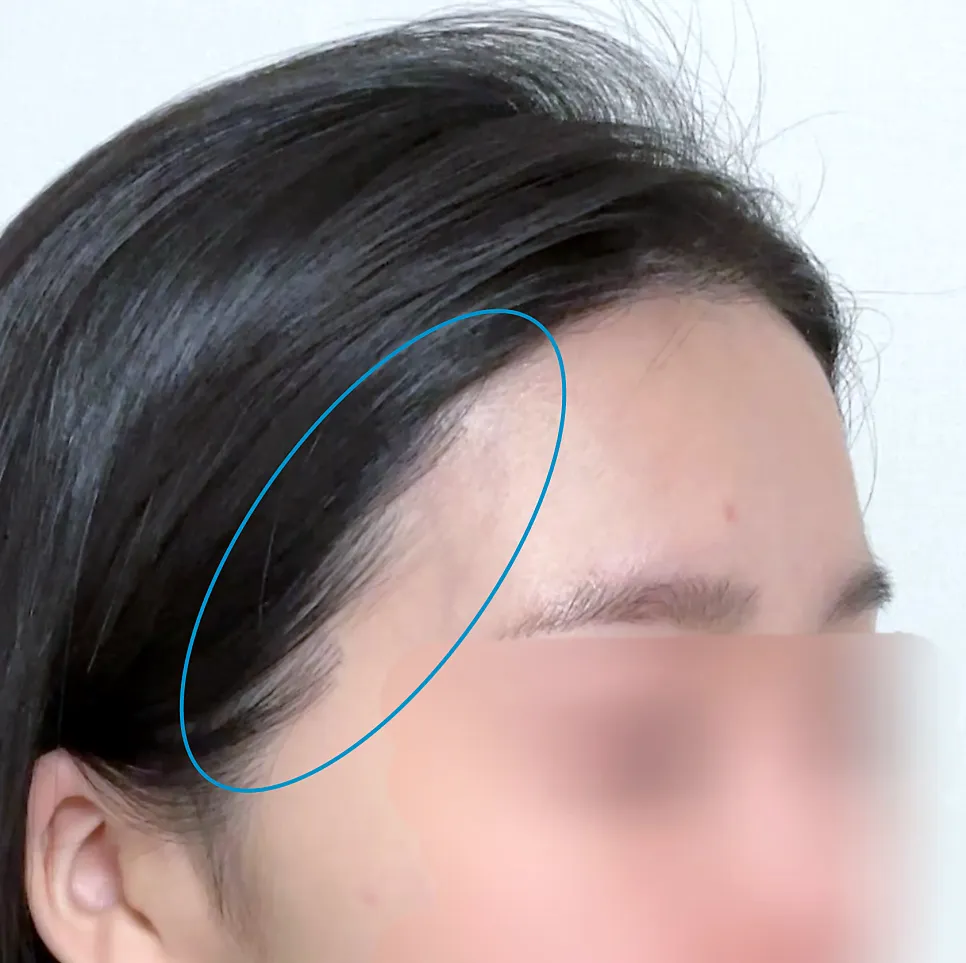
'Regularly Irregular' Curves
The reason this patient came back for another hair transplant was a distinct curve in the hairline. A hairline that is too straight looks awkward, but a curve that is 'regularly irregular' also looks unnatural. The patient described it as looking 'as if it were cut with pinking shears.'
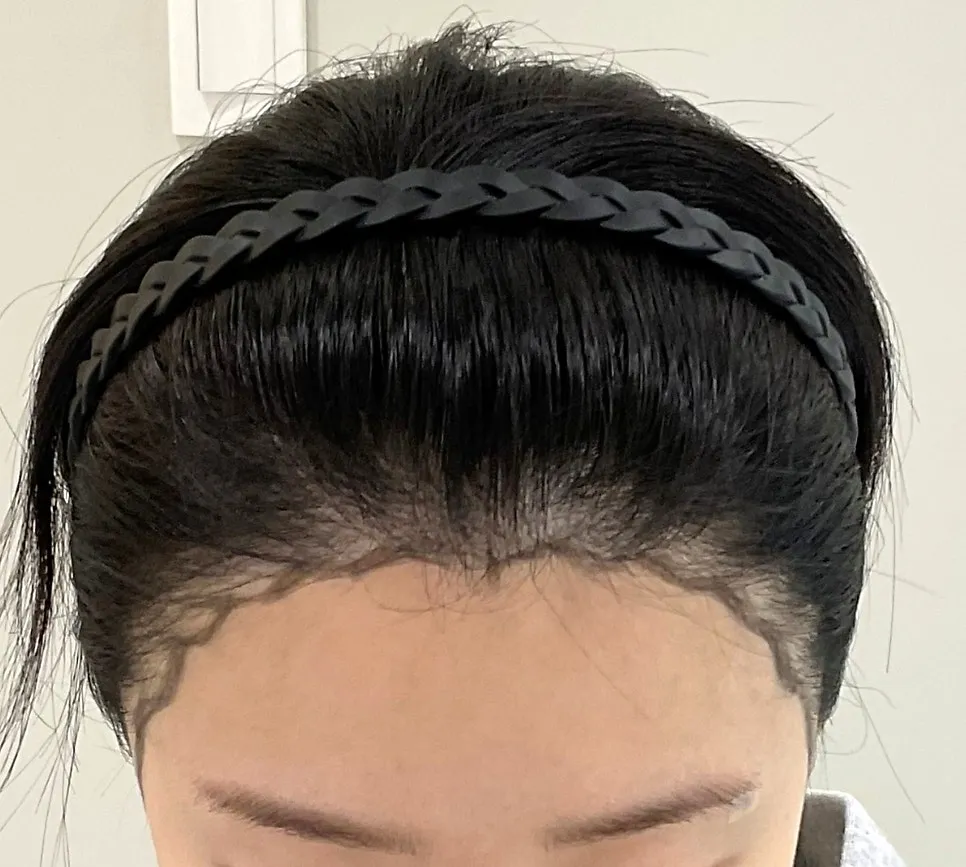
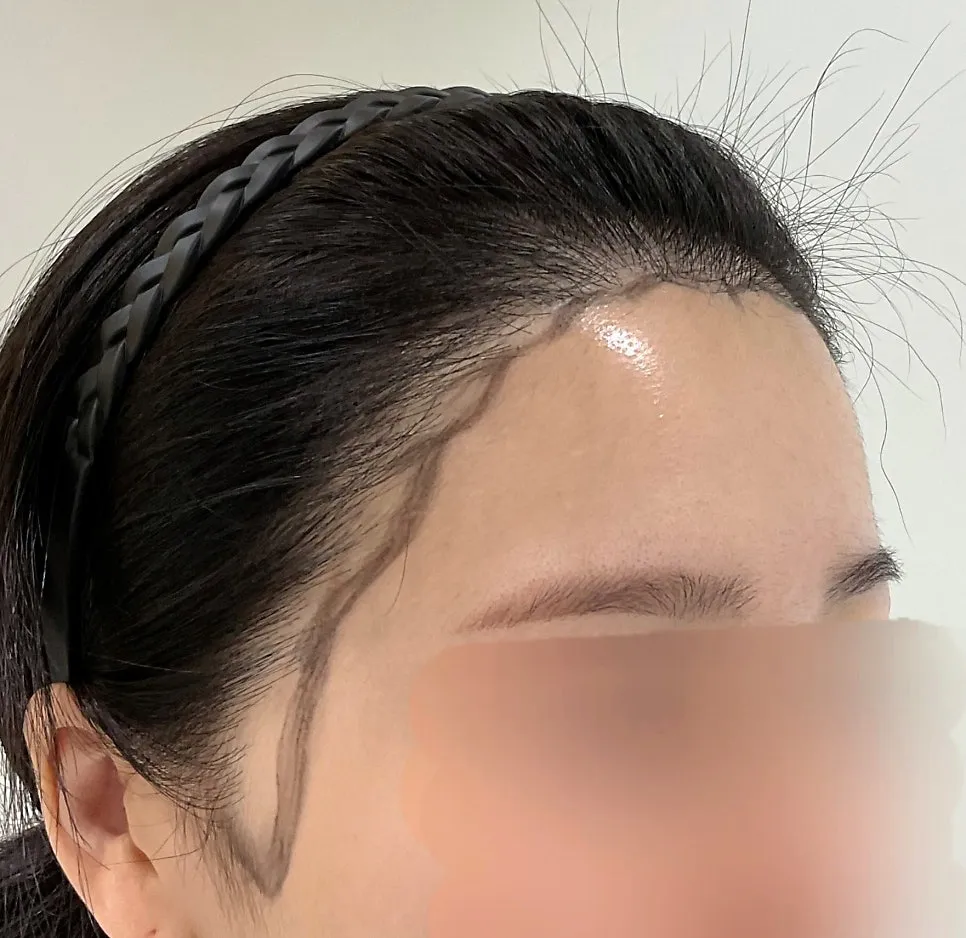
We decided to soften the overly pronounced curve and also recreate the sideburns that had been pushed back by the facelift.
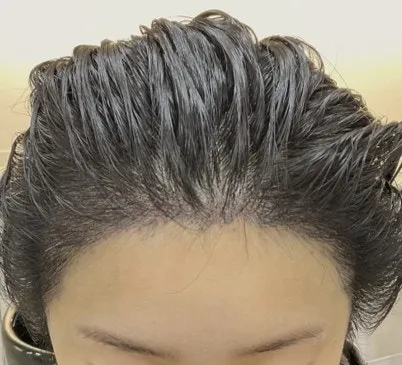
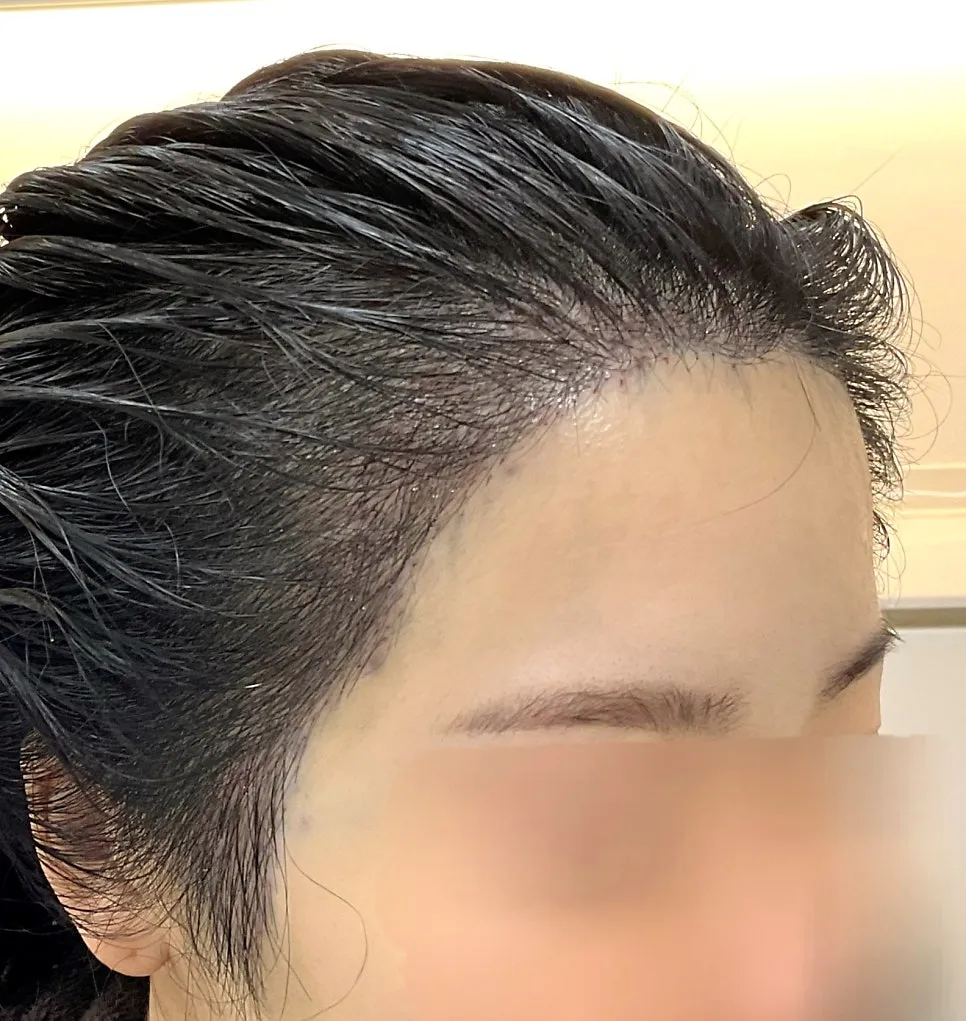
Planting So the Line Is Not Visible
Since a curve is important for the hairline, if you draw the curve and plant exactly along it, the line becomes 'regularly irregular.' So you should plant along the design line while adjusting density and arrangement so it does not look like a line.
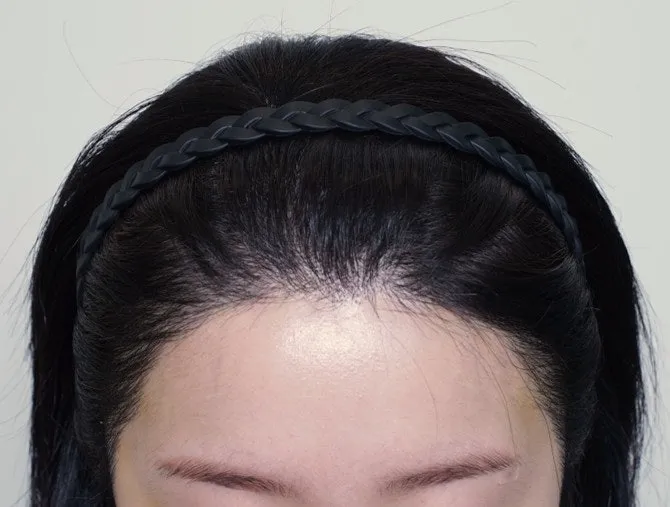
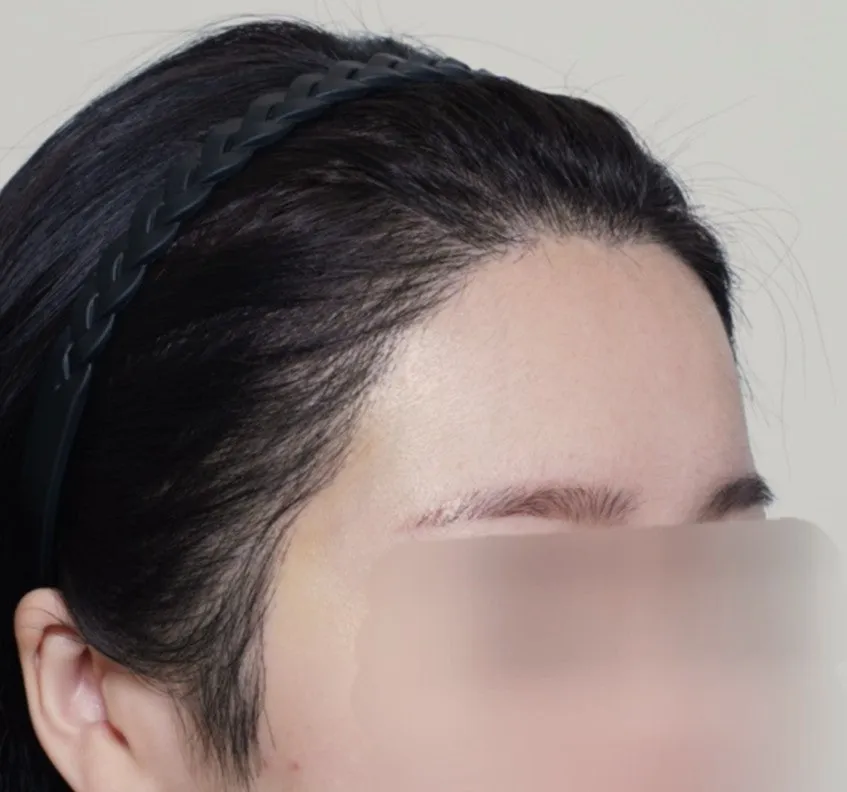
A certain degree of curve should be present, but the curve should not be too regular or look like a line; adding gradation in thickness and density brings it closer to a natural hairline.
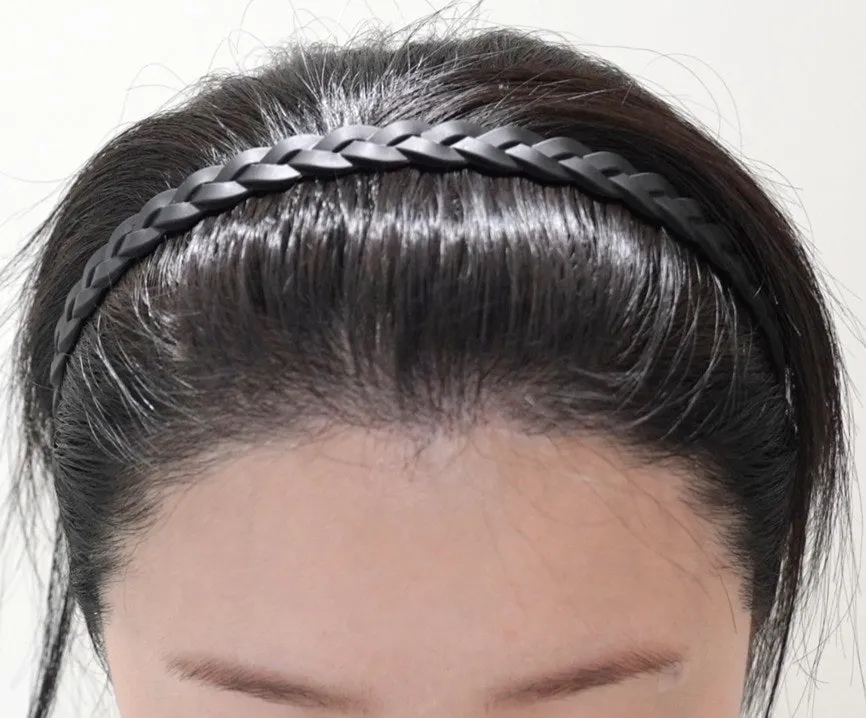
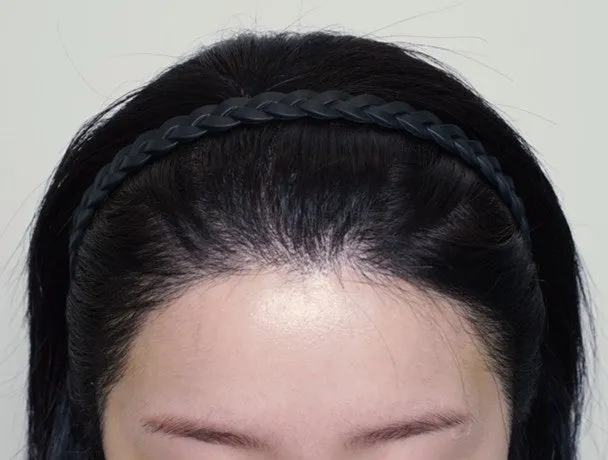
The Hairline Is Not a Line
A doctor I respect once said, 'The hairline is not a line.' It is paradoxical, but a powerful sentence. I always keep it deeply in mind.
※ Side effects such as swelling, bruising, pain, inflammation, and bleeding may occur after hair transplant surgery. ※ All photos on this blog are used and taken with the patient's consent.


