By Dr. Kim Narae · 2025.08.12
Hair Transplant Is a Surgical Procedure
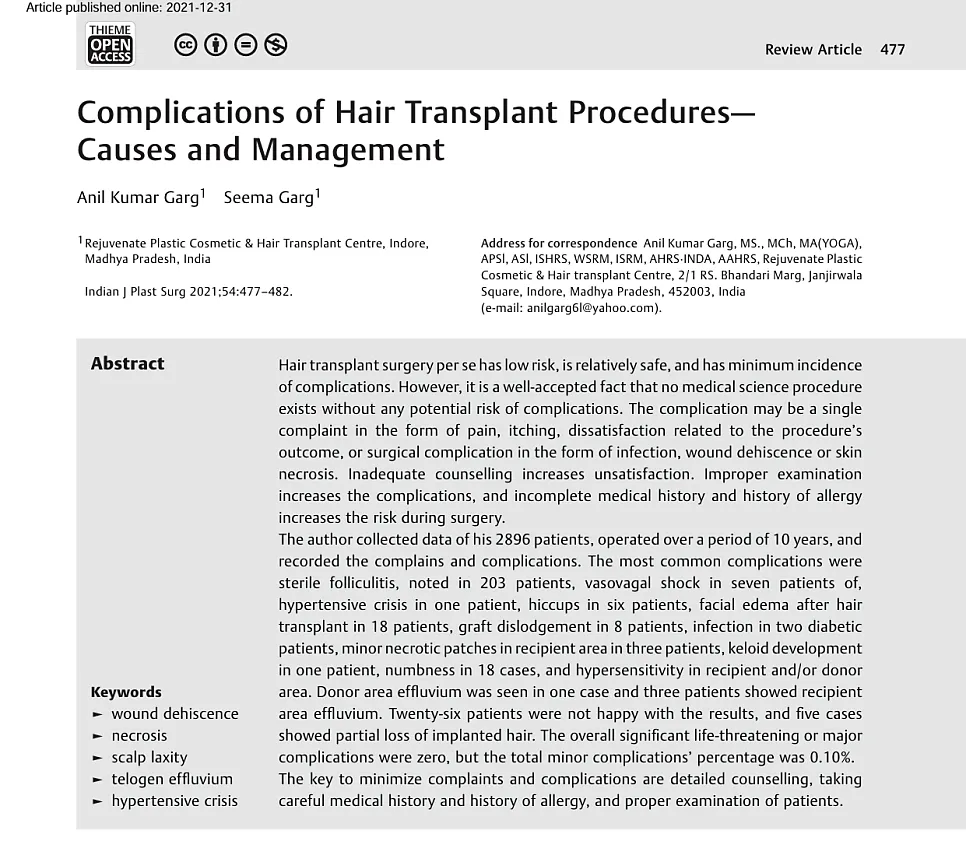
Hair transplant is often mistaken for a simple procedure, but it is in fact a surgical operation in which your own tissue is harvested and transplanted where hair is needed. Therefore, since various side effects and complications can occur after surgery, an accurate understanding of them is important. From the symptoms that commonly appear after surgery to the hair transplant side effects patients fear most, let's look at them in detail.
Side Effects That Occur Somewhat More Commonly
Swelling: Swelling after surgery can occur during the recovery process. The local anesthetic used during surgery and the tumescent solution used for tissue expansion and hemostasis flow downward under gravity, causing the forehead and eyelids to swell. In most cases it is mild, but if many grafts were placed, there was considerable bleeding, or blood circulation is poor, the swelling may spread to the area around the eyes. To reduce swelling, light walking helps circulation, and applying cold compresses around the surgical area is recommended. Swelling is usually at its worst on days 2-3 after surgery and gradually improves after 4-5 days.
Itching: Itching can naturally appear while the surgical wound heals. Causes include inflammatory substances released during healing and the process by which fine nerves in the scalp are damaged and then regenerate. It generally appears more often with the non-incision method than the incision method. Itching after hair transplant tends to get worse in the evening, as with other skin conditions, so taking an antihistamine before going to sleep can help.
Pain: Pain can occur after the anesthesia wears off, mainly at the back of the head where hair was harvested rather than at the transplant area. It is generally said that the incision method causes more pain than the non-incision method, but both can be adequately controlled with appropriate pain relievers.
In particular, with the incision method, you may feel pain for about 3 days without painkillers, and if pain persists even after taking a stronger prescription anti-inflammatory painkiller, a narcotic painkiller is very rarely used. If the pain gradually worsens after 3 days, or the swelling at the incision site is severe, you should contact the hospital where you had surgery to identify the cause of the pain.
Folliculitis: It is caused by physical damage during surgery and a natural inflammatory response, and very rarely by bacterial infection. Most folliculitis improves with an antibiotic ointment, or, when there is pus, with drainage together with antibiotics taken for 1-2 days, depending on the case.
The Side Effect Patients Worry About Most: Shock Loss
Shock loss is a phenomenon in which existing hair around the transplanted hair temporarily falls out due to surgical stress. It is rare, but it can happen to anyone, and hair usually starts growing again after 3-5 months, so there is no need to worry too much. However, even when we explain it this way, everyone is still surprised.
Shock loss can occur not only in the crown transplant area, but also in the area adjacent to the existing hairline after M-shaped transplant, and in the area where hair was harvested. After the incision method, it can occur above and below the incision line, including on both sides of the back of the head where tension is applied and around the mastoid process (the bony bump behind the ear). With the non-incision method, it occurs at a higher rate especially around the mastoid process.
Applying 5% minoxidil to areas of shock loss can help hair move into the growth phase a bit faster and show results, but if the scalp has not fully recovered after surgery it may be irritating, and hair also grows back naturally without any special treatment.
Hypertrophic Scars and Keloids
Areas of skin under a lot of tension, such as the chest and shoulders, are common sites for keloids, whereas the scalp is a site where keloids are very rare. However, according to reports from overseas, the possibility is not completely zero. Therefore, before surgery, a detailed medical history of how scars formed in the past is needed.
We first recommend the non-incision method, which applies no tension, but if the incision method is used, we perform surgery in a way that minimizes keloid formation. In particular, if the 'inflammatory phase', the first step of wound healing, is prolonged due to excessive tension, foreign material, or infection, the likelihood of keloids or hypertrophic scars can increase, so careful attention is required during surgery.
Nerve Damage
If the sensory nerves of the scalp are damaged during surgery, reduced sensation, altered sensation, or sharp neuropathic pain may appear at the transplant area or the harvest area. In theory, the more invasive incision method carries a higher likelihood of nerve damage and altered sensation may last longer, but the non-incision method can also cause the same discomfort when a large number of hairs are transplanted.
Pain or abnormal sensation does not stay at the same intensity; over time its frequency and degree gradually decrease until it finally disappears, which means the damaged nerve is slowly recovering. Most cases improve over time, but in some the pain may persist. Therefore, surgical technique and effort to minimize nerve damage are important, and if neuropathic pain continues, a prescription for neuropathic pain relief medication or botox injections can help calm it.
Please Don't Worry Too Much Ahead of Time
We have now looked at the side effects of hair transplant one by one. Most side effects of hair transplant can be prevented or reduced through a careful medical history, attentive care, a thorough surgical plan, and clean surgical technique, and can be managed with simple medication, so we recommend that you not worry too much in advance and instead receive a detailed consultation.