
By Dr. Park Sooho · 2025.07.27
For Crown Hair Loss, We Recommend Medication First
Many people who visit the clinic for crown hair loss ask us to go straight to a hair transplant. However, for crown hair loss, medication is usually recommended before a hair transplant. The crown responds relatively well to medication, so it often improves without a hair transplant, and even if surgery is needed, the occipital hair can be saved because the area already recovered with medication does not need to be transplanted.
However, there are also cases where a hair transplant and medication are combined from the very beginning. This is when hair loss is severe and medication alone seems insufficient. Even in this case, the ideal would be to take medication for about a year to see how effective it is before deciding on a transplant. But when it seems difficult for the crown's “volume” to improve, even if the medication improves scalp show-through, a hair transplant and medication may be used together depending on the patient's expectations.
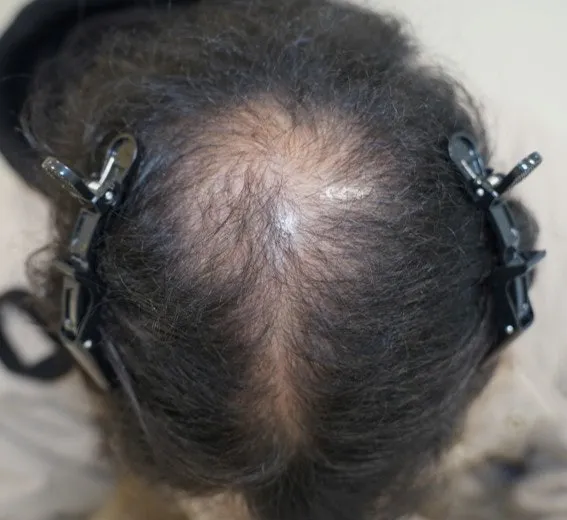
A Case of Starting Hair Transplant and Medication Together
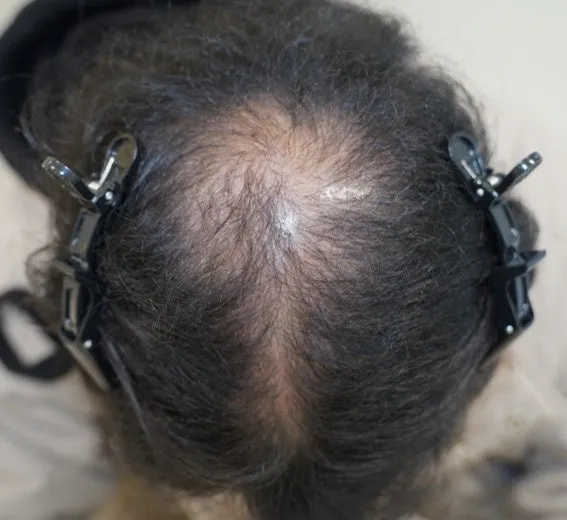
The patient above is a man in his mid-20s who briefly took hair loss medication in his early 20s but stopped when he enlisted in the military, and after that he was unable to take medication for about 3-4 years. Since his crown hair loss was quite severe, we suggested first taking medication for about a year and then deciding the transplant area, but the patient wanted the transplant to be done at the same time.
Only by taking the medication and monitoring progress would we know exactly how much it would improve. However, even if scalp show-through improves due to the medication, volume was likely not going to improve much. So we suggested doing the transplant together, but not transplanting too much right now: we would avoid fine hairs that could improve with medication, transplant about 3,000 hairs across the entire crown, and take the medication diligently.
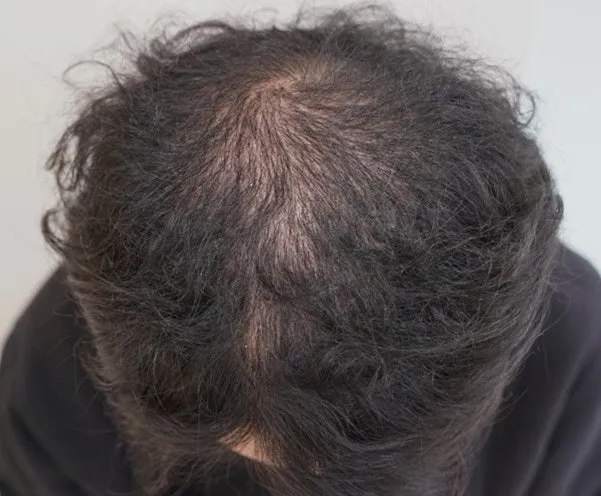
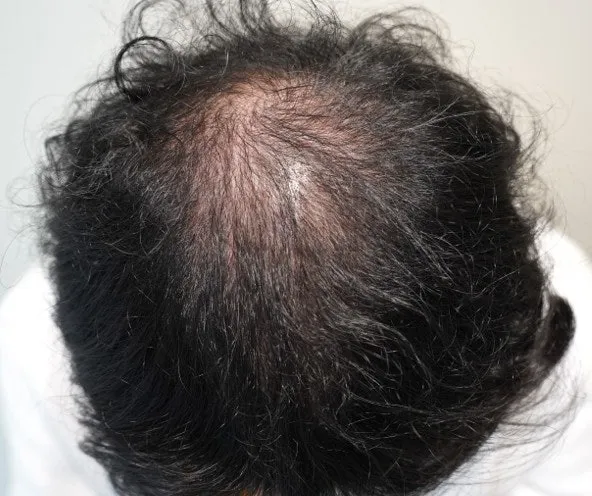
Day 10, 2 Months Later, and 8 Months Later
These are the photos from day 10, when the stitches were removed, and from 2 months later, when hair loss medication was prescribed. In the 2-month photo, the transplanted hair has shed considerably (the so-called dark period), so it looks a bit thinner than in the day 10 photo, but fortunately there was no concurrent shedding of existing hair, so it has not gotten worse than before surgery.
Now, if you wait two more months, the transplanted hair will start growing out and look much better. The patient started taking medication from the consultation visit, one month before surgery, so it has been about 3 months since they started taking medication, and the hair density in the areas that were not operated on has also become slightly denser due to the medication, which is noticeable.
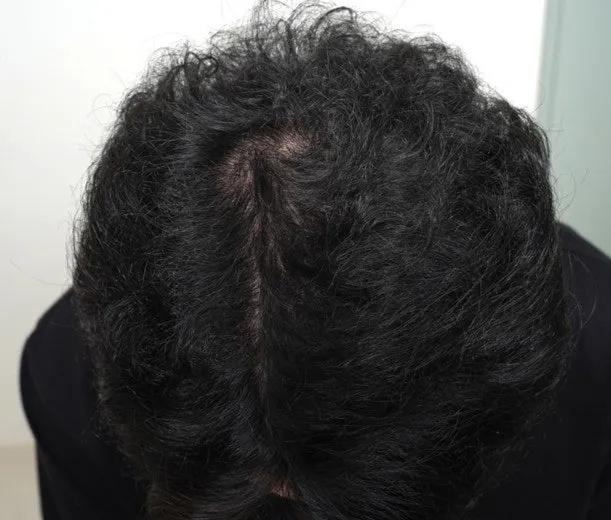
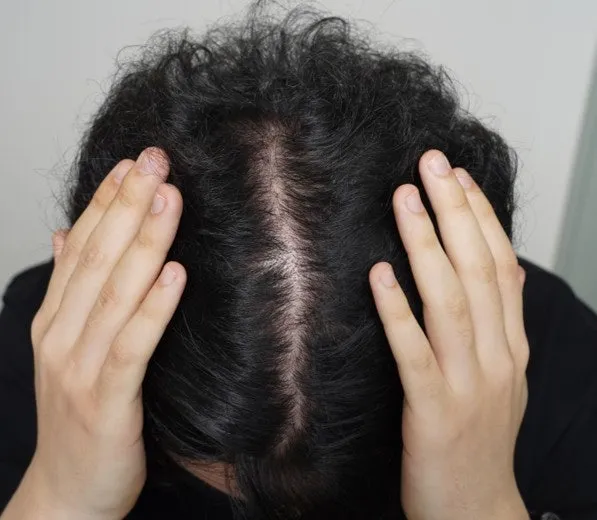
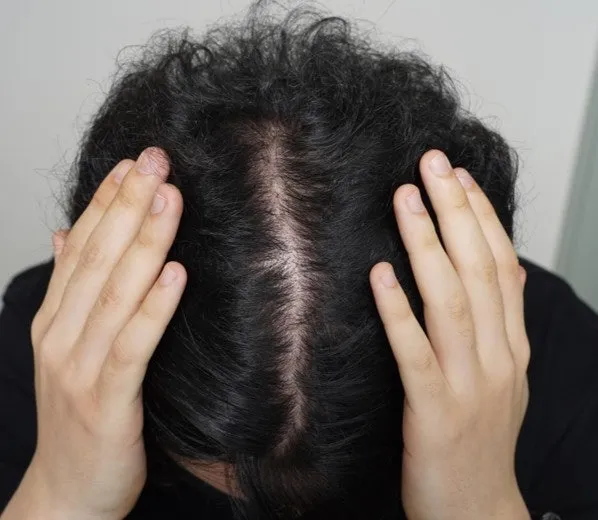
This is how they looked when they came in a few days ago to get a medication prescription. It has already been 8 months. The transplanted hair has grown well, and the hair that had become thinner due to the medication has become much thicker. They have improved to the point where they can style their hair freely now, and if they continue to take their medication properly, they should be able to maintain this look for a long time.
Summary
For crown hair loss, if it is not severe, the principle is to start with medication first. Many cases improve enough with medication alone, and it can help avoid surgery or reduce the scope of surgery.
However, if hair loss has progressed considerably and it seems difficult to restore volume with medication alone, starting a moderate-sized hair transplant together with medication can also be a good choice.
※ Side effects such as swelling, pain, bleeding, infection, and concurrent shedding may occur after a hair transplant. ※ All photos on this blog are taken and used with the patient's consent.


