
By Dr. Kim Narae · 2025.07.09
Menopause: Changes That Also Come to Hair
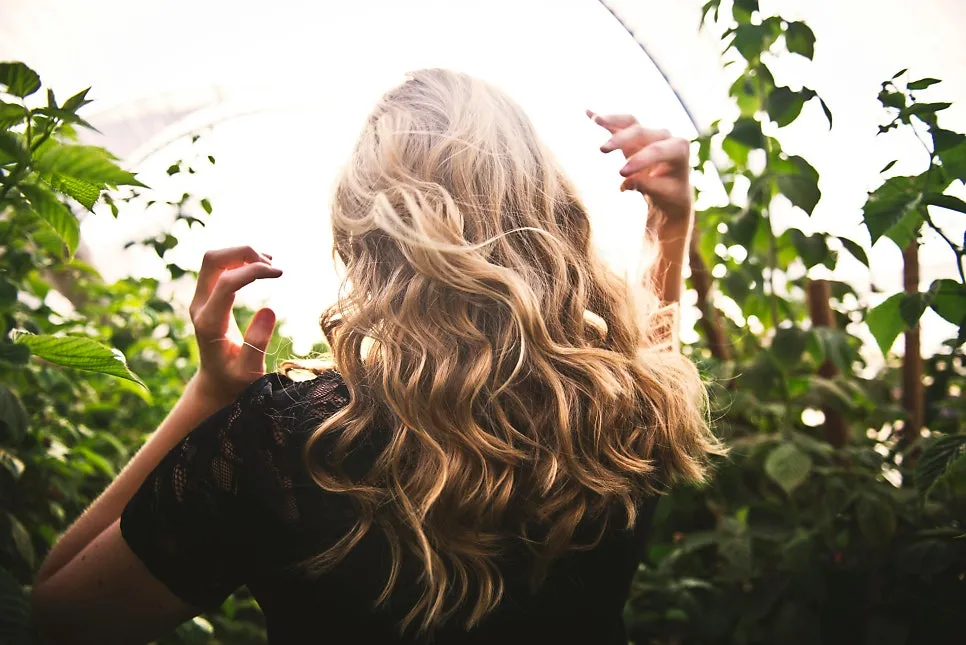
Menopause and the perimenopausal transition are important periods in a woman's life. Many physical and emotional changes occur: estrogen and progesterone, the female hormones, decline, while androgens become relatively higher. These changes affect not only mood or sleep but also hair in a major way.
How might the loss of estrogen and the relative dominance of androgens affect hair? Estrogen acts on ER-β receptors in hair follicles, prolonging the growth phase of hair and helping maintain hair thickness. When this hormone decreases, the growth rate and thickness of hair naturally decline, which can lead to hair loss.
A Japanese Study of 11 Postmenopausal Women
Let me walk you through a paper from Japanese researchers that I studied in order to practice evidence-based medicine.
This is a study by Japanese researchers conducted with 11 postmenopausal women. After six months of estradiol administration, the thinning of frontal hair improved significantly, the proportion of hair in the resting phase decreased, and plucking strength increased.
Of course, the sample size is small and there is no control group, so there are limitations, but as evidence that hormone therapy can affect hair health, it is quite meaningful.
Of course, hormone therapy is something to decide after sufficient consultation and examination with an obstetrics and gynecology specialist. Considering the patient's age, menopausal status, symptoms, underlying conditions, and so on, thorough discussion is needed, such as estrogen alone or combined therapy with progesterone.
Menopausal Hair Loss Requires a Multifaceted Approach
There is an important point here. Although hormone therapy can bring about this kind of improvement in hair loss, menopausal hair loss is not caused by hormones alone, so a multifaceted approach is needed.
Factors such as stress, which may increase during this period, thyroid dysfunction, deficiency of essential nutrients such as iron or vitamin D, side effects of certain medications, and genetic predisposition can all work together and worsen hair loss.
Treatments for Menopausal Hair Loss
Let us look at the treatments available for menopausal hair loss.
The following three treatments are representative options that the FDA has approved for treating hair loss.
Minoxidil (2–5%): Recognized as a standard treatment for female pattern hair loss, with effects such as improved scalp blood flow and a longer hair growth phase. Nowadays, low-dose oral minoxidil is also frequently prescribed.
Antiandrogens: Antiandrogen drugs such as finasteride and spironolactone slow the miniaturization of follicles. However, finasteride is a drug approved for treating male androgenetic alopecia, and spironolactone is a diuretic that affects potassium levels, so consultation with a specialist is essential.
LLLT (low-level laser therapy): It activates hair follicles and promotes hair growth, and in particular it improves blood flow and reduces inflammation to help ease hair loss.
Dietary Habits: Perhaps the Most Important Factor
And we cannot leave out dietary habit management, which may be even more important than anything else.
Nutrition and lifestyle management: Healthy protein, vitamin and mineral intake, stress management, and so on. Even if there is a genetic predisposition, it is important to make every effort to adopt the healthiest possible eating habits so that they do not lead to hair loss.
I know that changing eating habits and lifestyle, and managing stress, may sound easy when a doctor says them in the clinic, but for patients they can actually be the hardest and most burdensome part.
Small Changes, Starting From Now
“It's just menopause, of course” / “Stress is something I can't prevent”
If you are thinking this way, why not start with one small change right now?

For example, to manage my recent stress and the muscle tension it causes, I sometimes try “cold plunge” (cold water immersion therapy), which athletes and celebrities such as BLACKPINK's Jennie are said to do. It always takes a while to make up my mind, but once I act on it, I feel my mind clear and my body lighten.
Menopausal hair loss can be a sign that the balance of the whole body has broken down, beyond a simple appearance concern. I hope that through this opportunity you will restore not only your hair health but your whole-body health.
Reference: Endo Y, Obayashi Y, Murakoshi M, Saito J, Ueki R. Clinical and phototrichogrammatic evaluation of estradiol replacement therapy on hair growth in postmenopausal Japanese women with female pattern hair loss: a pilot study. Int J Womens Dermatol. 2023;9(4):e109. doi:10.1097/JW9.0000000000000109


