By Dr. Shin Seungkyu · 2025.06.11
Concerns That Remain After Two Hair Transplants
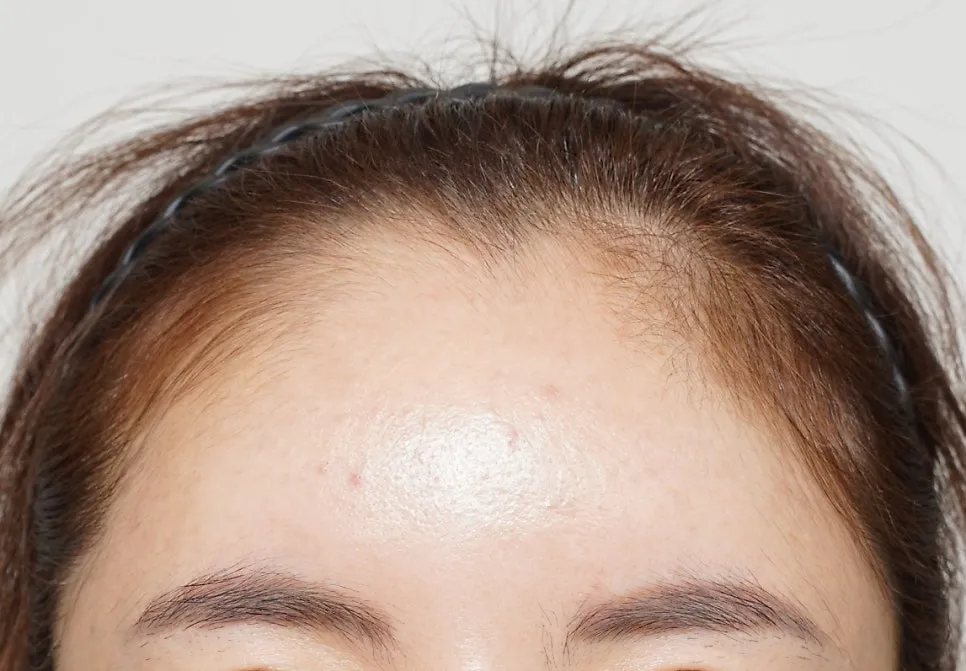
Today I want to share the story of a patient who, after two unsuccessful hair transplants, had a forehead reduction to lower the forehead height and improve the wrinkles, and then had another hair transplant to complete the hairline.
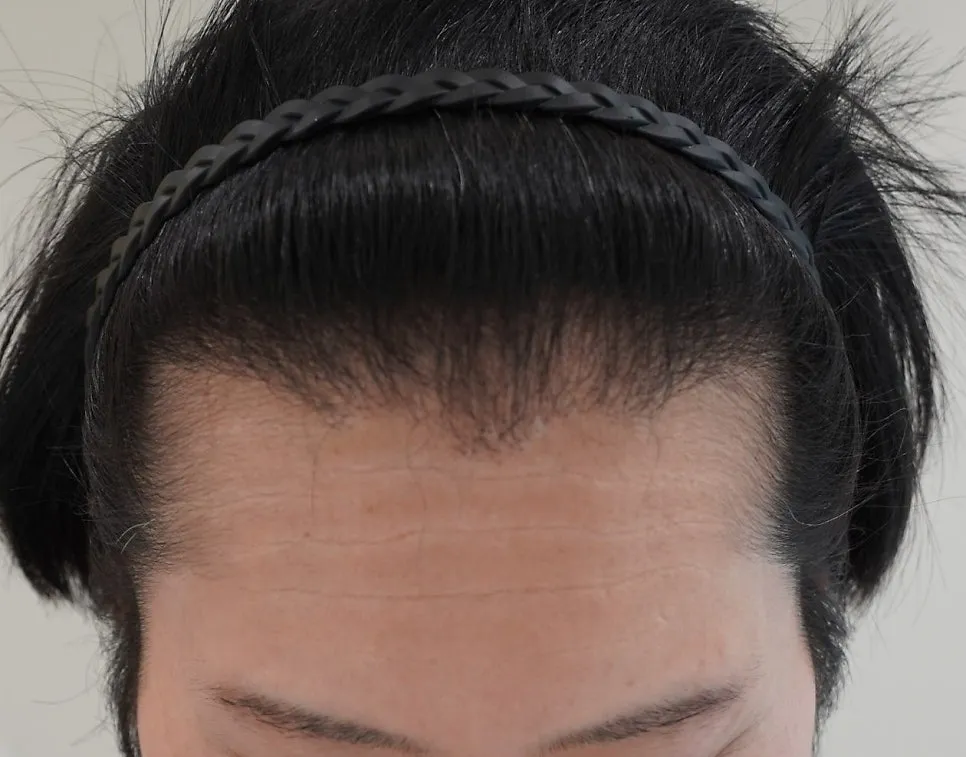
The patient in these photos came to our clinic after having two hair transplants already. Even after two procedures, the patient was still concerned about a high forehead, low density, a deep M-shape, and deep forehead wrinkles. The patient wanted the forehead lowered as much as possible and the hairline made slightly rounder.
Forehead Reduction and Wrinkle Improvement
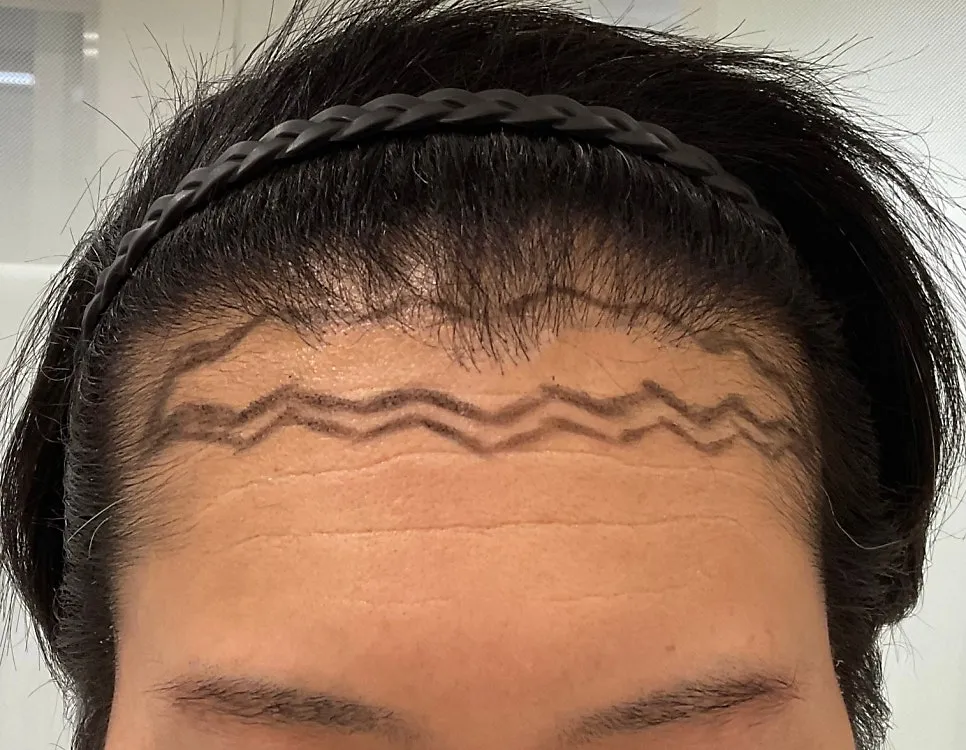
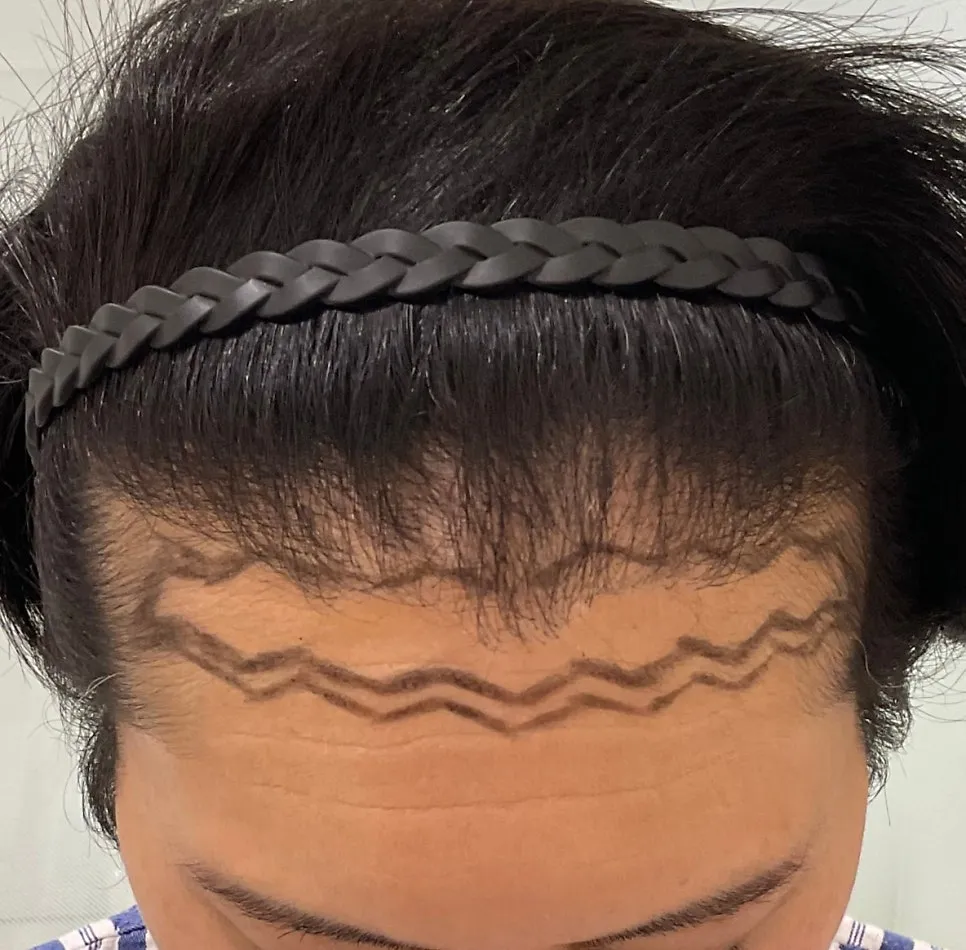
To lower the forehead as much as possible, I recommended a forehead reduction. I explained that during the forehead reduction, the front part of the earlier hair transplant area, where density had thinned considerably, would also be removed, and the follicles taken from that area could be moved back and transplanted toward the rear.
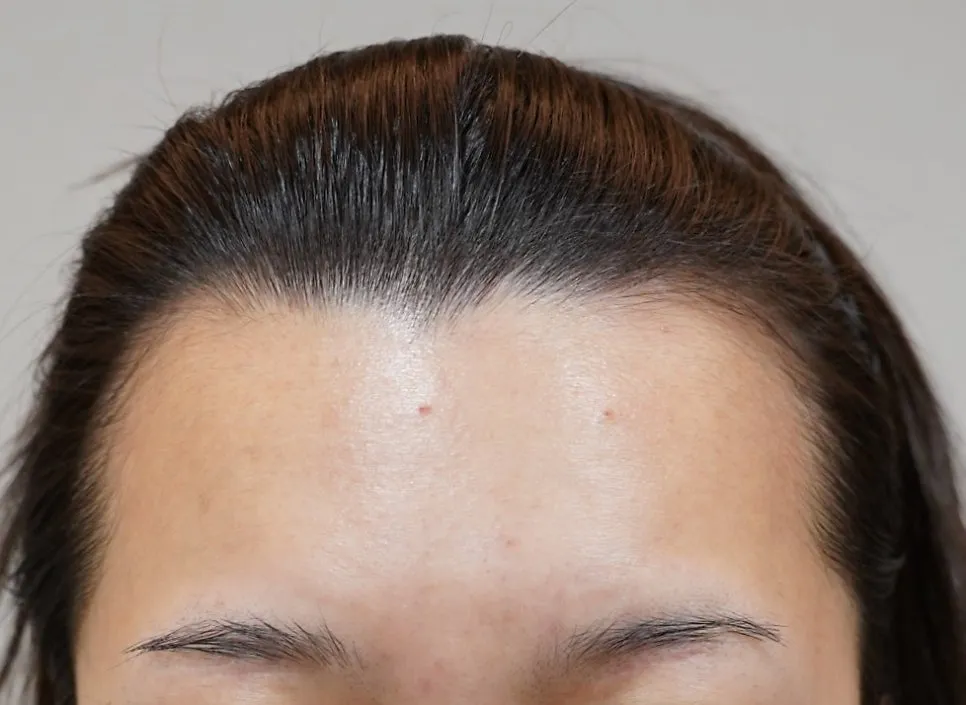
I also explained that although the forehead wrinkles were deep and could not be completely smoothed out, they could be eased to some extent by releasing the tissue at the forehead and adjusting the forehead muscle slightly. After the forehead reduction was completed as planned, the patient returned about six months later.
Six Months After Forehead Reduction
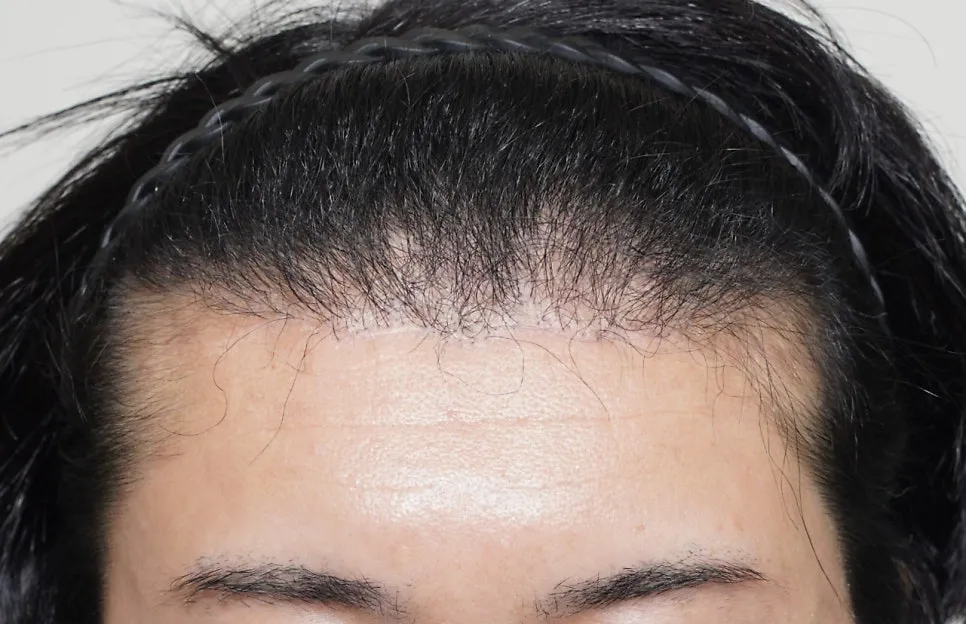
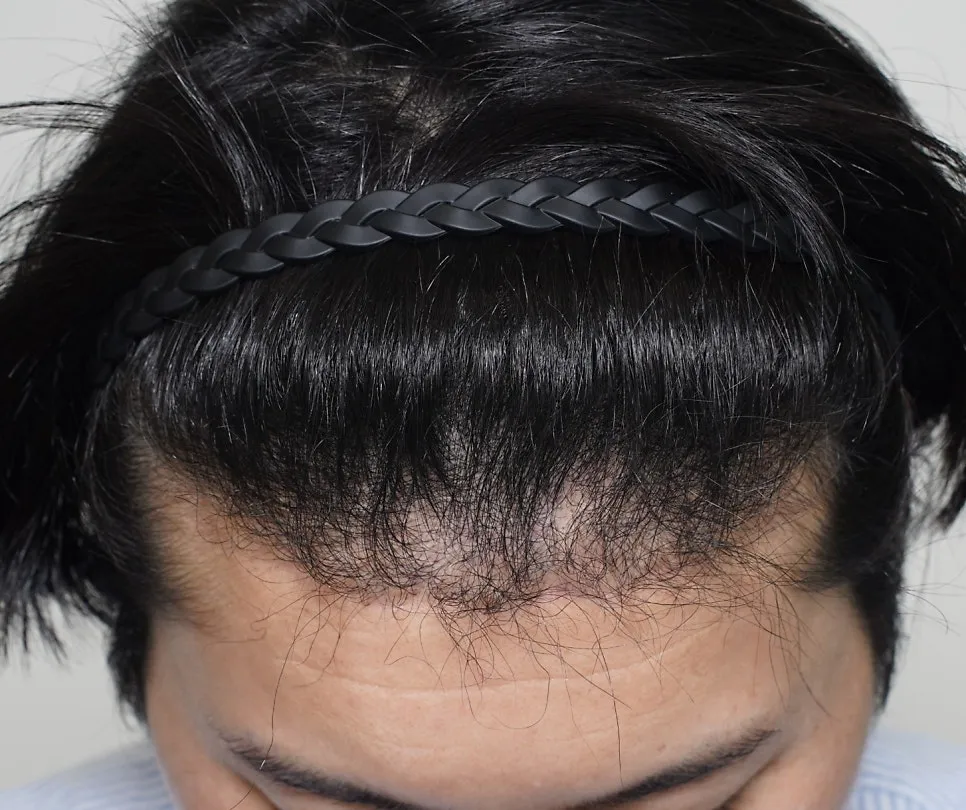
The forehead height had clearly come down and the wrinkles had eased to some extent, and the patient was very happy with the result. However, the patient wanted to increase the density of the earlier transplant area and make the hairline rounder.
The patient said they had come after reading a post on our blog suggesting that a slightly rounded line can also suit men. We were grateful that the patient had read our writing so carefully, and we felt glad to have provided useful information.
Hairline Completed With a Second Hair Transplant
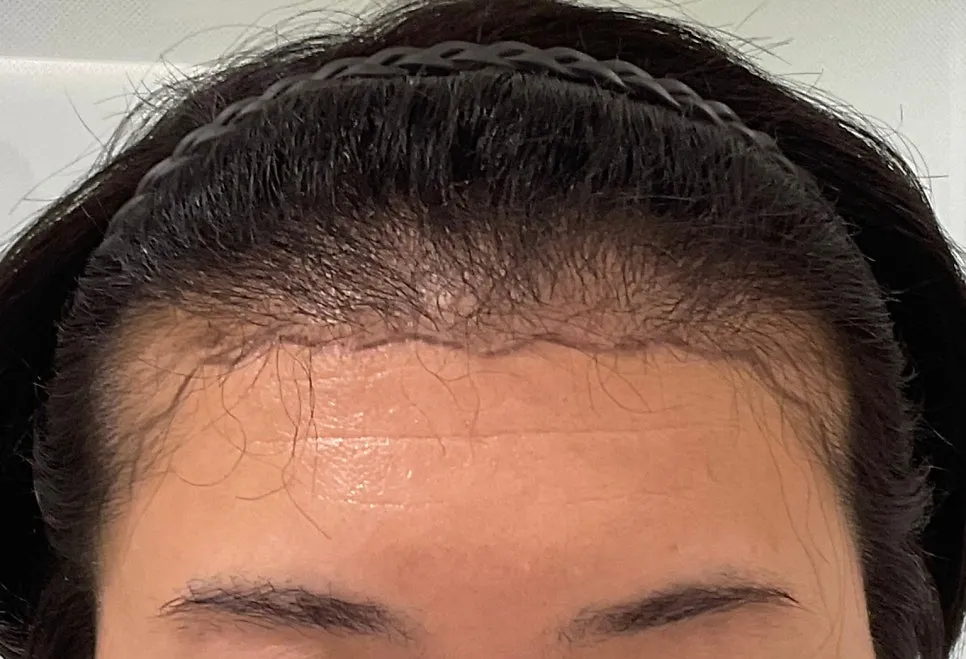
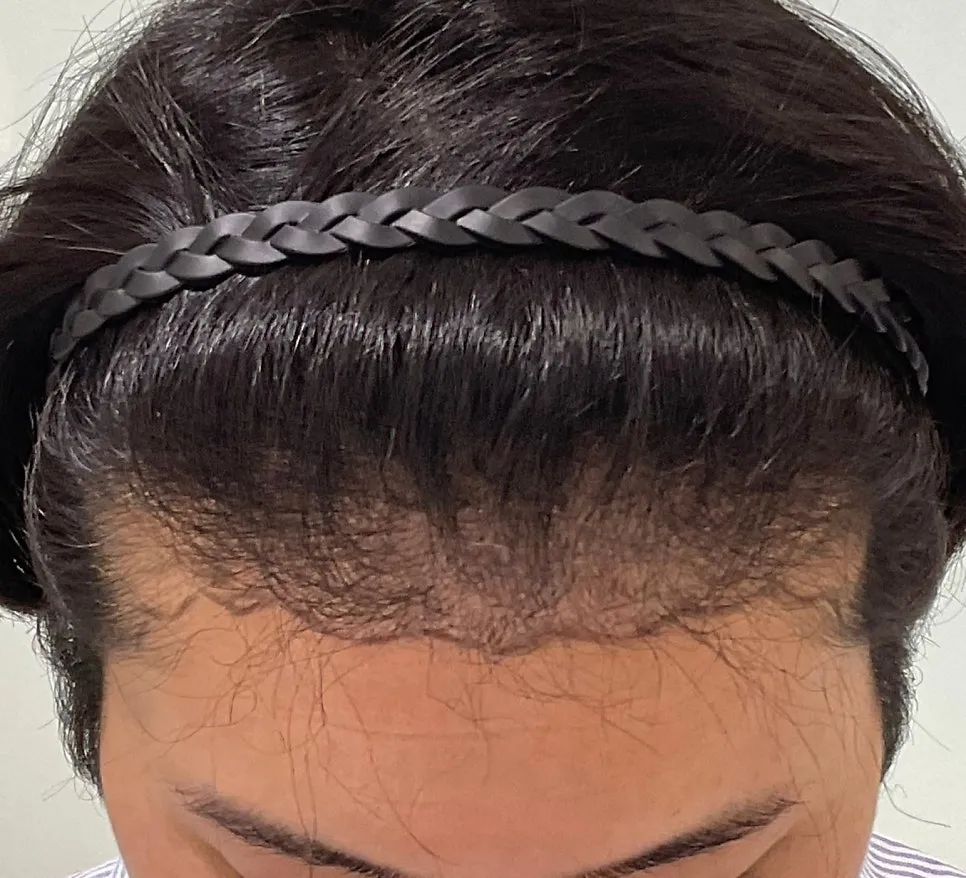
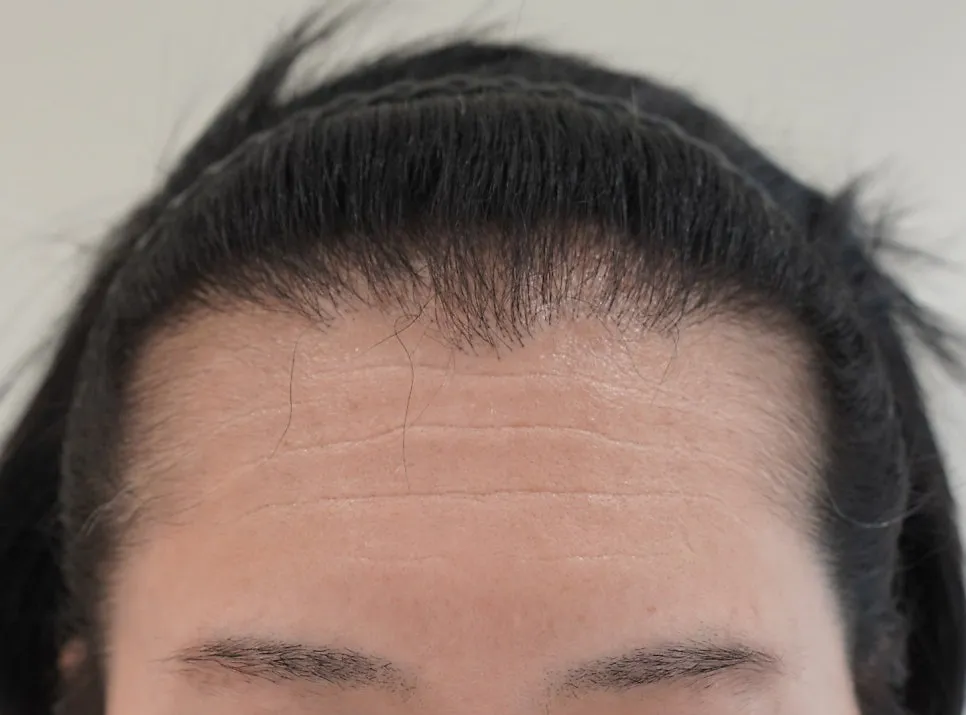
The height had already come down a lot, so we did not think it needed to be lowered further. We filled in the thinning density and gave the angled corners on both sides a slightly rounded design.
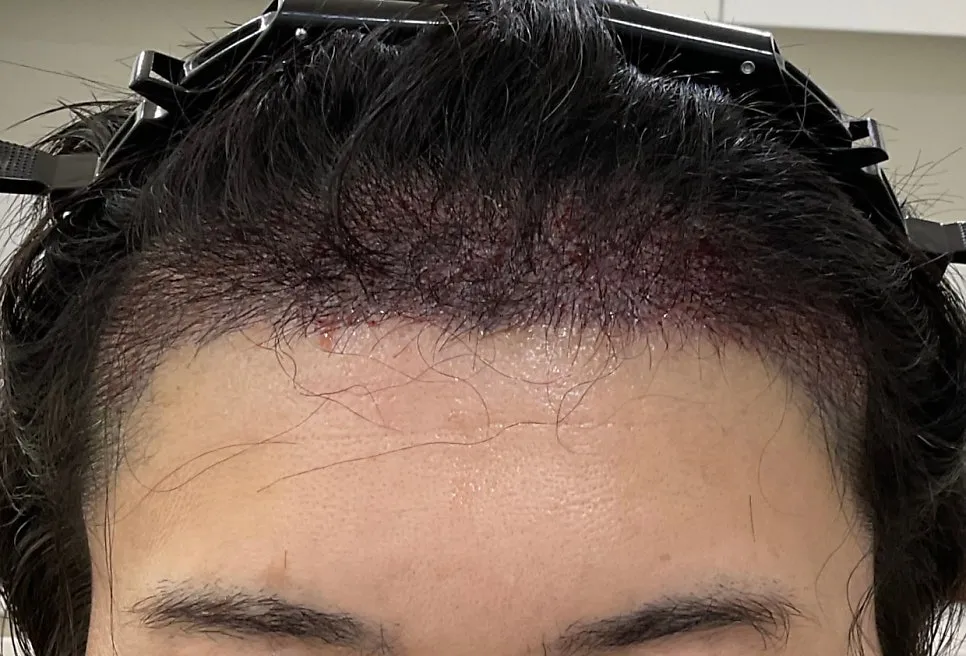
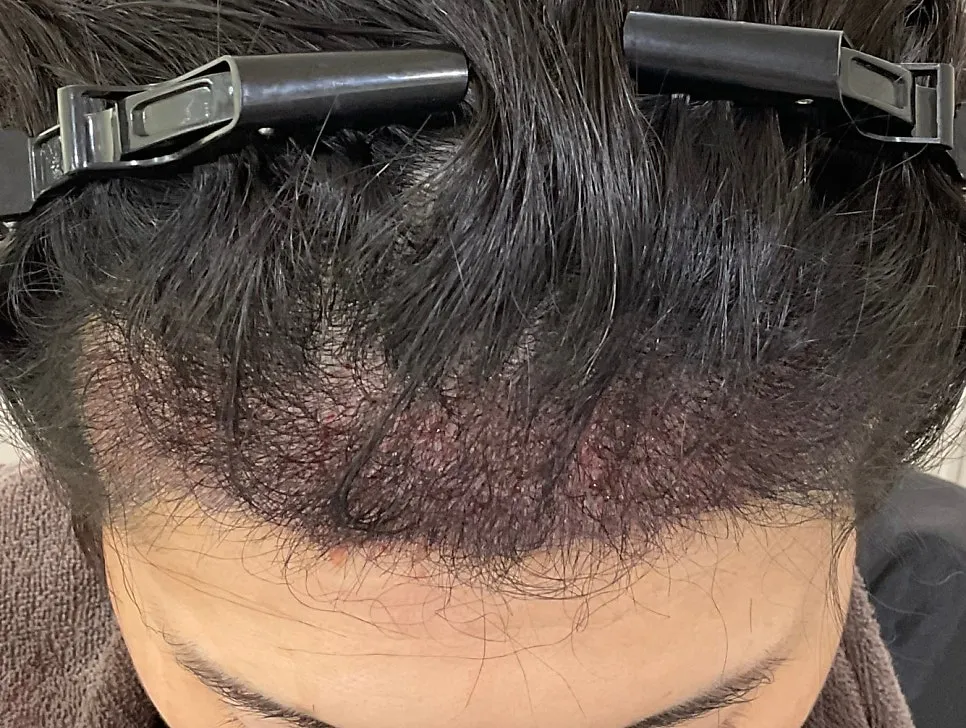
This photo was taken right after surgery. A definitive result takes about one year, but the patient was already pleased after checking in the mirror once the procedure was finished. The process had been difficult after several surgeries, but the patient was very glad to have found a forehead shape they were satisfied with. I reassured the patient that the line and density should develop as they look now.
Forehead Reduction and Hair Transplant: Two Approaches
To create the forehead shape the patient wants, forehead reduction and hair transplantation must be used appropriately depending on the situation. Each patient's face shape and scalp characteristics must be carefully considered, but the most important factor is probably the forehead shape the patient wants. To create that shape, I will explain a suitable design and method.
※ Side effects such as bleeding, pain, swelling, and infection may occur after surgery.
※ The photos above were used with the patient's consent to photography and use.