
By Dr. Park Sooho · 2025.06.01
Crown Hair Transplant and Concurrent Shedding
Have you heard that a crown hair transplant can cause concurrent shedding? Concurrent shedding refers to when, about a month after a hair transplant, the transplanted hairs fall out and existing hair that was not transplanted falls out at the same time.
If you transplant carefully so as not to disturb the surrounding follicles, you can reduce the likelihood, but it is difficult to completely eliminate the possibility of concurrent shedding.
A crown hair transplant is done between existing hairs, so the likelihood of concurrent shedding is higher than with a hairline transplant. If concurrent shedding is severe at the crown, it can be hard to cover, and sometimes partial wigs may need to be used until the lost hair grows back.
However, concurrent shedding will definitely recover. Even if concurrent shedding does occur, you can see hair grow back thickly if you wait just three months.
Combining Surgery and Medication
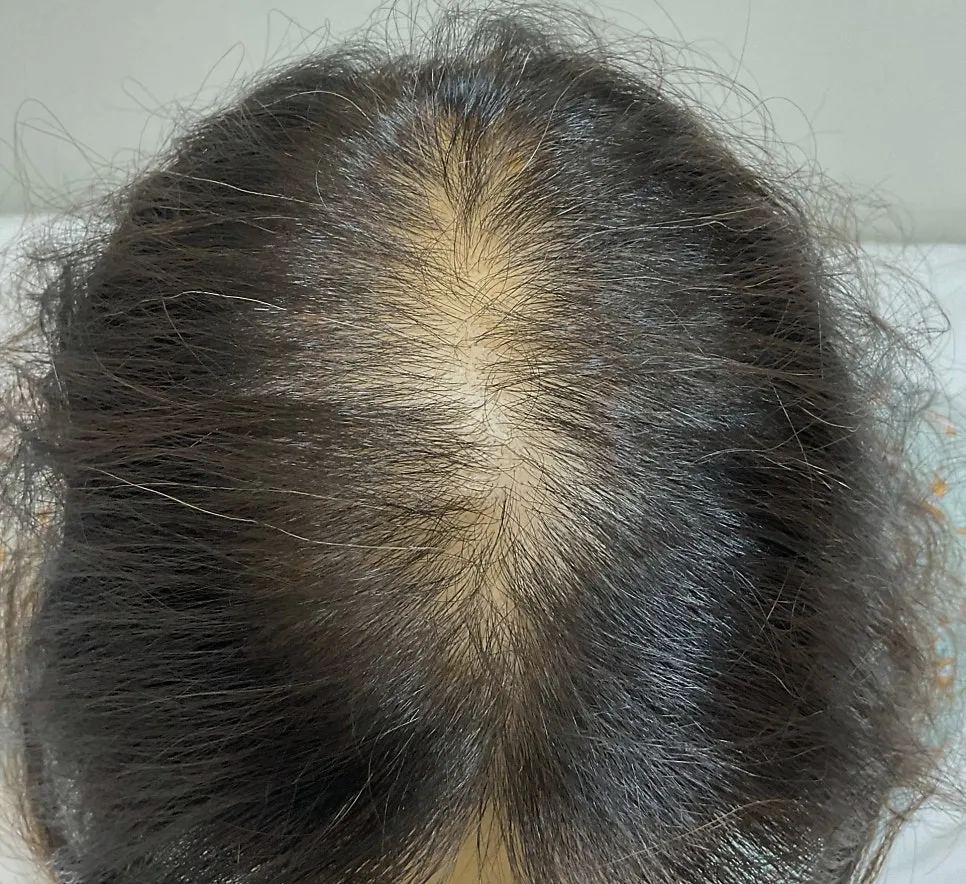
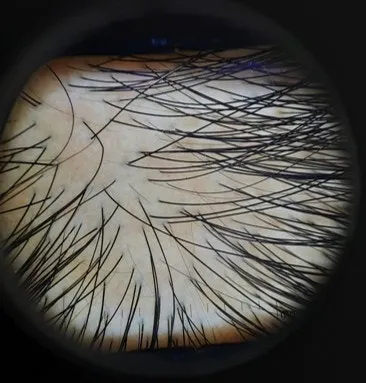
The patient above also came in for crown hair loss. Although the scalp showed through a lot, when viewed under magnification the spacing between the hairs was fairly good, so I recommended trying medication first before deciding on surgery. This is because I thought the scalp would show through much less once the thinned hair became thicker.
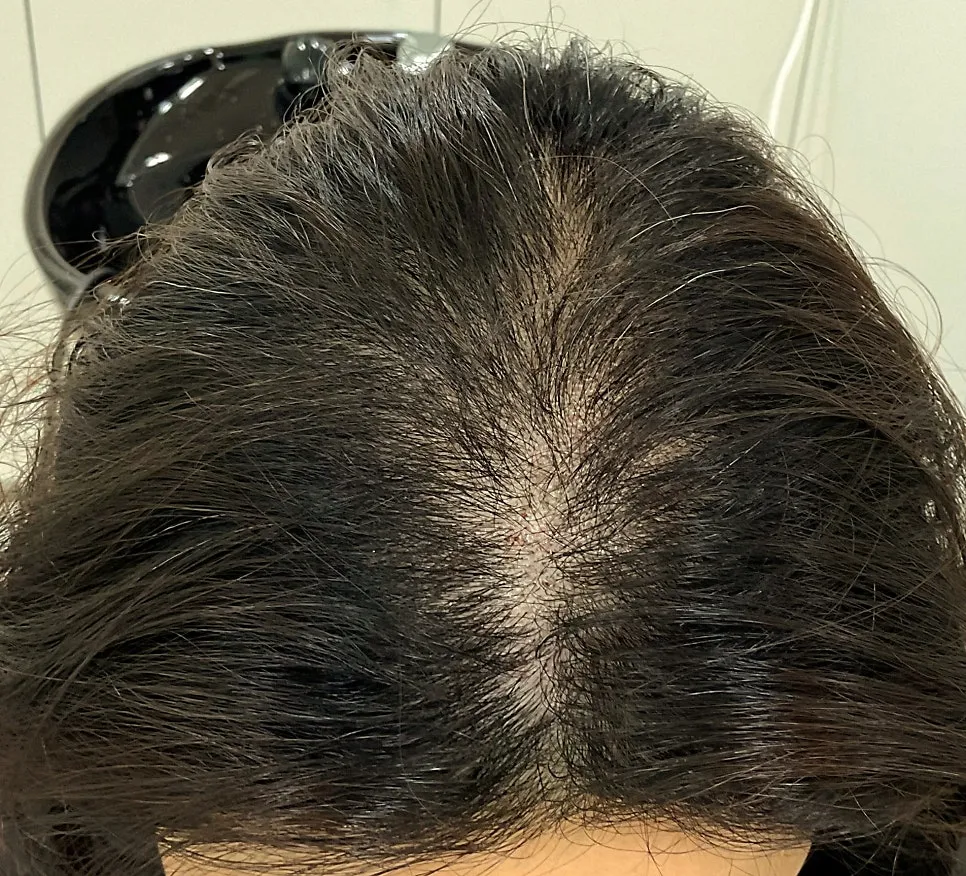
However, the patient wanted a more certain approach and wanted to start surgery and medication at the same time. They also lived far away, so it was hard for them to visit often. So we decided on surgery, but not too excessively: about 2,500 hairs would be transplanted only into the part area that looked most empty, and they would also start medication.
Day 10 Progress
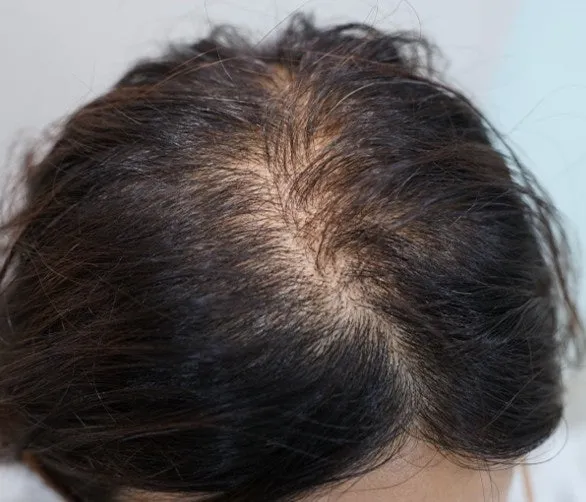
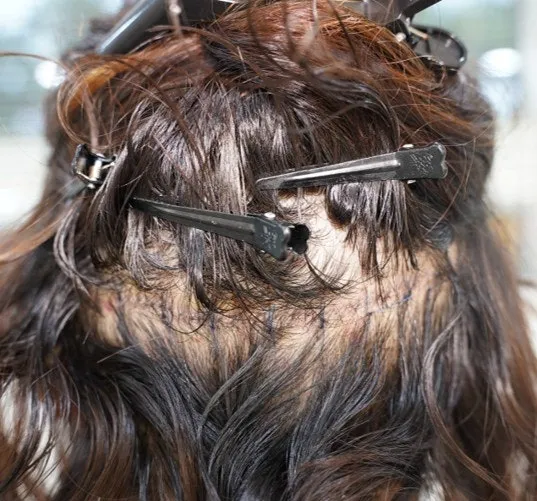
When they came in 10 days after surgery, they were pleased that the crown already looked filled in. They enjoy sharing a meal and a drink with their spouse, and they were also happy that since engraftment was complete, they could drink again.
Concurrent Shedding Began About a Month Later
However, about a month later, they contacted us saying they were losing too much hair. Although they had been explained in advance about transplant shedding and concurrent shedding, they became worried when concurrent shedding actually happened. I explained again and reassured them, but when the lost hair had not grown back after two months, they came to the clinic in person.
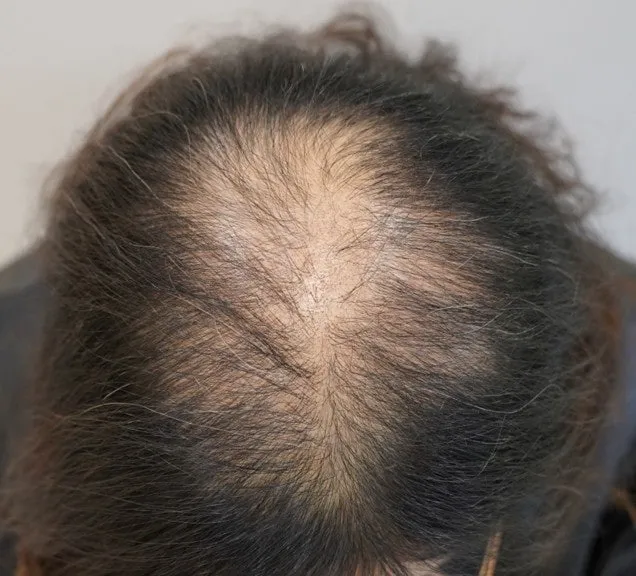
Most of the transplanted hair had shed, and the concurrent shedding of the hair around it was quite severe. It is understandable to be worried, since it now looks even thinner than before surgery. After I explained again while checking their condition in person and reassured them, they seemed finally at ease. I told them that if they waited just one more month, dark, thick hair would grow back.
Final Follow-Up One Year Later
Before long, a year had passed, and they came in for their final follow-up.
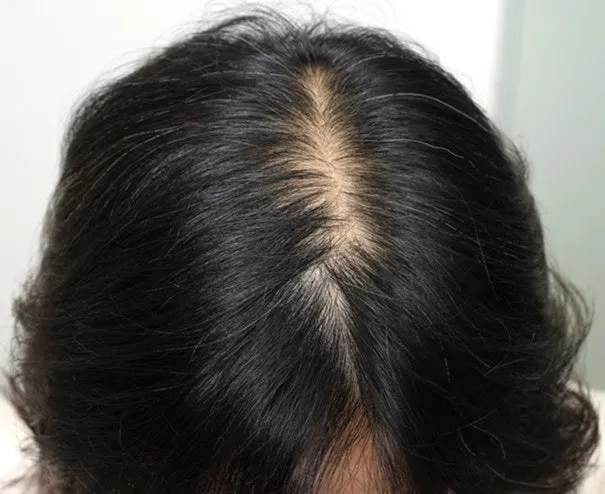
As expected, the transplanted hair and the hair that had shed through concurrent shedding had all grown back well, and they looked much improved. They also diligently used topical minoxidil, so the effects of the surgery and the medication worked together. With more confidence and their daily life feeling much more comfortable, they said that although applying minoxidil is a bit of a hassle, they will keep applying it diligently.
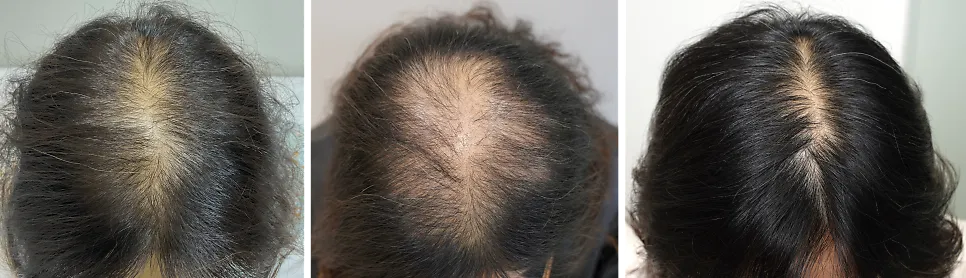
※ After a hair transplant, side effects such as pain, swelling, bleeding, infection and concurrent shedding may occur. The photos above were taken and used with the patient's consent.


