By Dr. Shin Seungkyu · 2025.04.25
About Engraftment Rate
One of the things many people are most curious about is the "engraftment rate." The engraftment rate is the proportion of transplanted follicles that survive, engraft well, and keep growing hair. Naturally, a good engraftment rate is what makes a hair transplant successful and lets you enjoy full hair.
Many patients ask about the engraftment rate, and my answer is that while it is not 100%, most of the transplanted follicles survive and engraft. Since I have been performing hair transplants for a long time, the engraftment rate seems to come out steadily well.
Another question about the engraftment rate is whether it differs depending on the harvesting method. The harvesting methods are broadly divided into incisional and non-incisional, and many people wonder how the engraftment rate compares between them.
Results of the Non-Incisional Method
People often ask whether the non-incisional method has a lower engraftment rate than the incisional method, so I will explain using the results of a patient who had a non-incisional procedure.
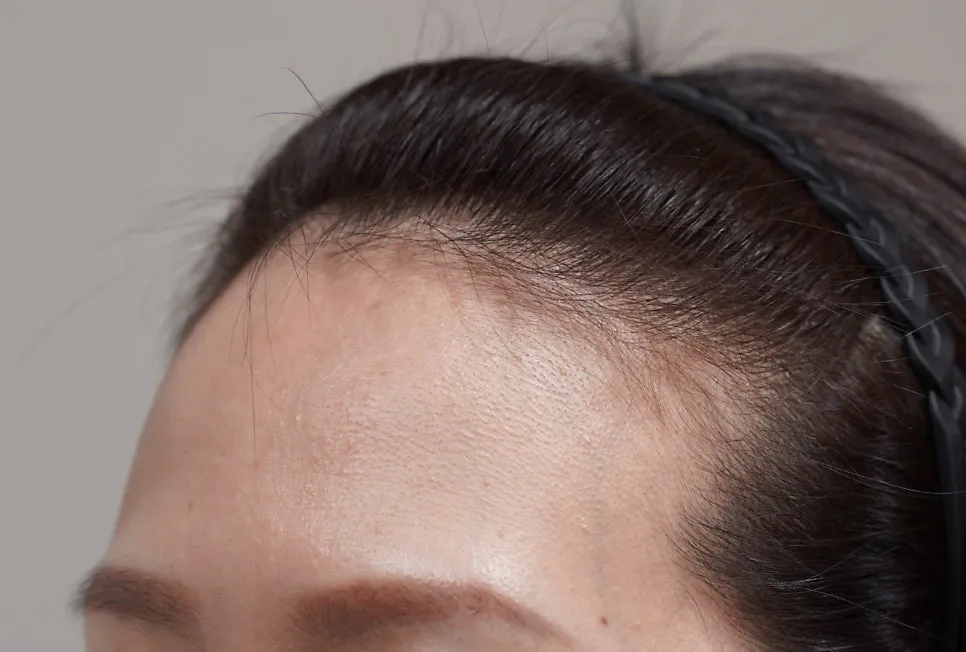
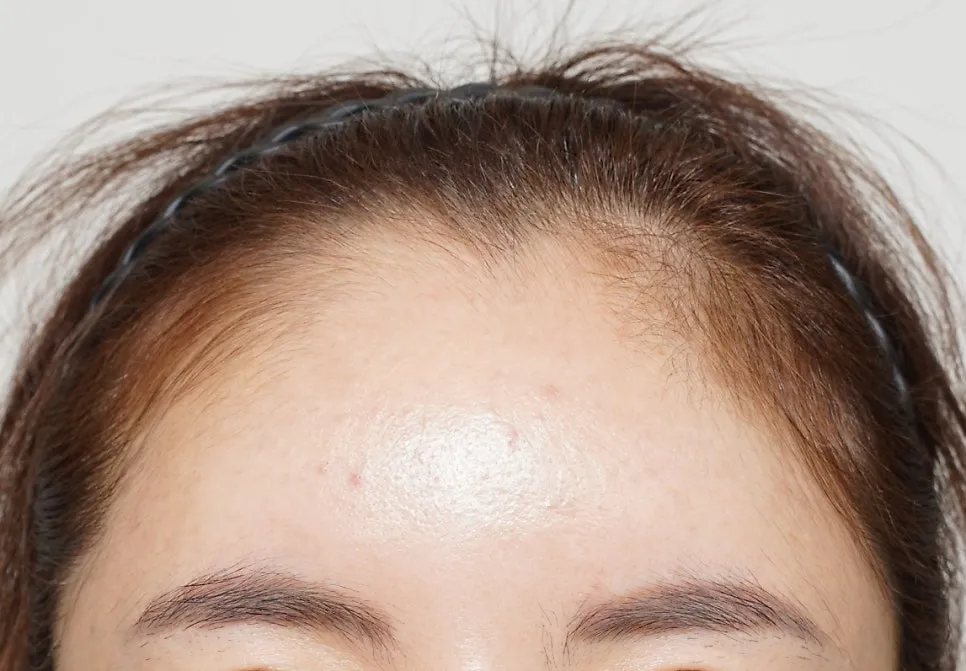
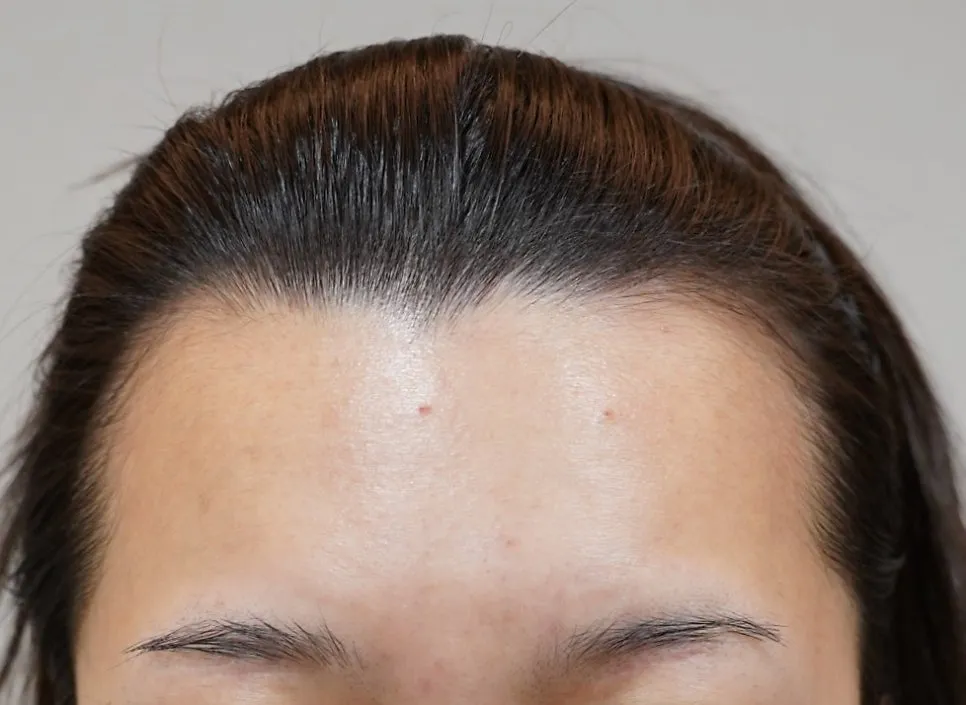
The patient in the photo came to our clinic with concerns about an angular forehead.
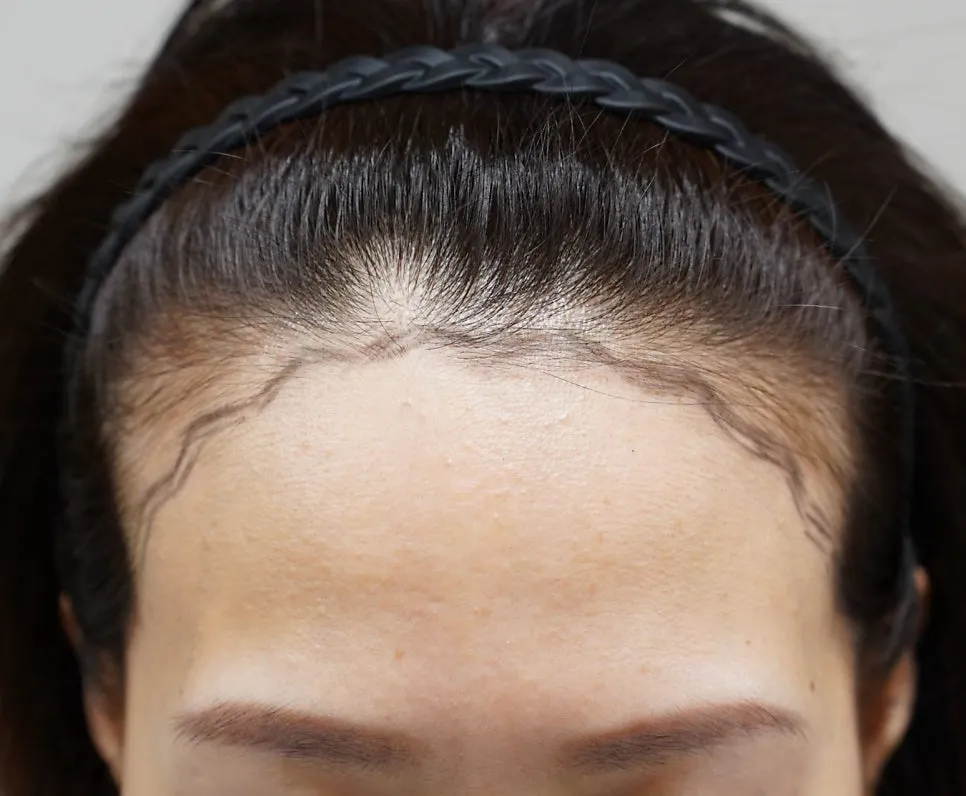
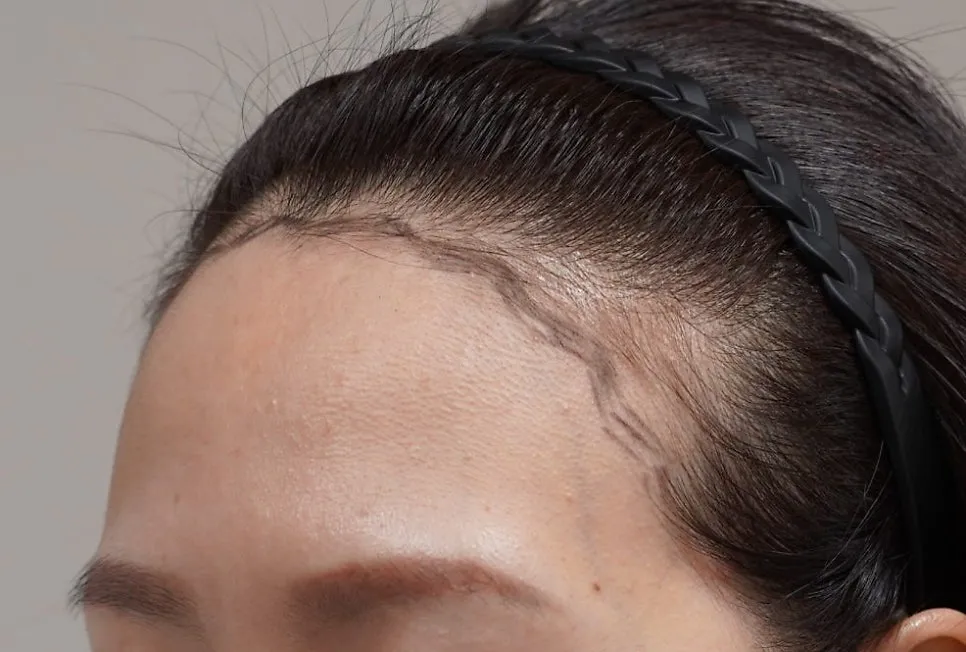
So, as in the photo above, we designed it to fill the angles while maintaining the height.
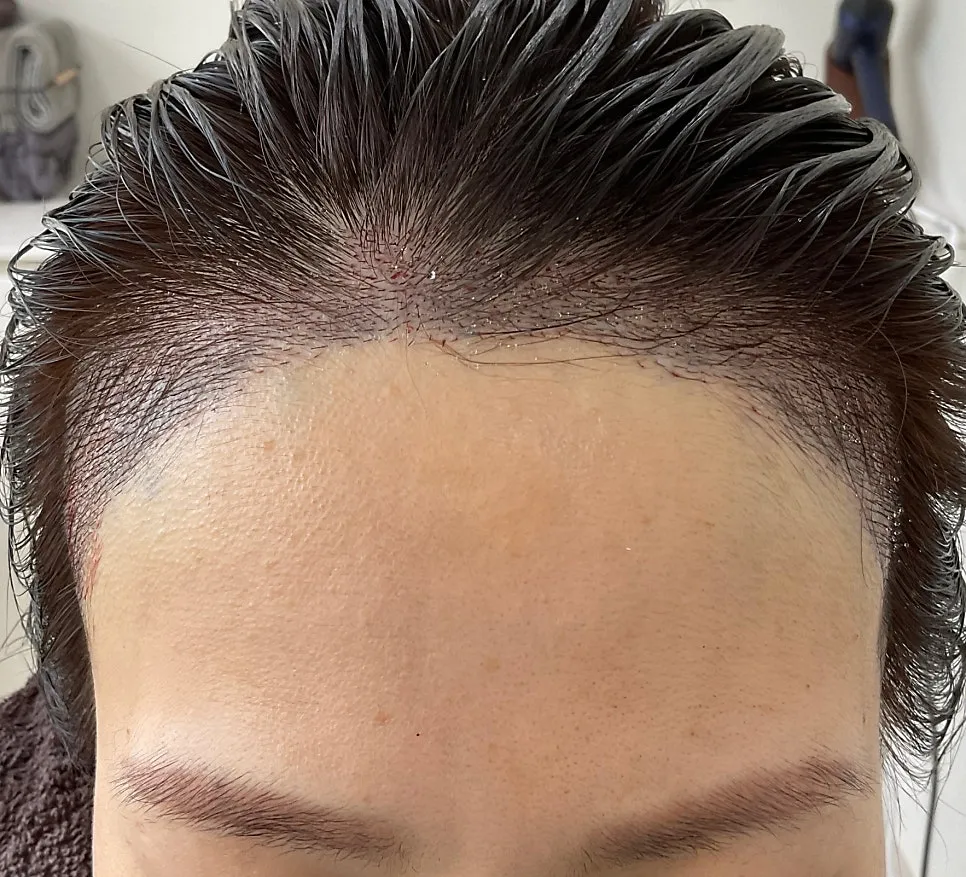
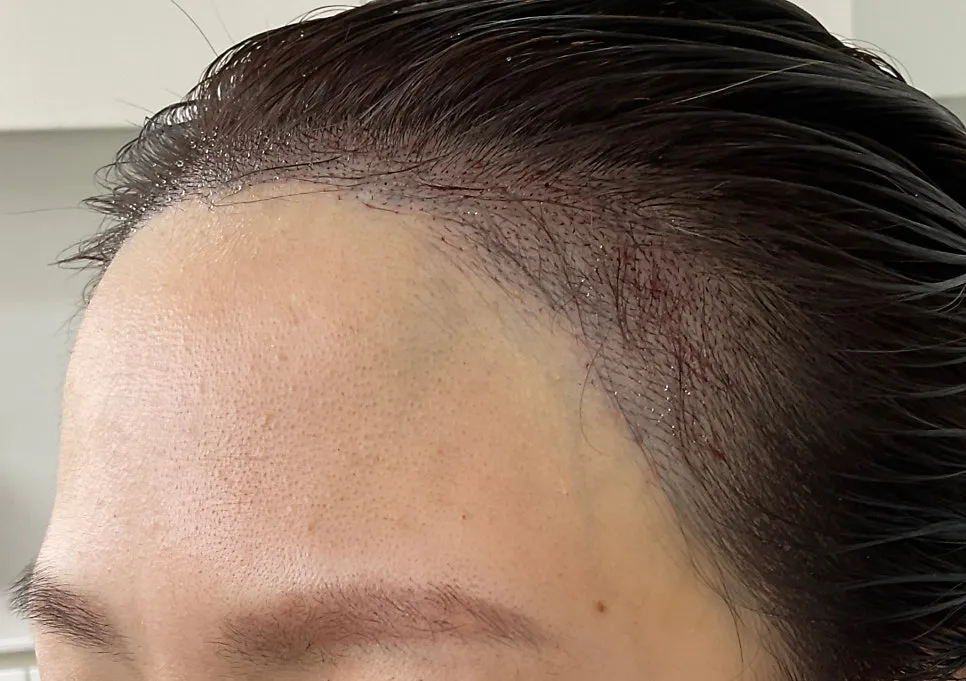
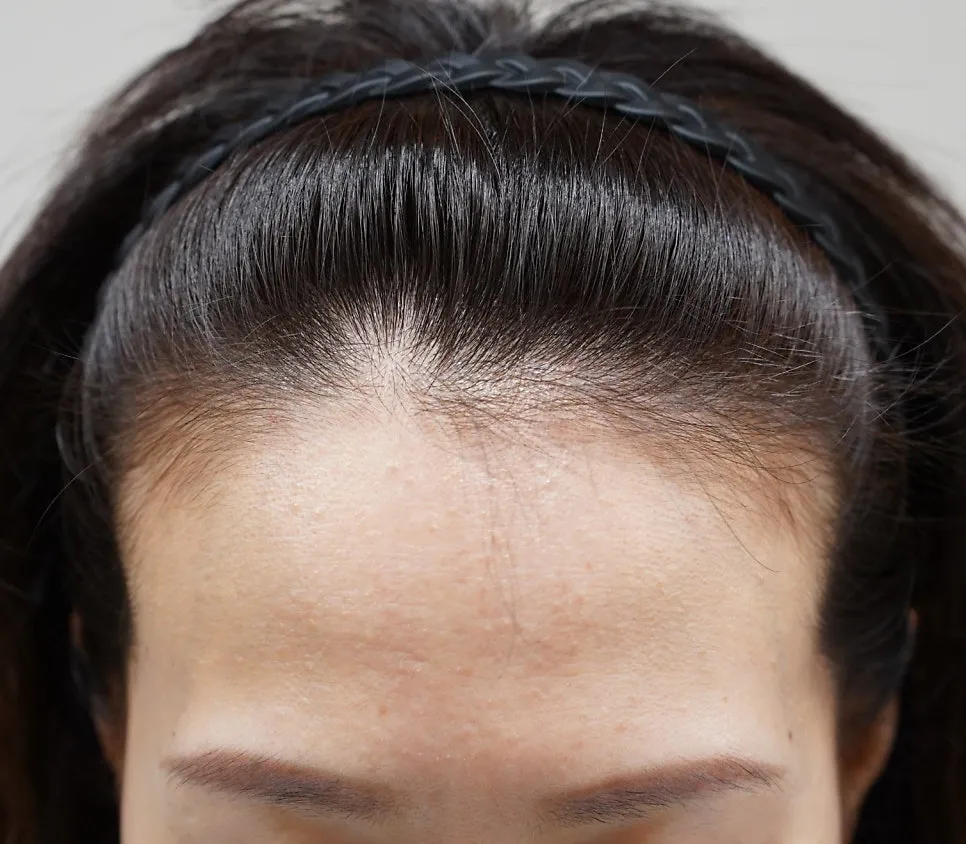
Approximately 2,500 hairs were harvested using the non-incisional method and transplanted.
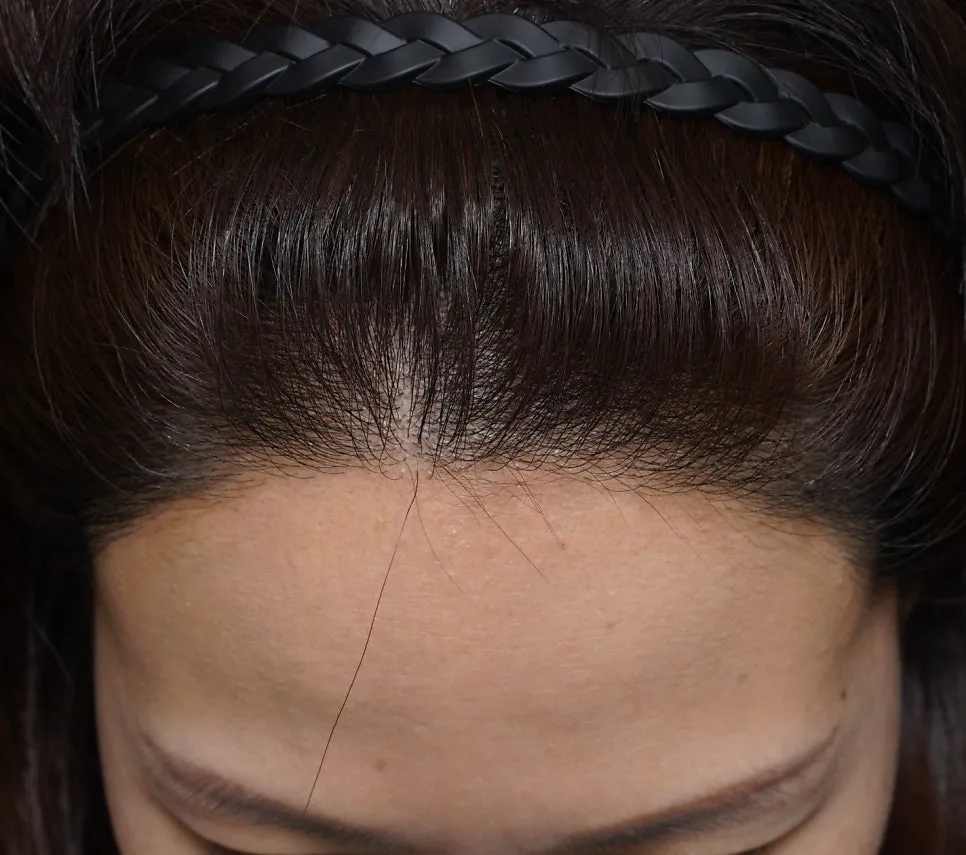
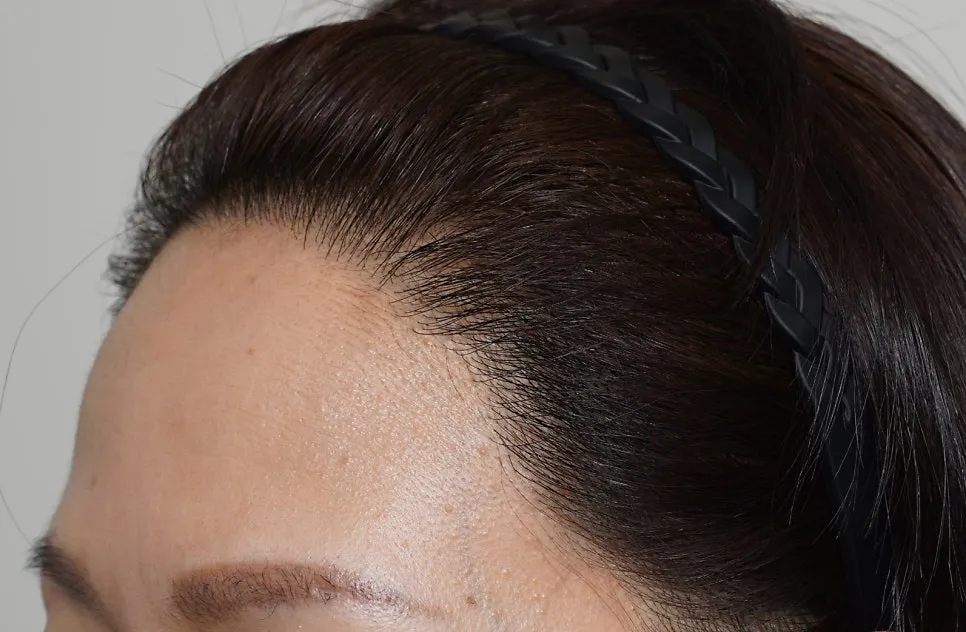
About a year later, they came back for a follow-up and were extremely satisfied. People around them could hardly tell they had a hair transplant, and they praised the density and how natural the direction looked, which made me grateful.
Before and After Comparison
Let's compare the before and after photos again.
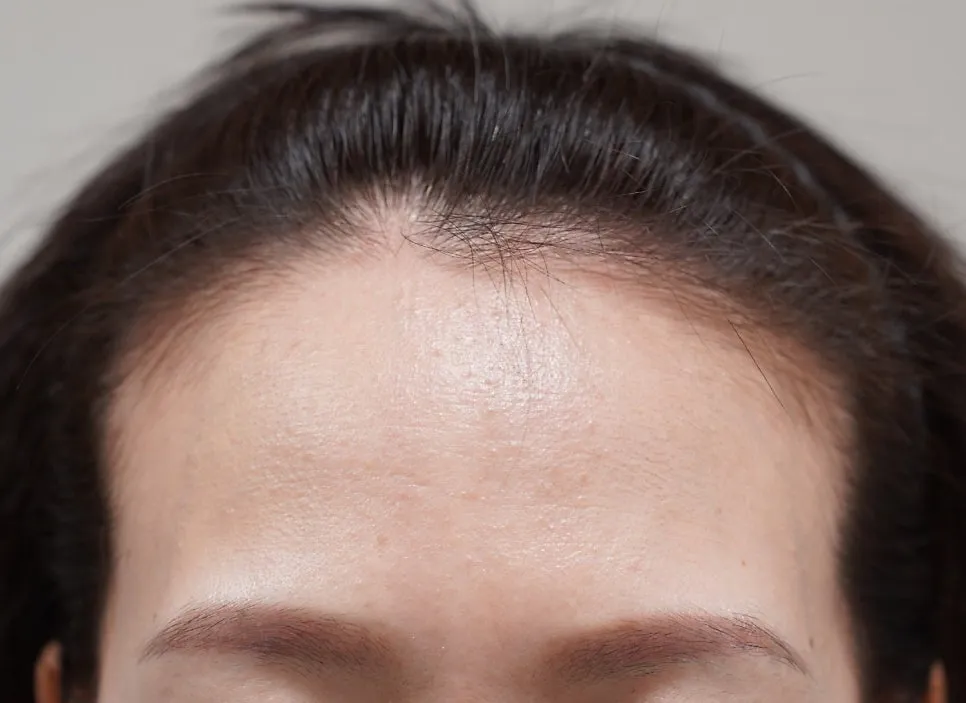
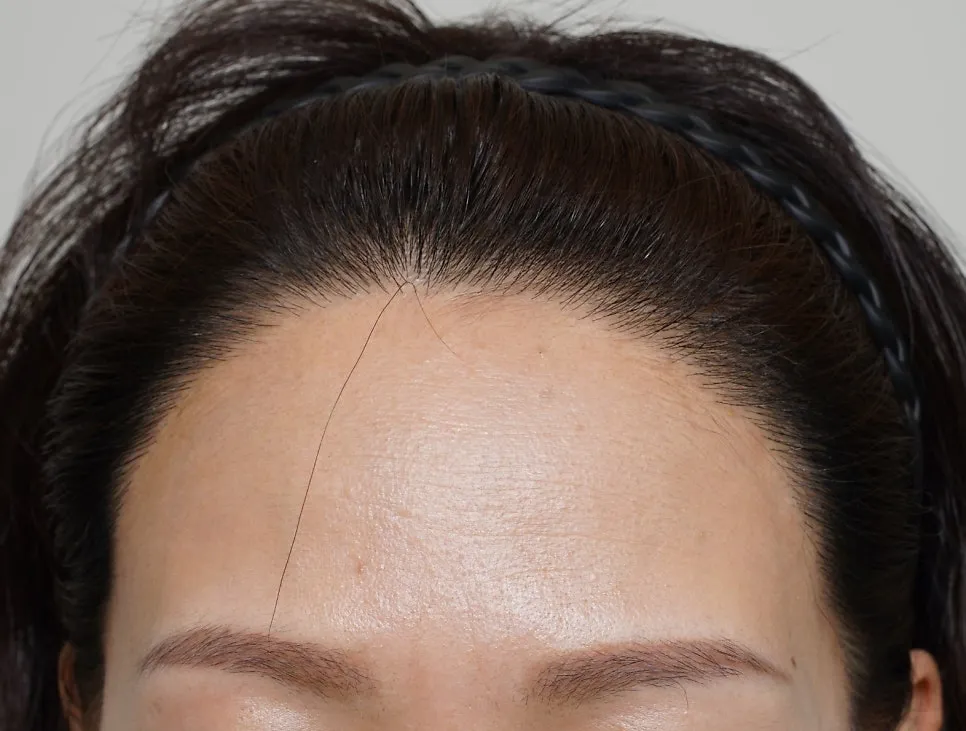
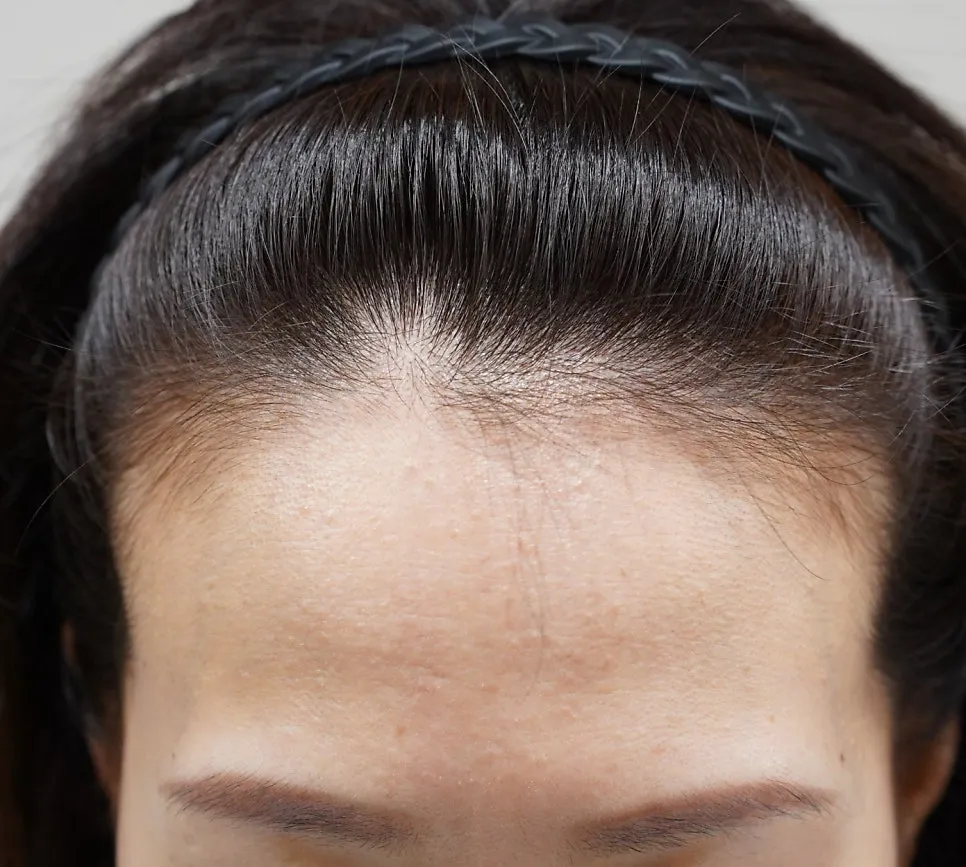
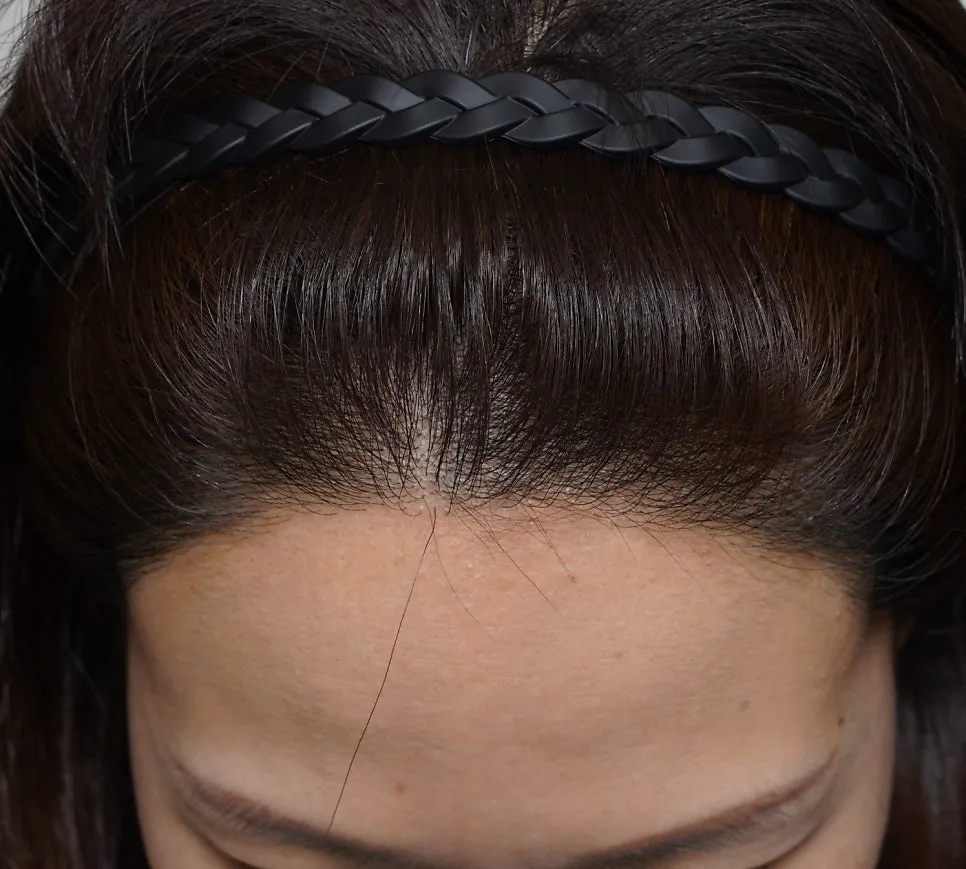
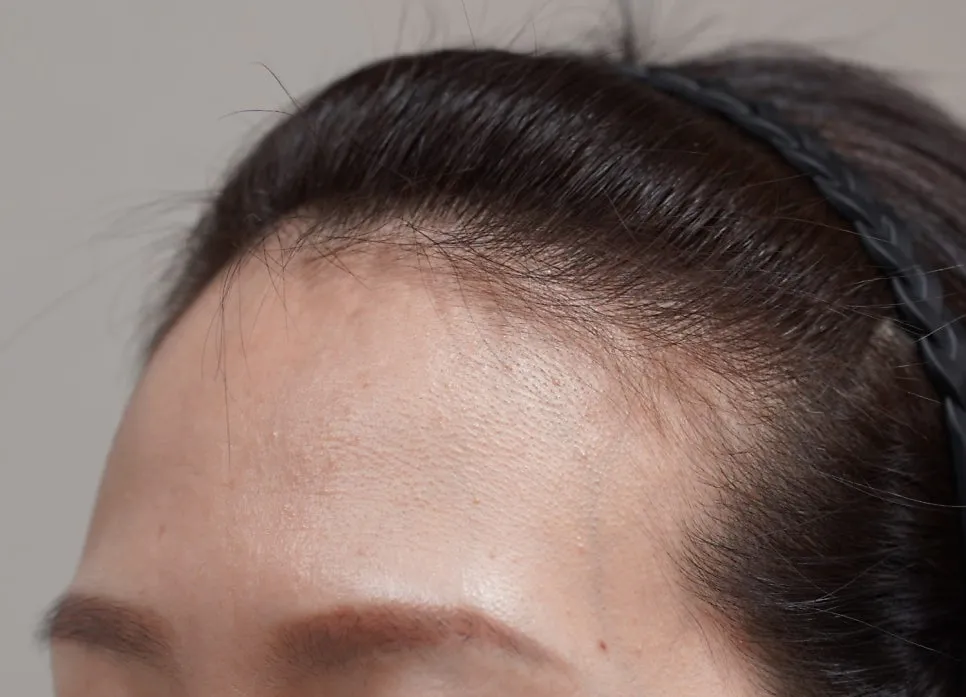
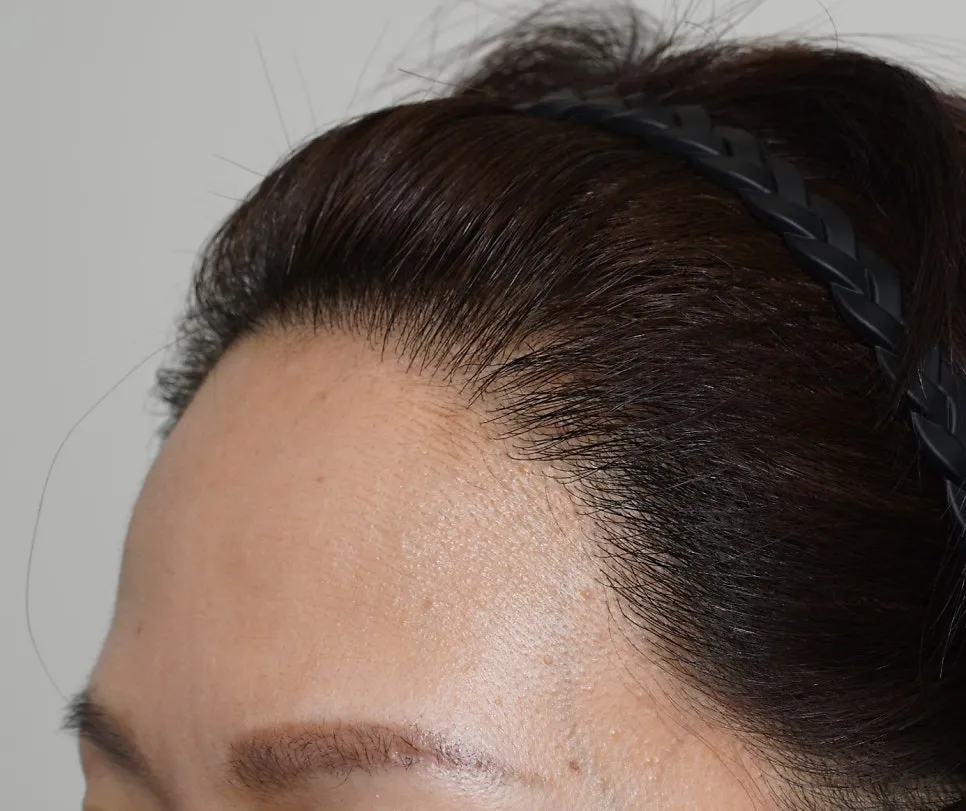
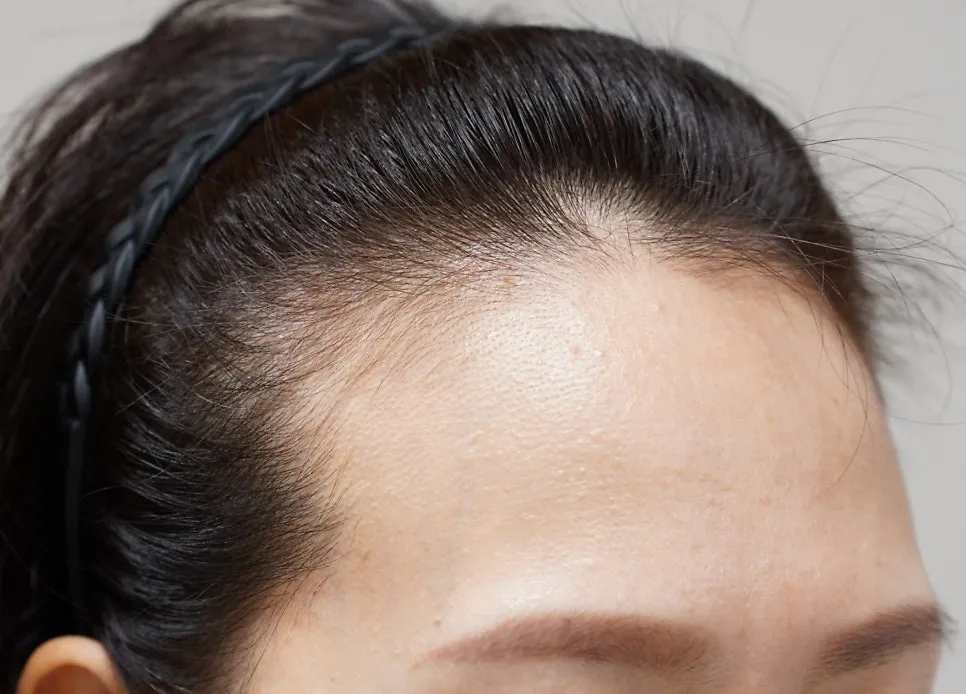
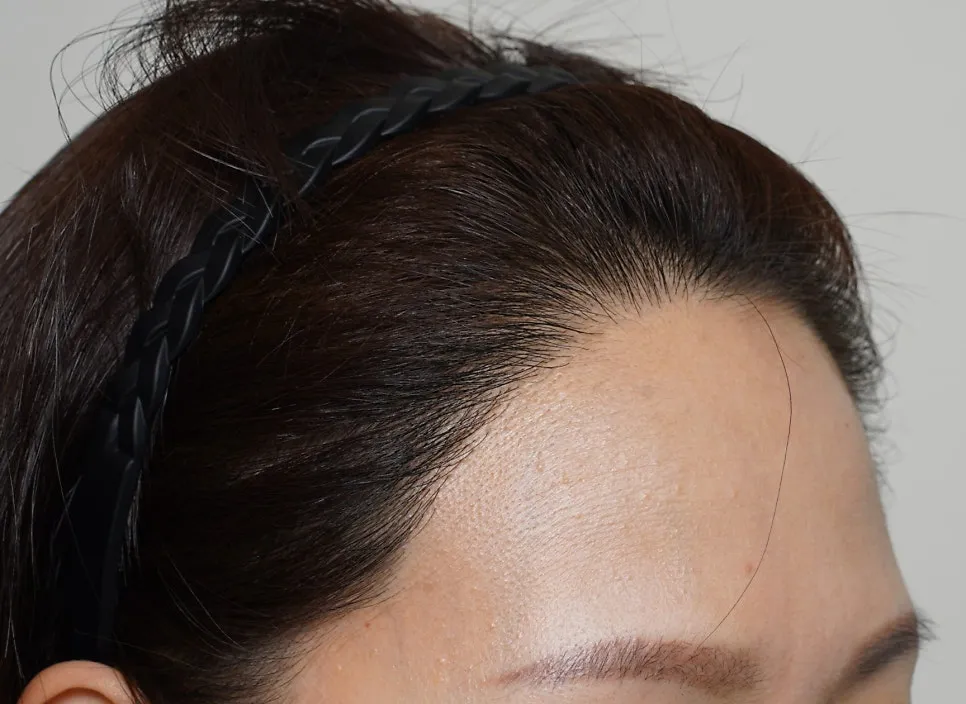
As you can see from the before and after photos, the engraftment rate of the non-incisional procedure is also good.
So the engraftment rates of the incisional and non-incisional methods are similar, and you can choose based on several factors, including hair quantity and scalp condition.
※ Side effects such as bleeding, pain, swelling, and infection may occur after surgery.