
By Dr. Park Sooho · 2025.04.20
The Dark Phase Happens to Everyone, but How Much Falls Out Varies Between People
About a month after a hair transplant, the transplanted hair enters the telogen phase and sheds. This shedding period is called the dark phase. Does this dark phase occur 100% of the time? Is it possible to get through a hair transplant without a dark phase?
To answer up front, the dark phase, meaning the telogen shedding of transplanted hair, happens to everyone, but how much falls out varies greatly between people.
Some say almost nothing fell out, and some lose nearly all of it. Generally, we tell people that about 50-60% of the transplanted hair may fall out.
About two months after surgery, telogen shedding no longer occurs, and the remaining hair keeps growing steadily. The hair that fell out grows back about three months later.
High, Sloped Forehead and Wide Temples
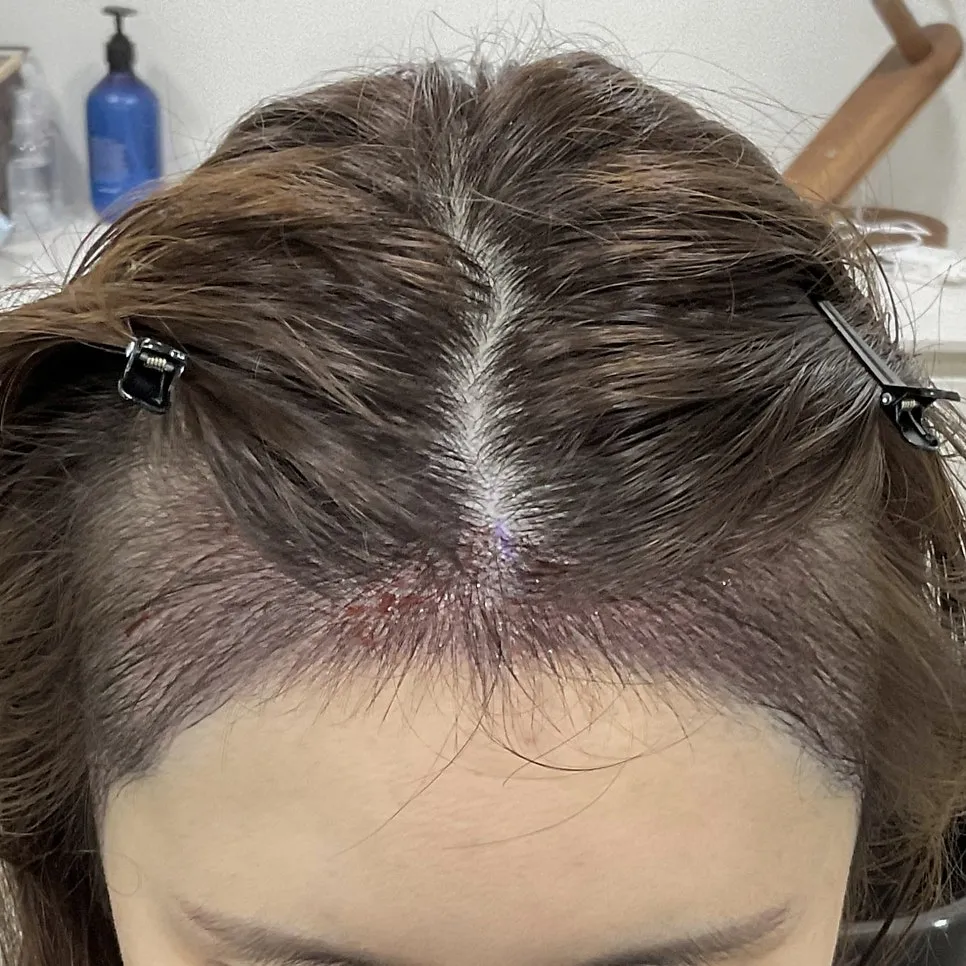
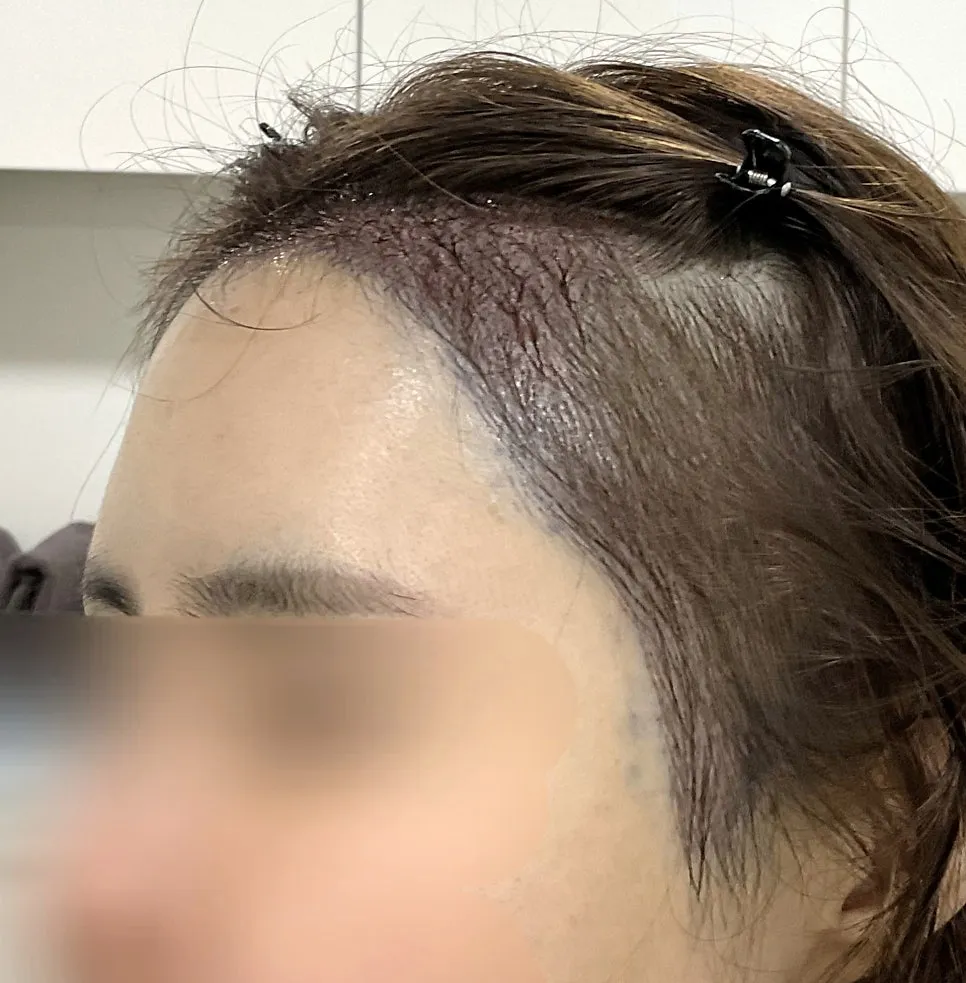
Let me show you the case of a patient who went through the dark phase relatively lightly.
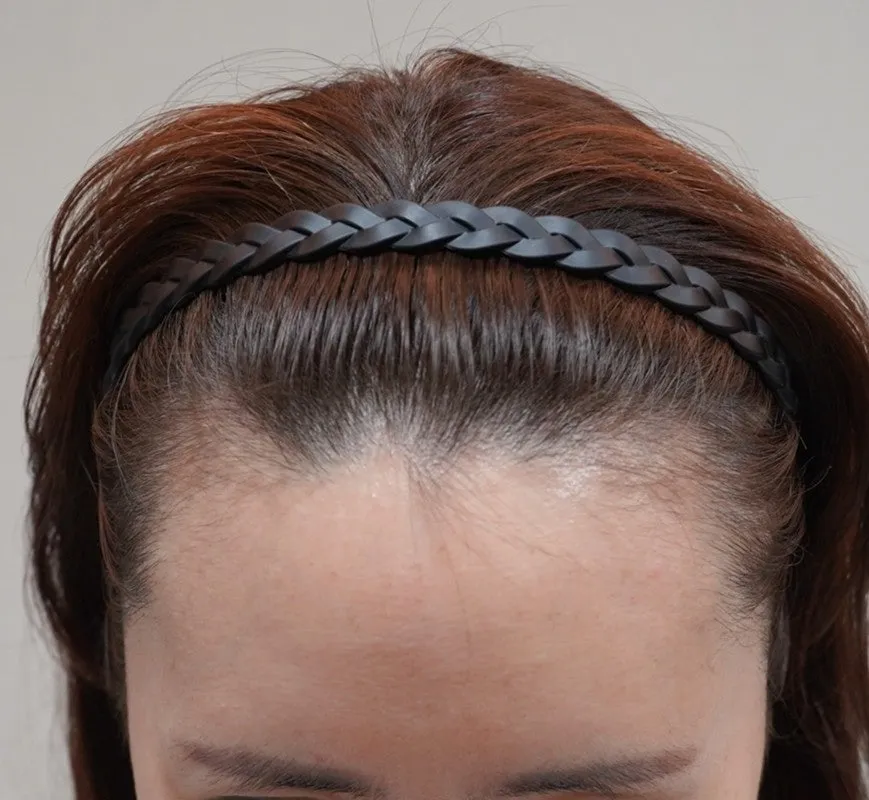
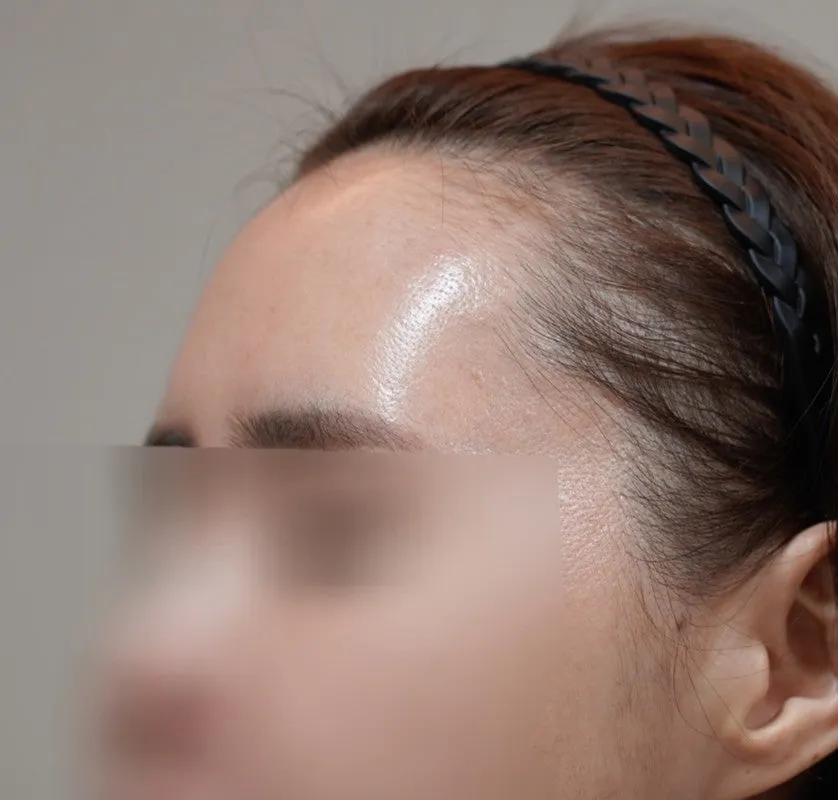
The patient in the photo above wanted to correct a slightly high, sloped forehead and wide temples. They can usually cover this with styling and makeup, but occasionally they wear hanbok, and in those cases they could not confidently pull their hair up, which they always found frustrating.
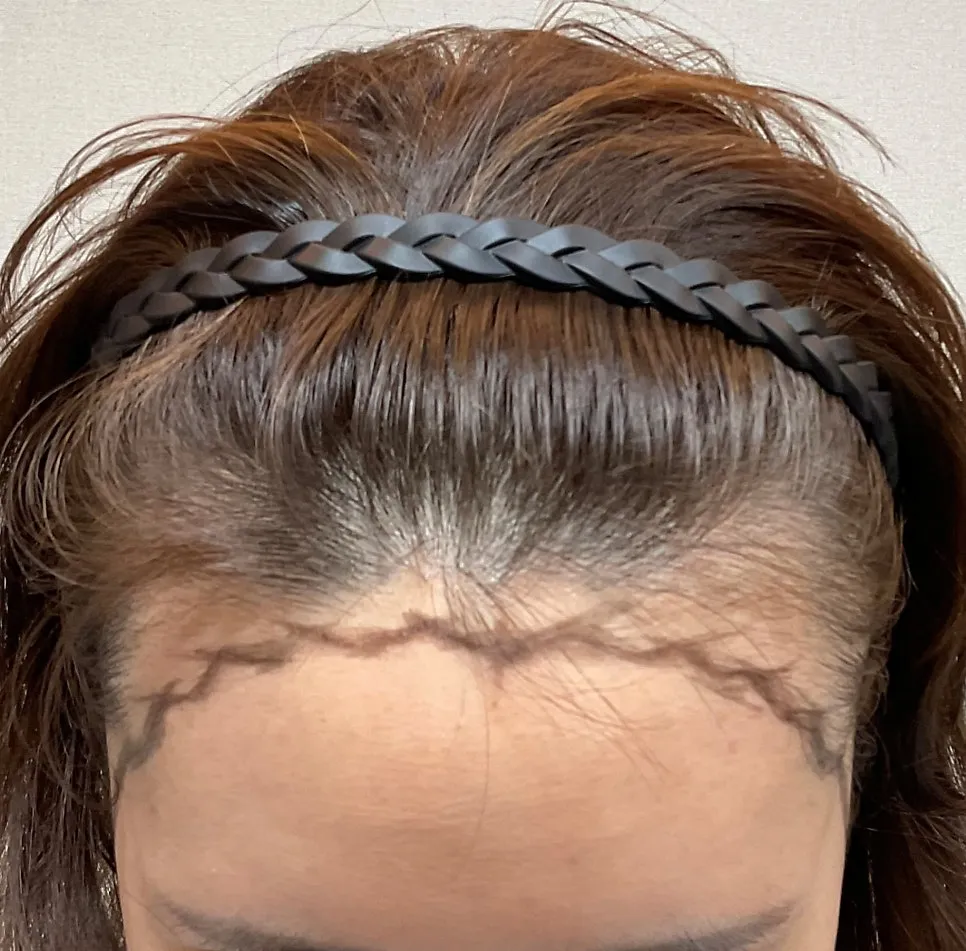
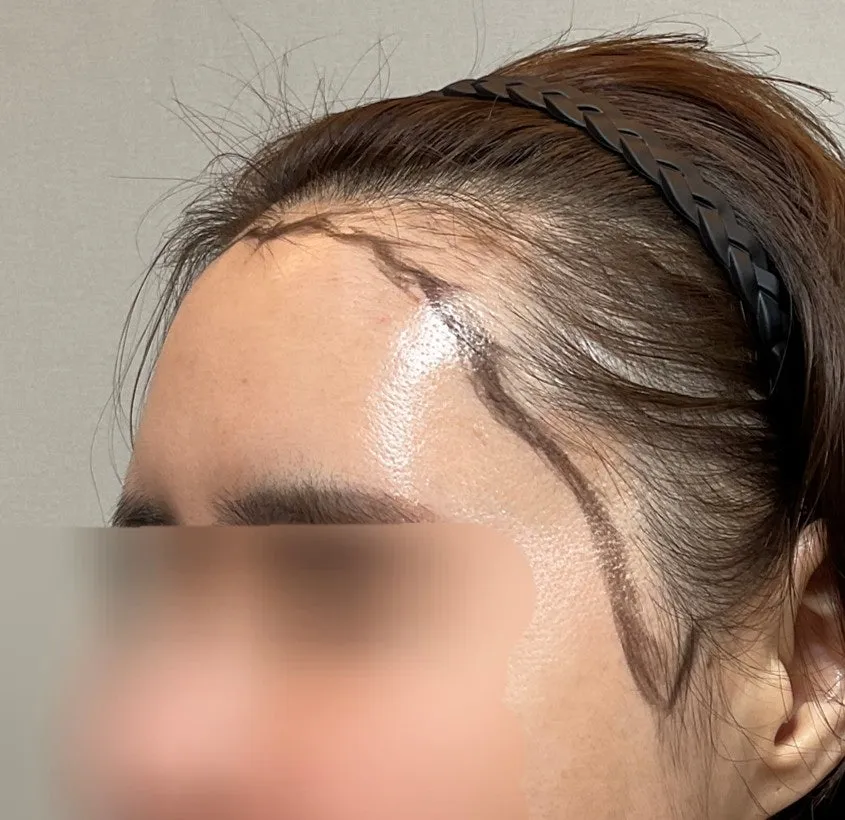
So we lowered the height enough to remove the sloped feeling of the forehead, and designed the temples to be pulled in to match the reduced forehead height, including the sideburns.
Why We Recommended the Incisional Method
We recommended the incisional method for the procedure. This was because lowering the height and temples required about 4,000 hairs, and the patient said they were concerned about the lack of volume at the back of the head because their hair is fairly thin.
If 4,000 hairs were harvested with the non-incisional method, the volume at the upper back of the head would look more sunken, which is why we recommended an incision that harvests only from the lower back of the head.
Stitch Removal on Day 9
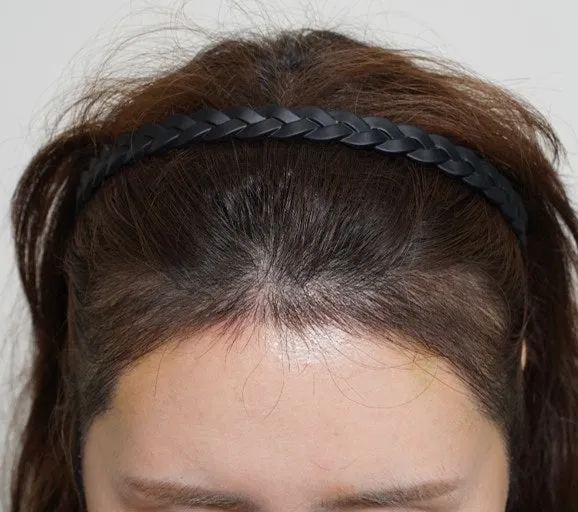
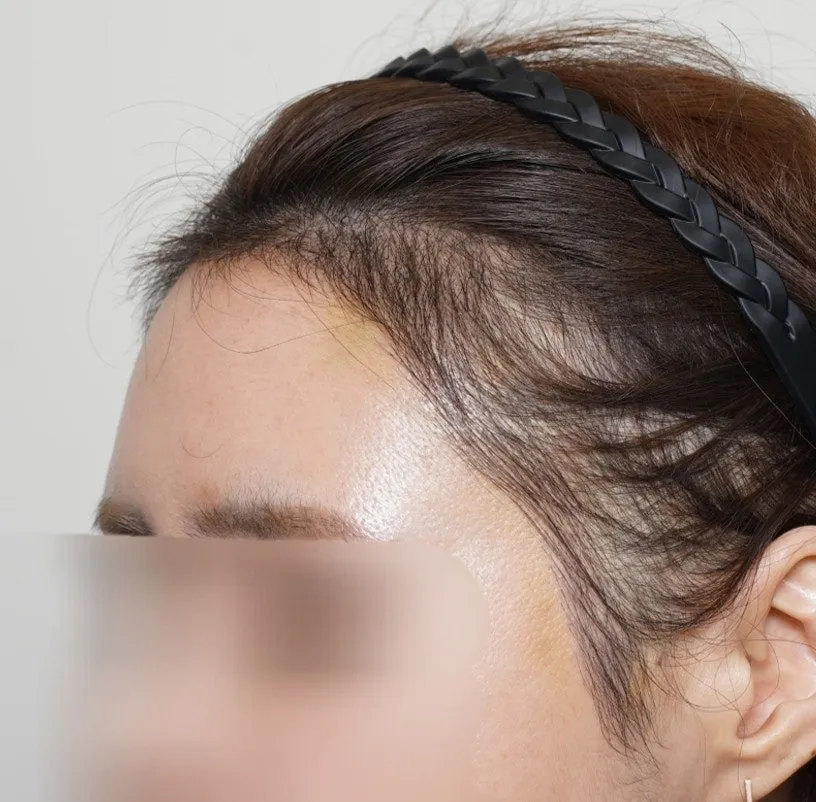
This is how they looked at suture removal on Day 9 after surgery. They were pleased that the hair had been planted slightly long, so it already looked like stray wisps, but they were quite disappointed that the current beautiful look could disappear when the dark phase comes about a month later.
Two Months: Not a Dark Phase, but a "Dawn Phase"
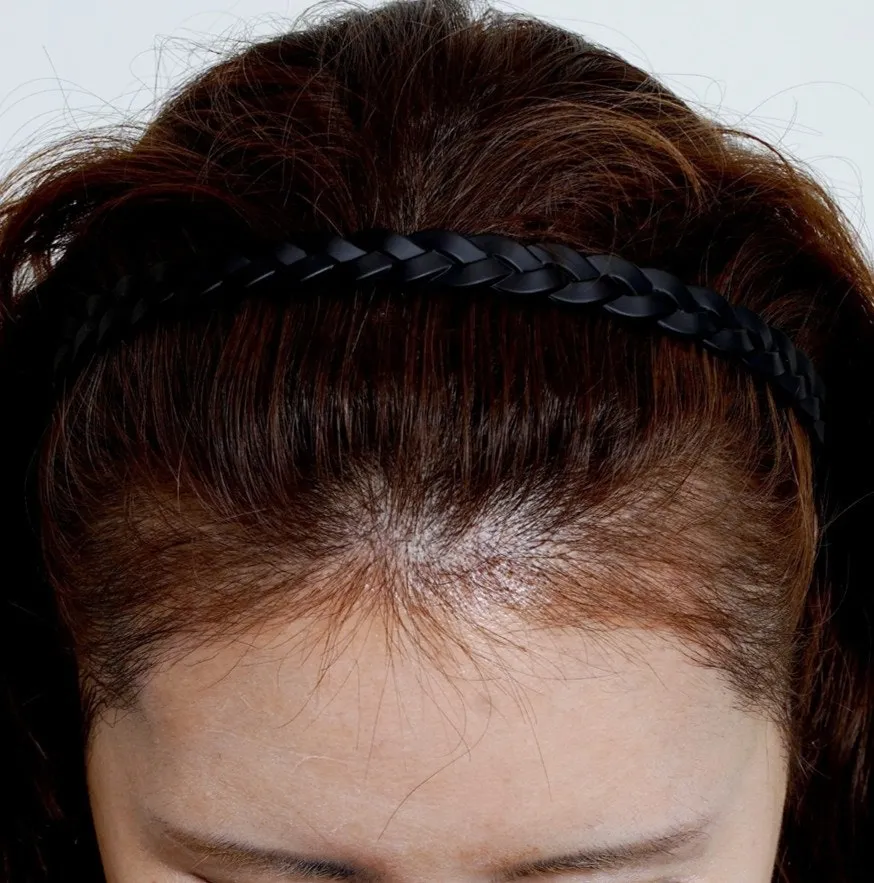
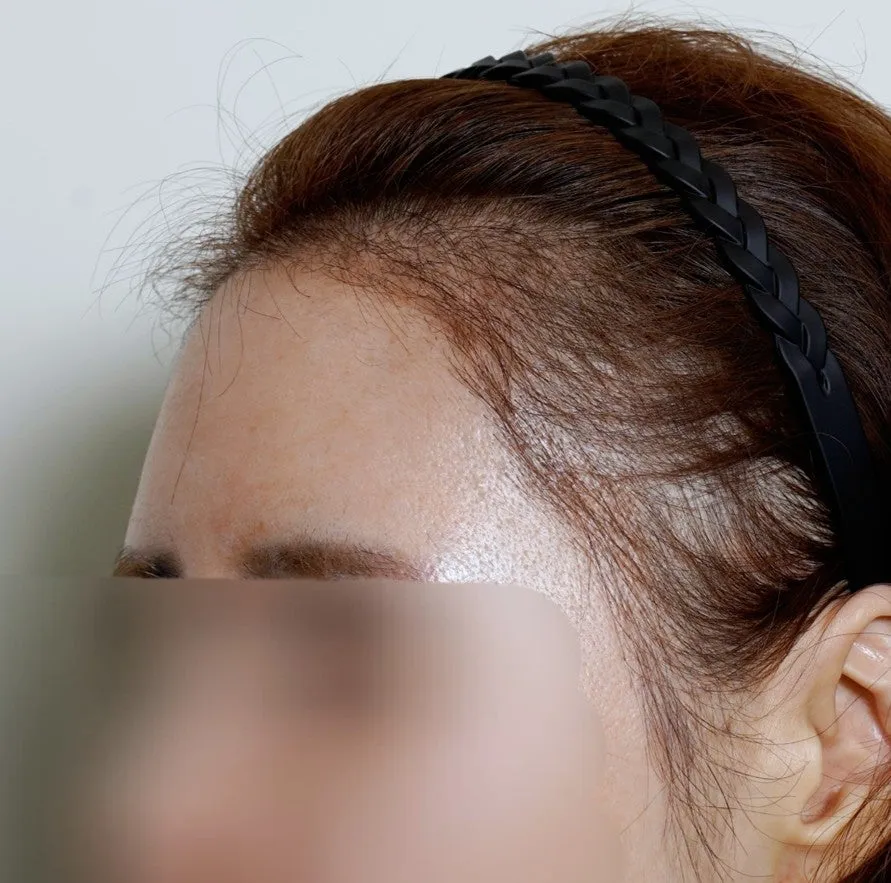
They recently stopped by the clinic while in the area. Since it was two months after surgery, I assumed they would be in the middle of the dark phase and checked their progress, but there was quite a lot of transplanted hair remaining for a dark phase.
I felt this was close enough to call it a "dawn phase" rather than a dark phase.
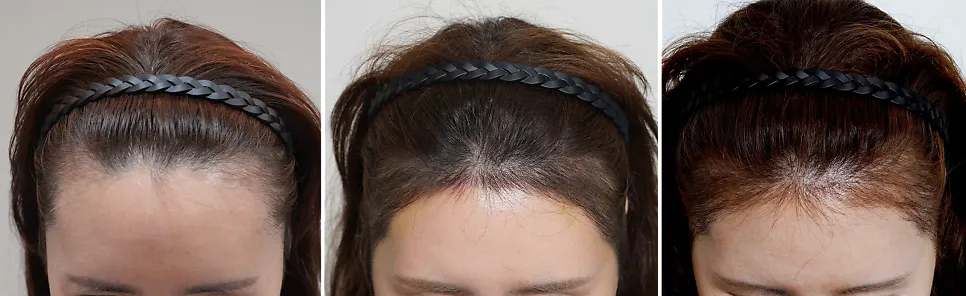

Compared with right after surgery, the density had become a little thinner, but they were already confidently sweeping their hair back and said they feel confident even when wearing hanbok.
For some people, the hair transplant dark phase may pass lightly, and since the hair grows back in the end, please don't worry and simply wait.
※ Side effects such as swelling, pain, inflammation and bleeding may occur after a hair transplant, and the dark phase varies in degree from person to person.


