
By Dr. Park Sooho · 2025.04.13
A Hair Transplant Is an "Auxiliary" Treatment
Among those who come in for hair loss consultations, quite a few say they want a hair transplant because they don't want to take hair loss medication.
However, I always emphasize that a hair transplant is an "auxiliary" treatment that only fills in areas where hair has been lost due to hair loss, and that the most important treatment is to stop the progression of hair loss, that is, to take hair loss medication.
A Patient Who Stopped Hair Loss Medication Because of Side Effects
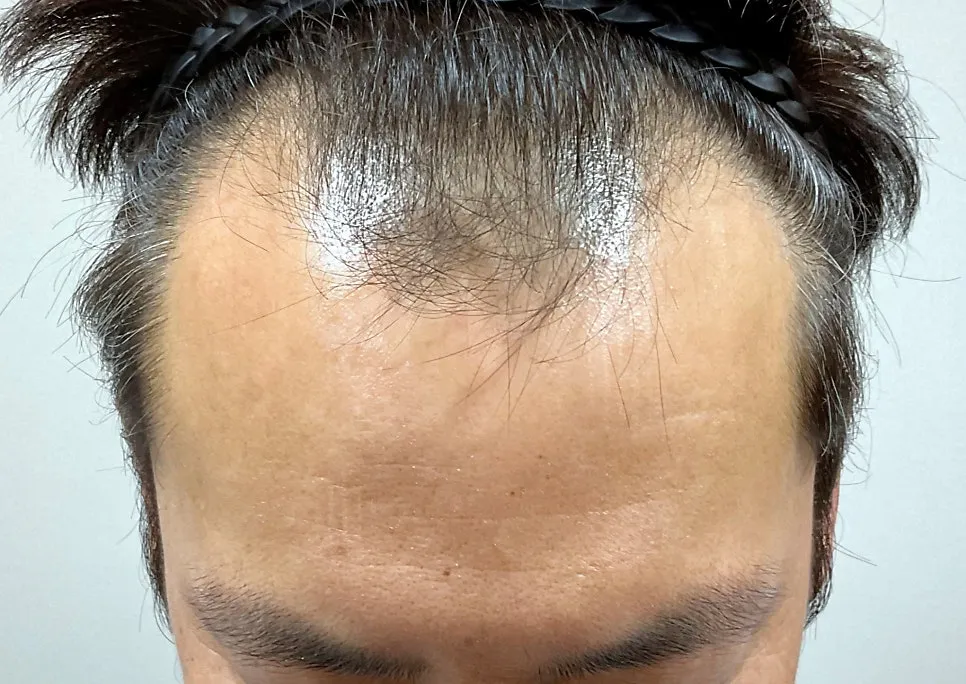
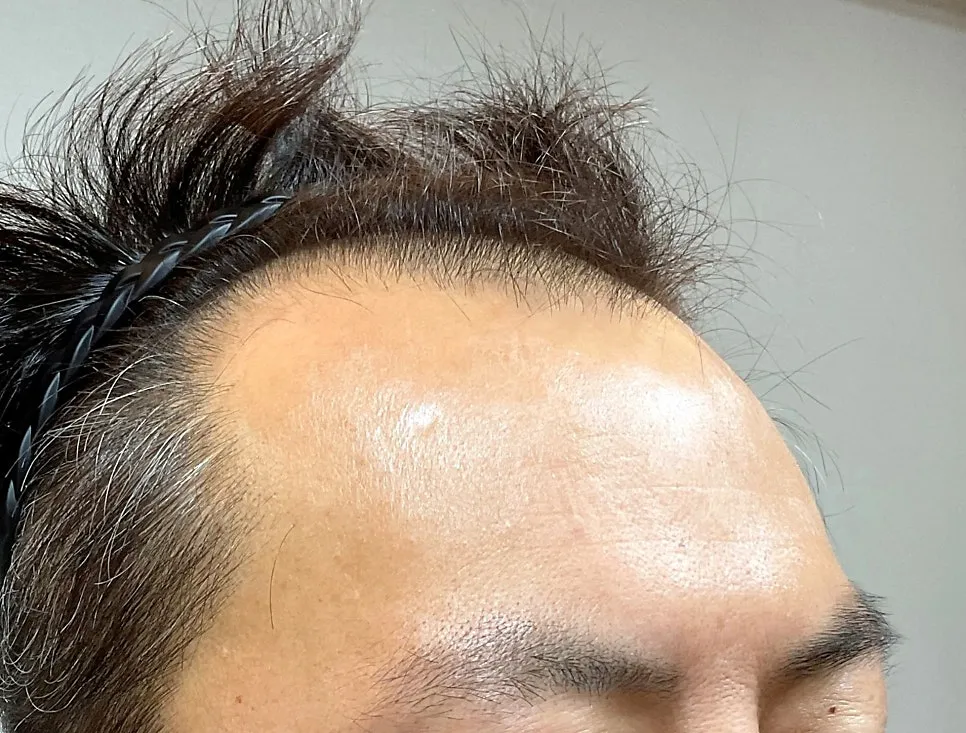
The patient above visited for hair loss in the M-shaped area and at the crown. They wanted to fill the M-shaped area before the crown, and when I explained a hair transplant, they said they were not taking hair loss medication. They had taken it briefly about 20 years ago, but because of side effects, they have not taken it since.
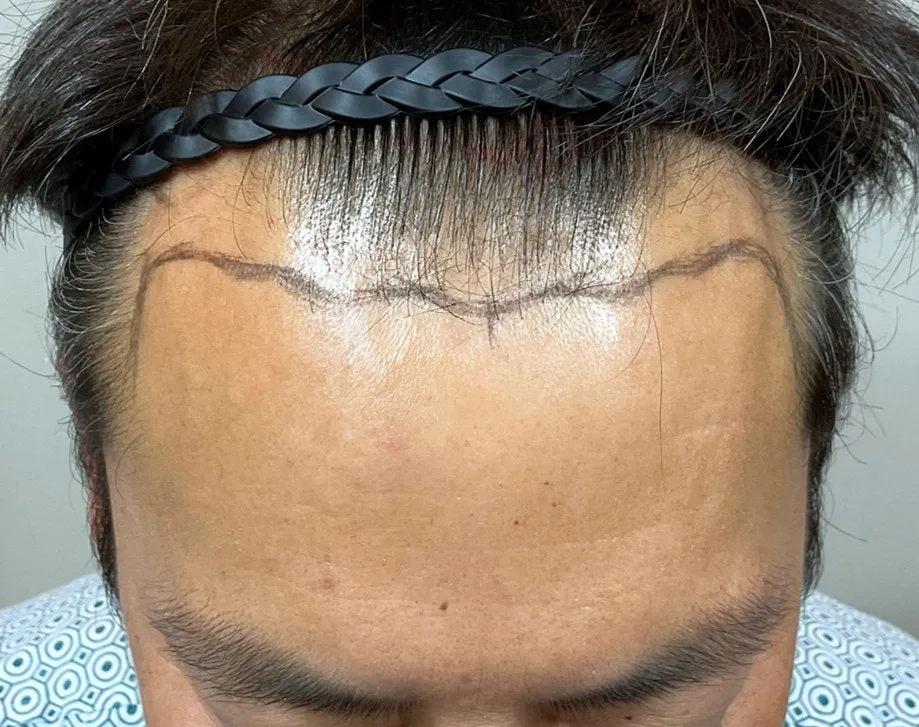
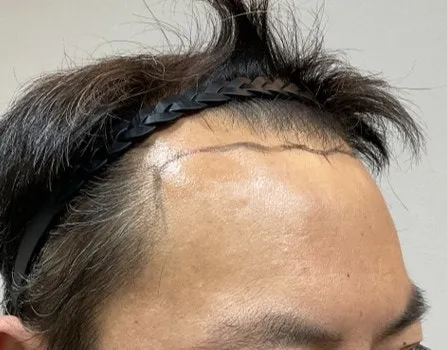
For now, since the M-shaped area that bothered them most would be filled with a hair transplant, I explained Pinjube, a spray-on with the same finasteride ingredient, as a replacement for the hair loss medication (Propecia) they had avoided because of side effects, and I earnestly asked them to use it.
About 50% of Harvested Follicles Were Telogen Follicles
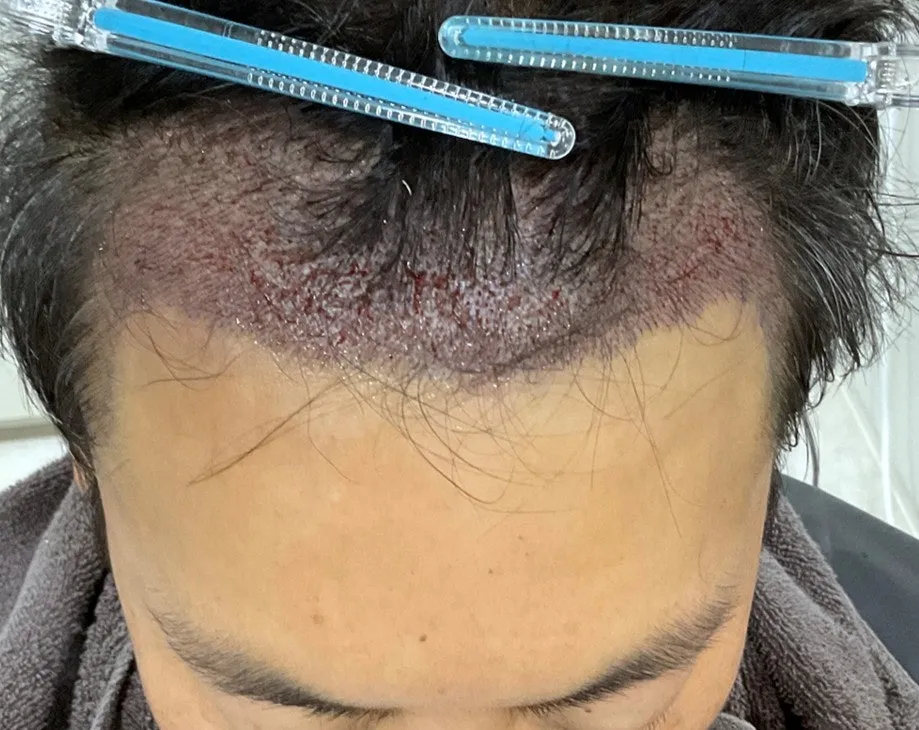
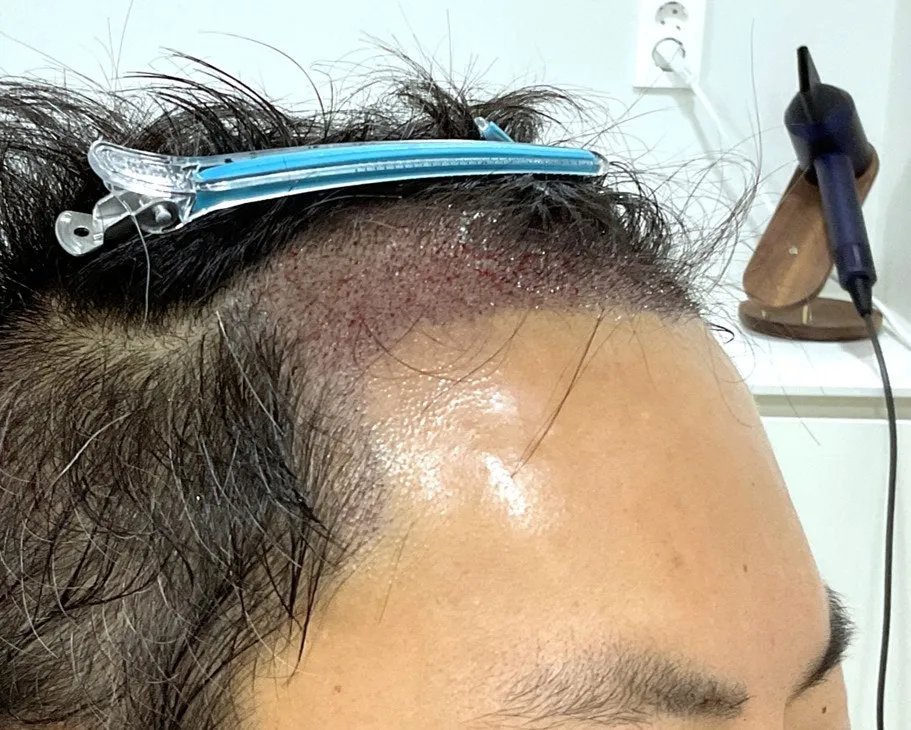
With a non-incisional transplant of about 3,500 hairs, when the follicles were actually harvested, hair loss had progressed further toward the back of the head than expected, and about 50% of the harvested follicles were telogen follicles (normal is 10% or less).
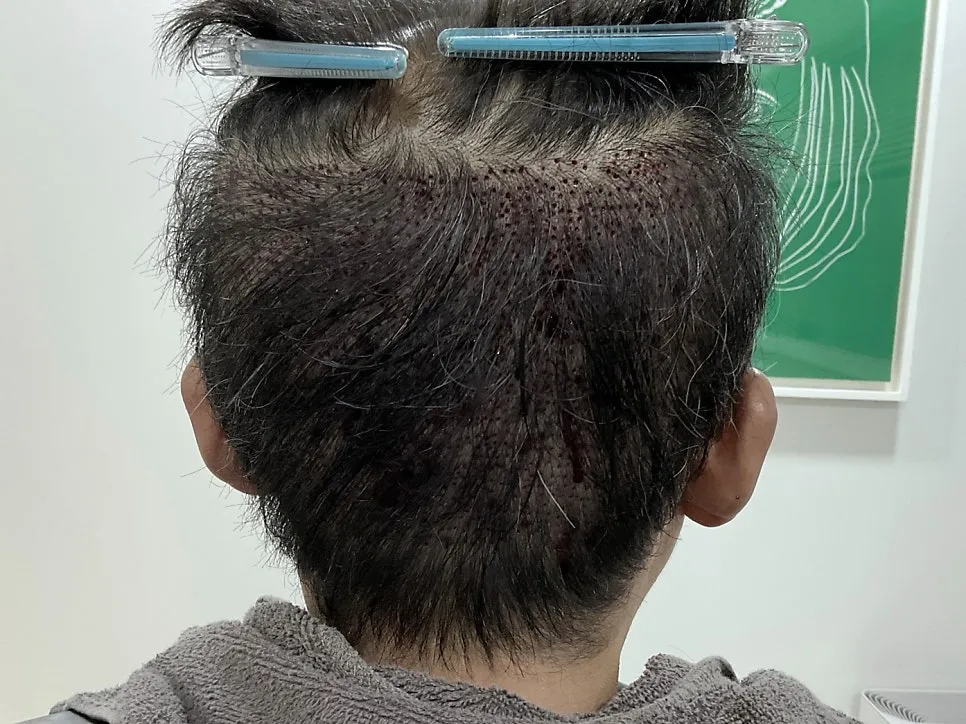
So right after surgery, I told them about this and again advised that they should definitely spray Pinjube to prevent further progression. This is because if hair loss progresses extensively to the back of the head, second and third surgeries also become difficult.
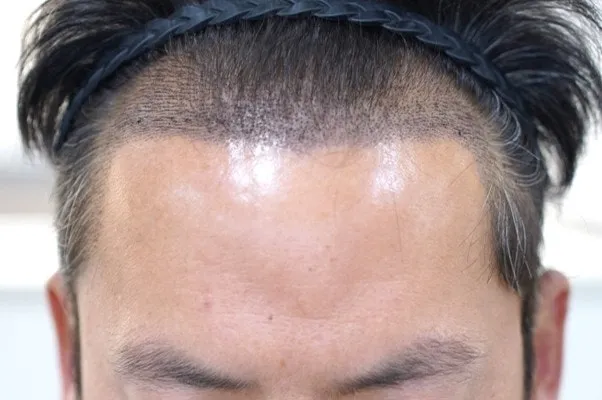
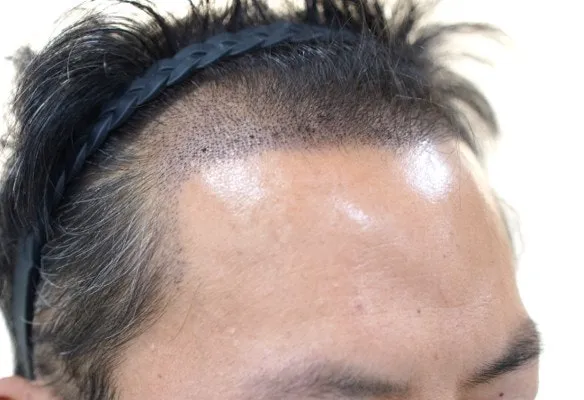
When they came back for a follow-up one week later, I explained the hair loss situation at the back of the head again, stressed that hair loss medication was essential, and prescribed Pinjube. The patient said they would diligently spray it, and took it with them.
One Year Later, Weakened Crown
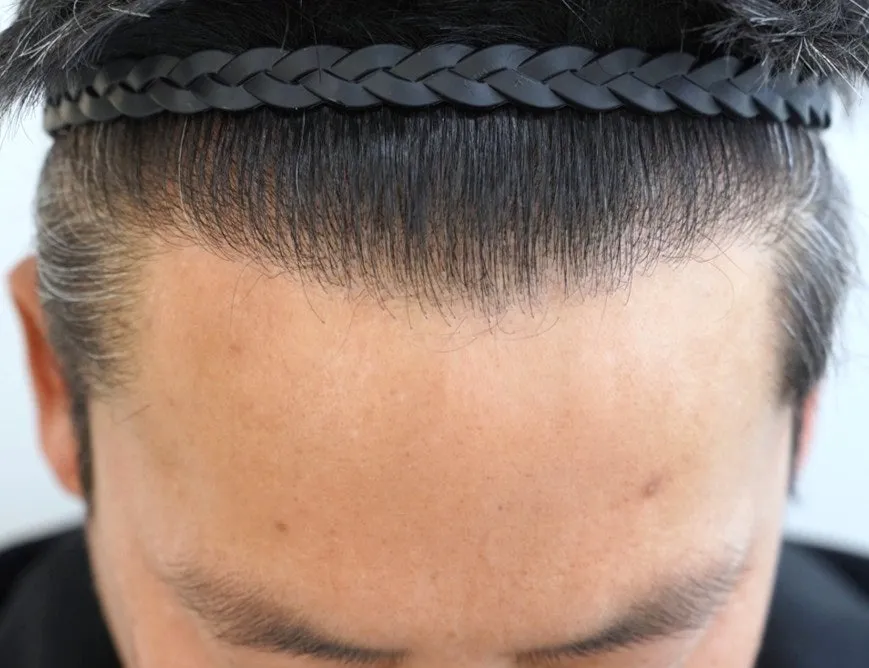
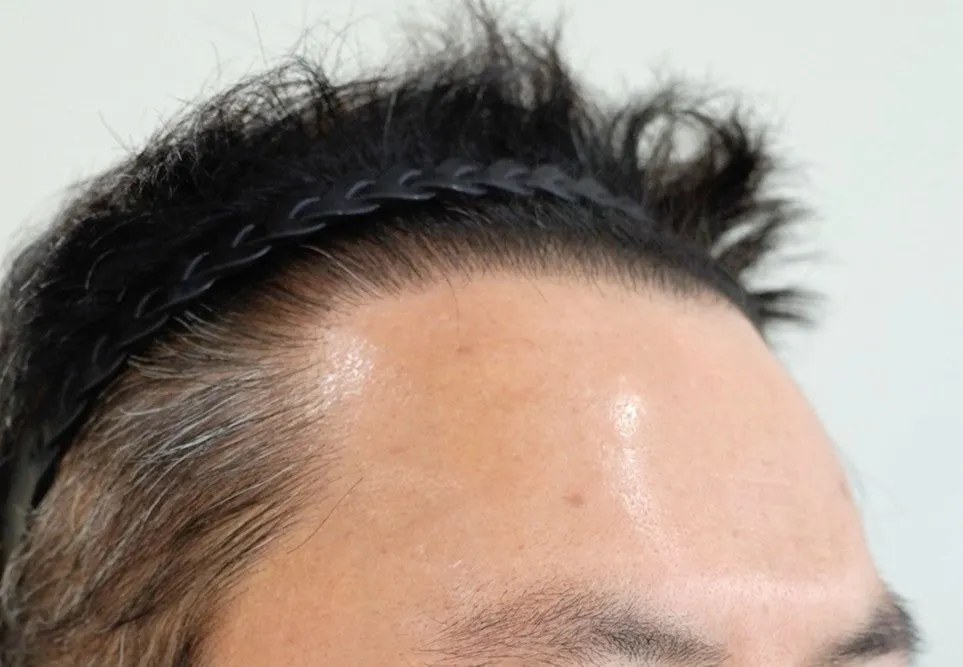
About a year later, they came back for another follow-up. Because there were many telogen follicles, I was a little worried, but fortunately the density in the transplanted area came out well. However, the crown felt somewhat weaker than before.
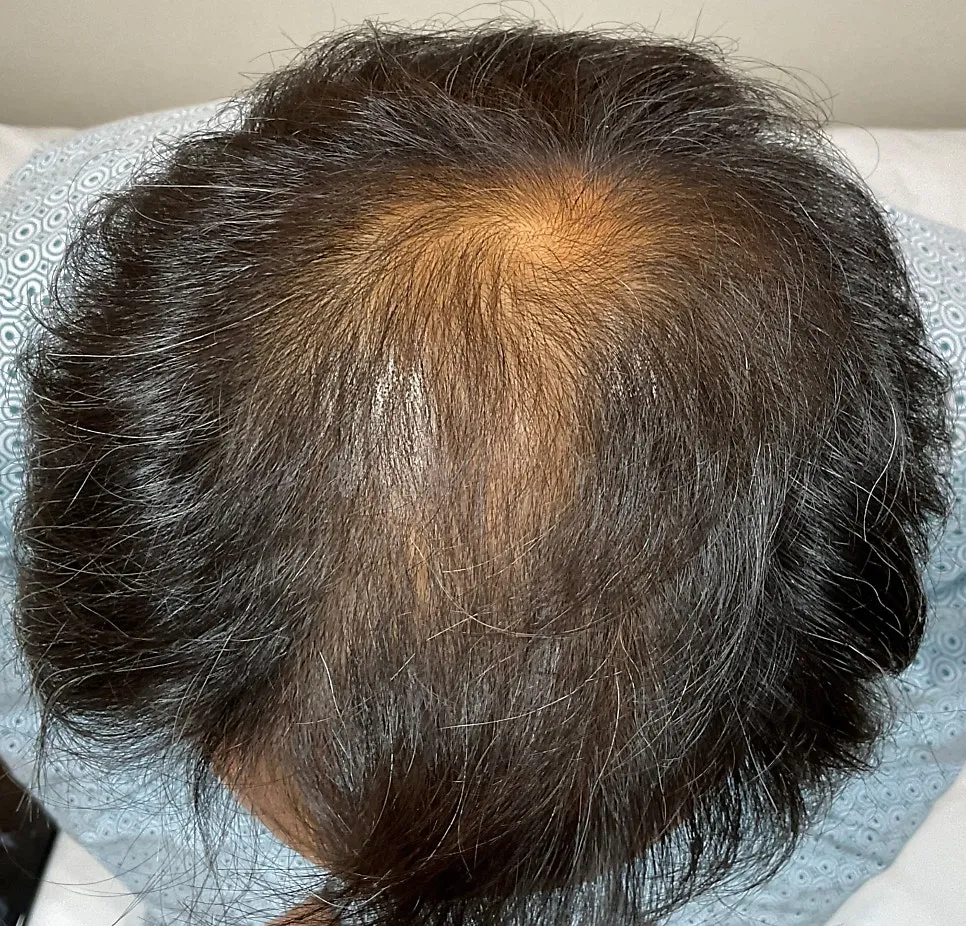
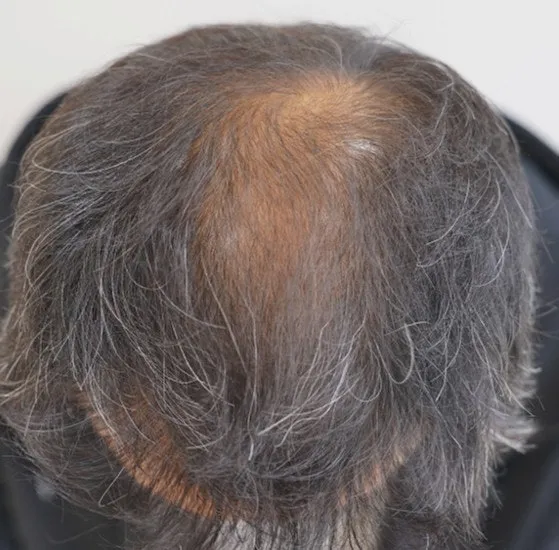
The photo above shows the crown one year ago and now. Even allowing for differences from hair coloring, the strength and thickness of the hair have weakened. When I asked, they said they had not used Pinjube because spraying it was a hassle (and at about KRW 150,000 it is a bit of a burden).
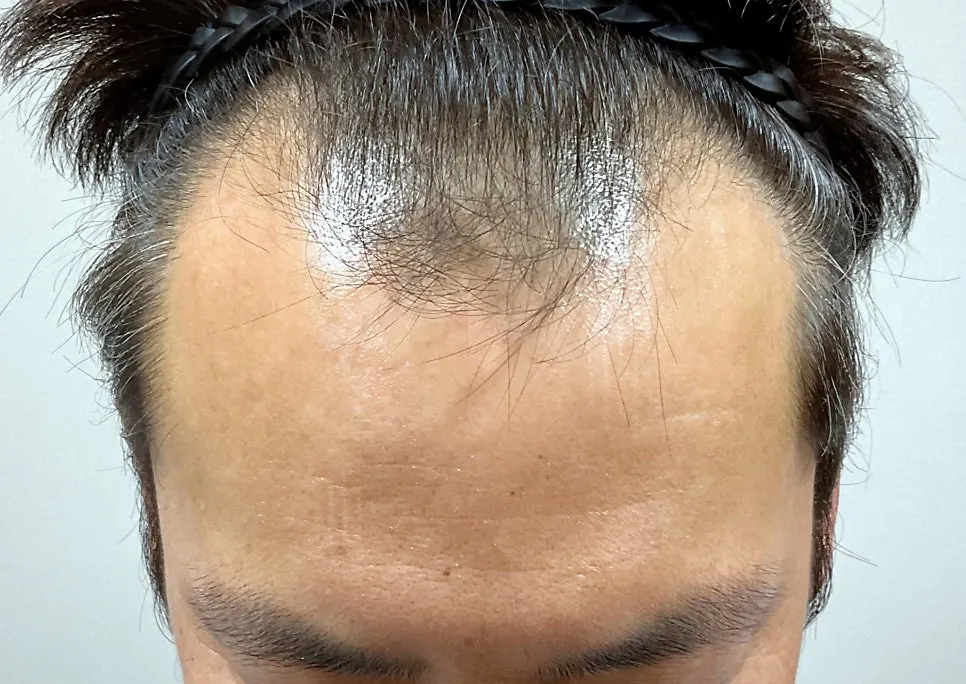
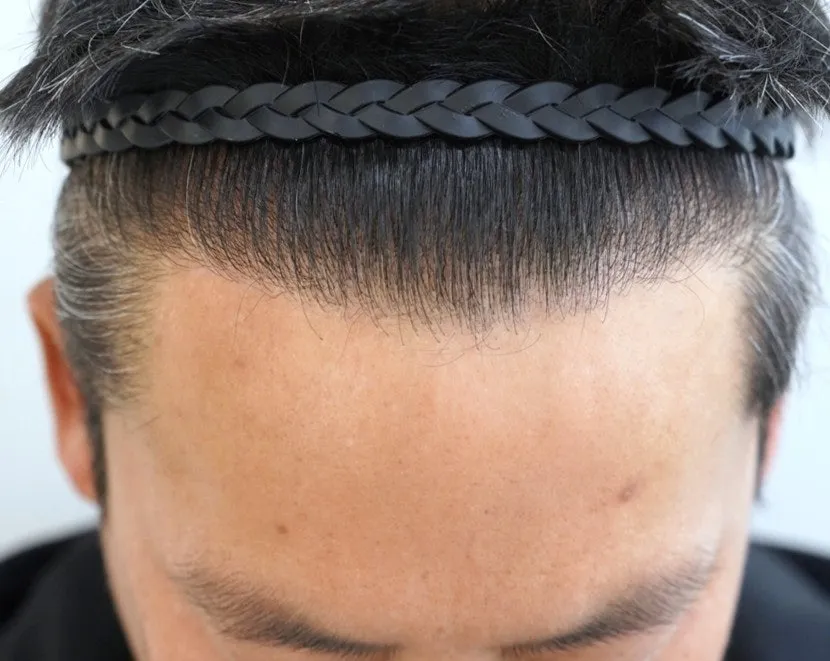
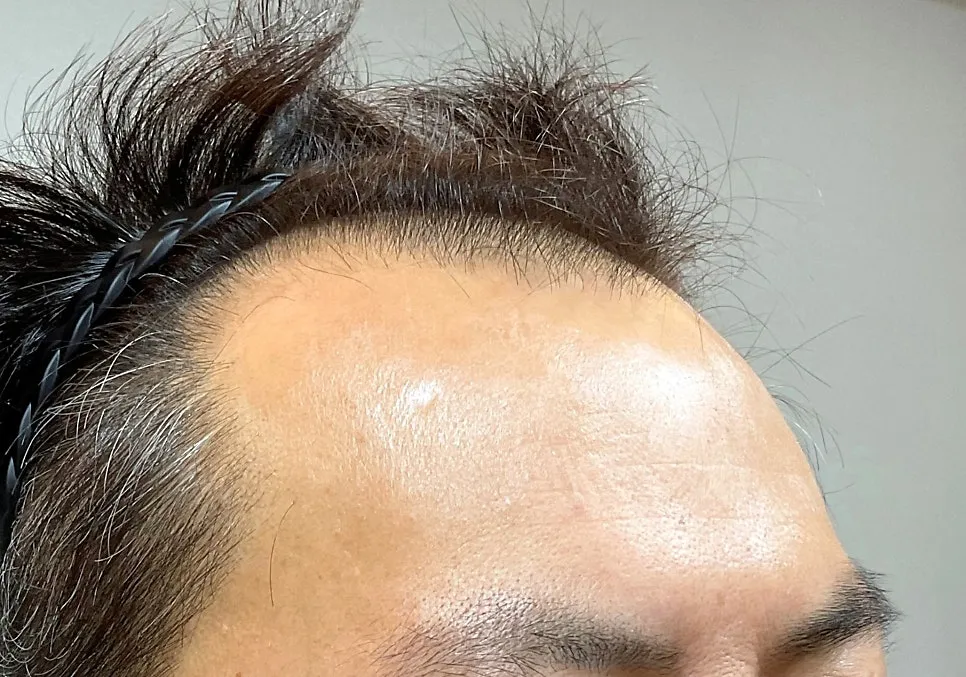
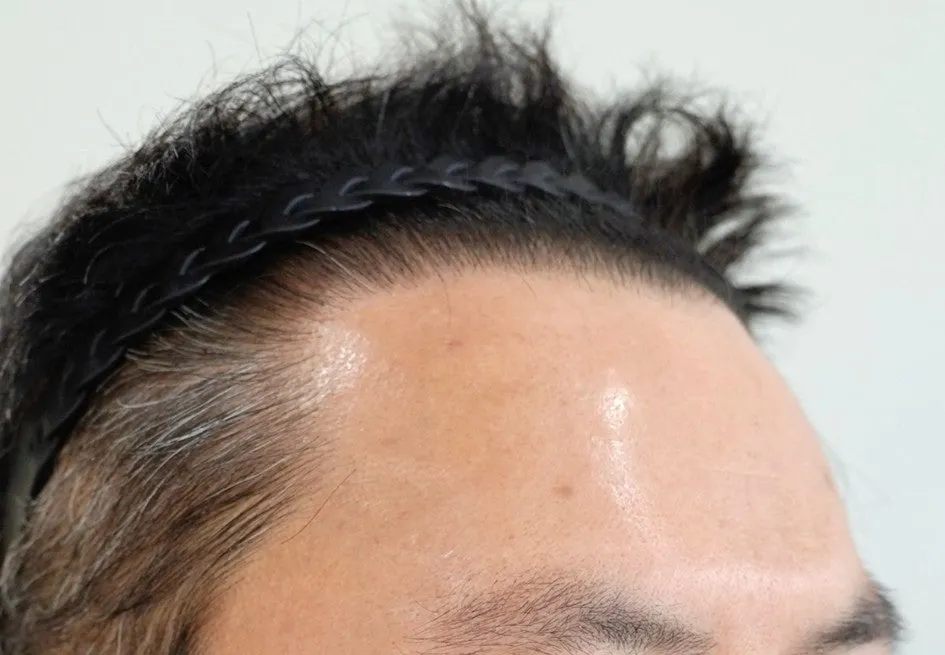
The transplanted hair grew well, but I feel that if they had taken medication for one year or at least sprayed Pinjube, the thickness and density of the crown hair would have improved further, and their overall satisfaction would have been much higher, so it is a shame.
Back to Oral Medication
While comparing crown photos, I emphasized once more the importance of hair loss medication, and this time we decided to try oral medication again. Although there were side effects about 20 years ago, the side effects of Propecia are largely psychological, so they may be fine now.
If side effects occur again this time, we agreed to adjust with Pinjube plus oral minoxidil, and for now they took home a one-month prescription of Propecia.
※ Side effects such as bleeding, inflammation, pain, infection and swelling may occur after a hair transplant. More important than the hair transplant is to prevent further hair loss through consistent use of hair loss medication.


