
By Dr. Park Sooho · 2025.02.23
What is concurrent shedding?
Have you heard of concurrent shedding, which can occur after a hair transplant? About three to four weeks after surgery, the transplanted hairs become resting-phase follicles and shed once. When the hairs around them that were not transplanted shed at the same time, this is called concurrent shedding. Shall we look at an actual case of concurrent shedding to understand it?
Gradually worsening M-shaped hair loss
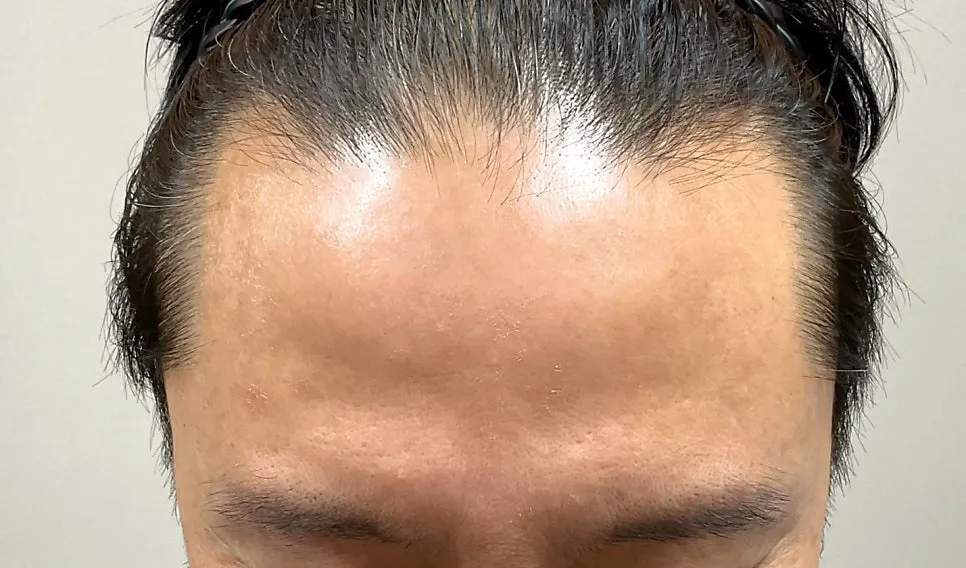
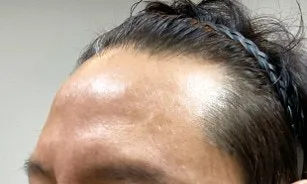
The patient above had been worried about gradually worsening M-shaped hair loss, and decided to have surgery after seeing their daughter undergo a hairline transplant. The crown was also becoming thin, so they wanted surgery there too. But since it seemed the crown could be managed with medication alone, they started taking hair loss medication and chose to have surgery only on the M-shaped hair loss area.
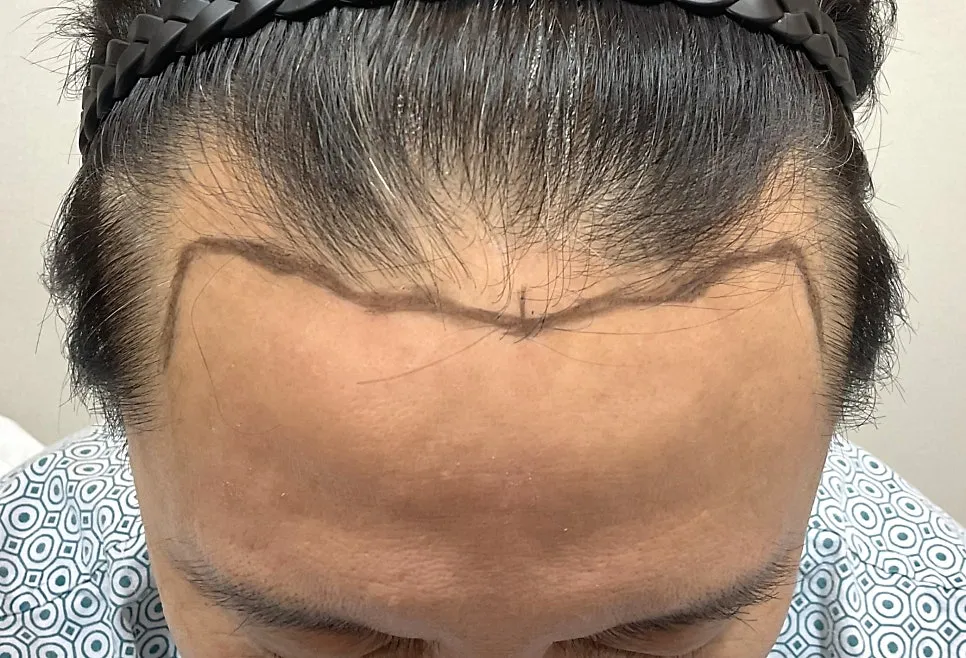
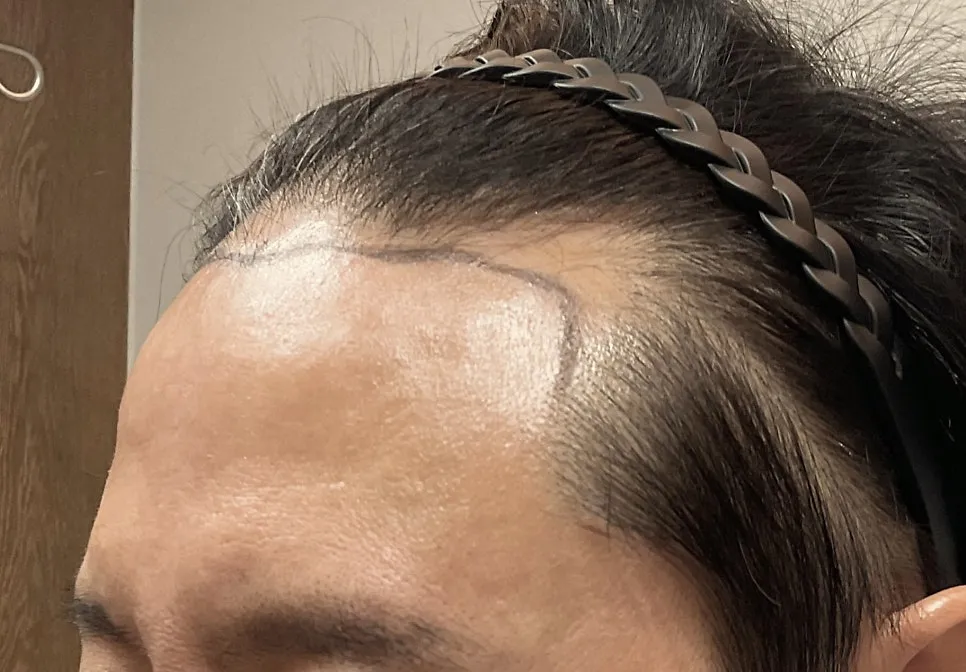
We decided on a design to fill in the most bothersome M-shaped hair loss area, and also to re-establish the side line that had receded and the center hairline that had become sparse.
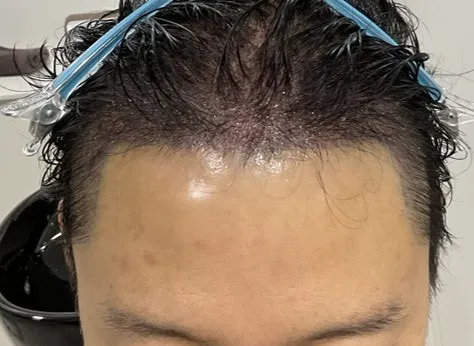
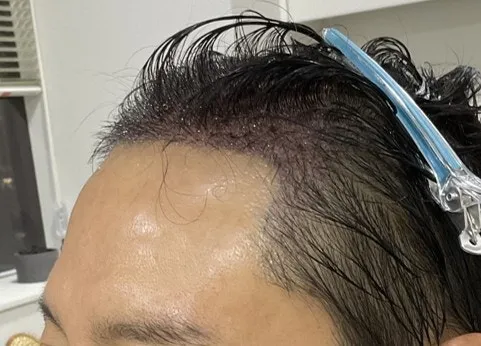
Because the hair is fine, they were worried that the back of the head might look thin after surgery, so we proceeded with the incisional method. About 3,500 hairs or more were harvested, which was enough to transplant fully up to the boundary area.
Stitch Removal on Day 10
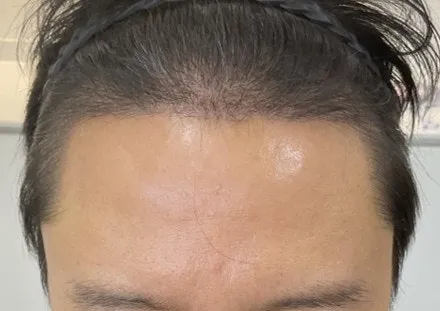
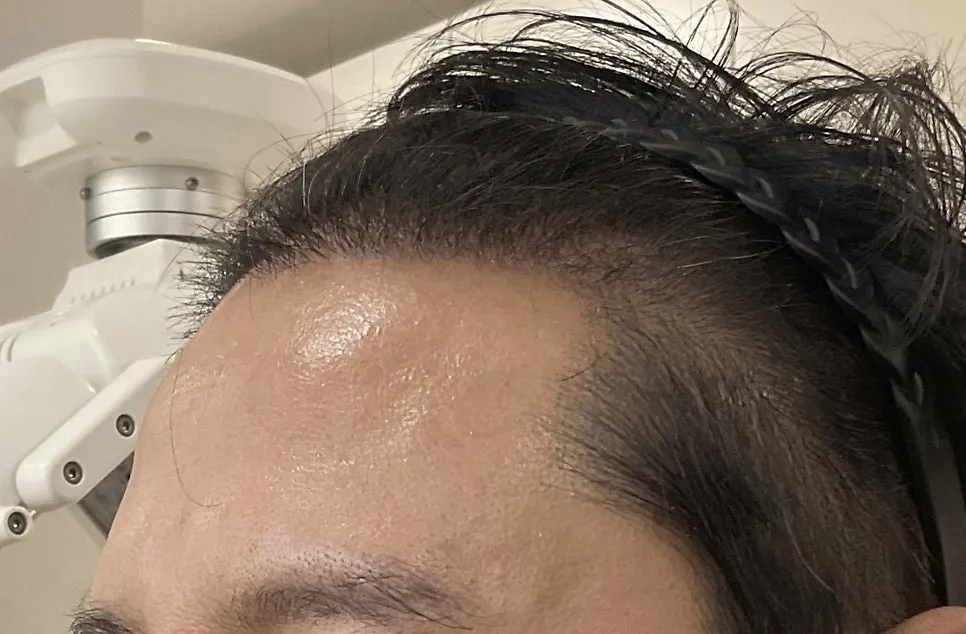
This was at the 10-day visit to have the stitches removed after the transplant. They said there was no particular discomfort, but the sensation in the crown area had not fully returned yet. Because thousands of follicles are transplanted, minor damage can occur to the sensory nerves running from the forehead to the crown, and this can cause numbness. But in most cases it improves in about a month, so there is no need to worry.
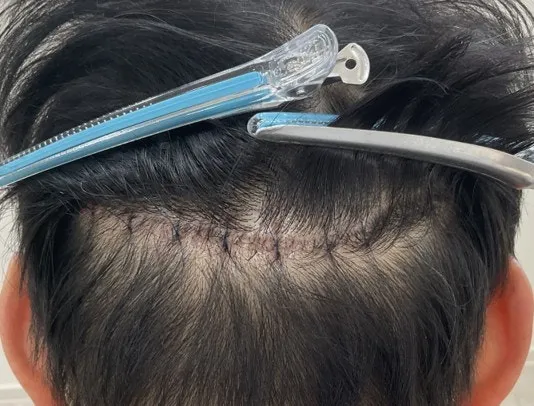
The incision site was kept clean because they applied the ointment well, and they said that from the first day after surgery there was almost no pain.
Surrounding hair that began shedding together around three weeks
However, about three weeks after surgery, they contacted us to say that surrounding hair that was there originally was shedding along with the transplanted hair. They had expected the transplanted hair to shed, but when hair started shedding in other areas too, they became worried.
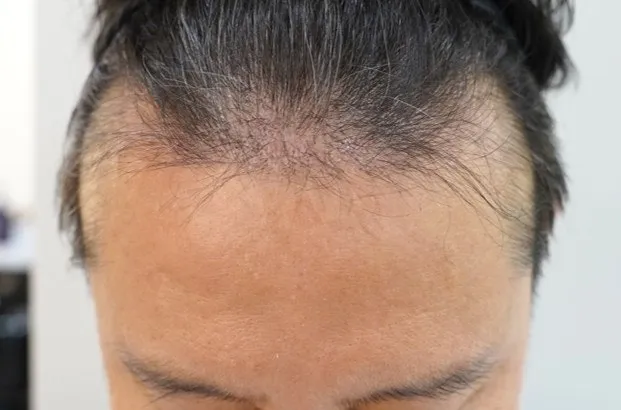
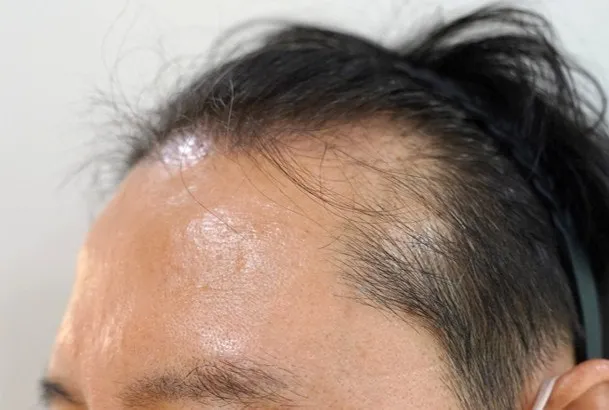
Their younger sibling had a hair transplant 10 years ago and said that almost nothing grew, so they were probably even more anxious. We kept in touch often, asked about their condition, and reassured them that the hair would definitely grow back.
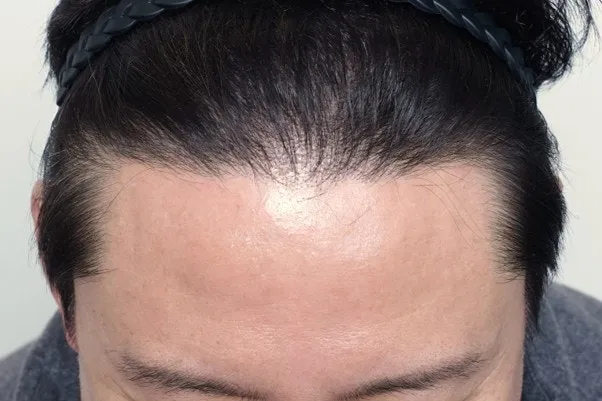
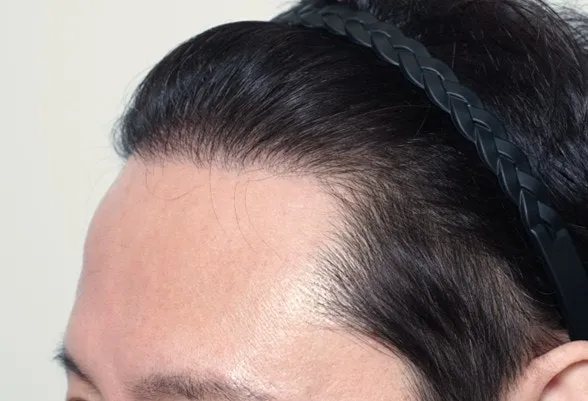
One-year final follow-up
Before long, one year had passed, and they came in for their final follow-up. The transplanted hair that shed during the dark phase and the hair in the areas of concurrent shedding grew so well that it was hard to believe how worried they had been.
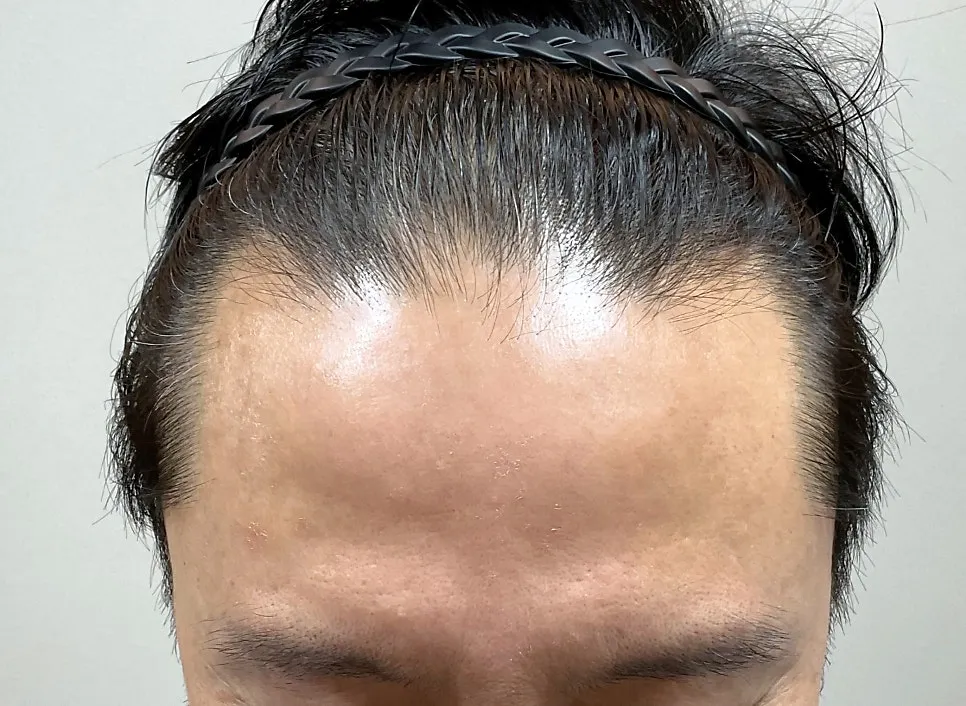
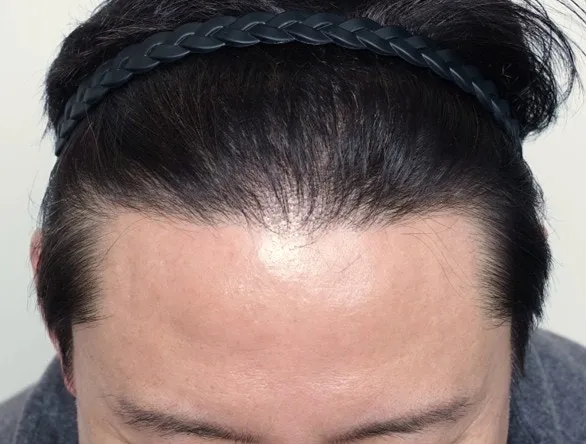
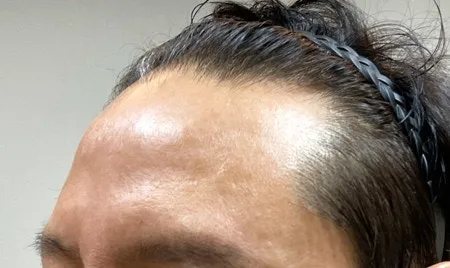
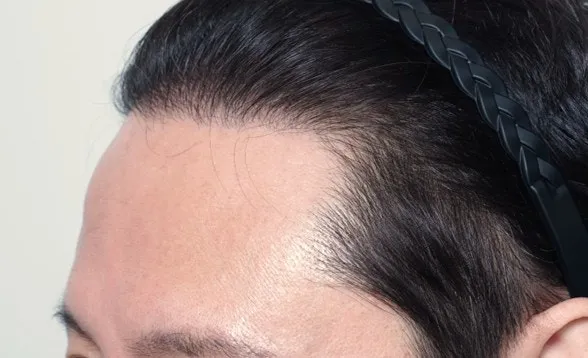
Shed hair grows back after three months
The dark phase that begins about one month after a hair transplant is when the transplanted hair sheds, and at that time the hair around the transplanted area can also shed together. This is called 'concurrent shedding.' It can also occur around the donor area at the back of the head. It is not a common side effect, but it is not extremely rare either (I think we see it about once or twice a year).
The hair that shed due to concurrent shedding starts growing again after three months, at the same time as the transplanted hair begins to grow back. Even without special treatment, it grows back on its own over time. If concurrent shedding occurs together with the dark phase, it may be a little heartbreaking at the time, but please don't worry, it really does grow back.
※ After a hair transplant, as with this patient, there may be no side effects such as pain, bleeding, infection, swelling, or bruising, but these can occur depending on the individual. As you can see, abnormal sensation or concurrent shedding can also occur.


