
By Dr. Park Sooho · 2024.10.05
2,500 Hairs Needed for Hairline Correction
After meeting with a patient who had surgery last week, I learned how other clinics approach incisional hair transplant. Since my view differs somewhat from those doctors', I would like to talk about scalp elasticity and incisional hair transplant.
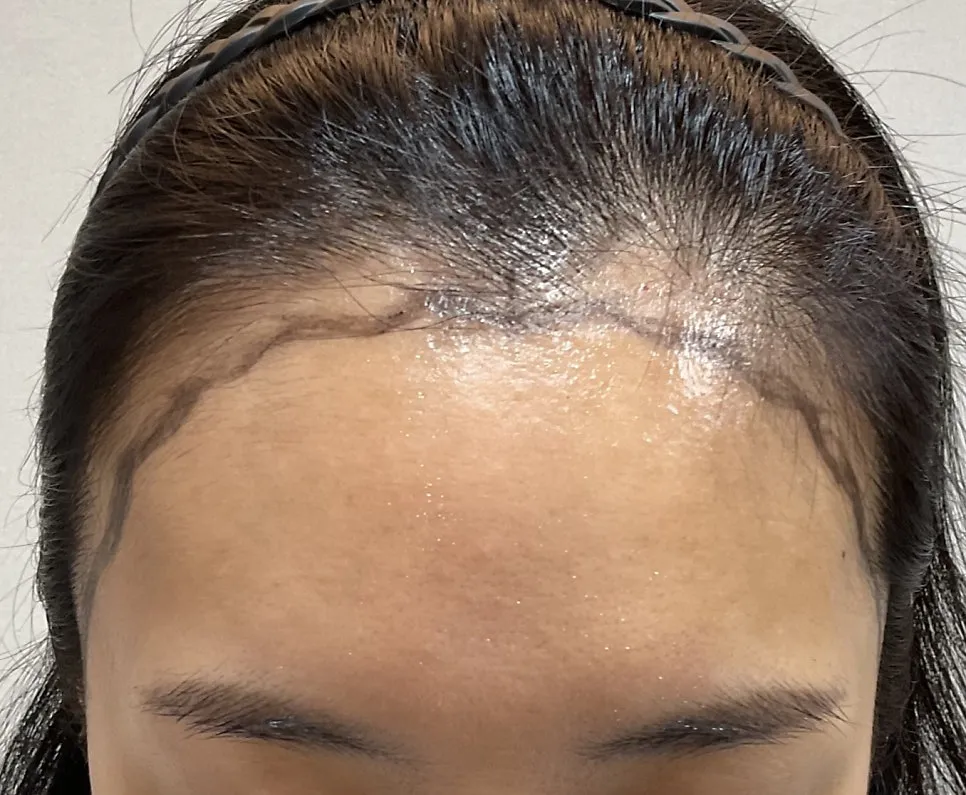
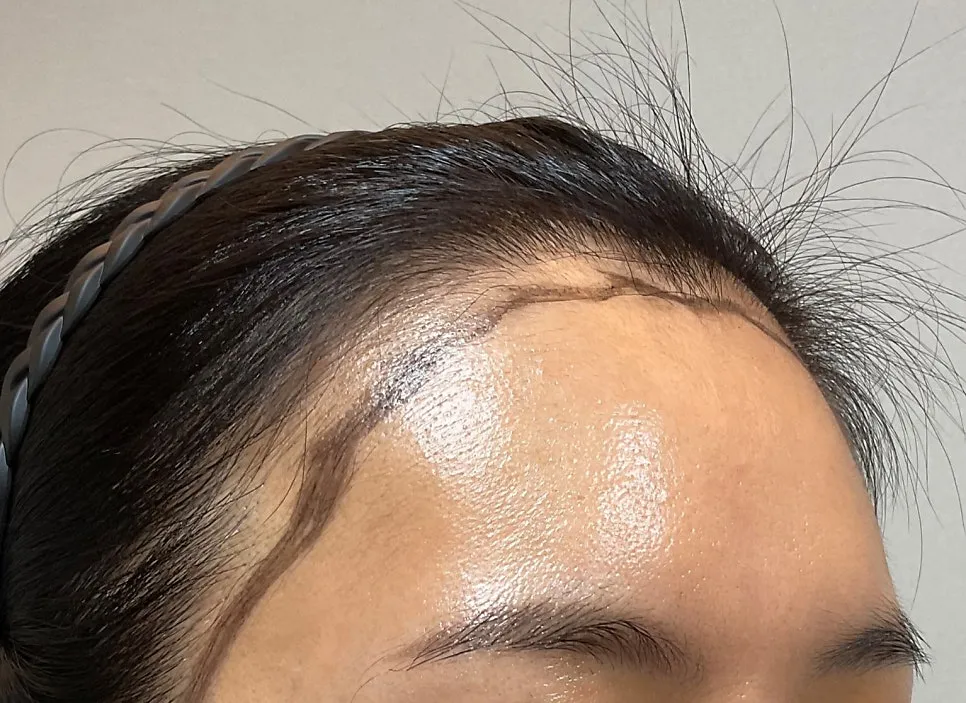
This patient wanted hairline correction, and when designed in the shape they wanted, about 2,500 hairs were needed.
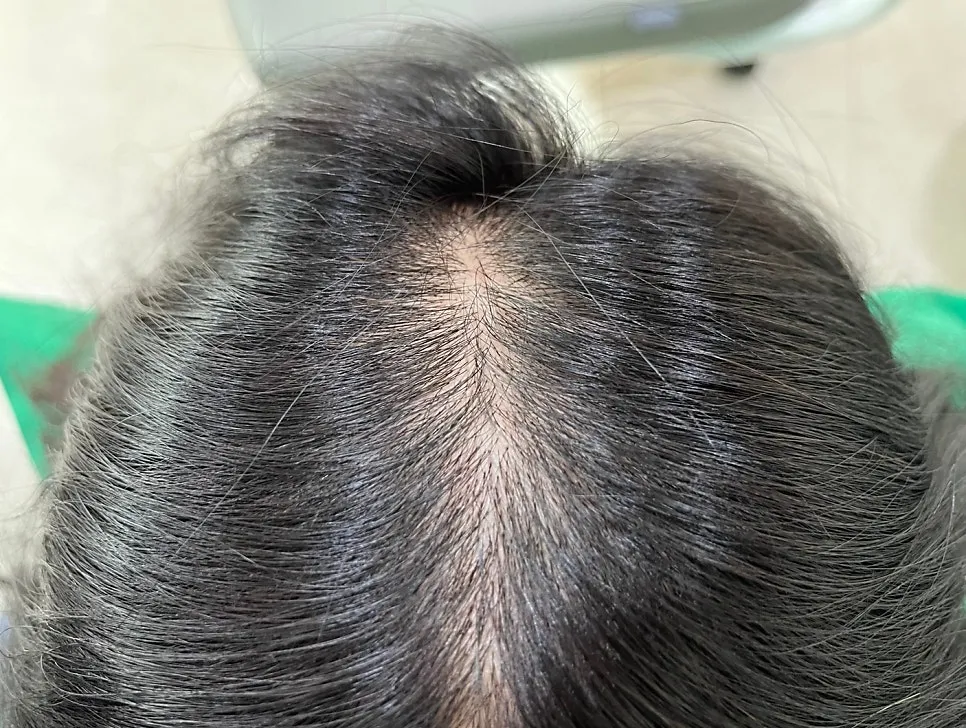
However, because overall hair density was not high, the scalp at the crown and the crown whorl was visible through the hair, and the volume behind the whorl was also low. To harvest about 2,500 hairs, we would need to harvest from the upper part of the back of the head, and that would reduce the density and volume around the whorl even more.
So in cases like this, I usually recommend the incisional method, which harvests only from the lower part of the occipital area. Harvesting only from the lower part does not reduce the overall volume at the back of the head. Although scalp elasticity was not very good, it seemed that about 2,500-3,000 hairs could be harvested without problems, so I told the patient that for these reasons, incisional would probably be better than non-incisional.
What I Heard From Three Clinics
After consulting like this, the patient came back with their husband a few days later. They had visited three other clinics, and all three said the occipital elasticity was poor, so only non-incisional was possible. They said it was not just a recommendation for non-incisional; they were told that incisional must not be done and only non-incisional was possible. That is why they came back to double-check.
When all three places said that, I wondered whether I had misdiagnosed, so I carefully rechecked the scalp by location, but it seemed that more than 2,500 hairs could be harvested without problems. The patient always cared about the volume at the back of the head and wanted the incisional method, but after hearing from three other clinics that incisional absolutely must not be done, they became confused.
Two of those clinics were even specialist plastic surgeons, and one of the doctors told them that the sutured area would burst if they did an incision. Hearing they said that much made me a bit anxious too, but I thought that in this patient's case incisional was far better than non-incisional, so I reassured the patient.
I said that during incisional harvesting I would check the elasticity very gradually as I go, and if it seemed that less than 2,500 hairs could be harvested incisionally, I would not force it, and would additionally harvest only the shortfall non-incisionally and transplant it. Only then did the patient feel reassured and choose incisional.
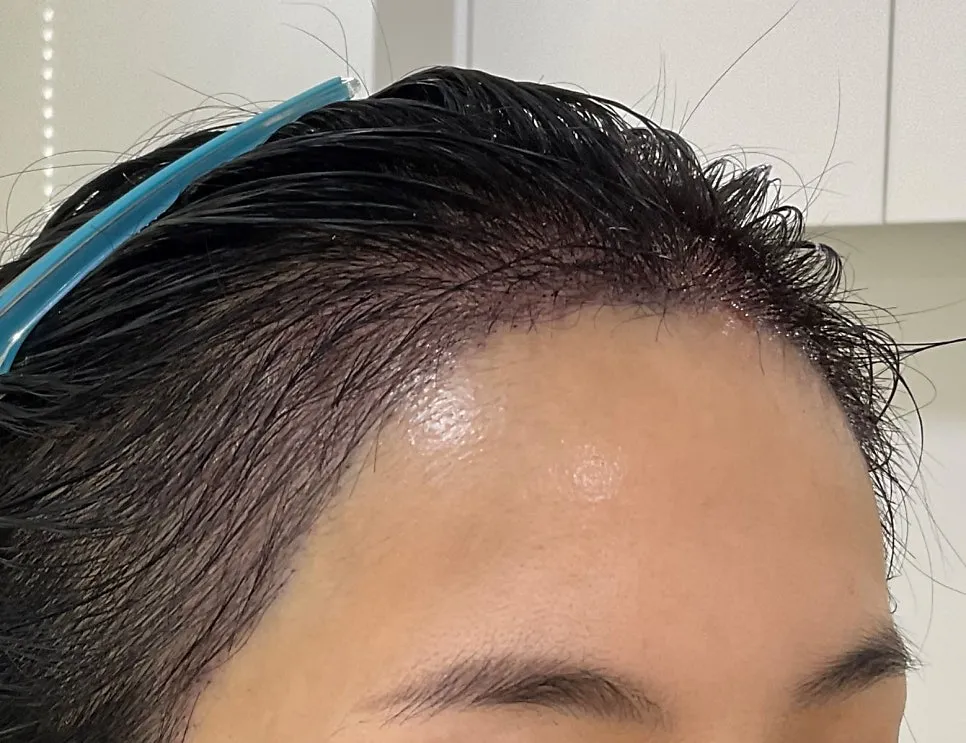
Surgery Performed While Checking Elasticity
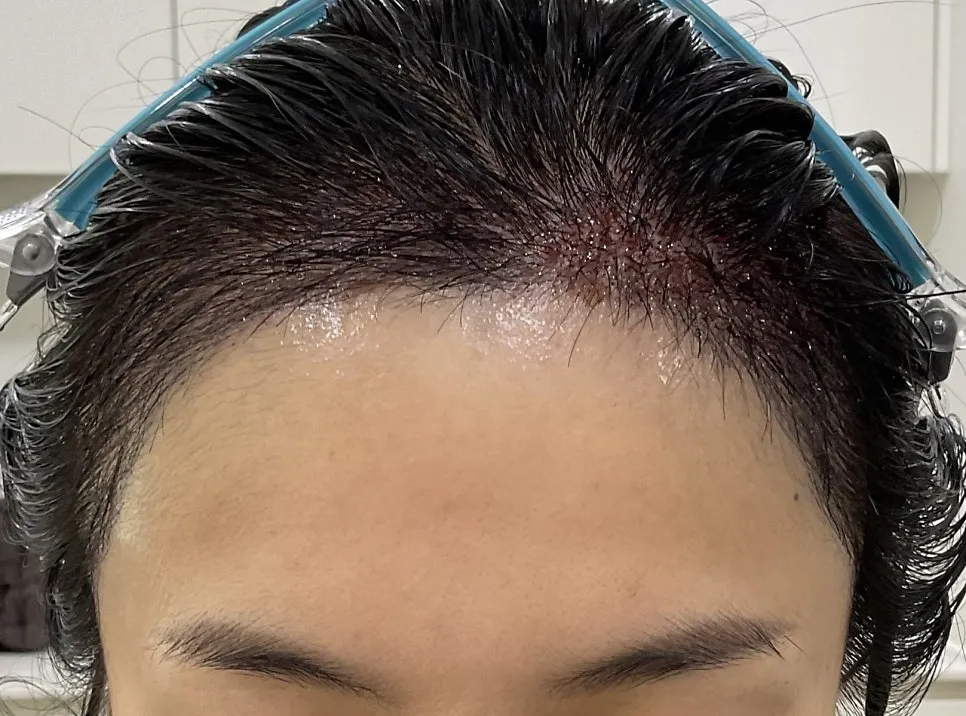
On the surgery day, as I mentioned, I performed the surgery while gradually extending the incision and checking scalp elasticity. (I do this normally too, but because the words of the other clinic doctors had weighed on me, I think I checked elasticity more often.) We completed the incision and suturing as designed without issue, and obtained about 2,700 hairs. Right after surgery, the patient said they felt no pain at all.
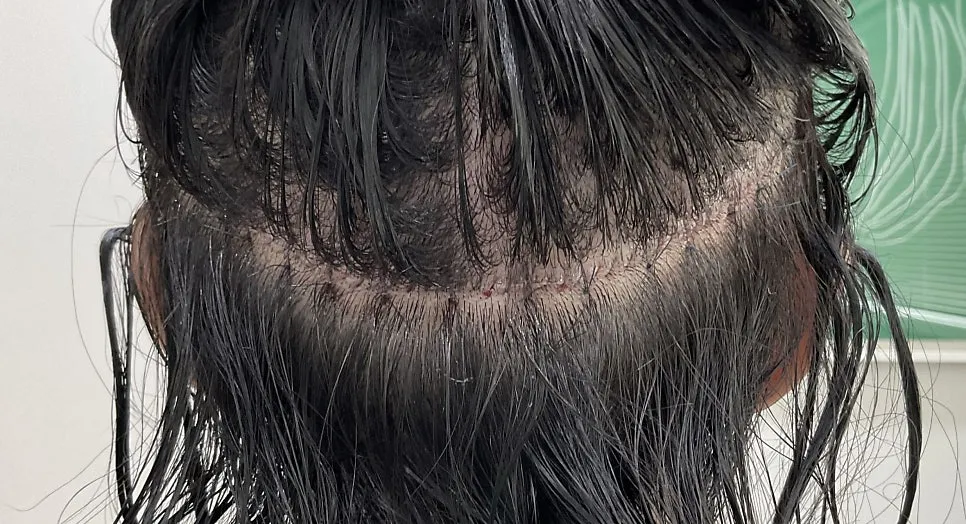
At the post-surgery visit on day 2, I asked about pain. Overall, there was no major discomfort, but they said three spots at the incision site felt slightly tingling. Those spots are where many others also mention it; because sensory nerves pass through there, it can feel tingling and uncomfortable for a few days after surgery, and I explained that in most cases it improves on its own after about 1-2 weeks.
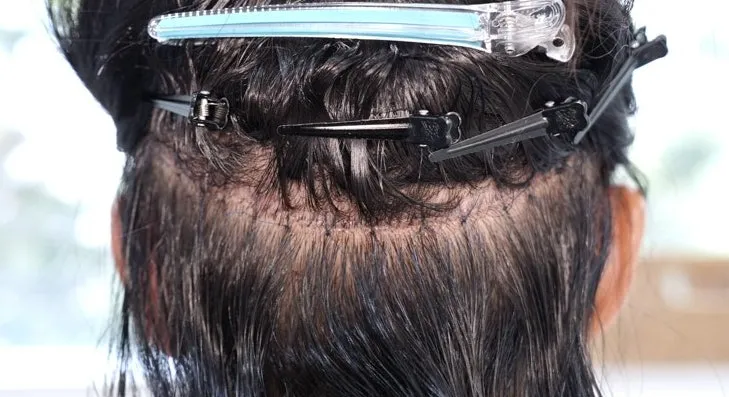
Both Incisional and Non-Incisional Are Excellent Methods
Both incisional and non-incisional are excellent methods. In most cases, good results come from either method, but sometimes one method produces a much better result.
Because forcing an incision can cause various problems, scalp elasticity should be carefully measured and planned from the consultation before surgery, so that enough follicles can be obtained without issue.
However, if you approach too conservatively out of fear, you may miss the surgical method that is most appropriate for you, as in this patient's case.
Actually, I also hesitated a bit when the specialist plastic surgeons at other clinics said that because the elasticity was insufficient, incisional should not be done. But trusting my own experience, and resolving to switch to non-incisional for any shortfall if needed, I was able to recommend it with confidence. In the end my diagnosis was right, which made me happy, and it was a satisfying day because I could protect the valuable volume at the back of the head.


