By Dr. Shin Seungkyu · 2024.09.26
Lecture on Hair Loss Treatment for Korean Medicine Doctors
Recently, at the request of Korean medicine doctors, I gave a lecture on hair loss treatment, and I would like to share its content. The topic I was asked to cover was the indications for medication and surgical treatment in hair loss care. They were probably curious about the protocol for when medication is used and when surgery is used when hair loss is present.
They wanted a lecture of about 15 minutes, so I wrote a script and made a PowerPoint, and I would like to share the content reorganized here.
Hair Loss Occurs Naturally During Aging
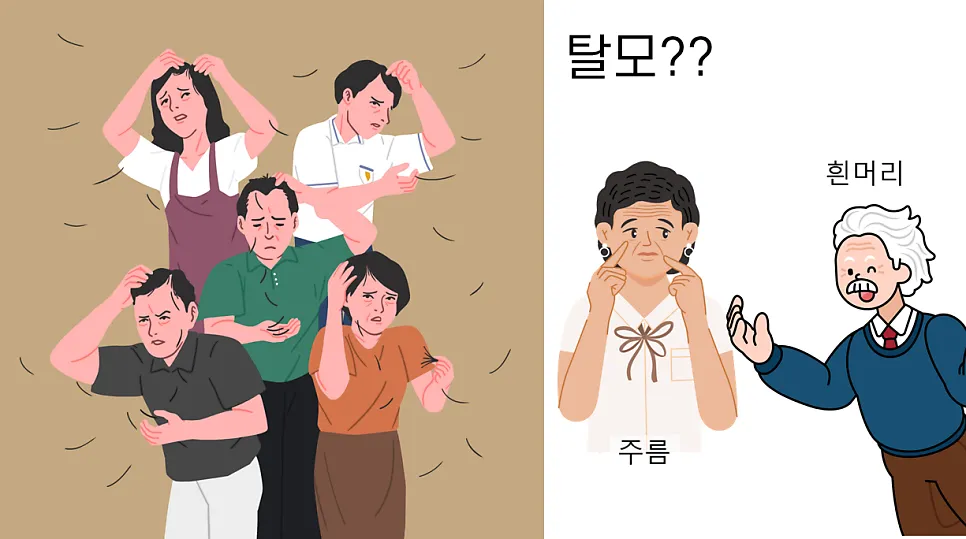
First, when people hear "hair loss," most think of it as a disease, and believe that some people get it while others do not. However, according to various current materials and papers, hair loss occurs naturally during the aging process, just like facial wrinkles and gray hair. Only the timing and degree may differ.
Even though I have a lot of hair now, as I get older my hair will also become thinner and my density will decline compared to now. So you can think of hair loss as something that happens to everyone as they age.
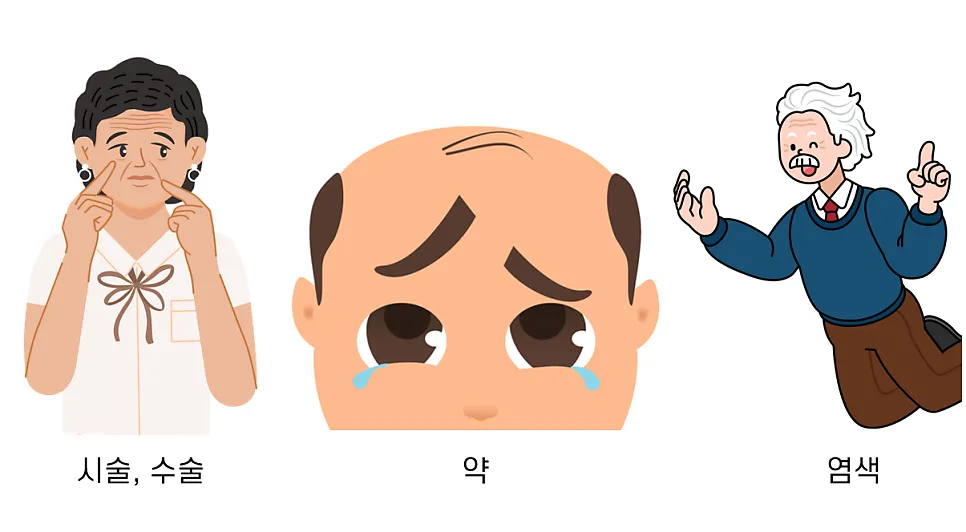
Some people accept this natural process of hair loss and do not pay attention to it, while others feel very stressed. In reality, the former are few, and the latter are likely the majority. A close older friend of mine started shaving his head with a razor as soon as his hair began to fall out, and says that it is much more comfortable.
How one accepts hair loss is a personal choice. Just as wrinkles caused by aging can be improved with various procedures and surgeries, and gray hair can be dyed, these can be seen as part of management.

Medication as a Management Option
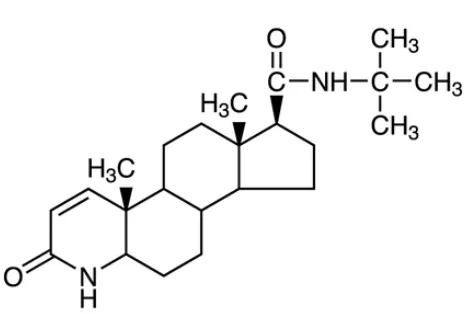
Hair loss also has a very good management option: taking medication. Anti-androgen medications, commonly known as finasteride and dutasteride, exist. These drugs play a very effective role in slowing the progression of hair loss, and many people choose them.
Some people have a family history of hair loss and see their future in their parents' present appearance, so they start taking hair loss medication before any hair loss occurs. Others start medication after noticing that their hairline is rising or their hair is getting thinner.
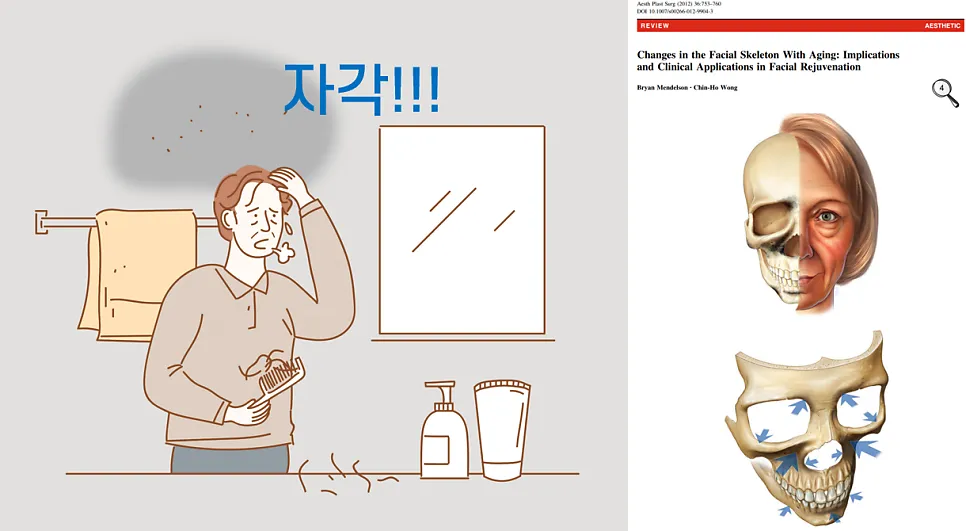
Day to day, we don't notice any difference in the face we see ourselves, but when compared with faces from one or two years ago, we can see that they have changed a lot. Our faces gradually develop sagging soft tissue, bone shape changes, and hair also gradually thins and loses density. So if you have become aware of it to some extent, it means it has progressed considerably, and in such cases it is best to start medication right away.
Hair Loss in Women
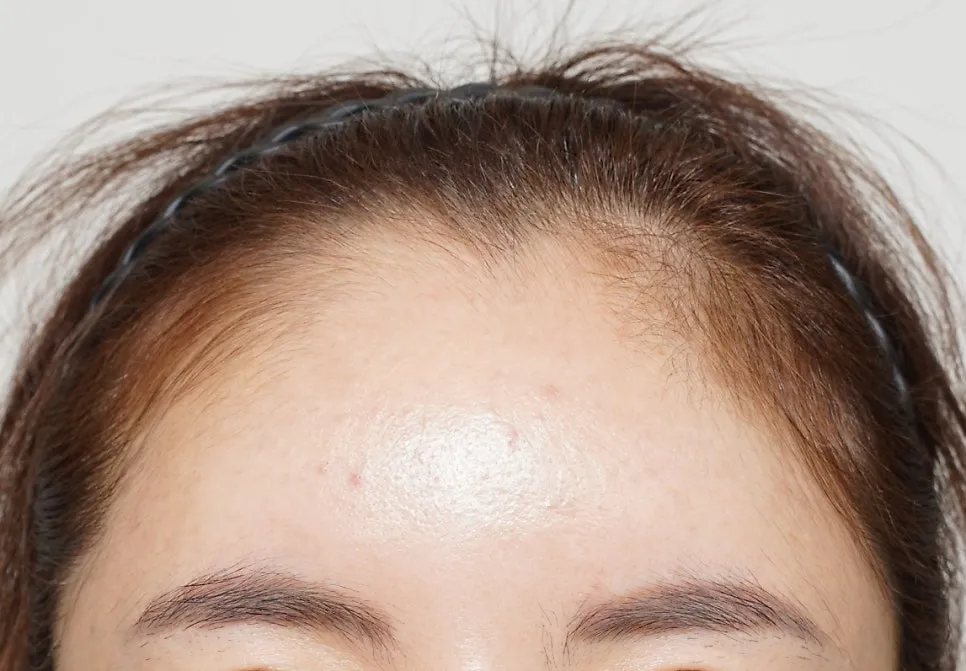
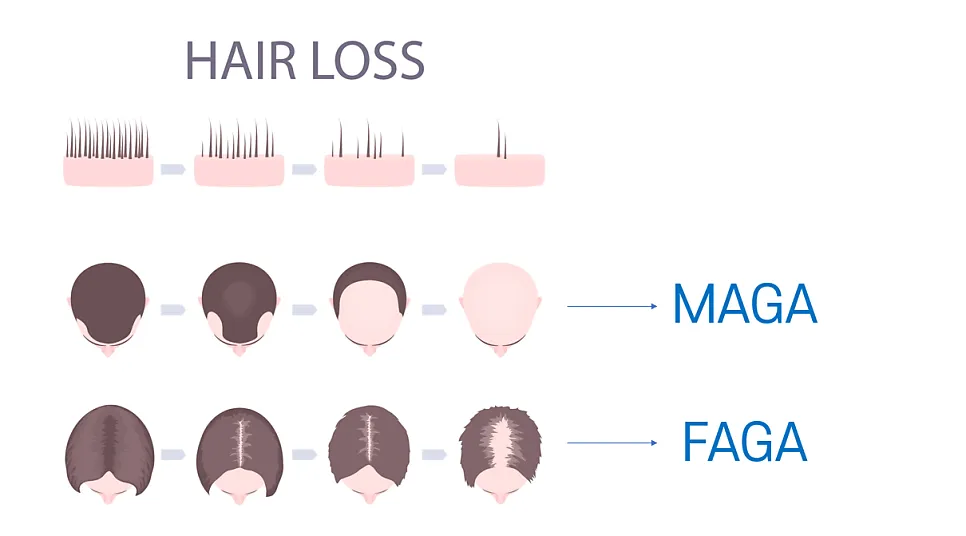
In women, the way hair loss appears differs somewhat from men. In men, the pattern is the hairline receding backward and the crown thinning; in women, the typical pattern is patchy thinning across the crown.
Previously it was called female pattern hair loss (FPHL), but these days it is called female androgenic alopecia (FAGA). Female pattern hair loss is also regarded as androgenic alopecia, and it is understood that it appears differently from men. So, for female pattern hair loss, finasteride and dutasteride are said to be helpful, and some doctors also prescribe them.
Anti-androgen medications carry a risk of genital malformations in a baby, so they are generally not used in women of childbearing age.

In addition to anti-androgen medications, there are medications that use the side effects of those drugs. Low-dose minoxidil, which was originally approved as a blood pressure medication but has the side effect of hair growth on the body, is helpful, and taking spironolactone, a diuretic, also helps with hair loss treatment. To prevent hair loss or improve hair loss that has occurred, it is considered essential to take medication.
When Is Hair Transplant Done?
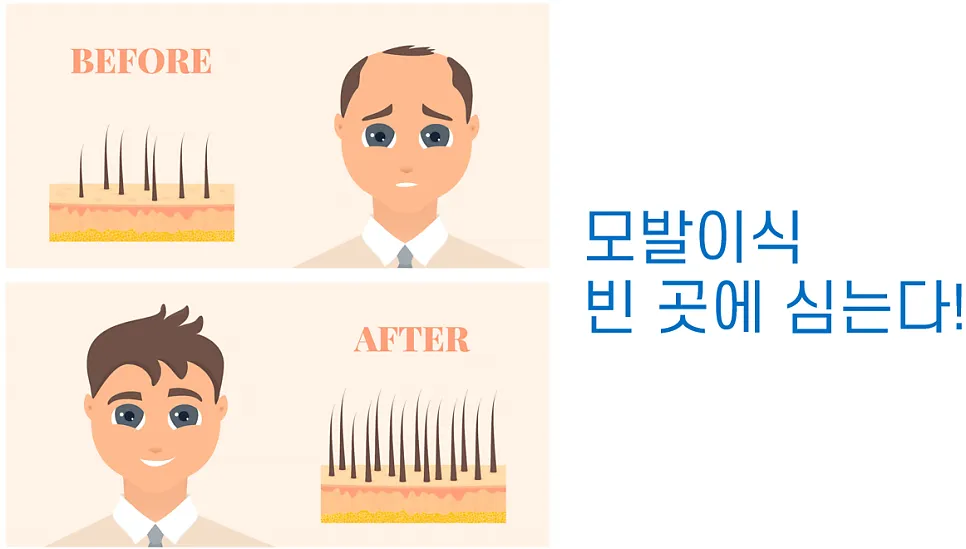
So when is hair transplant done? It is done when hair loss has progressed and there are gaps between follicles with space to transplant into. If hair has become slightly thinner in the early stage of hair loss, medication alone can be effective, so we do not recommend hair transplant.
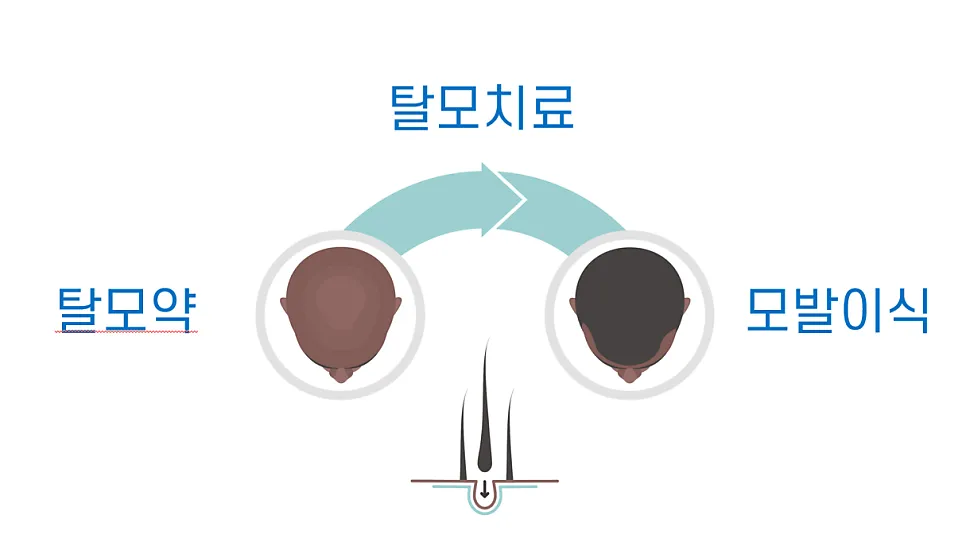
So there is no separate protocol for "taking hair loss medication" versus "hair transplant" in hair loss treatment. Since hair loss is a type of aging, taking hair loss medication is essential for management, and areas with empty gaps between follicles can be filled with hair transplant.
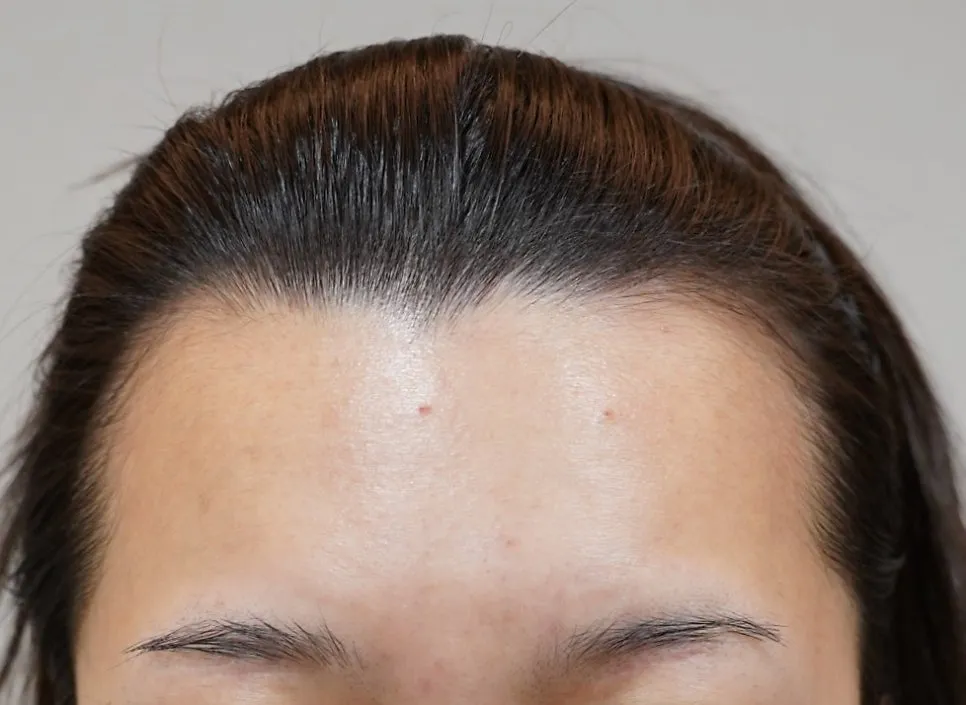
I gave the lecture based on the above content, and added explanations of various situations with actual clinical photos. Hair loss treatment is important to prevent before it worsens. If you are very interested in your appearance and see signs of change, I hope you start treatment right away.