
By Dr. Park Sooho · 2024.09.18
The Pain Most People Worry About Before Surgery
Today, I would like to talk about pain after hair transplant surgery. This is a YouTube topic I am filming this evening, and it feels like I am writing the script at the last minute.
One of the things people worry about most before surgery is pain. I think I would be the same, because I really hate pain myself.
Incisional Harvest Site
Many people assume that incisional surgery will be very painful. Many also hear from others that it was very painful.
However, the most common thing people say when they come in for suture removal after surgery at BANAL is, "It didn't hurt as much as I expected." By setting the incision width according to scalp elasticity, closing without tension, neatly aligning the wound edges, and suturing so that hair does not get tangled with the thread, it truly does not hurt as much as you would expect.
Surprisingly, quite a few people say it did not hurt at all. On the other hand, some people say it hurt a lot, but that is not common.
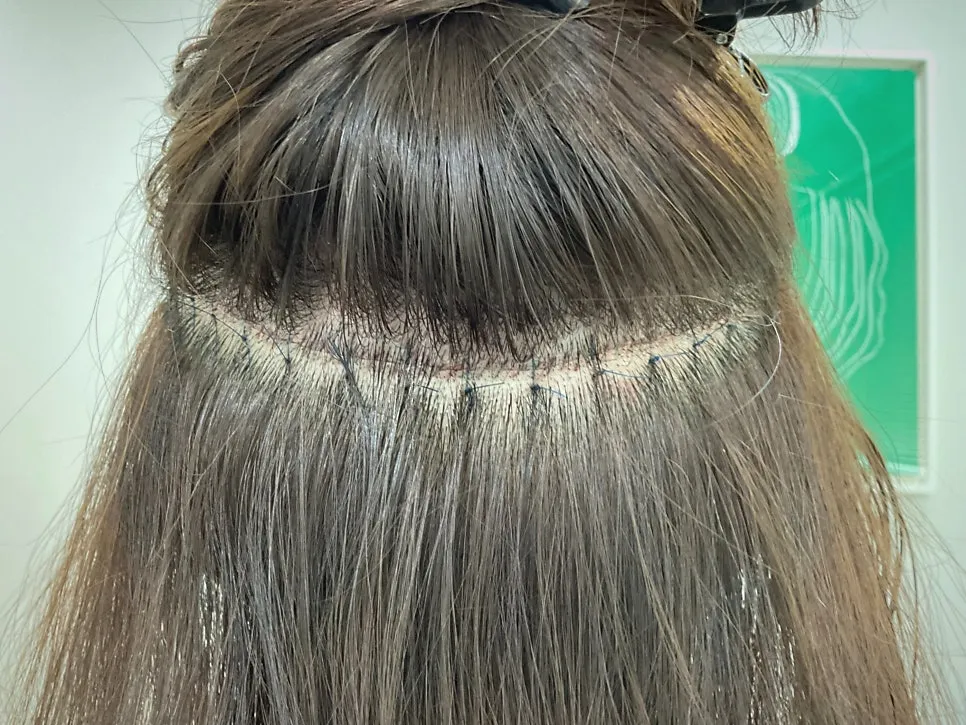
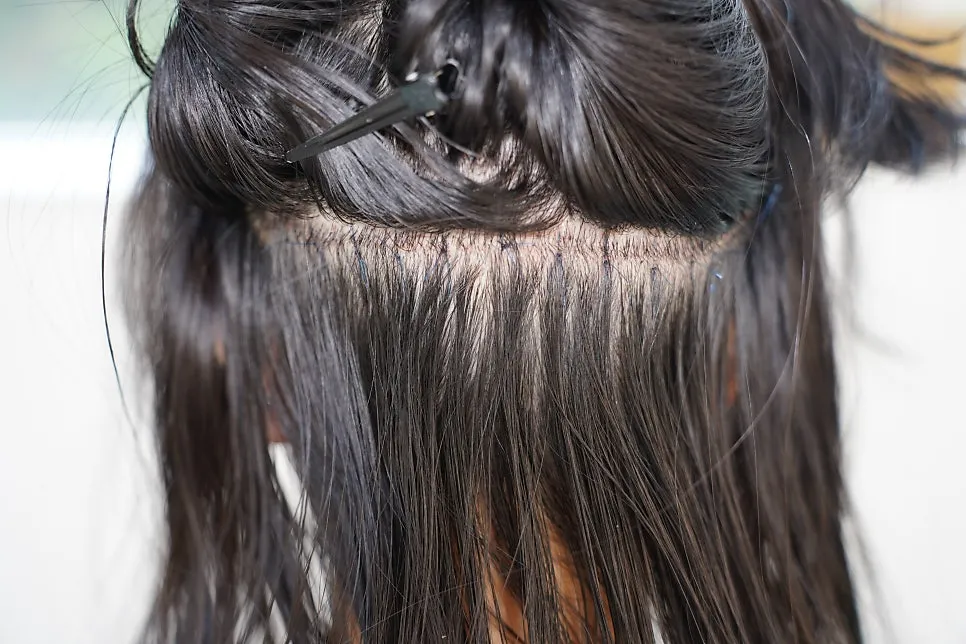
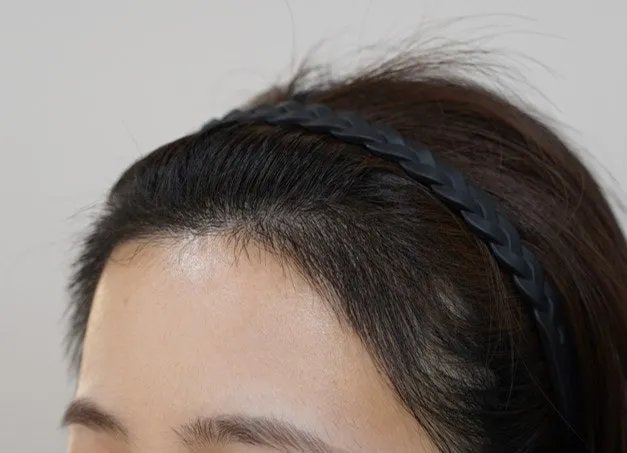
The degree of pain depends on the amount harvested and scalp elasticity, but usually it is described as a throbbing scalp a few hours after tightly tying the hair back with a headband or rubber band. This kind of pain is said to mostly subside 2-3 days after surgery. Some people feel pain until the stitches are removed, or even after they are removed, but this is very rare, and even in such cases, it eventually all goes away with time.
Many people worry they will be uncomfortable when sleeping. When asked, they say they may feel some discomfort when they first start to fall asleep, but after they fall asleep, they sleep just fine. Some even say that lying straight to avoid touching the transplanted area, rather than the pain itself, was what made them toss and turn.
Non-Incisional Harvest Site
The day after surgery, when washing the hair, there is a sharp, stinging pain as water touches the wound. The more is harvested, the more it tends to hurt, and men tend to feel more pain than women. I think it is because men's scalps are somewhat harder and thicker.
This stinging pain goes away after two days, and from then on, a dull ache may remain overall for 1-2 weeks. Some people say they felt no pain at all, while others say they are sore even when touched.
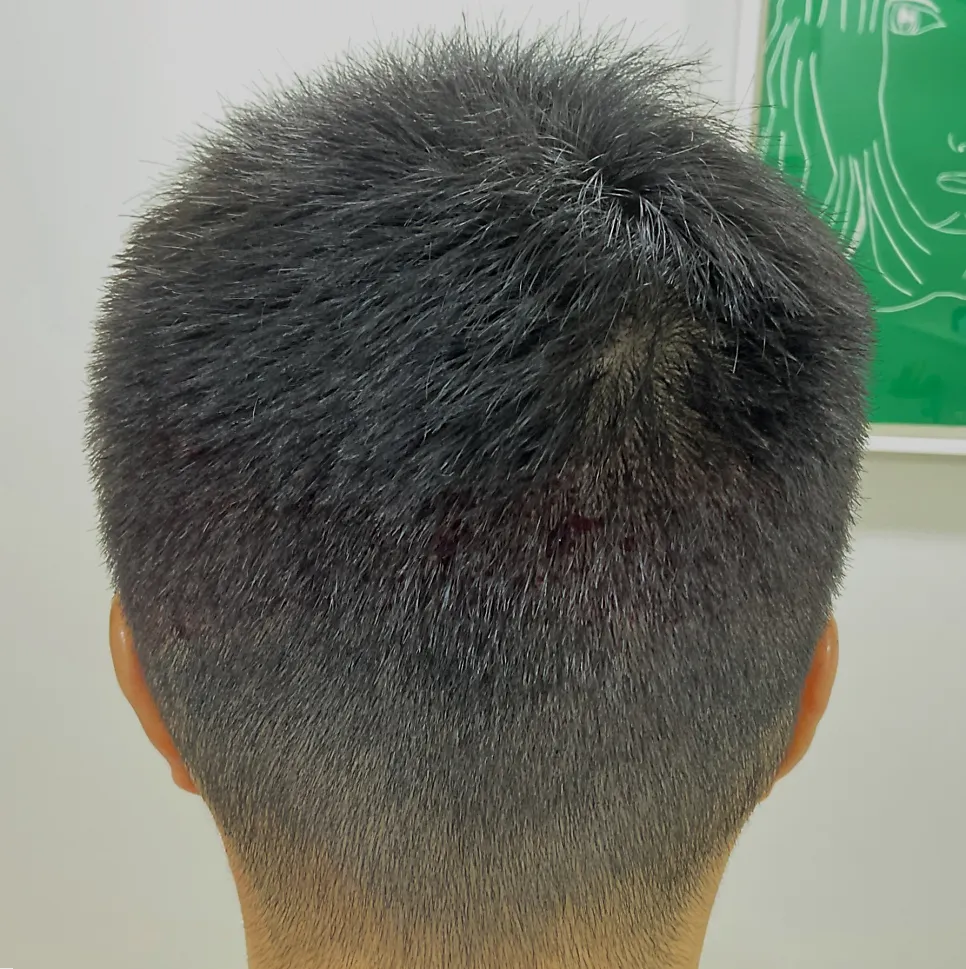
If a lot is harvested, the pain can last longer. Even those who say the harvest site hurts for several months after surgery eventually recover completely. You might think non-incisional means no pain at all, but that is not the case. It is a different type of pain from incision.
Transplant Site
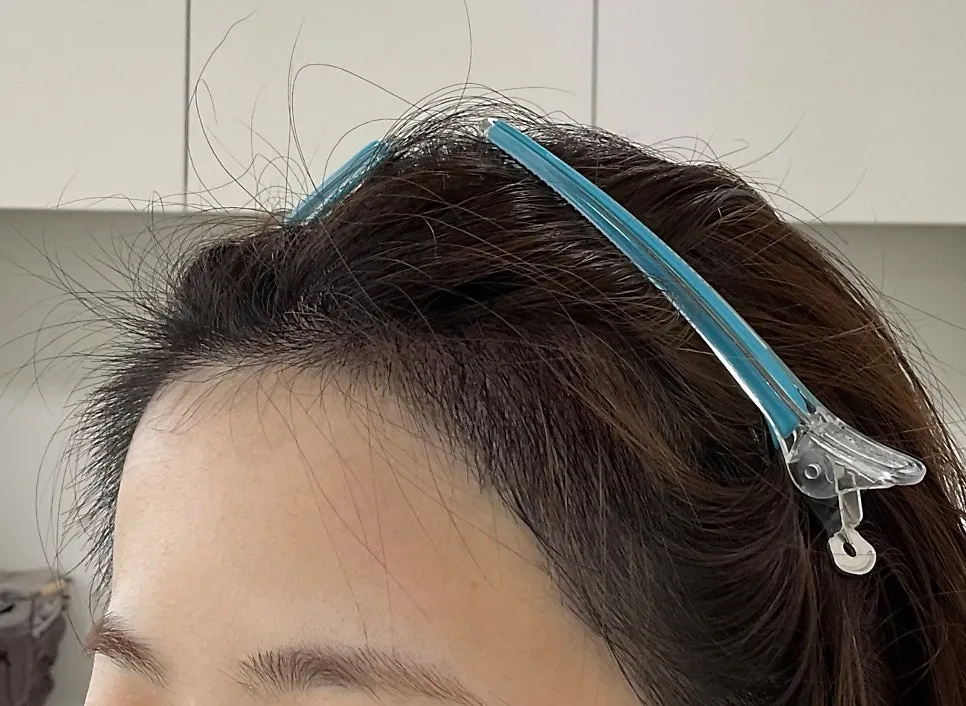
Whether incisional or non-incisional, the transplanted area is hardly painful at all. It is similar to when a needle pricks us: it hurts at that moment, but after a while it does not hurt much.
Trying to Make It as Painless as Possible
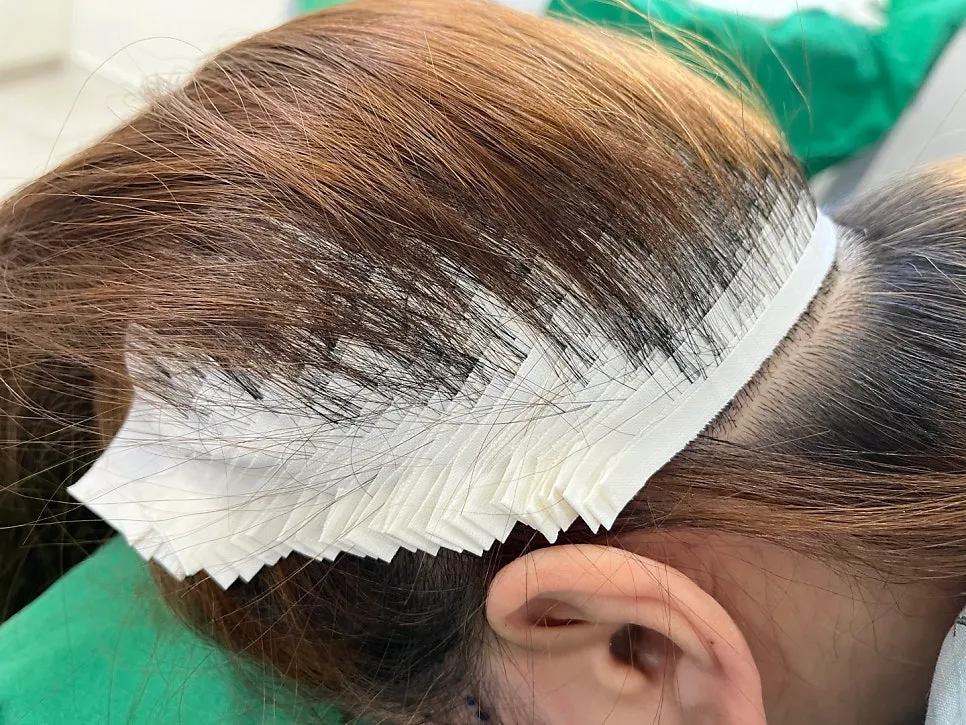
As I mentioned at the beginning, I am scared of pain. Since I hate pain myself, I want patients not to feel pain either, so I try to make it as painless as possible in every way. When injecting anesthetic at the surgical site, we inject while the patient is briefly under sedation, and we also apply a little anesthetic to the taped area, since the tape used during the occipital harvest could hurt when it is removed.
If scabs are heavy the day after non-incisional surgery, patients say shampooing is very painful. So we shampoo thoroughly right after surgery, before the anesthesia wears off, and then send patients home. That way, shampooing the next day hurts much less.
Hair transplant is still surgery, so it cannot be completely painless (some people say they felt no pain at all, but individual differences exist). However, depending on how carefully and thoughtfully pain is considered, there can be a big difference even in the same surgery. Looking at the fact that more and more people say it hurts less than before, I really think that is true.
Since I am a bit of a scaredy-cat myself, I hope everyone feels as little pain as possible.
※ After hair transplant surgery, pain, swelling, bleeding, and inflammation may occur, and individual experiences may vary.


