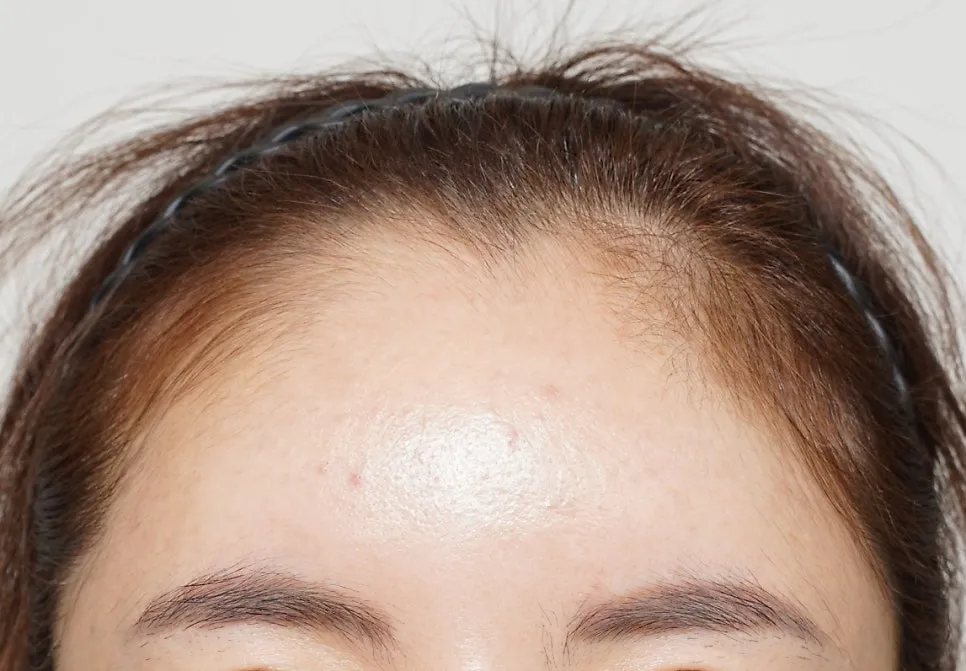
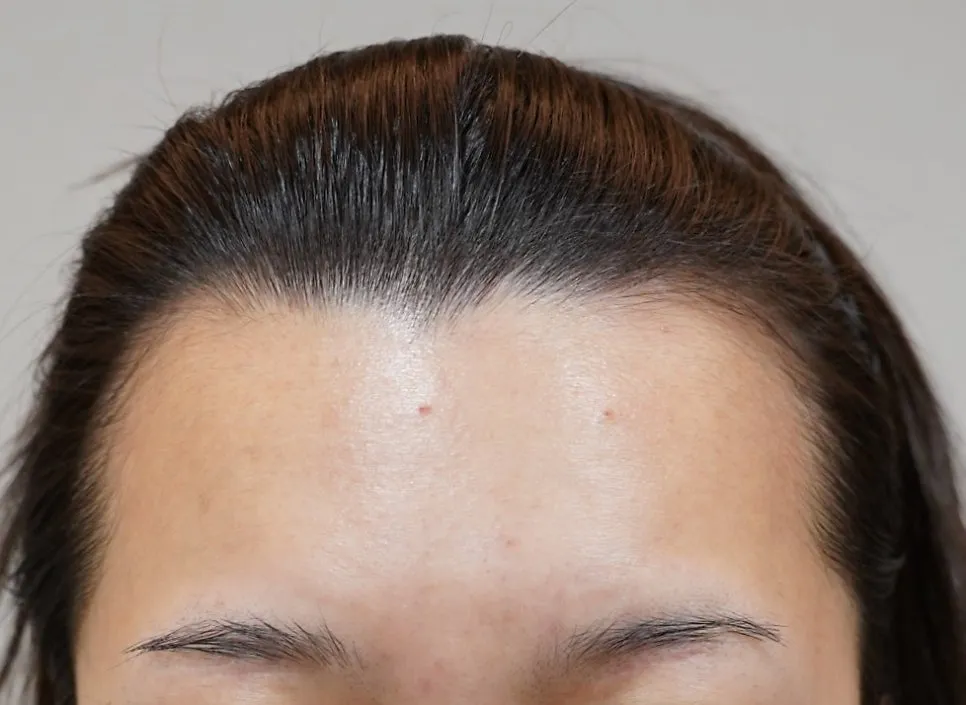
By Dr. Shin Seungkyu · 2024.06.25
Considering How to Harvest Hair for Transplant

After deciding on a hair transplant because of a high or wide forehead, the next thing to consider is the harvesting method.
As we have explained several times, harvesting methods are broadly divided into incisional and non-incisional, and non-incisional methods are classified in more detail according to shaving amount.
That is why we recommend the appropriate method based on donor hair count and back-of-head condition. Dr. Park Sooho explained this in detail in an earlier post, so you may want to refer to it.
https://blog.naver.com/banal_ps/223256173034
I will walk you through the overall process using a real patient case.
Design for Filling the Side Line and Sideburns
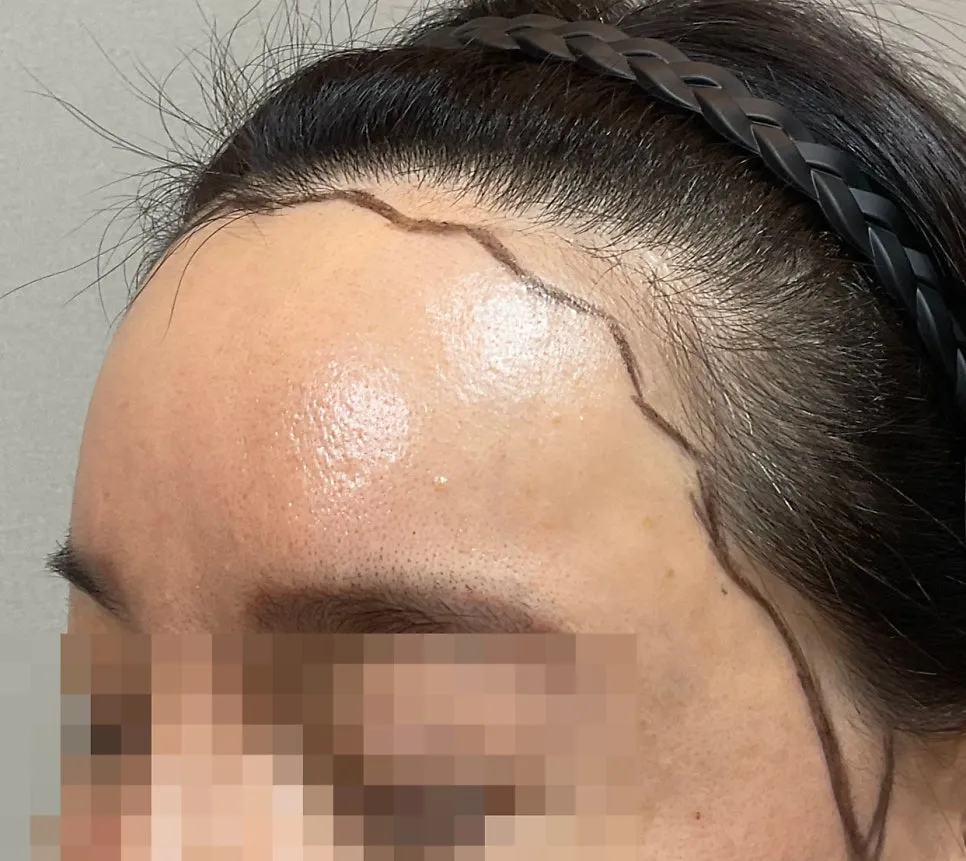
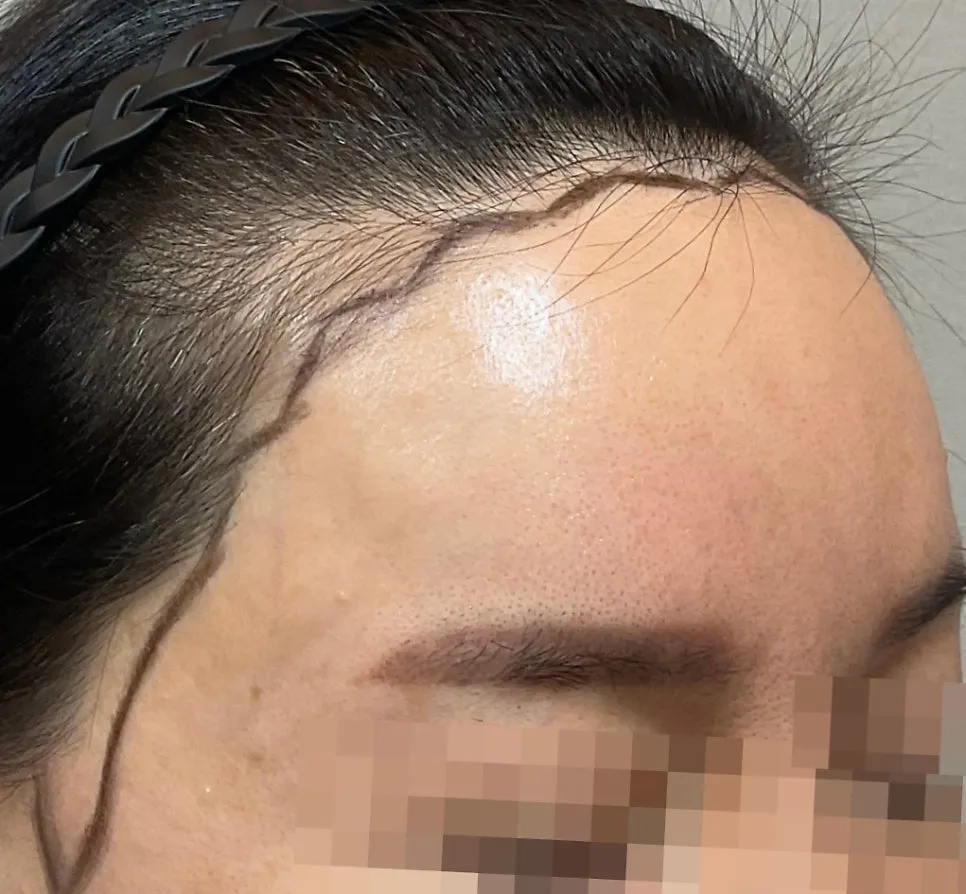
This patient was concerned about a slightly angular shape and a wide side line, so we kept the height and designed the hairline to fill in the side line and sideburn area.
When we designed it and calculated the hair needed, it came to about 2,300 hairs. When we then checked the back of the head, the hair was fine and the density was low.
Why We Recommended Incisional for Low Density
2,300 hairs is not a very large amount, but for people with low hair density, harvesting with the non-incisional method can make the back of the head look much thinner after surgery, so we recommended the incisional method.
Both incisional and non-incisional methods harvest the same amount of hair. However, non-incisional harvesting must be taken evenly from the entire back of the head, so people with low hair density may feel a sense of sparseness after surgery.
Immediately After Surgery and Day 9
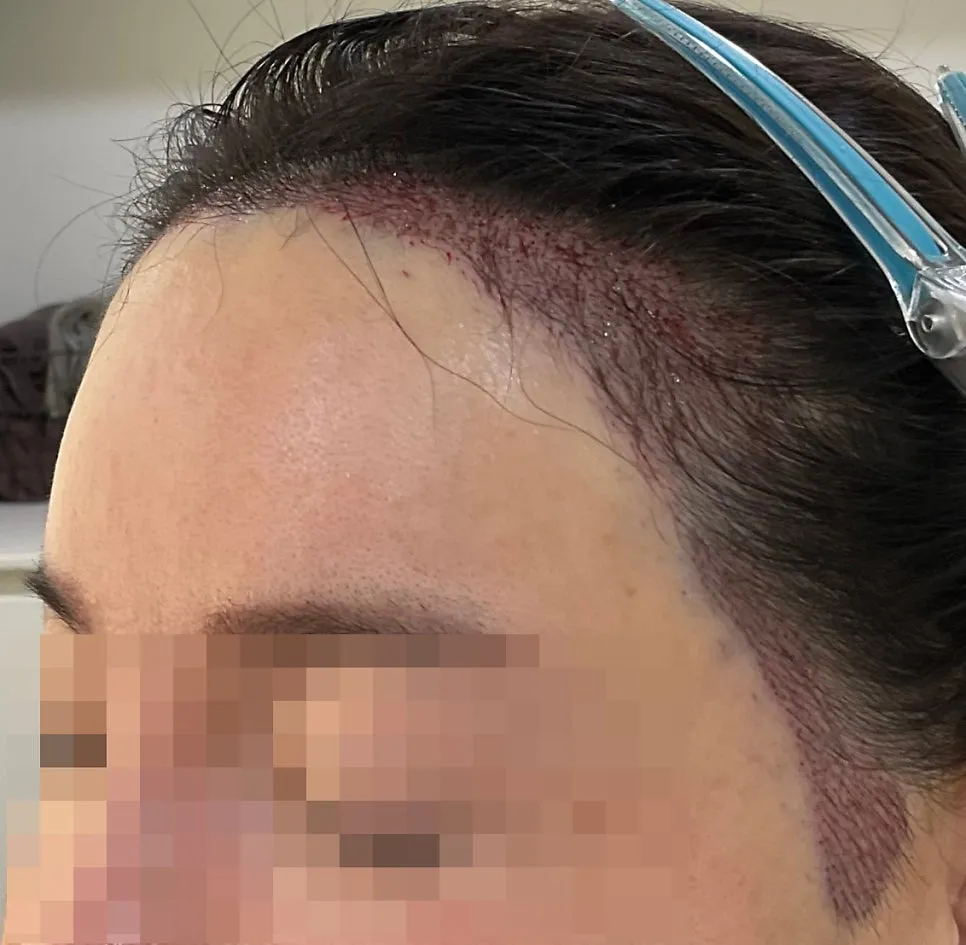
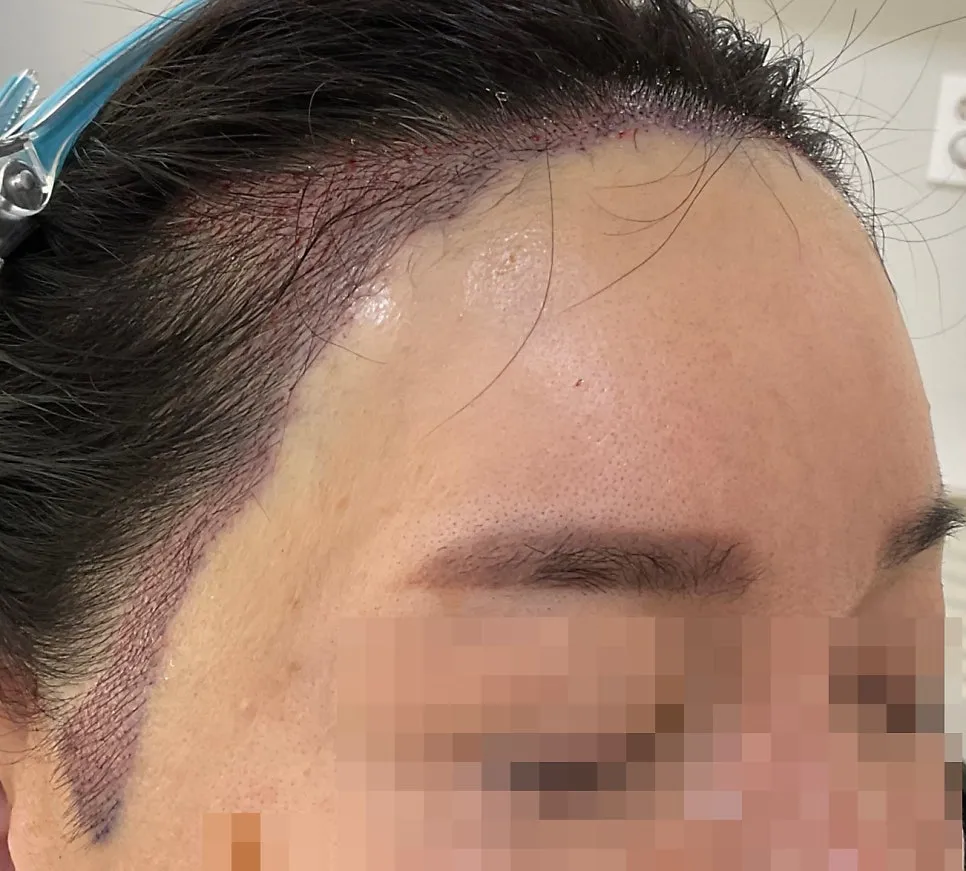
This is how the transplant looked right after surgery.
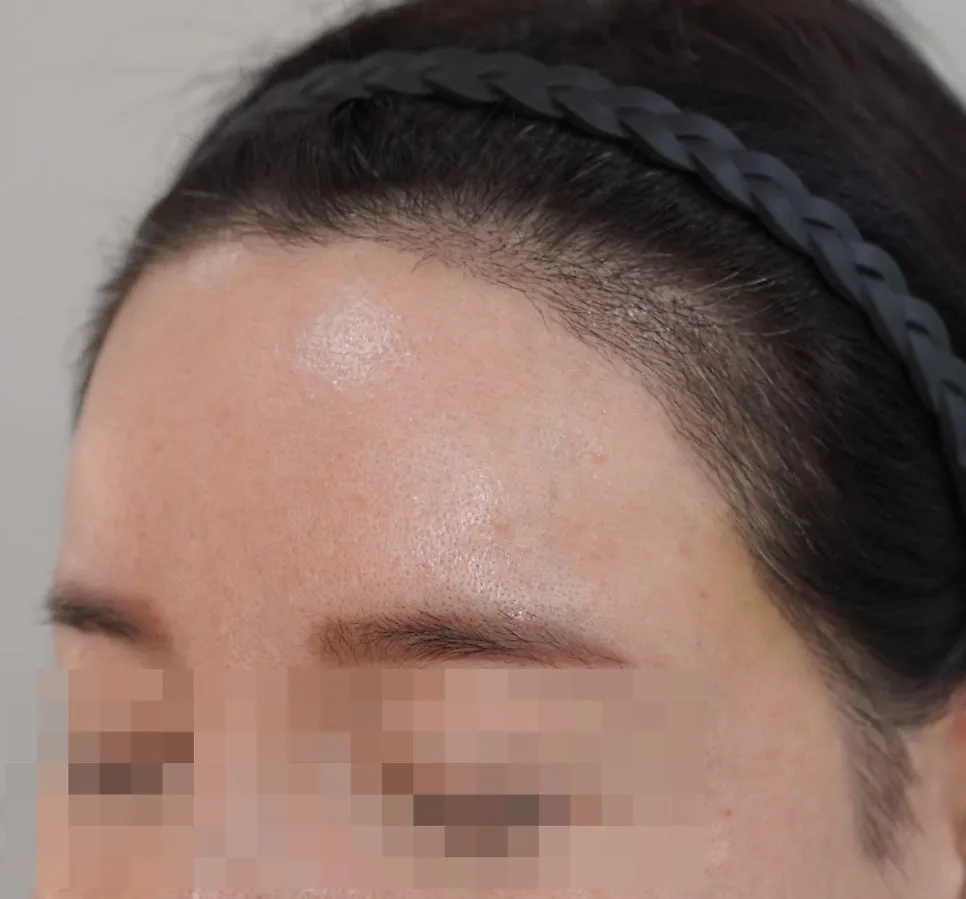
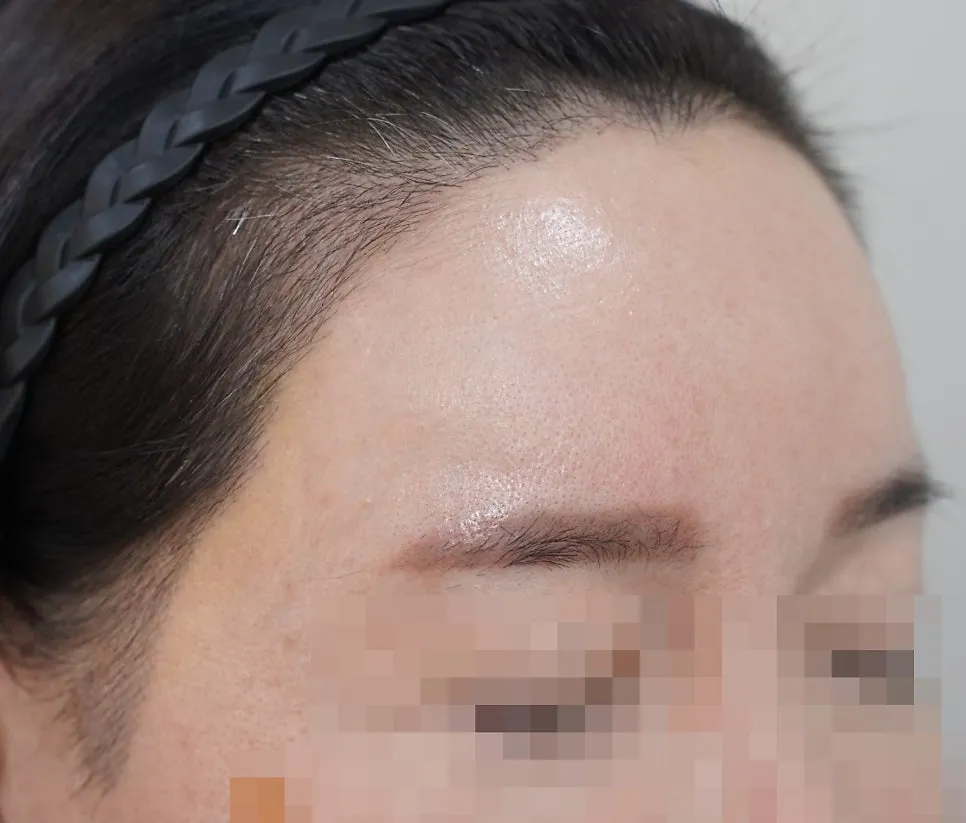
This photo was taken on day 9 after surgery. It has grown quite a lot by then and looks natural.
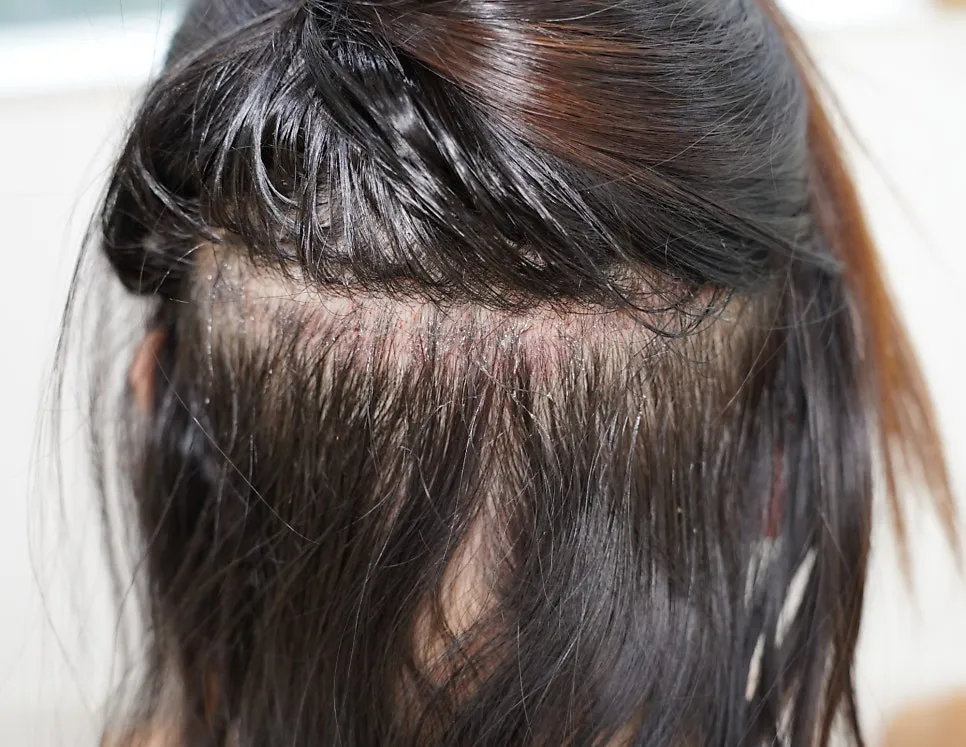
This shows the back of the head on day 9 after surgery, after the stitches were removed. Many patients worry about scarring from the incisional harvest, but by day 9 you can already see significant improvement.
Tailored to Donor Hair Count and Back-of-Head Condition
Both incisional and non-incisional methods are good options, and it is advisable to decide the method based on donor hair count and back-of-head condition. We will recommend the most suitable method for you.