
By Dr. Park Sooho · 2024.03.16
What Patients From Abroad Often Ask
Patients coming from abroad often wonder how long they need to stay in Korea after surgery, how many more times they need to visit, and how they should take care of themselves.
I will explain according to the three surgical methods: incisional hair transplant, non-incisional hair transplant, and forehead reduction.
First of all, in common, you can wash your hair right after surgery, and you can go to restaurants and take public transportation right after surgery.
Incisional (Strip, FUT) Hair Transplant
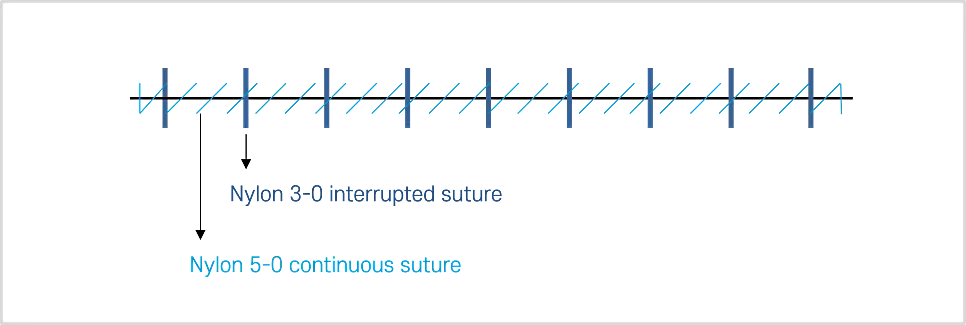
After incisional (strip, FUT) hair transplant, you come back to have the stitches removed 10 days later. For those who find it difficult to come back, we provide a referral letter that explains in text and diagrams the type of thread used and the suturing method, so the stitches can be removed at a nearby clinic.
Patients also often ask what they will look like right after surgery, whether they can go sightseeing, and whether they can visit local restaurants.
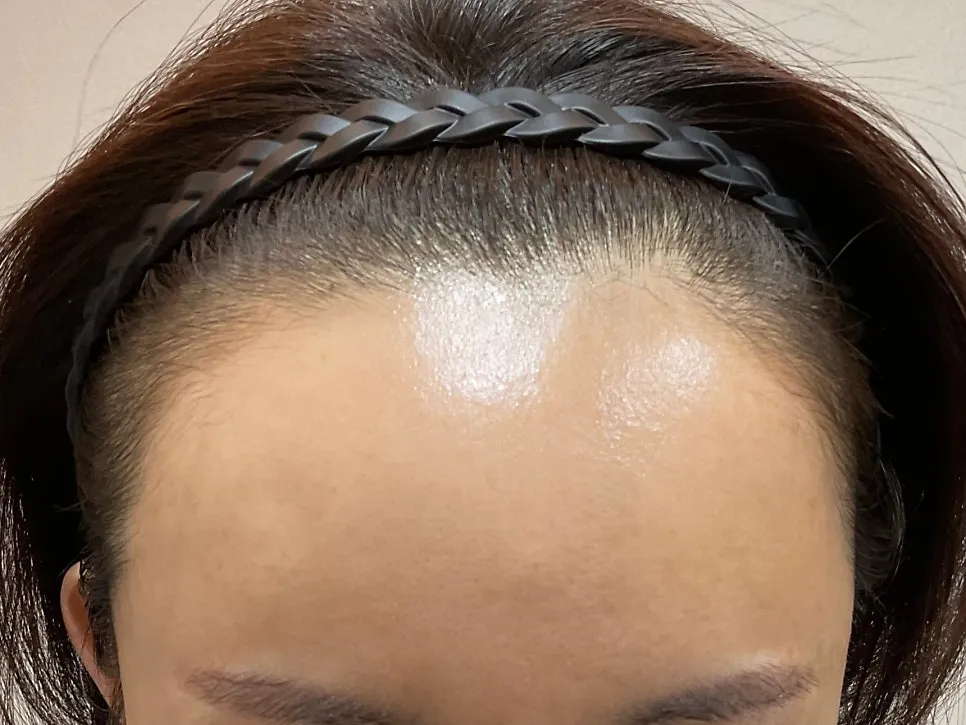
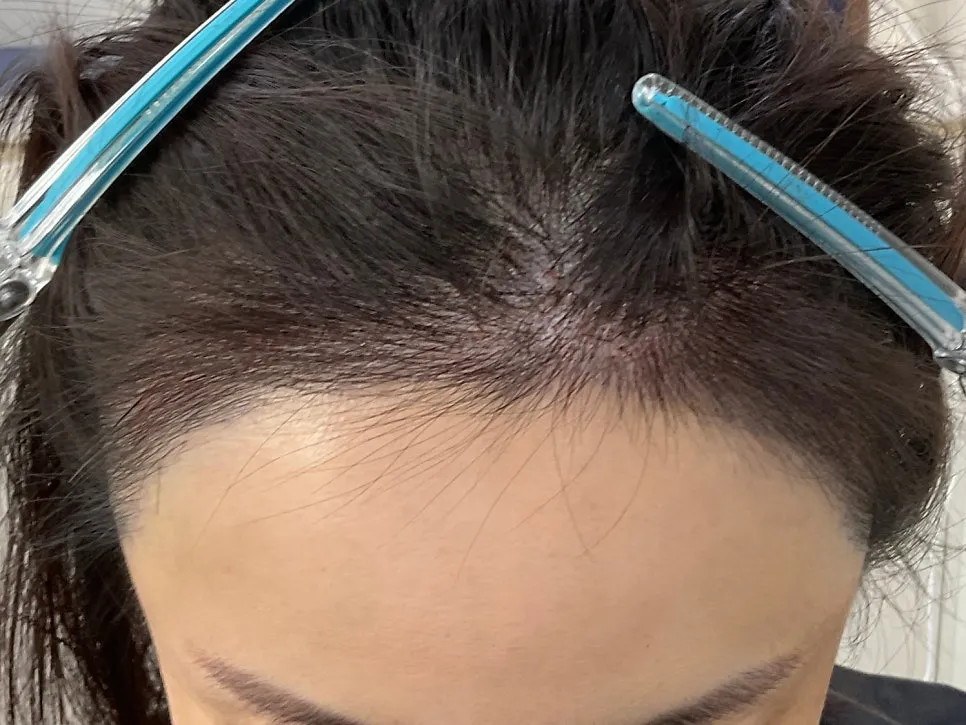
Because the transplanted hair is fairly long with the incisional method, it looks just like your own stray hairs even right after surgery. If you spray it well with saline, there is almost no redness the next day.
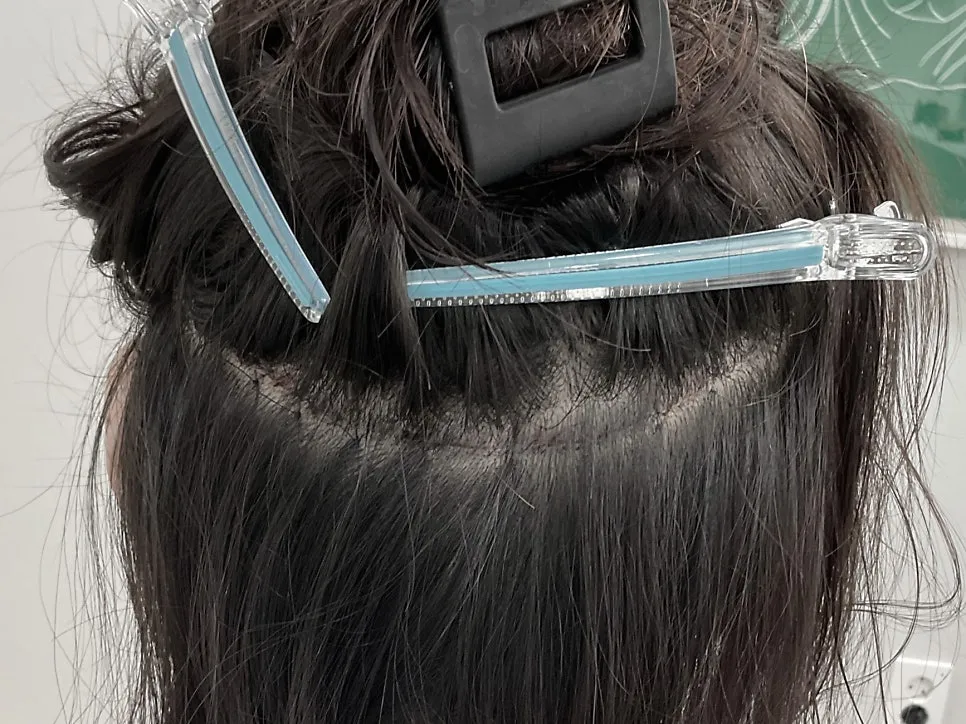
There is also no bandage or plaster on the incision at the back of the head, so it is barely visible when you let your hair down. Just apply the ointment 2-3 times a day, without any special disinfection.
Stitches are removed on day 10 with some margin, and can be removed as early as day 7. If your schedule does not allow it, you can go home as mentioned above and have them removed at a nearby clinic.
Non-Incisional (FUE) Hair Transplant
With non-incisional (FUE) hair transplant, there are no stitches to remove, so in practice you do not need to come back for a follow-up visit. However, bleeding from the harvest area can occasionally occur later, so we recommend checking your condition until the day after surgery before you leave the country (even if bleeding occurs, pressing the area for 5-10 minutes usually stops it on its own).
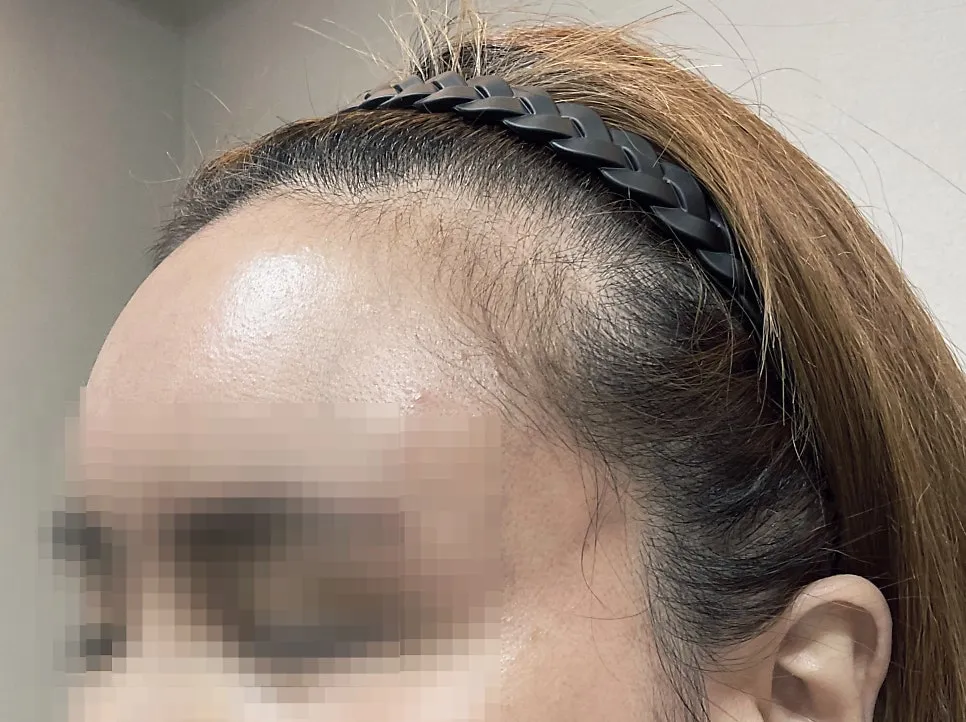
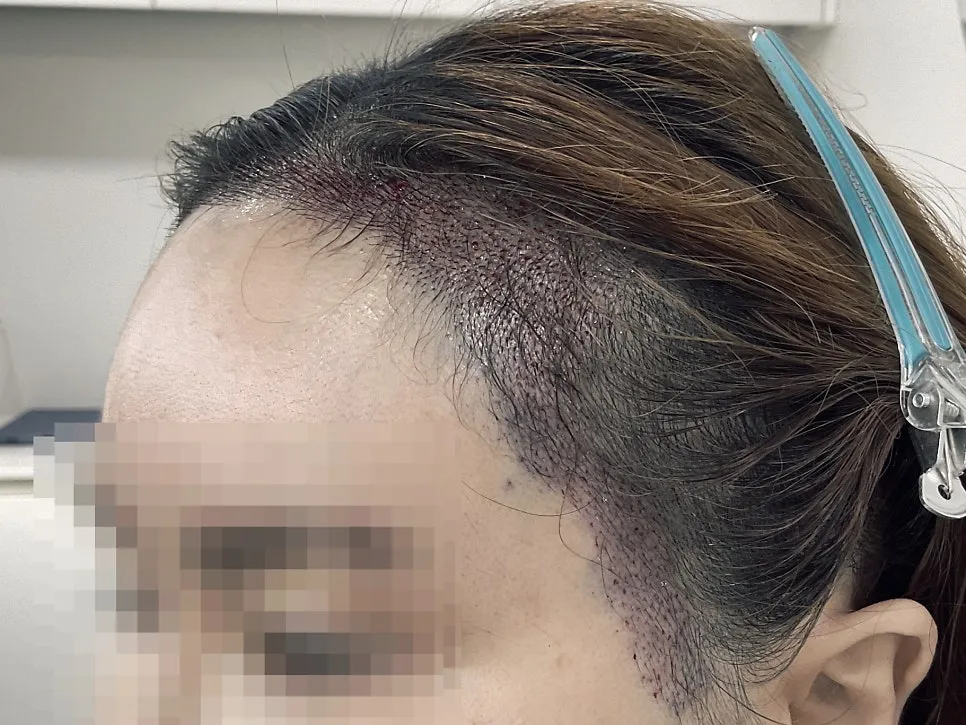
With non-incisional (FUE) hair transplant, the transplanted hairs are short, so they do not look like stray hairs; however, if you spray saline well, the redness is almost gone the next day, and when you let your hair down it looks like shading.
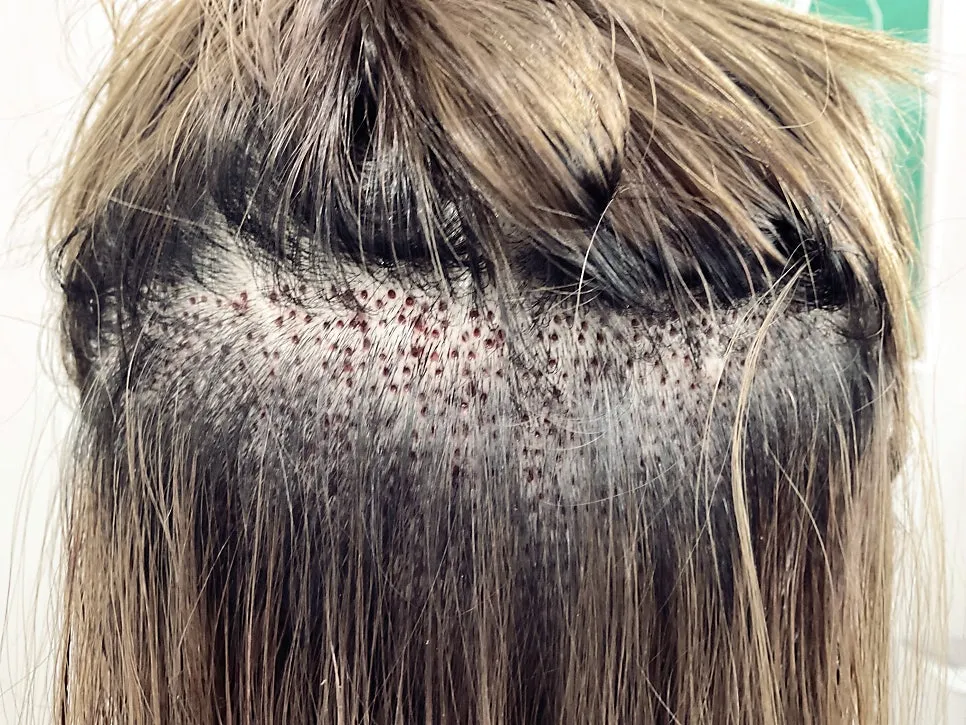
If your hair is not cut very short, the harvest area at the back of the head is also covered by your hair and is barely visible. The non-incisional harvest area does not need any special care such as disinfection or ointment. After 2-3 days, the red dots also fade.
Forehead Reduction Surgery
For forehead reduction, stitches are removed on day 7 (or as early as day 5). As with incisional (strip, FUT) hair transplant, if your schedule does not allow it, we will provide a referral letter for stitch removal so that you can have them removed at a nearby clinic.
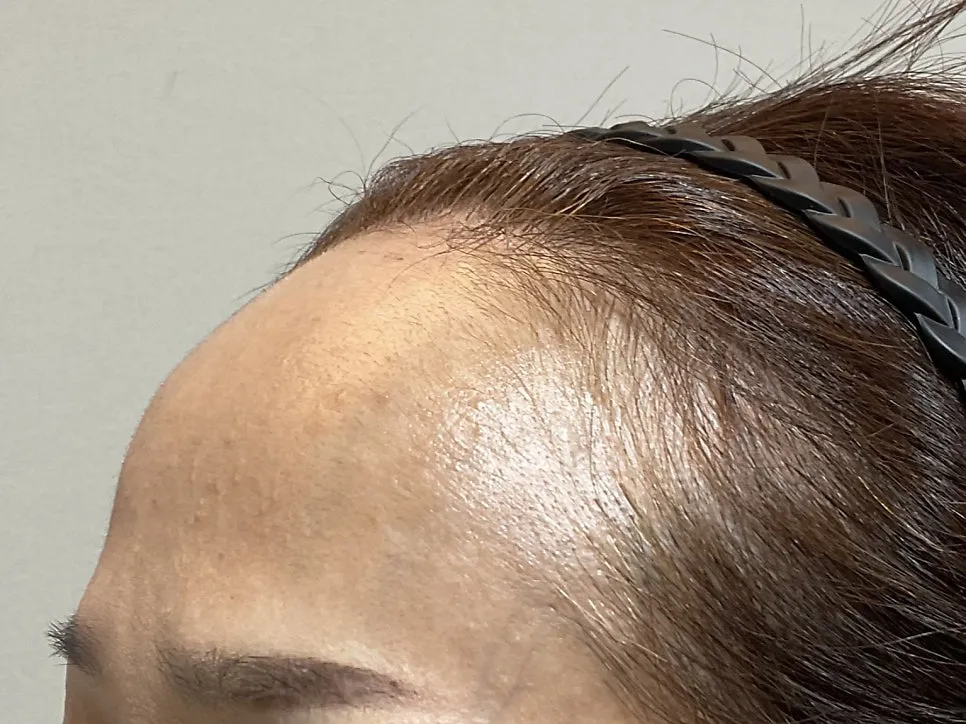
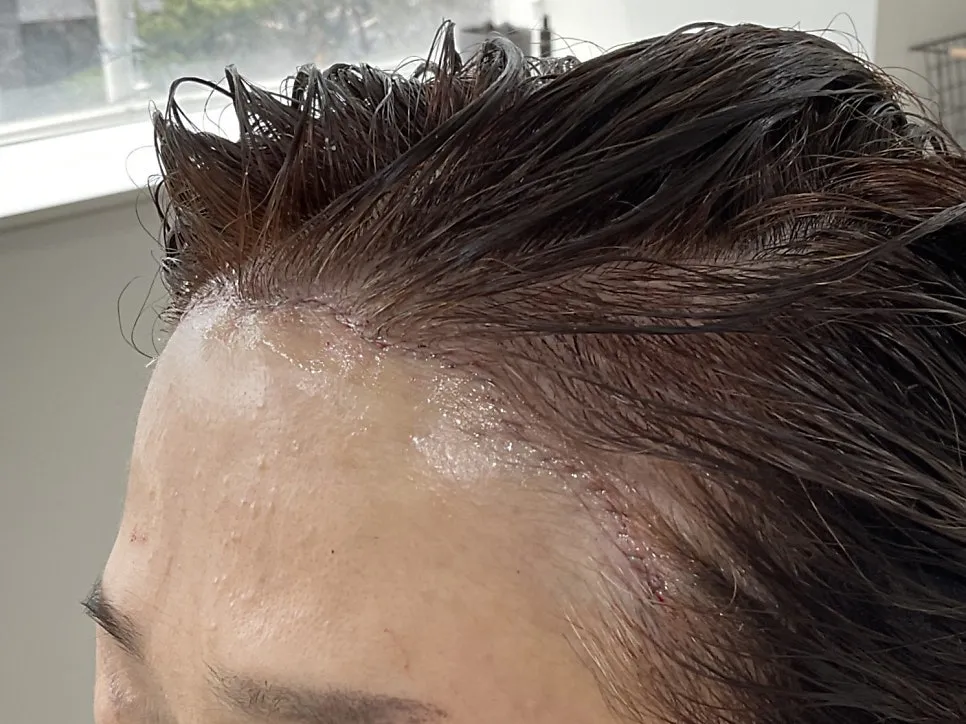
The incision does not need disinfection; just apply ointment 2-3 times a day. There is no plaster or bandage, so it is barely visible when you let your hair down.
Surgical Results Are Decided in the Operating Room
After surgery we provide follow-up care such as low-level laser therapy (LLLT), but I do not think this kind of post-surgery care changes the surgical result (patients tend to feel disappointed if nothing is done after surgery, so we try to do something). That is why I confidently tell patients with busy schedules that they do not need to come in for treatment.
The professor I respect most always used to say: “Surgical results are decided the moment you walk out of the operating room.” I heard the professor's words 18 years ago, and no matter how many times I think about them, they are the truth. Following the professor's advice, I do my best in the operating room so that patients have no regrets about the results.
Today's Summary
For incisional (strip, FUT) hair transplant, you visit on day 10 to have the stitches removed; for forehead reduction, you visit on day 7; for non-incisional (FUE) hair transplant, you do not need to come back. For stitch removal, we provide a referral letter so that you can have it done at a nearby clinic.
We do not use bandages, plasters, or the like for any surgery. Right after surgery, you can resume everyday activities such as shampooing, using public transportation, flying, and eating all meals (except alcohol).


