
By Dr. Park Sooho · 2024.03.10
Revision Surgery Eight Years After an M-Shaped Hair Transplant
Today I would like to talk about male hairline revision surgery. A patient came in for revision surgery because hair loss had progressed further after an M-shaped hair transplant performed eight years earlier at another clinic.
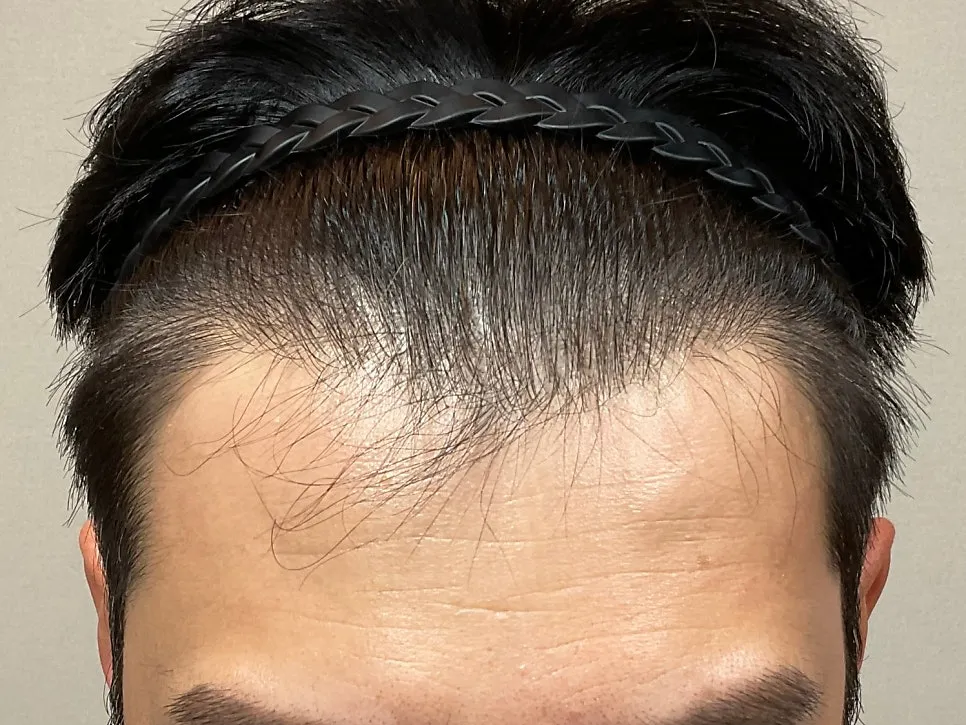
The first surgery went well, but the reason the density looked thin seems to be that the original hairs around the transplanted hair had thinned or disappeared due to hair loss.
The patient said they had started taking hair loss medication a little while ago because they felt this too, and I told them it was a very good decision, since it was made before it was too late.
I always emphasize that surgery is a supplementary step to fill in empty areas, and that the most important thing is to prevent hair loss by taking hair loss medication.
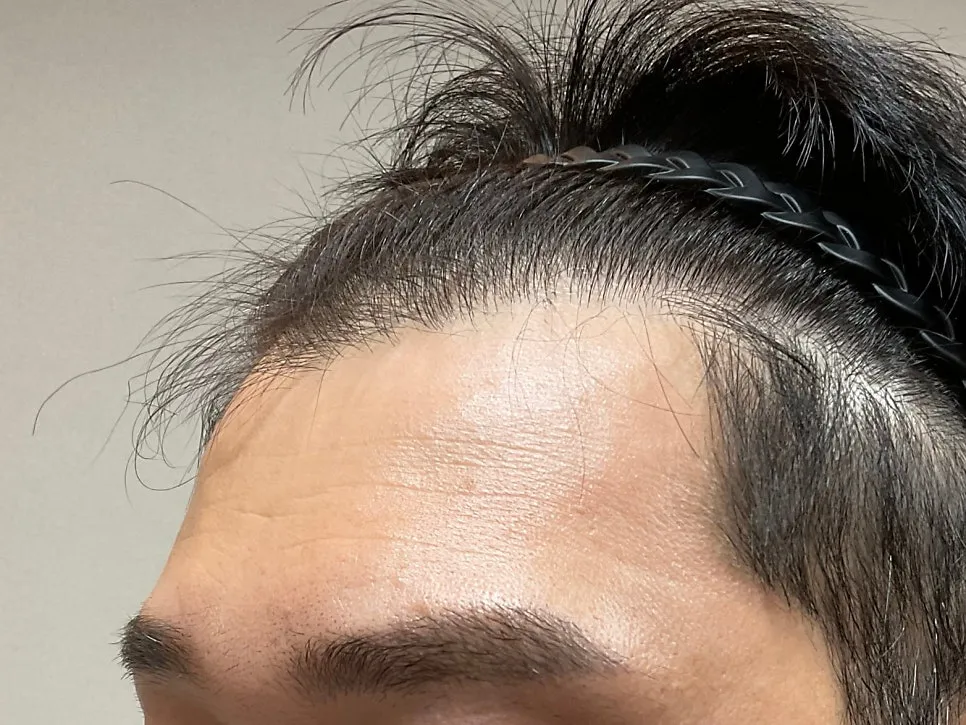
M-Line and Frontal Density
The patient said they wanted to fill in the M-line a bit more to soften the M-shape. They use pomade often and mentioned that they felt the M-shape was a bit disappointing.
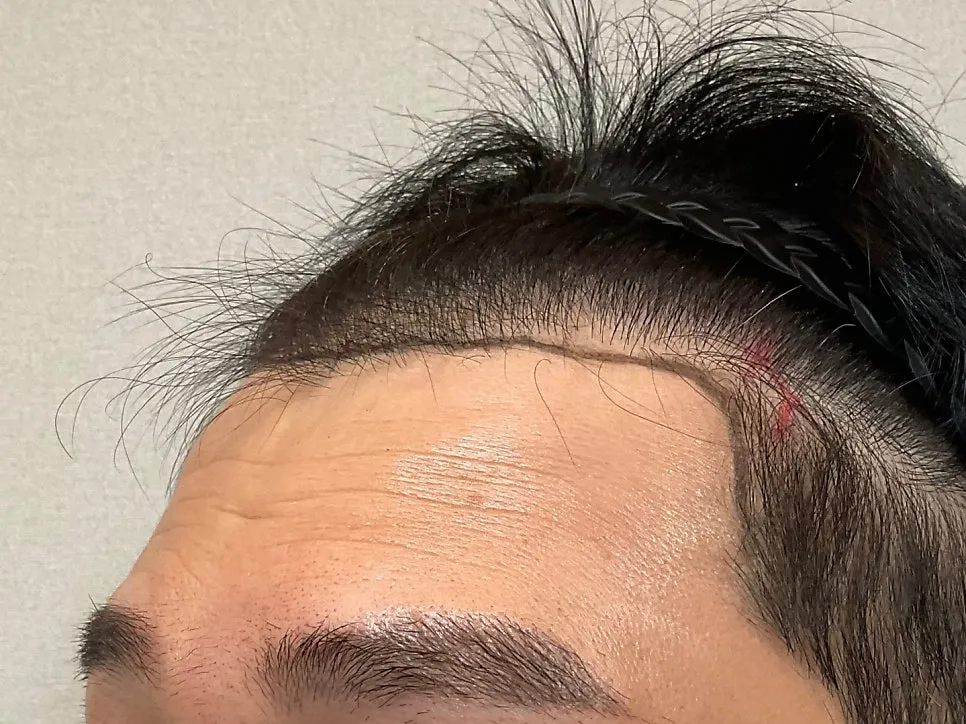
So we designed the angle to be softer and more gradual.
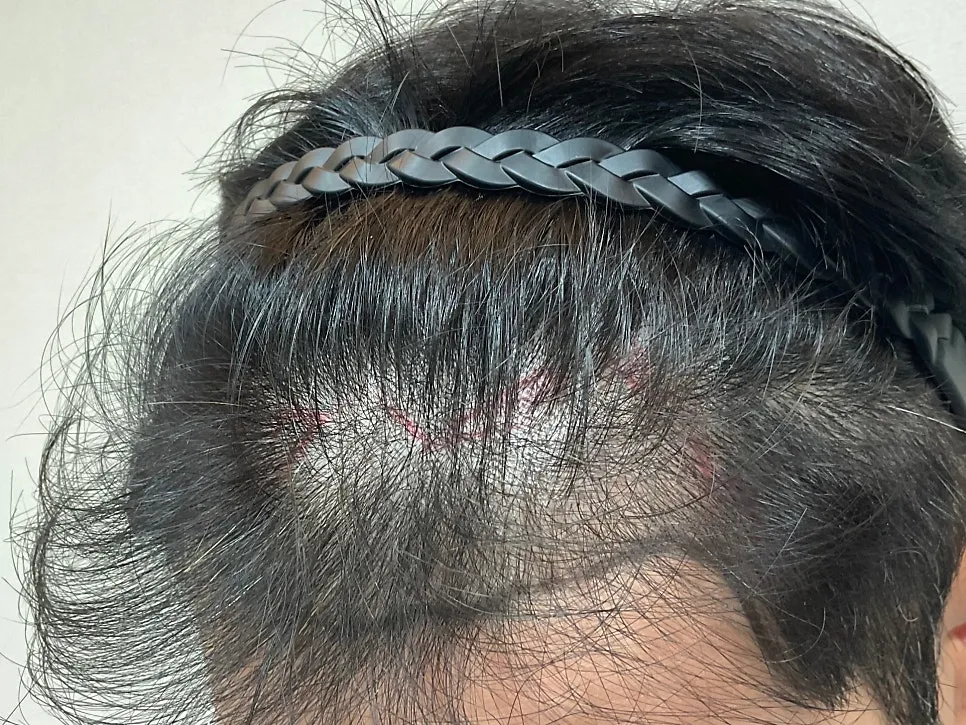
The hairline was important, but filling in the area where density had decreased due to hair loss was even more important. They said the scalp showed through, making the desired styling difficult. We estimated that about 2,500 hairs would be enough for the hairline and frontal density together.
The first surgery was done with an incisional method. The scar is not very wide, but when they wear short hair it is slightly visible (I did not take a photo of the scar). So we decided to reduce the scar by making an incision that includes it. If the scar is still visible this time, the scar can be covered by also transplanting hair during the touch-up.
Right After Revision Surgery and 10 Days Later
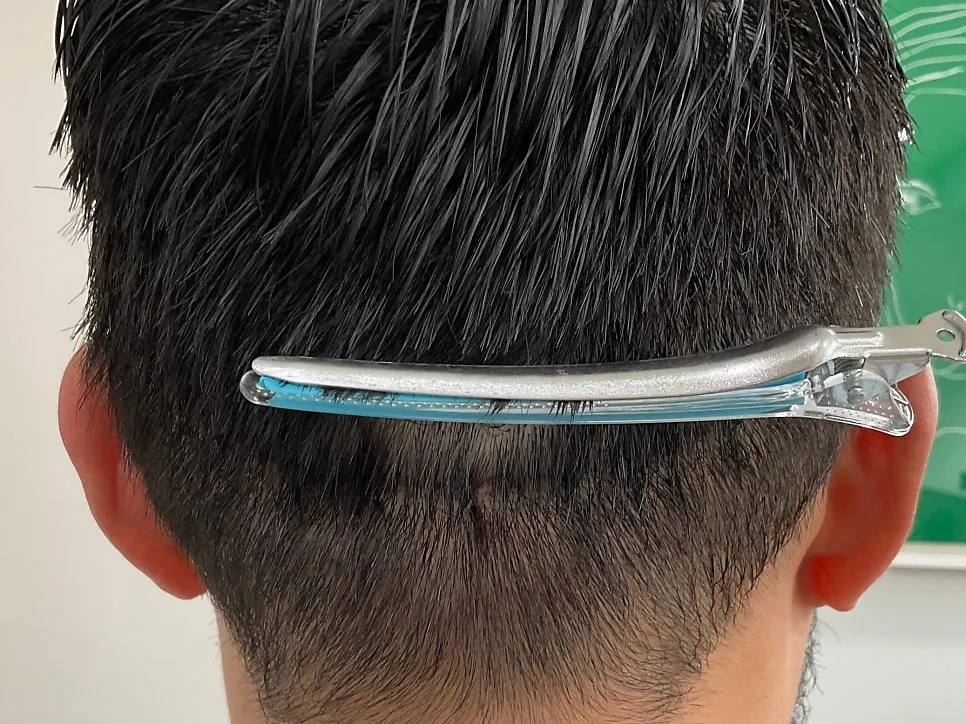
This is the back of the head right after revision surgery. The patient came in with very short hair, so we shaved only minimally so the suture site would not be visible, and closed it. We washed their hair on the day of surgery, and no bandage was applied, so it is almost unnoticeable from the outside.
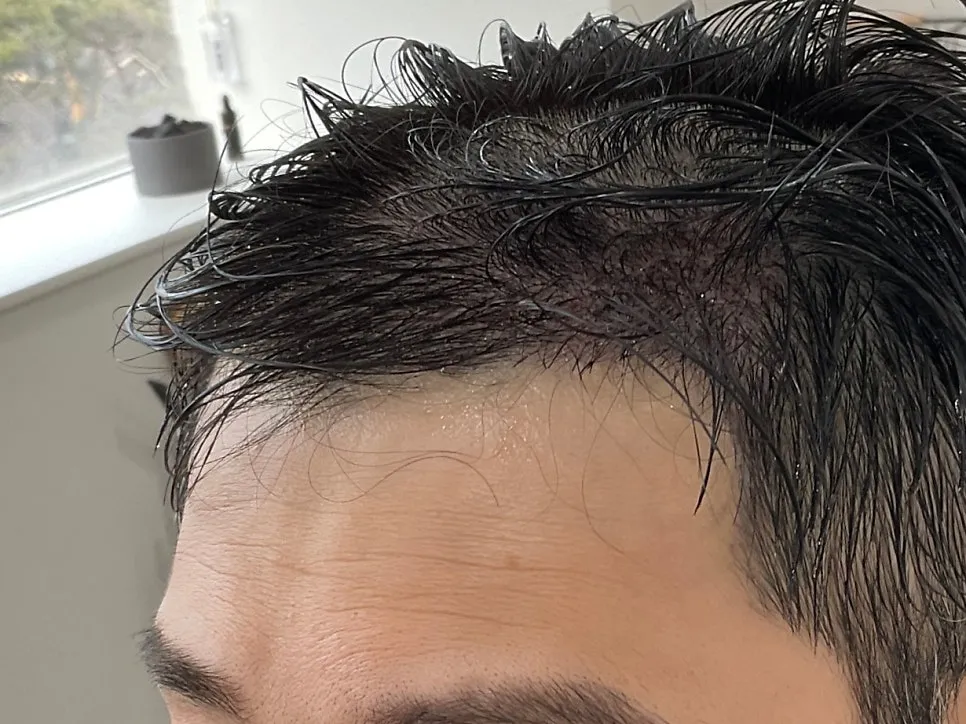
The photo above shows the transplanted area. The patient stayed completely still during the surgery, so the procedure was done very comfortably. Thanks to that, the surgery also feels more neatly done.
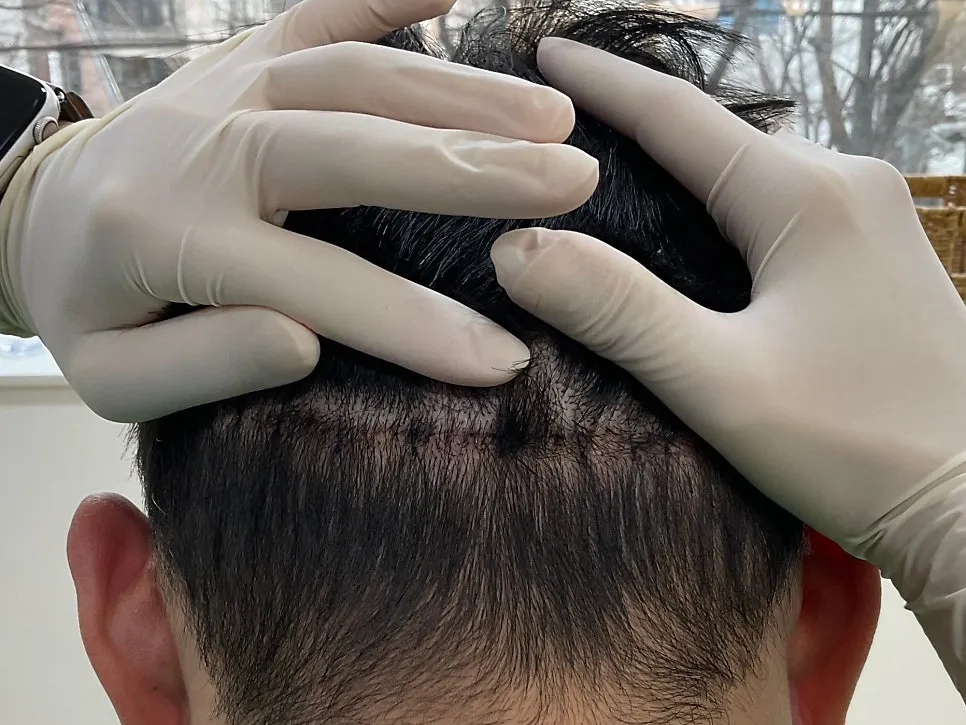
This is a photo from 10 days after surgery, when the patient came in to have the stitches removed. If the hair is not lifted, the suture site is almost not visible. The wound healed cleanly, so we removed all the stitches.
I was also grateful when the patient said the transplant turned out just the way they wanted.
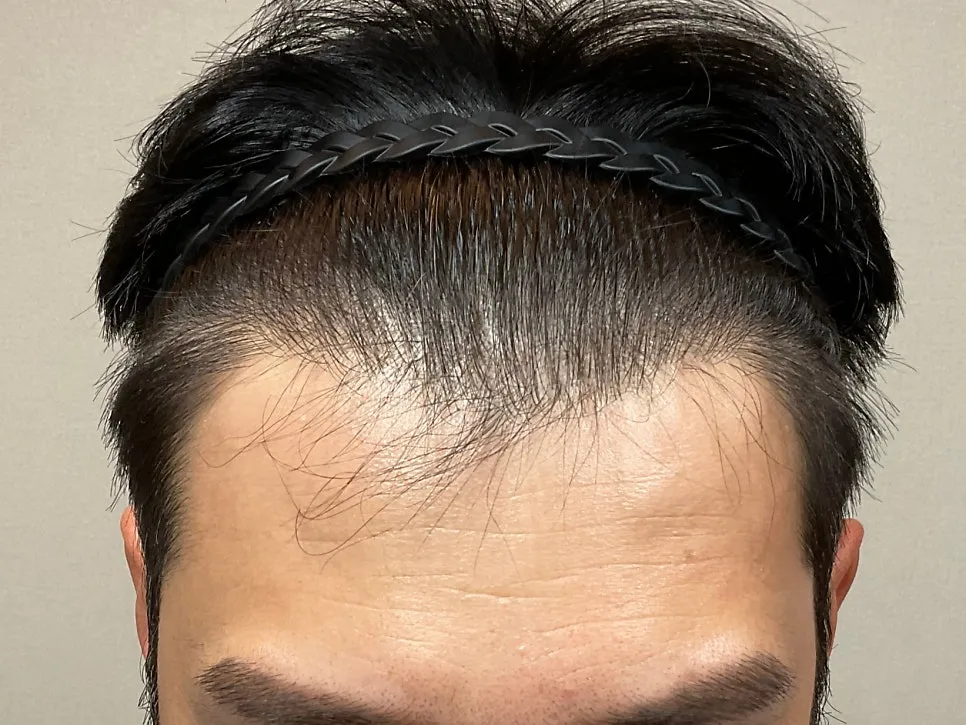
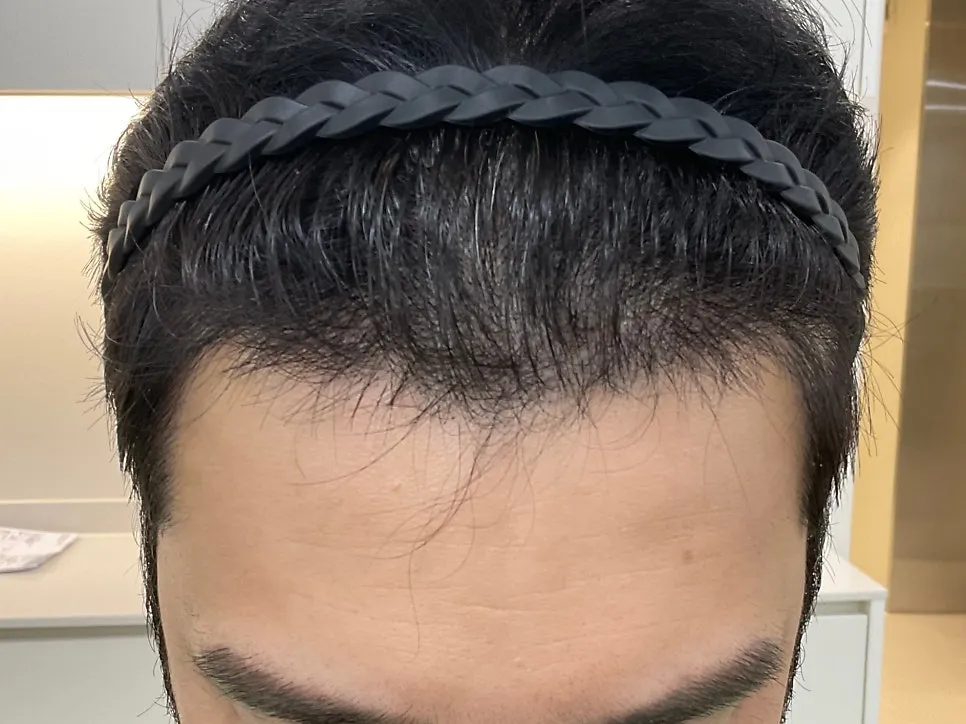
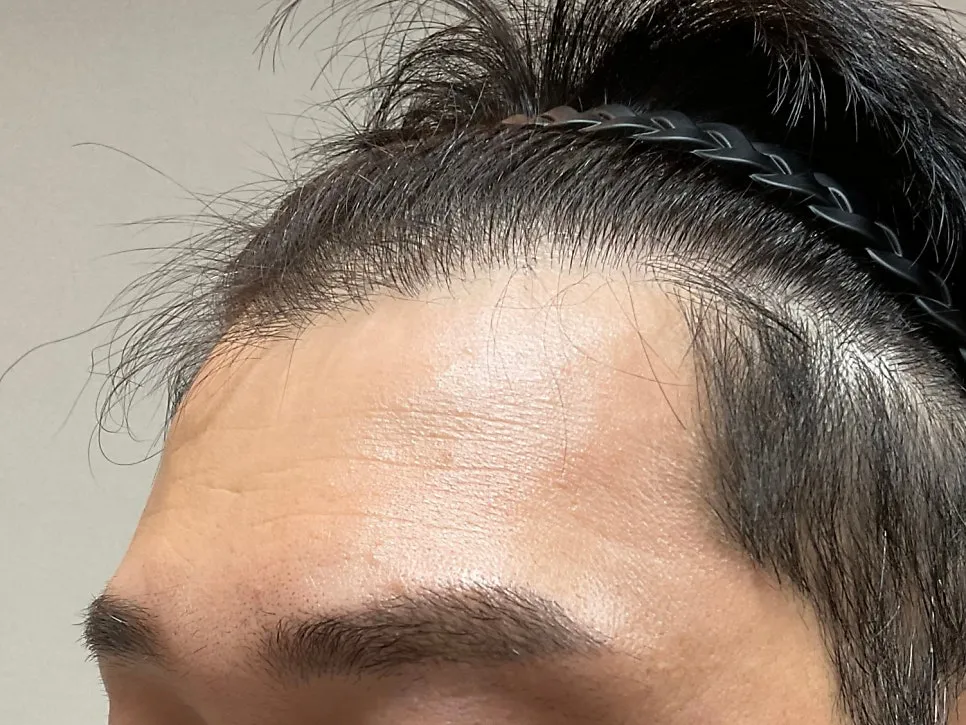
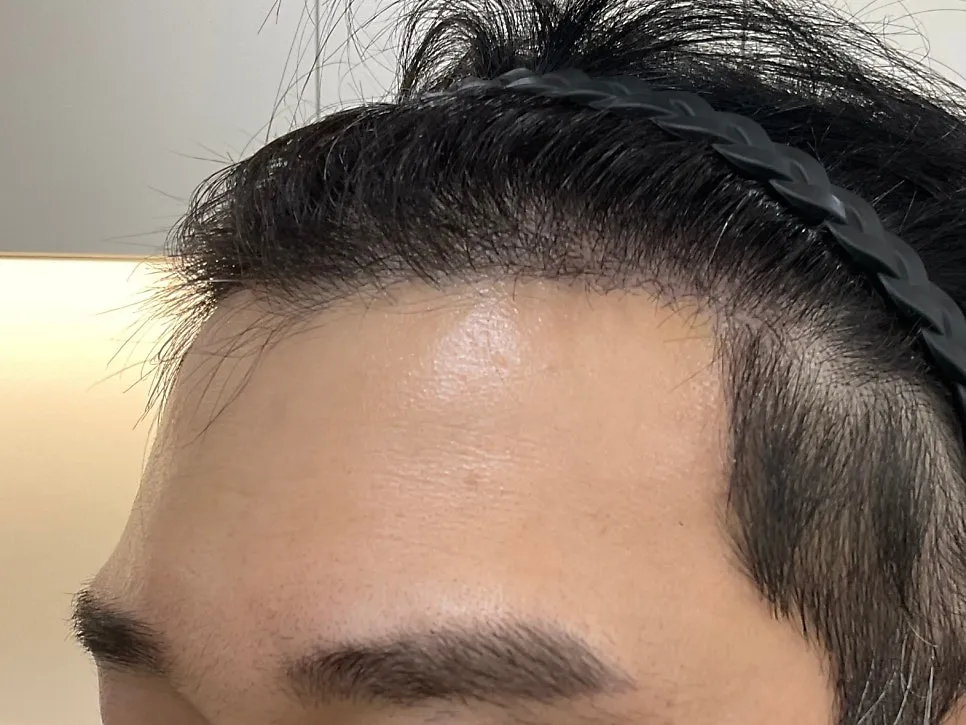
It will grow well in exactly the way you like it.
Keep Taking Hair Loss Medication Even After Hair Transplant Surgery
The most important point in today's post is: keep taking your hair loss medication well even after hair transplant surgery. If you don't, it means revision surgery.
※ Side effects such as pain, swelling, inflammation, and infection may occur after surgery.


