
By Dr. Park Sooho · 2024.03.03
How Diabetes Affects Surgical Results
In consultations, patients who take diabetes medication or use insulin injections often wonder whether diabetes affects surgical results.
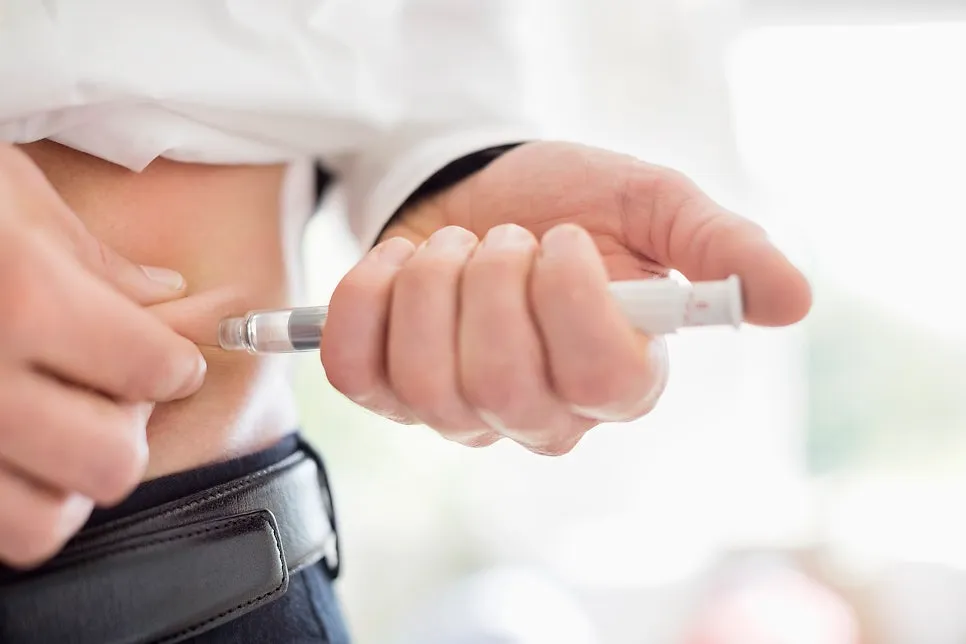
To answer directly, diabetes itself does not affect results, but if blood sugar is not well controlled, it has a major effect.
For transplanted follicles to engraft, abundant capillaries are essential. Persistently high blood sugar damages the capillaries and reduces blood flow to the tissue, which lowers the engraftment rate of the transplanted follicles.
When capillary damage is severe, the problem is not just the engraftment rate. The surgical wound itself may not heal, or it may become infected, and in severe cases the skin may become necrotic.
Blood Sugar Test and HbA1c
So to avoid surgical complications caused by diabetes, it is necessary to check whether blood sugar is well controlled.
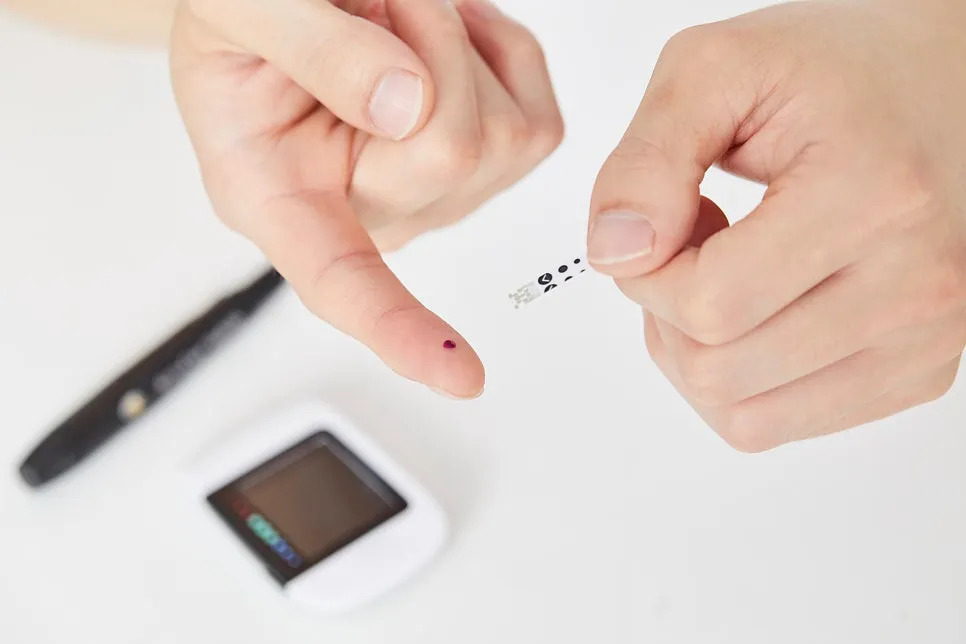
The easiest test to do is a blood sugar test. For diabetic patients, the blood sugar target is a fasting blood sugar of 130 mg/dl or below and a 2-hour postprandial blood sugar of 180 mg/dl or below. However, a blood sugar test shows only the current level, and it is hard to tell whether blood sugar has been managed consistently well.

That is why we test HbA1c. HbA1c shows the proportion of red blood cell hemoglobin that has been glycated by glucose, and it reflects the average blood sugar over the past 2 to 3 months.
The HbA1c target for diabetic patients is around 7%, and at the very least, 8% or below is needed for us to perform surgery with peace of mind.
Scheduling Surgery Based on HbA1c Results
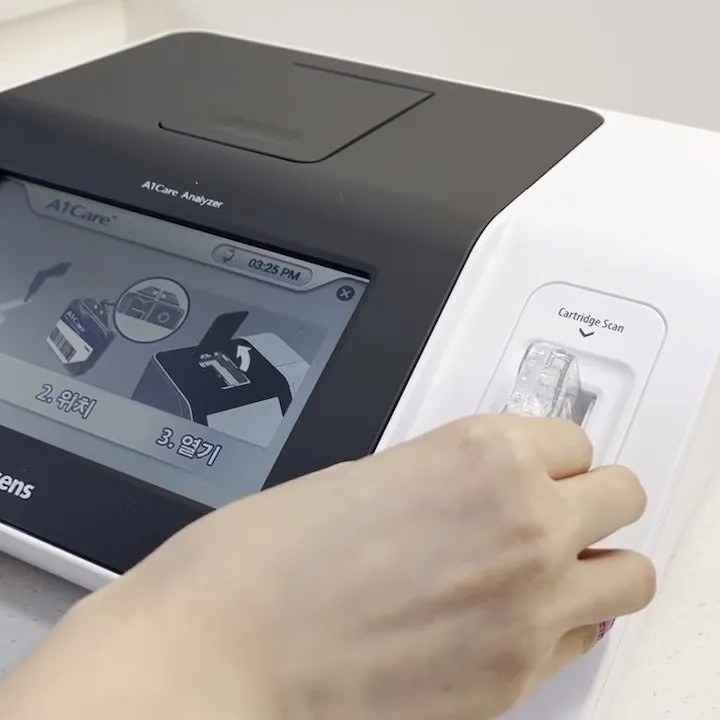
The HbA1c test does not depend on fasting status, so we can test right away when you come in for a consultation and adjust the surgery schedule based on the result.
If HbA1c is above 8%, we schedule surgery with a margin of one to two months and help you manage your blood sugar more diligently in the meantime, so that you can have surgery safely.
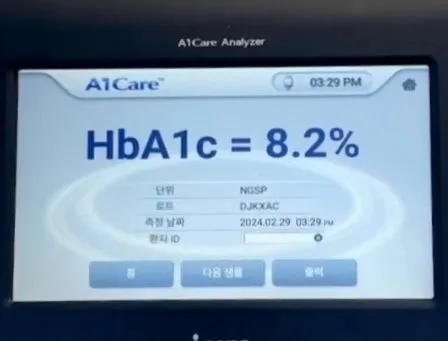
A patient who came in a few days ago also had an HbA1c of 8.2%, and decided to come for surgery after managing blood sugar diligently for one month. They confidently said that after one month it could come down to the 7% range.
I hope you also take this opportunity to manage your blood sugar well, so that you can have surgery healthily and safely.


