By Dr. Kim Narae · 2026.10.29
Will It Be Very Noticeable After Surgery?
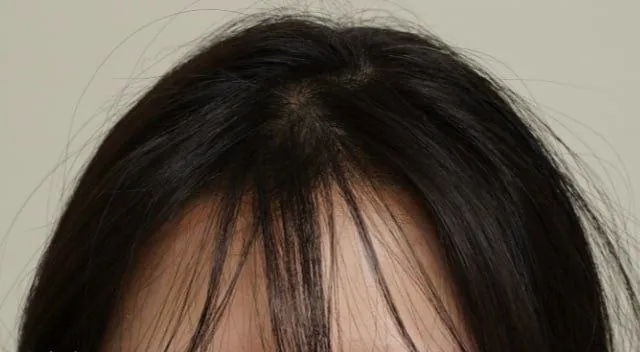
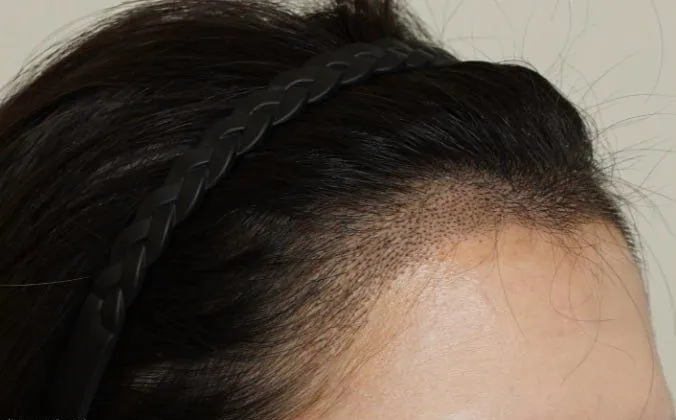
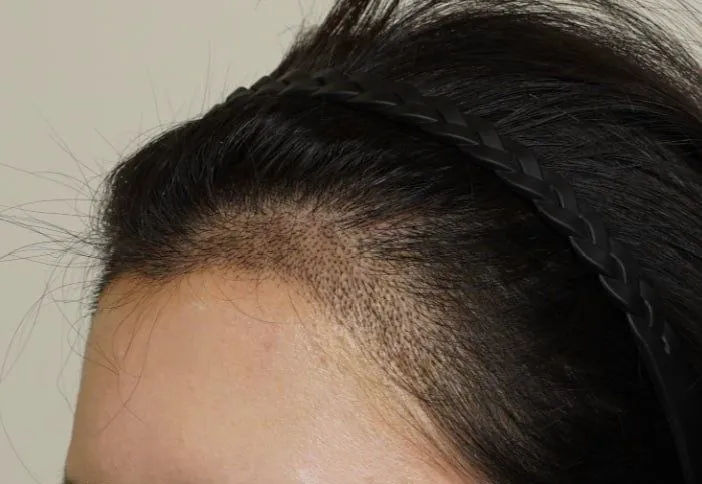
Will It Be Very Noticeable After Surgery?
This is one of the questions most frequently asked by people considering hair transplant surgery.
To answer right away, the answer differs for each patient, depending on factors such as the transplant area, the number of grafts, the length of the transplanted hair, the existing hairstyle, and the volume and length of hair that can cover it. With hairline transplants, the transplant area is often covered by the existing hairstyle. On the other hand, with crown hair loss that has progressed considerably, the transplant area cannot be fully covered even by the hair on the sides or behind the transplant area, so there are cases where you may have no choice but to let people around you know you had surgery.
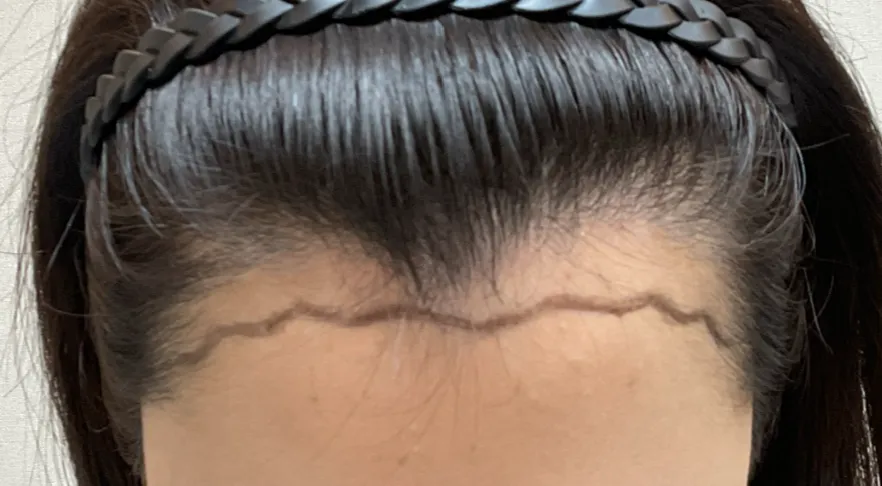
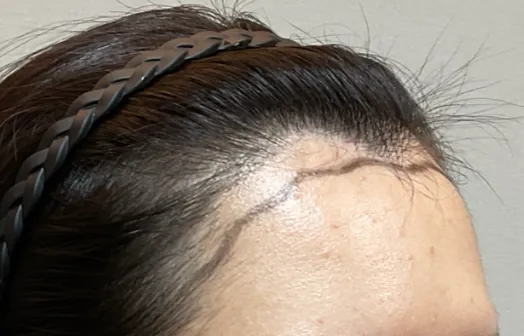
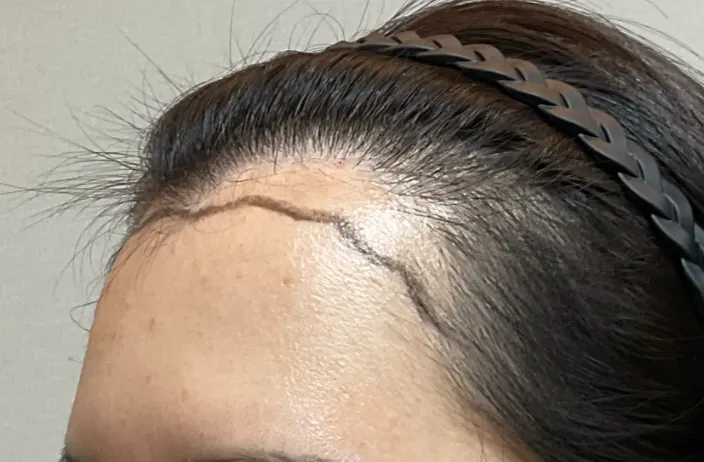
Let's look at the factors to consider for making the surgery less noticeable afterward, one by one.
The Donor Area at the Back of the Head
First, at the back of the head, if the hair length is maintained to some degree, the harvested area is not very noticeable. With the incision method, a strip of scalp equal to the amount to be transplanted is removed and then sutured closed, so it is hard to see when the hair above is brought down.
However, with the non-incision method, the difference can be large depending on whether shaving is also done, how much is shaved, and the length of the hair. If the hair above the neck or behind the ears is cut short, almost to a half-shaved level, then even the non-incision method without shaving can make the redness and scabs at the harvest site visible between the hairs. On the other hand, for women, since hair is generally longer than a short cut, the harvested area often does not look like surgery.
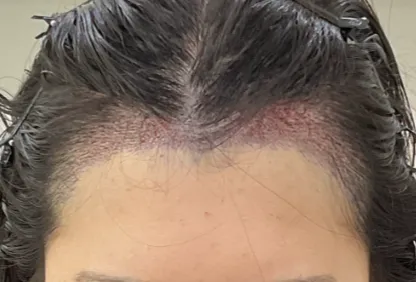
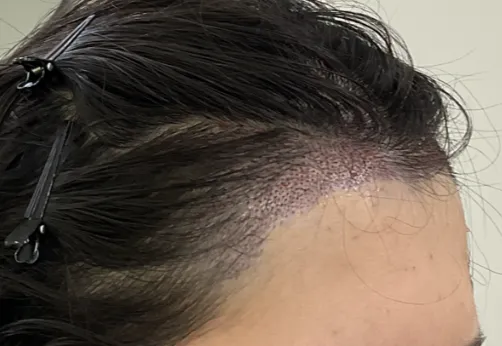
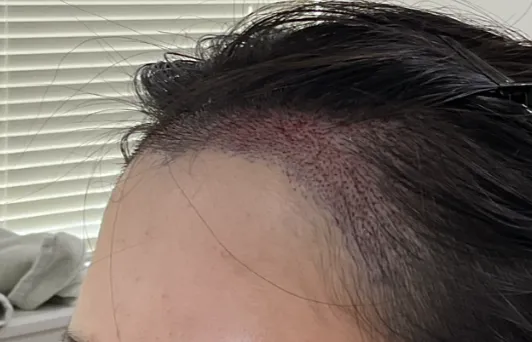
The Transplant Area
Next is the transplant area. For hairline surgery, many people already let their upper hair down to cover the area, so if the length and amount are sufficient, the transplant area is well covered. However, if the hair around the transplant area is very short and hair loss has progressed so that density is also insufficient, the surgery can be quite noticeable with the typical non-incision method.
If the hair is harvested with the incision method and transplanted while kept somewhat longer, or if the hair is harvested slightly longer with the long-hair non-incision method, the sense that a hair transplant was done can be reduced depending on the case. However, this also requires effort, such as making sure the hair blends well with the surrounding hair and carefully managing the redness that forms around each transplanted follicle so that it does not turn into thick scabs.
The degree to which the traces of surgery are concealed afterward varies widely, so if you are preparing for surgery, avoid cutting your hair too short. During transplant consultation, it is important to discuss how well the transplant area will be covered and how it can be concealed more naturally.
Post-Surgery Care
Post-surgery care is also extremely important. After surgery, the transplant area becomes red. This redness is a natural inflammatory response in the wound-healing process, but it is also necessary to shorten this period as much as possible. Keep the transplant area moisturized, and while the transplanted hairs settle in stably, smoking should be limited, since it constricts peripheral blood vessels and interferes with blood flow. Avoid washing your hair with hot water, and on days with a high UV index, using an umbrella or wearing a loose hat to physically block UV rays from the surgical area also helps.
Surgical Strategy and Plan Tailored to Your Situation
Surgical traces cannot be completely avoided. This is because every person's conditions are very different, and the larger the change before and after, the more satisfying the surgery tends to be. However, when a surgical strategy and plan tailored to your situation are added, the results can blend in much more naturally than you might expect.
※ Side effects such as pain, swelling, inflammation, and bleeding may occur after hair transplantation.
※ All photos on this blog were taken and are used with the patient's consent.