By Dr. Kim Narae · 2025.11.18
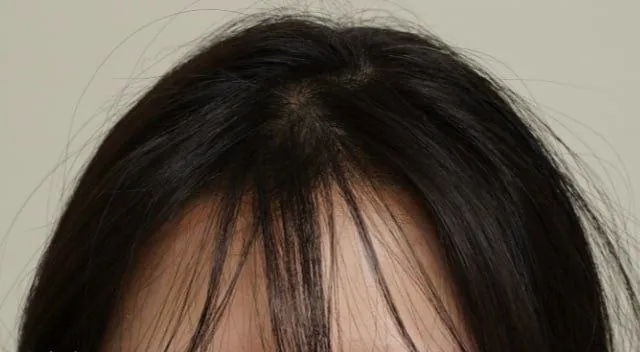
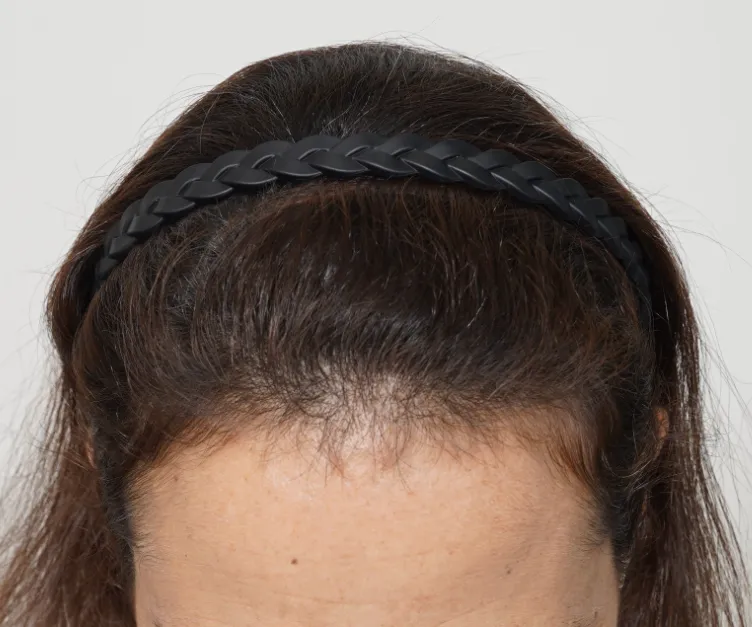
Weakened front hairline
This is content many women in their 40s will relate to, and it can offer hope. Hair that becomes thin and loses strength with age, especially the front hair, has a big influence on women's confidence. But if you do not give up, you can still change a great deal.
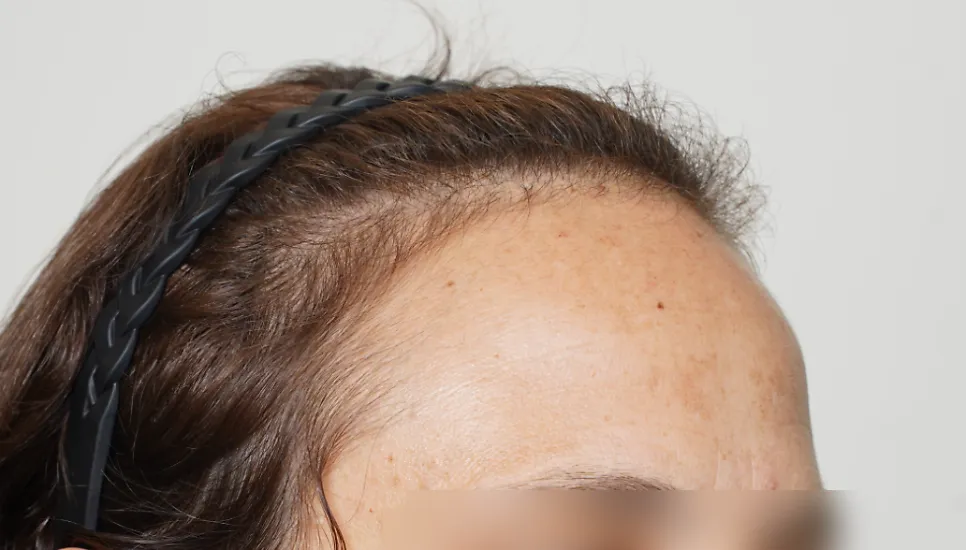
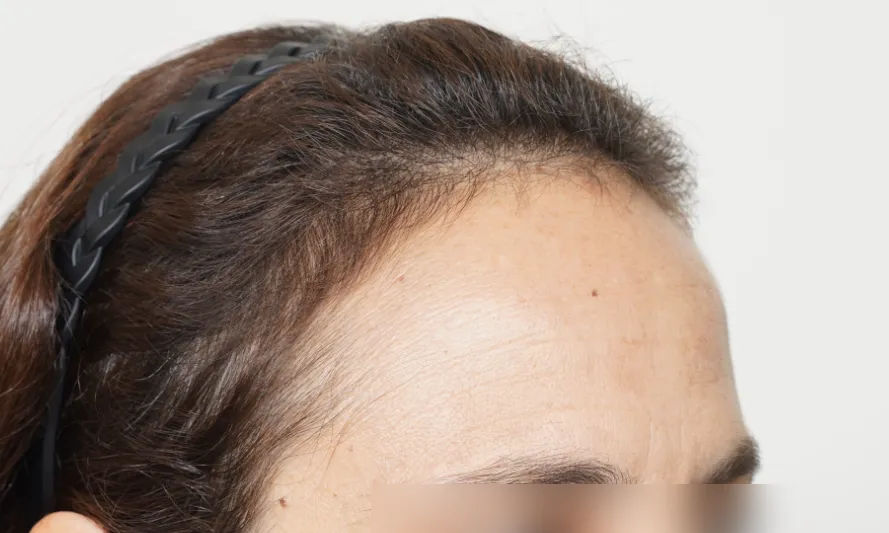
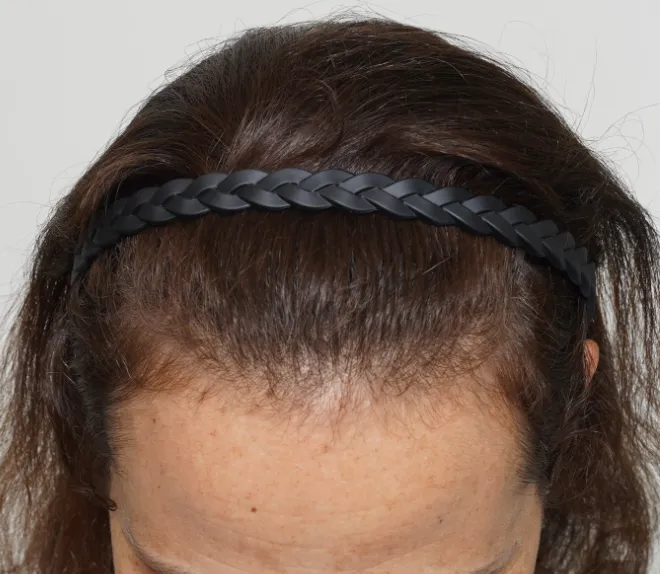
When the front hairline as a whole becomes weak, with less volume and less strength, confidence can drop by the same degree. In particular, if the weak hairs along the hairline on both sides of the forehead become short or are lost, the forehead can look wider and the angular hairline can become more noticeable.
Consultation based on health checkup results
If you visit for female hair loss treatment, in addition to medication and injection therapy, we conduct a detailed consultation based on your recent health checkup results. Rather than only treating hair loss symptoms, identifying the root causes that triggered or worsened hair loss and creating an environment where hair can stay healthy helps maximize the treatment effect and keep it lasting.
"Do you have iron-deficiency anemia?" "Do you take vitamin D injections regularly?" "Is your menstrual cycle fairly regular?" "Do you have any thyroid disease?"
Other health indicators were generally good, but we found a few important points: considerable stress from young children, irregular sleep patterns, the absence of probiotic intake, which is key to gut health, and, decisively, vitamin D levels that were fairly low.
Vitamin D injections and lifestyle management
For vitamin D, to normalize levels as quickly as possible, we recommended intramuscular injections, followed by regular injection therapy at 3 to 6 month intervals. Vitamin D is not only very important for hair growth but also essential for immunity.
For gut health, we emphasized taking prebiotics (food for probiotics) together with probiotics (beneficial bacteria) to improve the intestinal environment and increase nutrient absorption. We also explained that strong antioxidants such as coenzyme Q10, vitamin C, and vitamin E reduce oxidative stress caused by stress in the body and support cell health, and that good-quality sleep, essential for the body's recovery, is important.
Once every two weeks, steady treatment
And most importantly, it is to keep up the treatment steadily. For the hairline at present, rather than the round line that only a hairline transplant can achieve, we understood the wish to naturally restore the weakened hairline hair that was already there, reflected that in the treatment, and decided to visit regularly once every two weeks.
When visiting for the 6th treatment, the hairs that had been short began to grow longer again, and the hairline gained strength and volume. However, I emphasized once again that hair loss is not something that ends with a single treatment, but something to keep an eye on and manage for a lifetime.