By Dr. Park Sooho · 2026.06.21
Temple Space That Becomes Noticeable When the M-Shape Is Filled
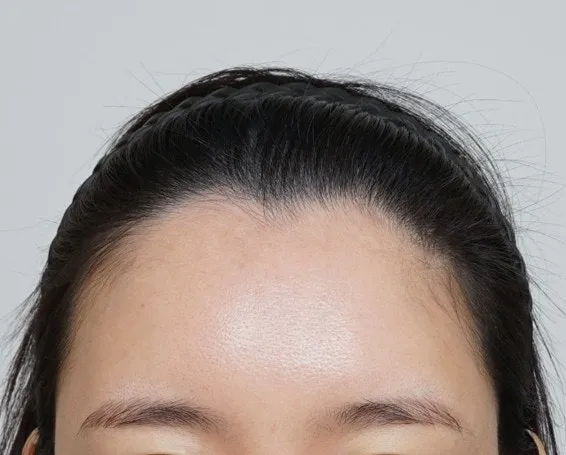
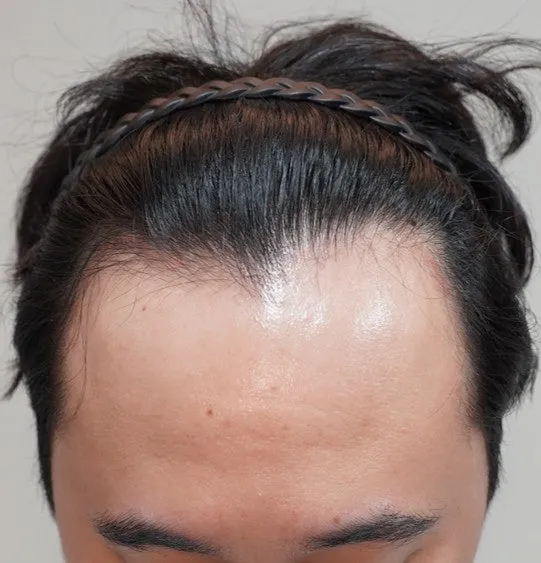
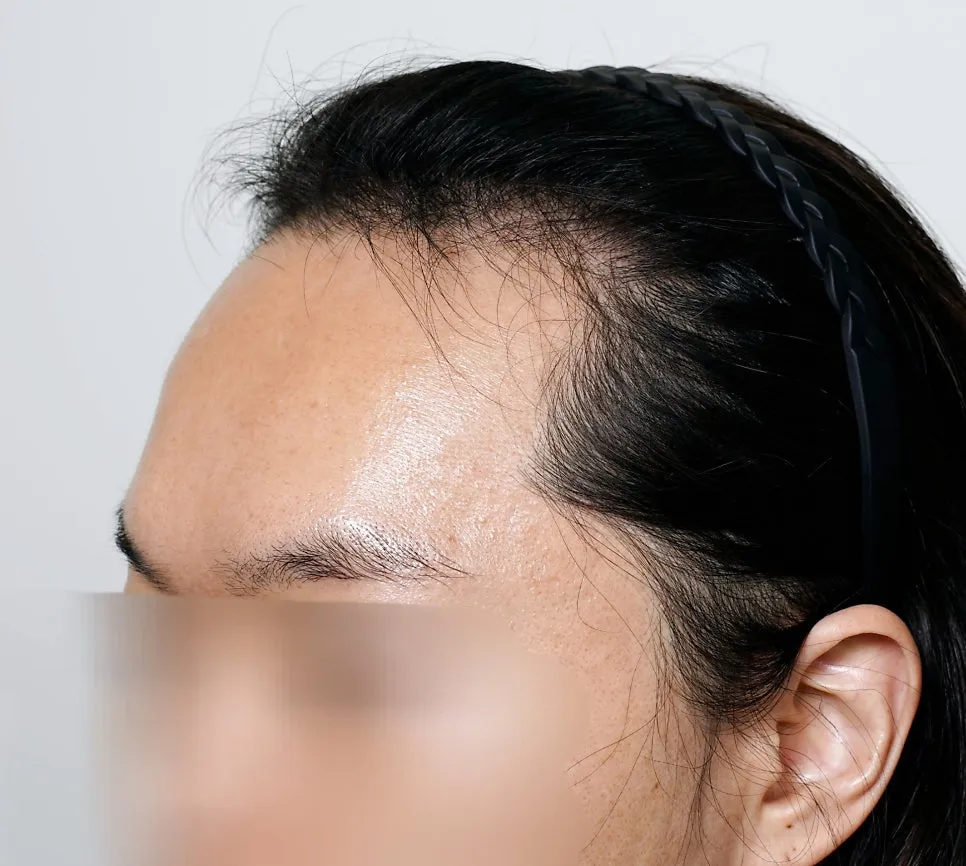
Most men who come in for hair transplant consultations are concerned about M-shaped hair loss. When designing, the areas they care about most are the forehead height and the M-shaped area. However, filling in the M-shaped area and the side areas narrows the width of the forehead, but the space near the temples becomes more noticeable relative to it, which can make the face look larger.
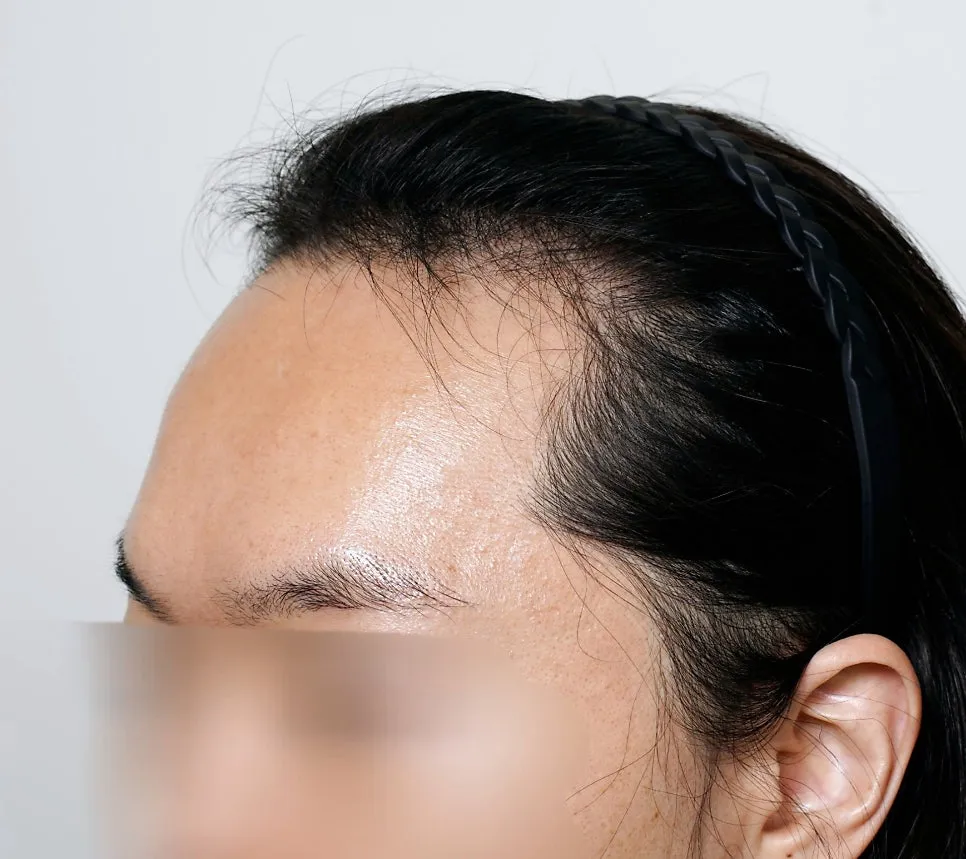
Why We Chose a Hair Transplant Instead of Forehead Reduction
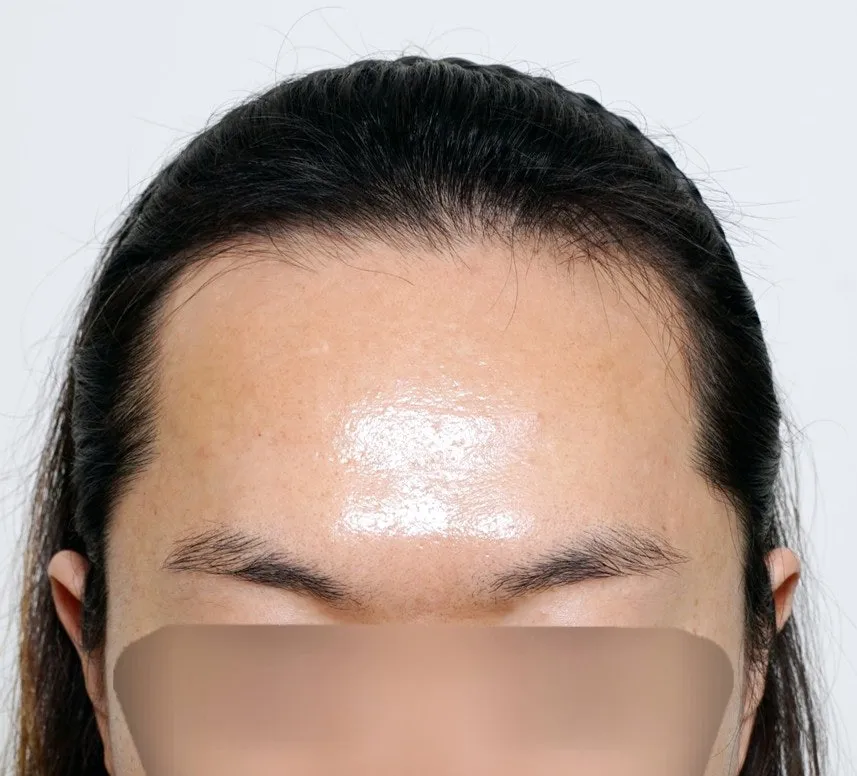
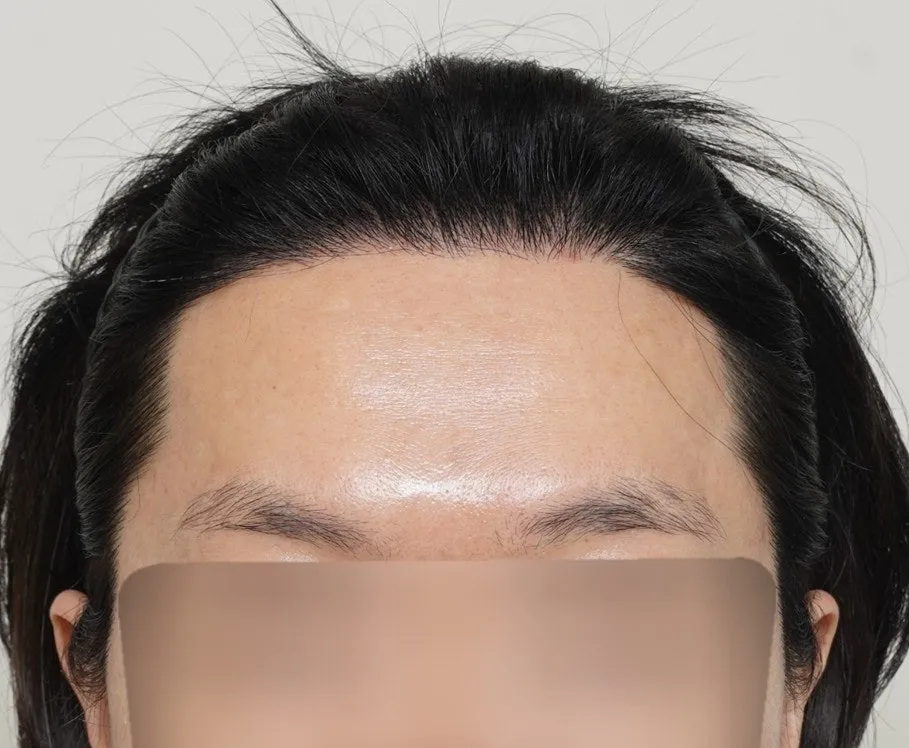
The patient above also came in because a high forehead and M-shaped hair loss bothered them. They wanted the height lowered a lot, so we considered forehead reduction, but because the scalp is thin, we judged that forehead reduction could lower the height by only about 1 cm.
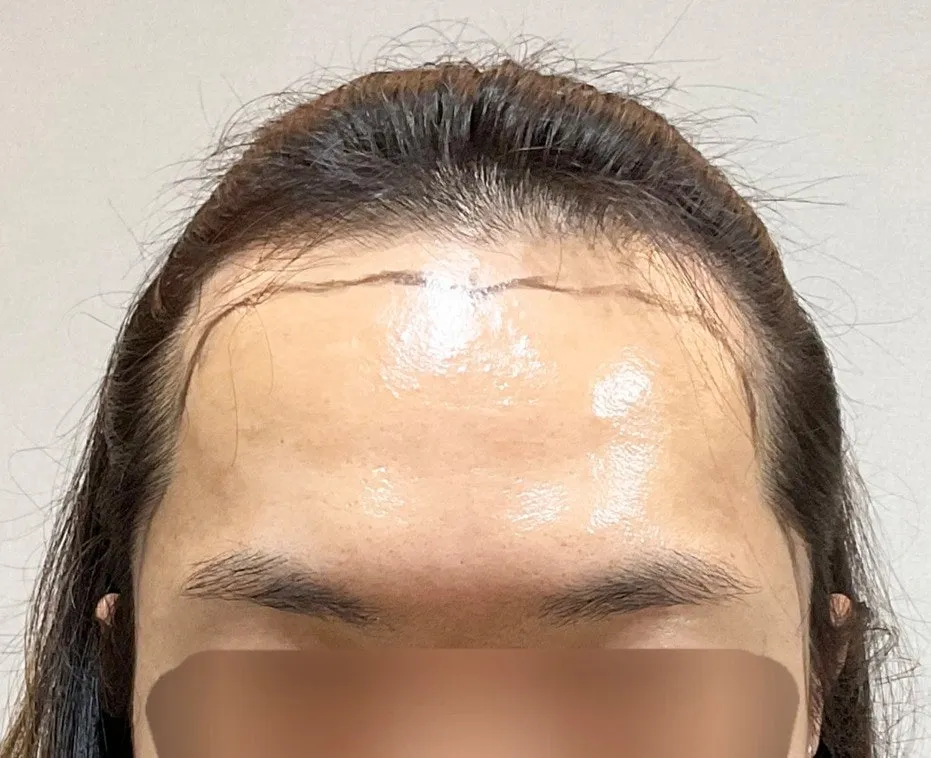
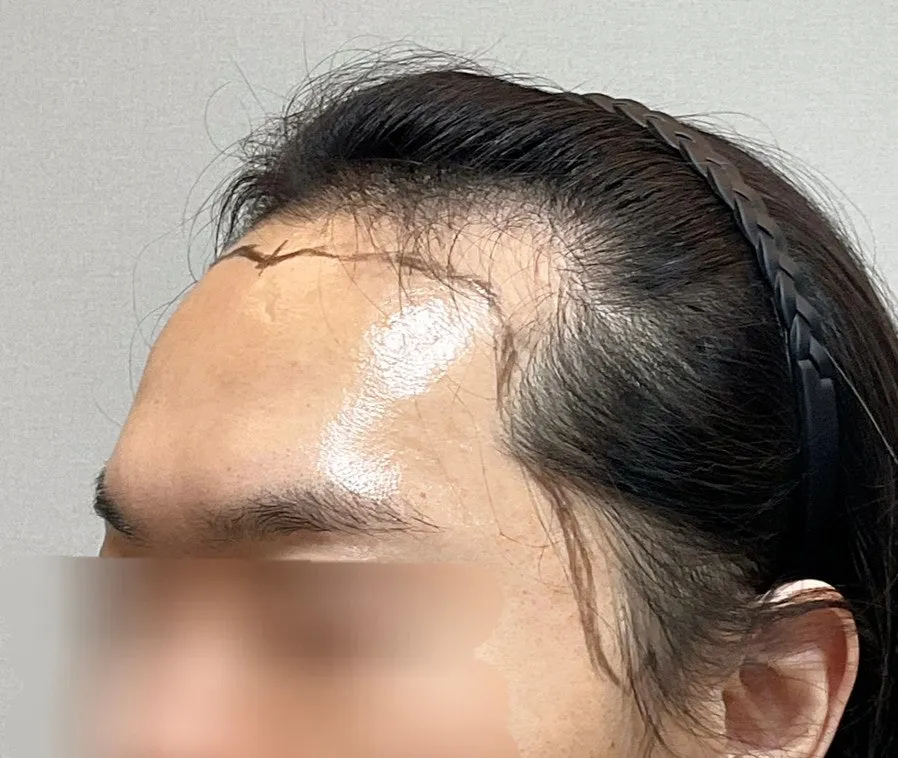
If the desired height is difficult to reduce with forehead reduction anyway, we judged that a hair transplant would be better. This is because a hair transplant can lower the height while also filling in the M-shaped area. However, after the M-shaped area is filled, the temple area can look relatively wide, which we thought might make the face look larger.
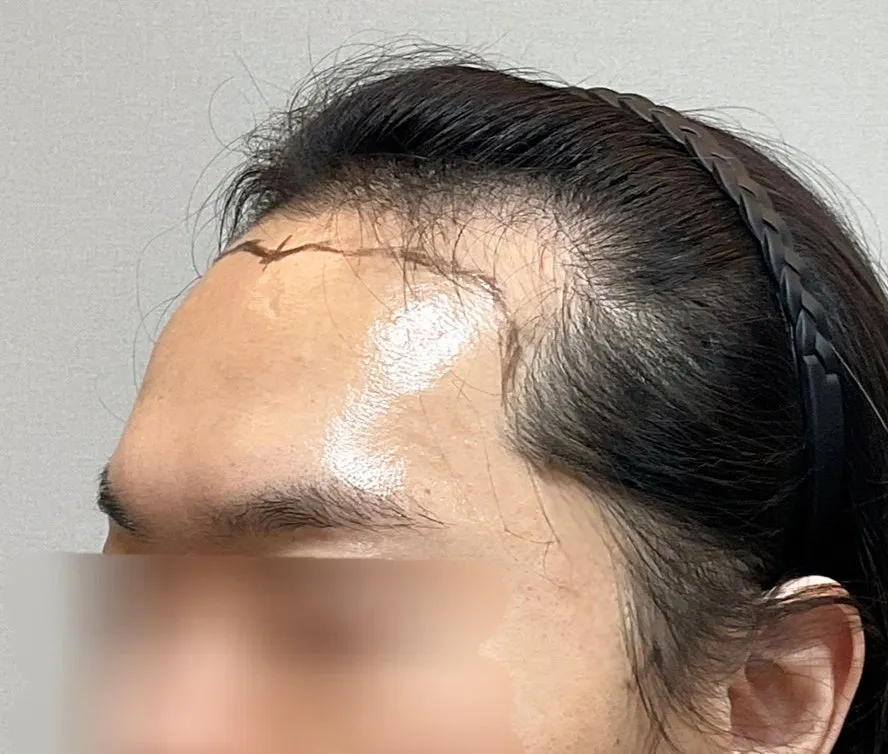
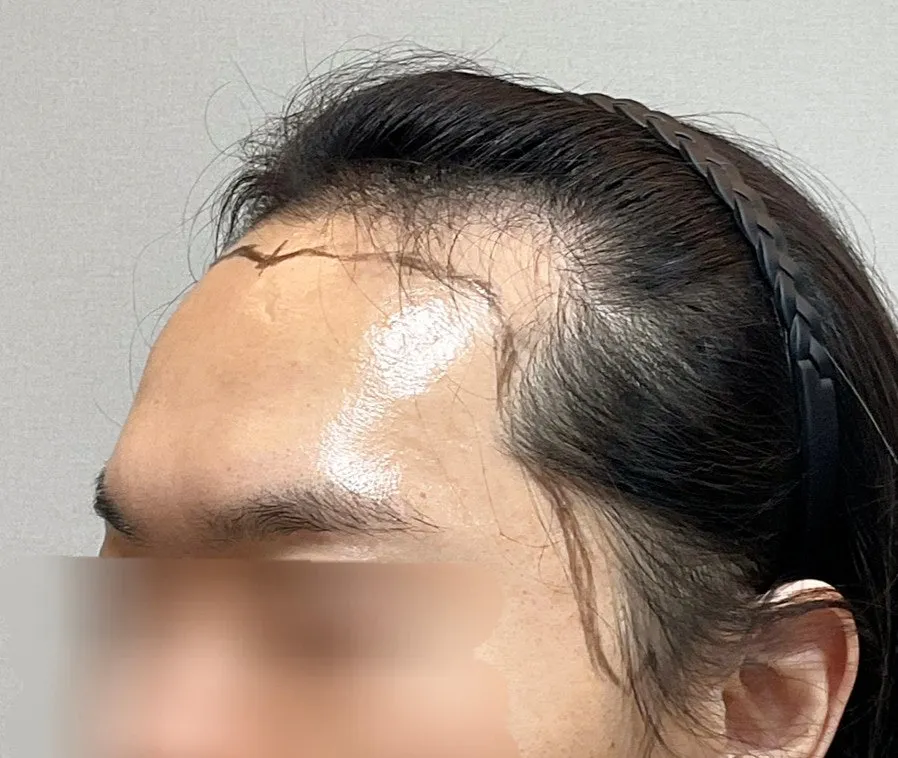
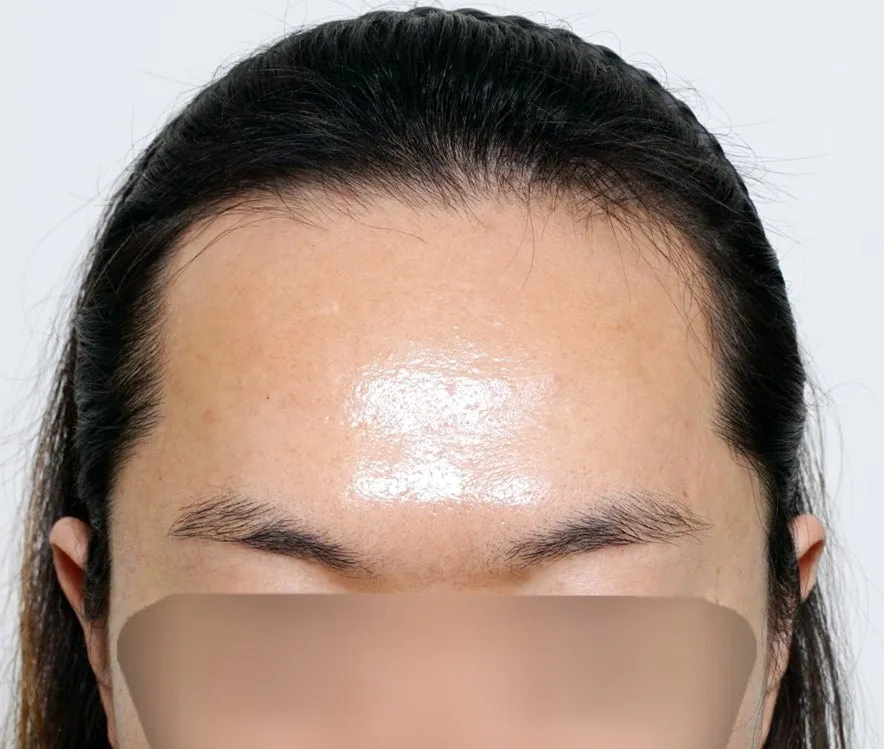
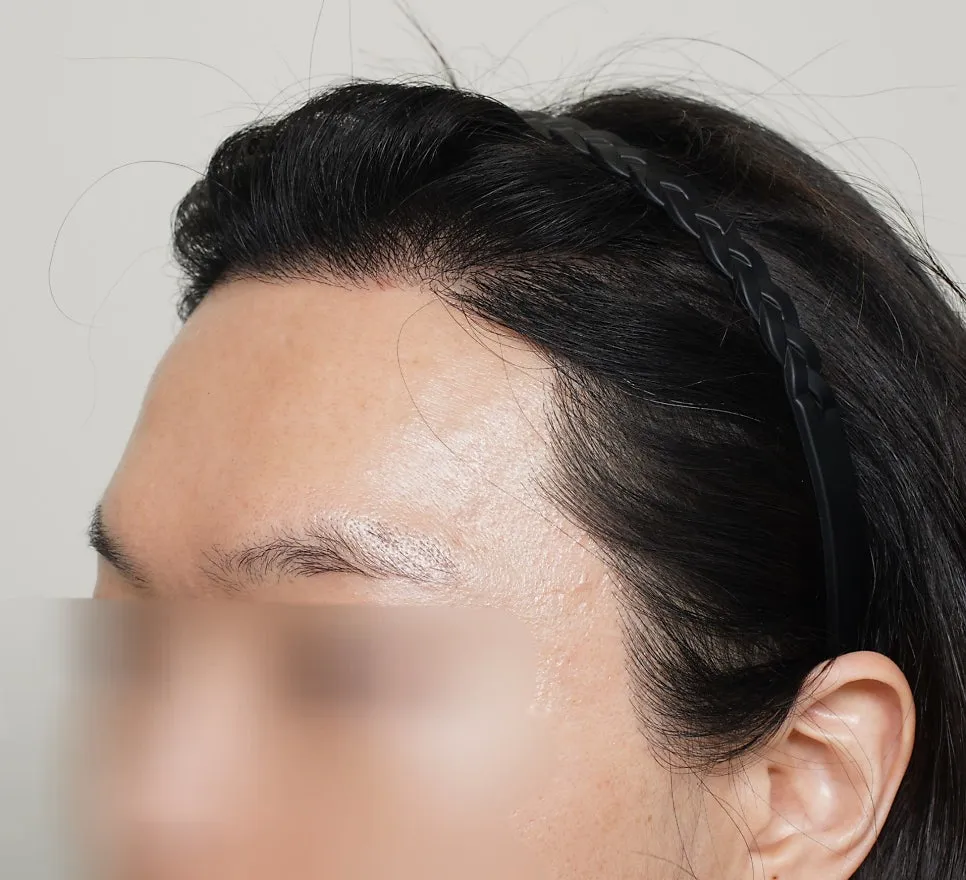
In the photos above, the left one shows that the forehead has become narrower but the space at the temples remains, making the face look wide from the sides. When that space is filled as on the right, the face looks smaller and the overall proportions match better.
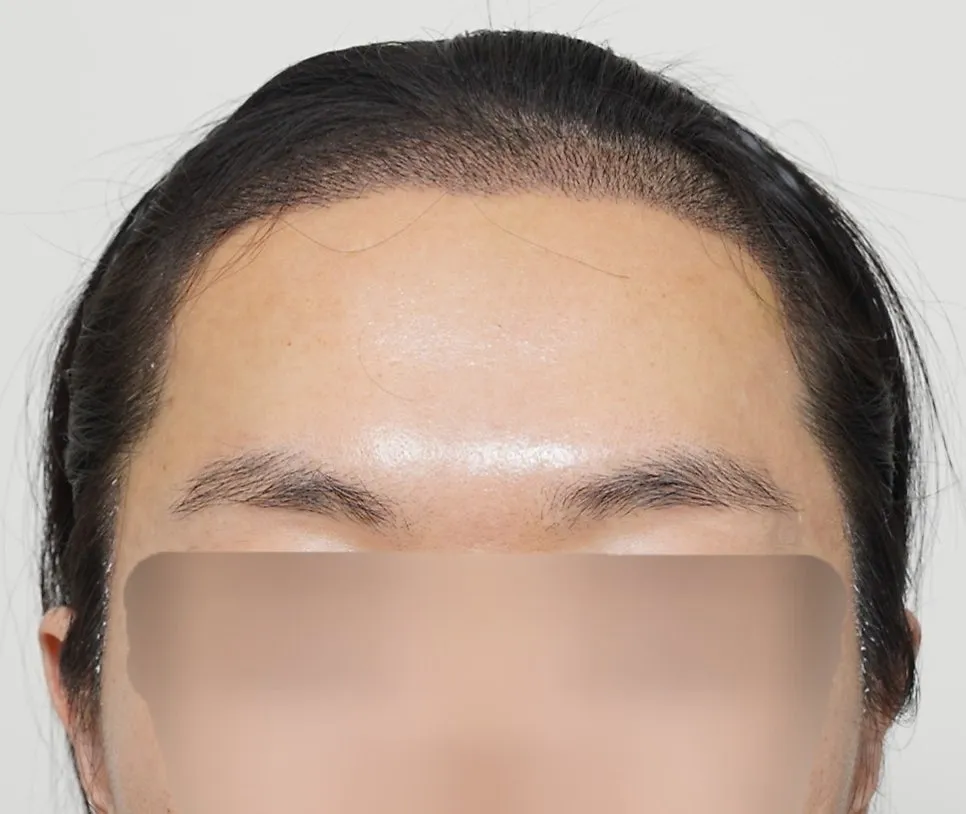
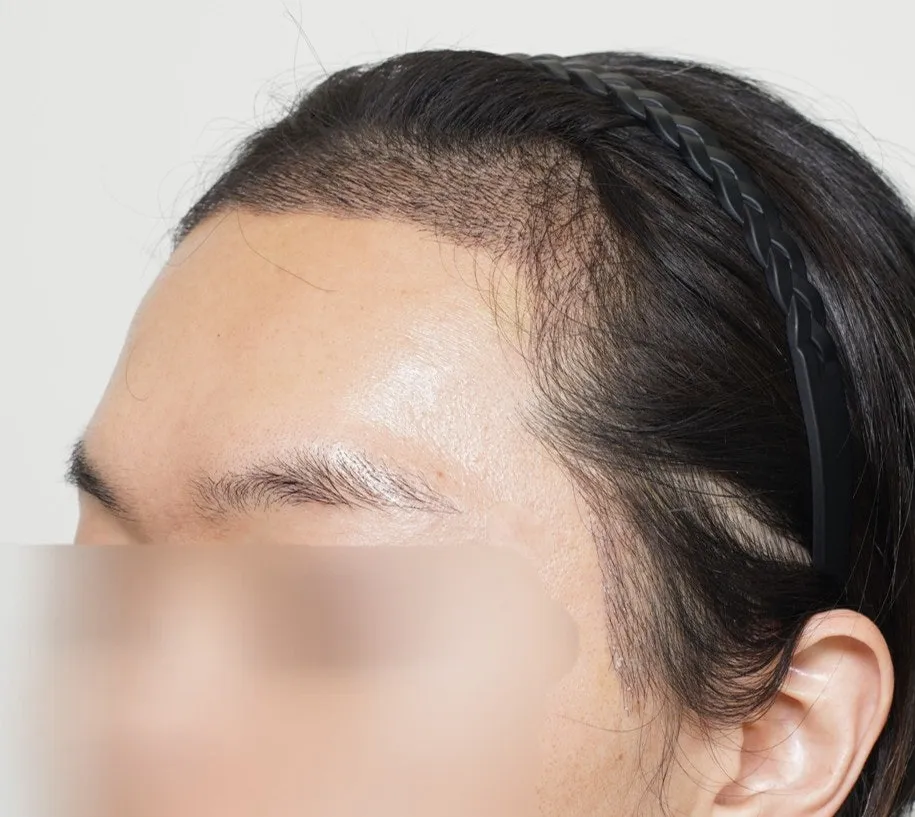
Non-Incision Transplant of 4,200 Hairs
Because the patient's scalp is relatively thin, we chose the non-incision method and harvested and transplanted 4,200 hairs (when the scalp is thin, closing an incision can be difficult or the pain can be severe, which is why we chose this approach). About 3,600 went to the forehead and M-shaped area, and about 600 to the temples and sideburns.
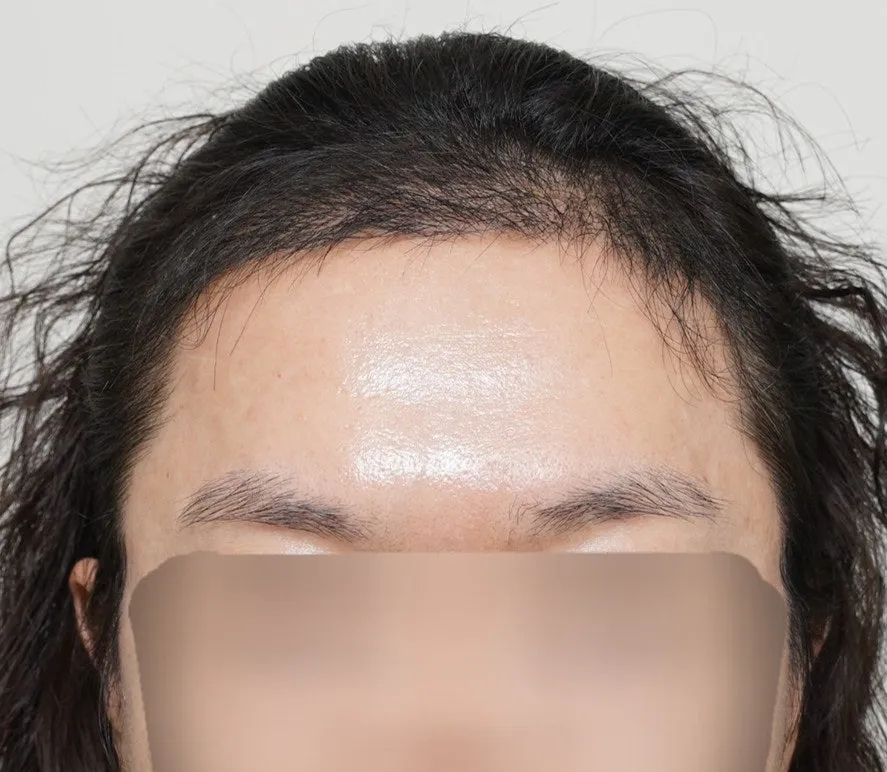
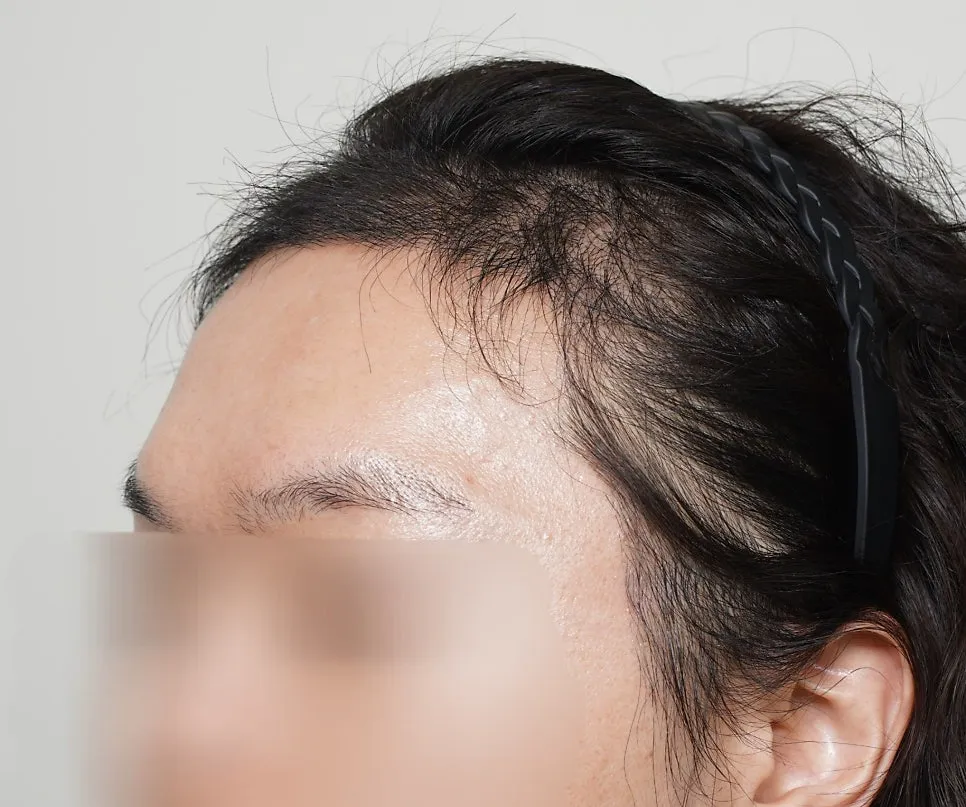
Progress at 4 Months and Conditions for a Sideburn Transplant
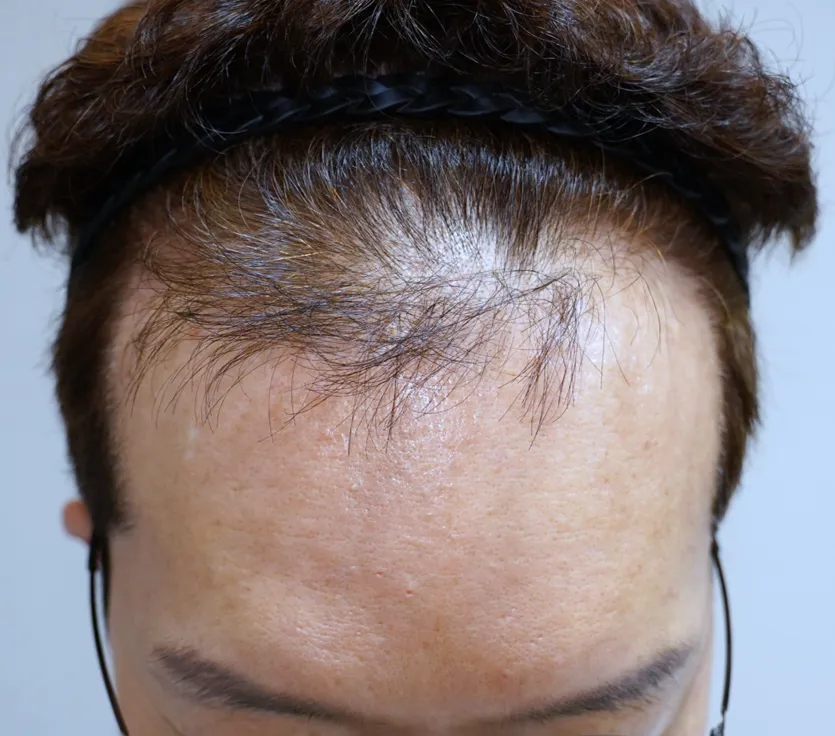
This is how the patient looked when they came in for a hair loss medication prescription at 4 months after the transplant. By then the dark phase had ended and the transplanted hairs were just starting to grow.
A sideburn transplant for men is not possible in every case. Hair loss must not be too severe, there must be enough hair at the back of the head, and the patient must consistently take medication to prevent further hair loss. The patient above also started taking medication from the first consultation and has continued to take it consistently until now.
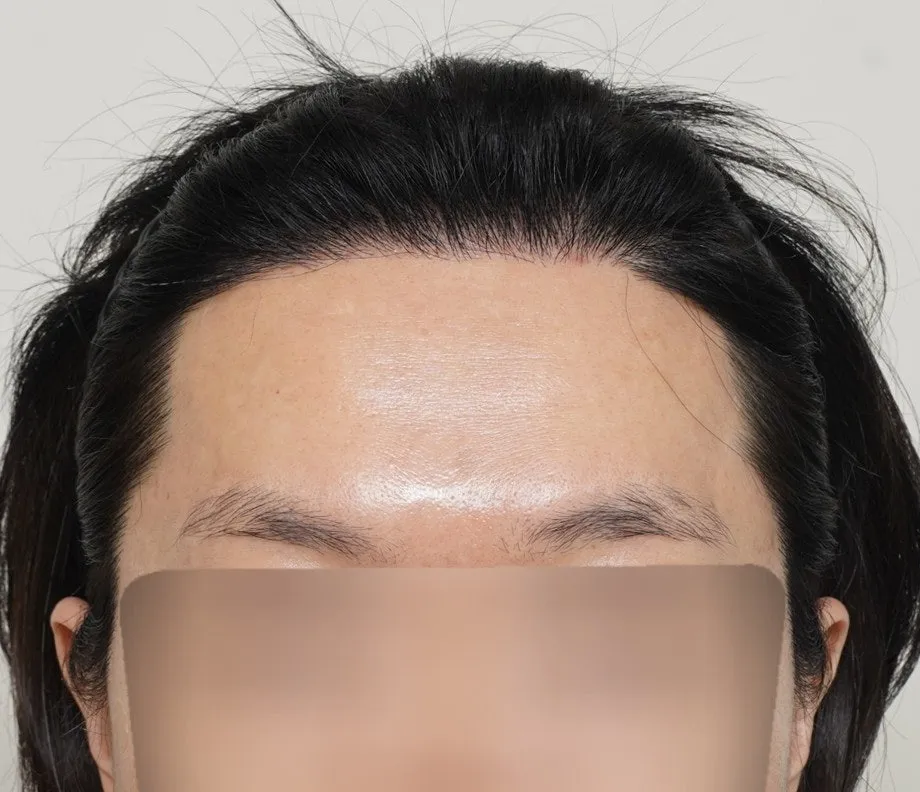
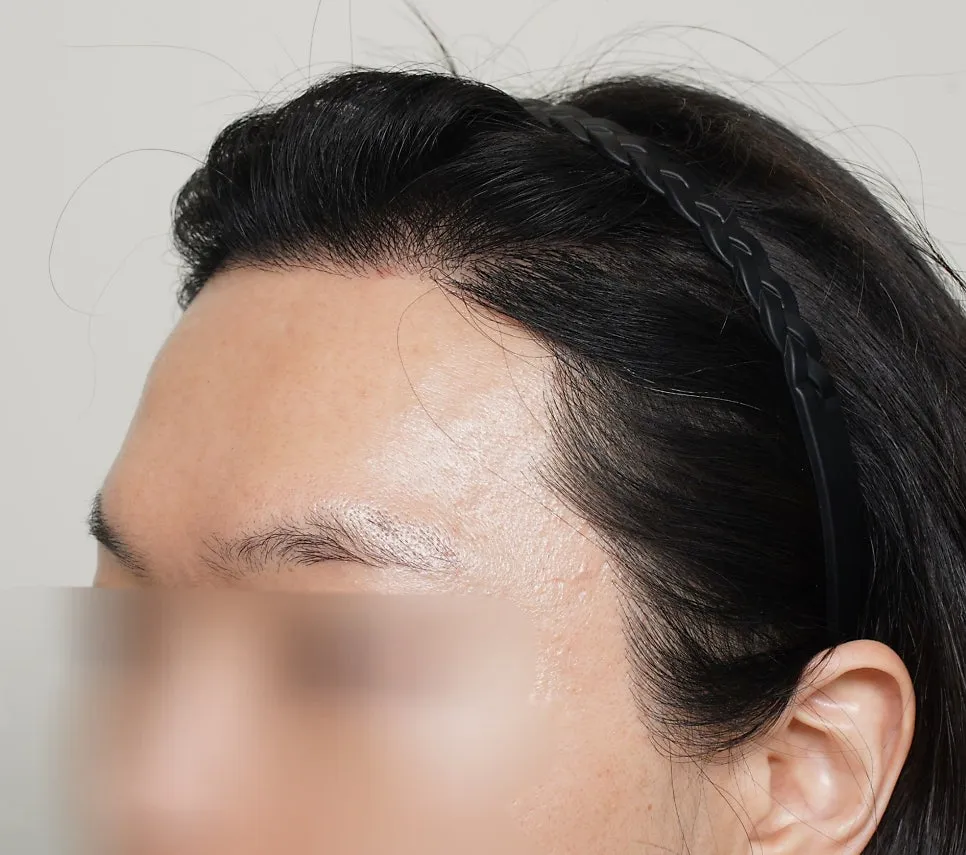
One-year follow-up
When they came in for a 1-year check, they asked whether it would be a good idea to do a bit more, even though the current hairline was very good. We said that since the current line was already good, they should live with it a while longer, and if they still felt unsatisfied, we could think about it again then. This is because preserving the hair at the back of the head is also important.
A Sideburn Transplant Is More Difficult Than It Seems
A sideburn transplant is a more difficult surgery than it seems. Because many single-follicle grafts must be used, it takes a long time, and during transplanting, the grafts must be placed at a sharp angle close to the skin, which places strain on the wrist. So there are times I hesitate about actively recommending it, but when it seems like it would suit someone well, I find myself drawing designs and asking, "How about here?"
A men's sideburn transplant can also turn out quite well.
※ Side effects such as pain, infection, swelling, and bleeding may occur after a hair transplant. ※ All photos on this blog are used with the patient's consent.