By Dr. Park Sooho · 2026.04.12
When the Forehead Is Very Wide, a Hair Transplant Alone Has Limits
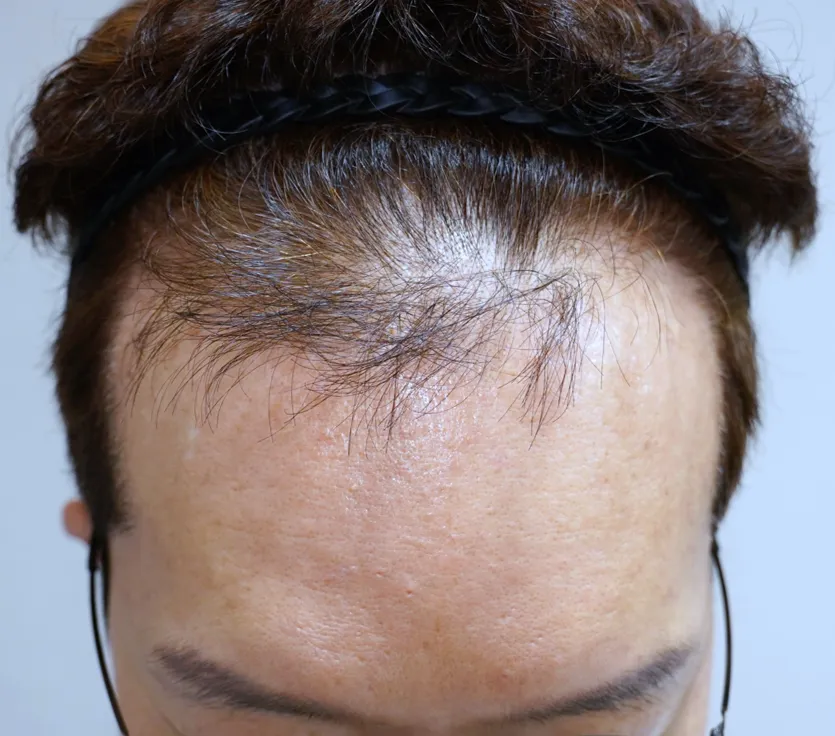
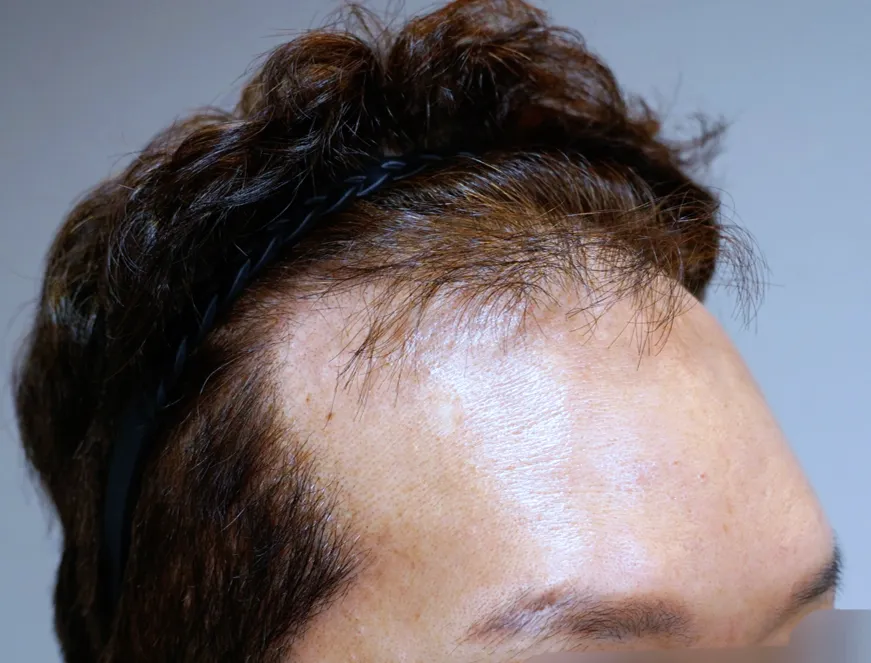
When counseling men who are concerned about an unusually high and wide forehead, nine out of ten come in thinking a hair transplant is the only solution. However, when the forehead is very wide, there are many cases where a hair transplant alone has limits in achieving an ideal proportion.
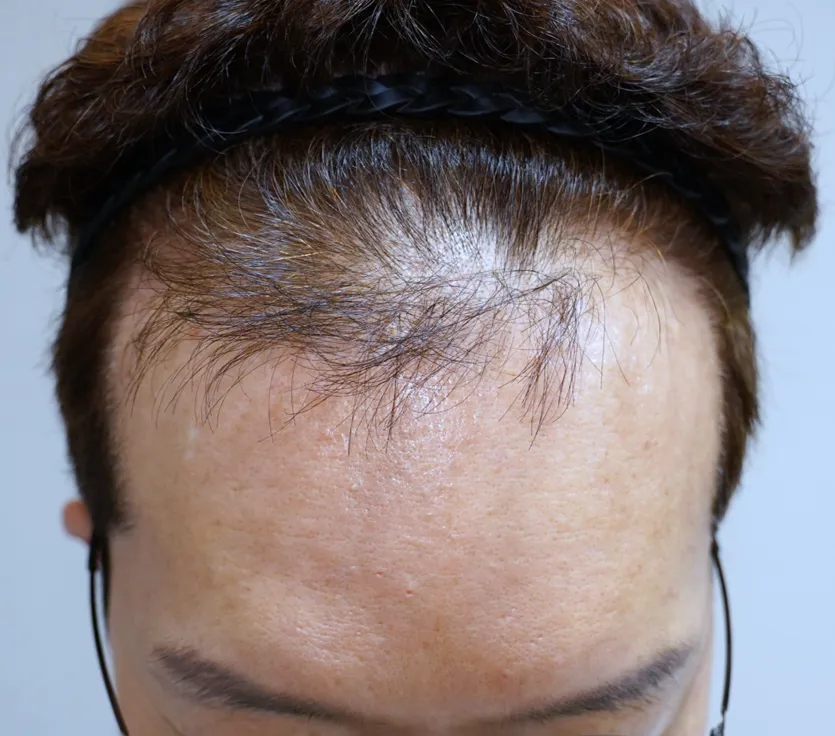
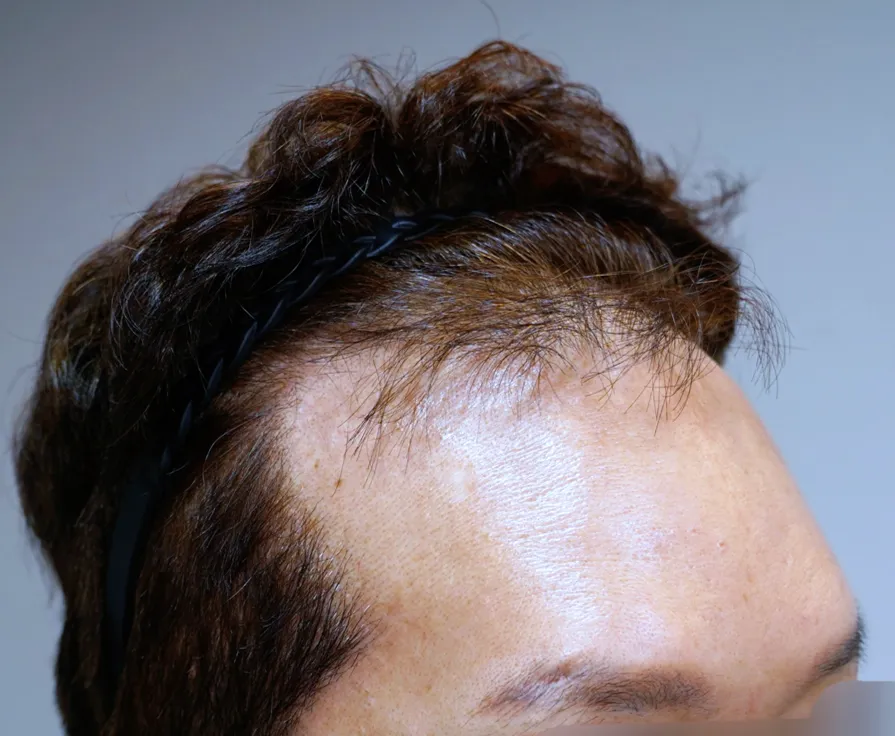
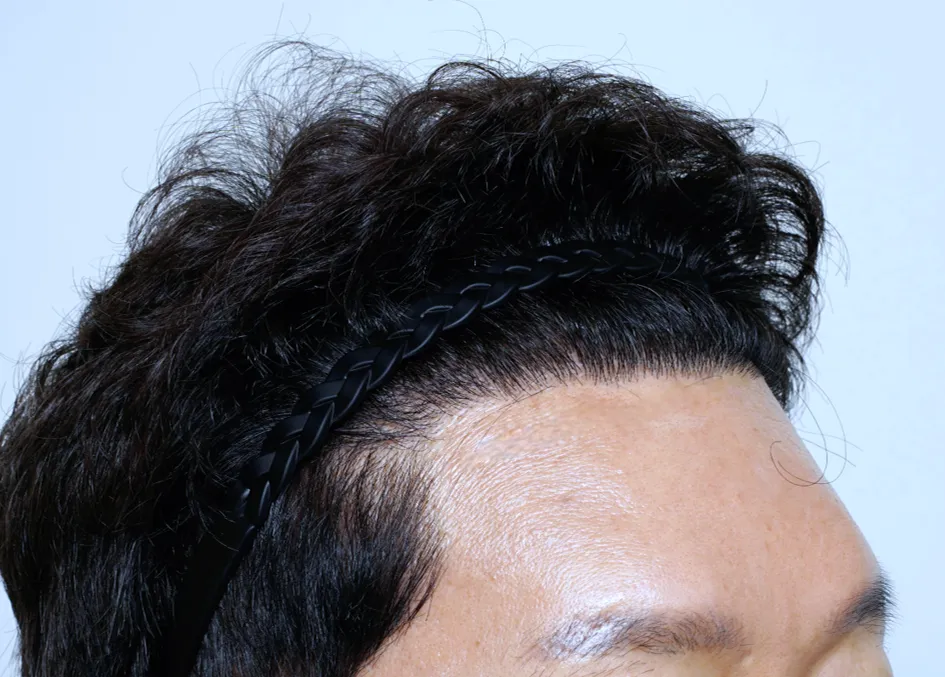
As in the photo above, when the forehead is high and wide, lowering the hairline to match the overall facial ratio requires a larger amount of hair than expected (at least 8,000 hairs). If harvested excessively, the density at the back of the head may become too low, and when filling a wide area with transplants alone, the fullness may appear less than expected. Also, if the back of the head is used to the maximum in the first surgery, the next surgery may become impossible.
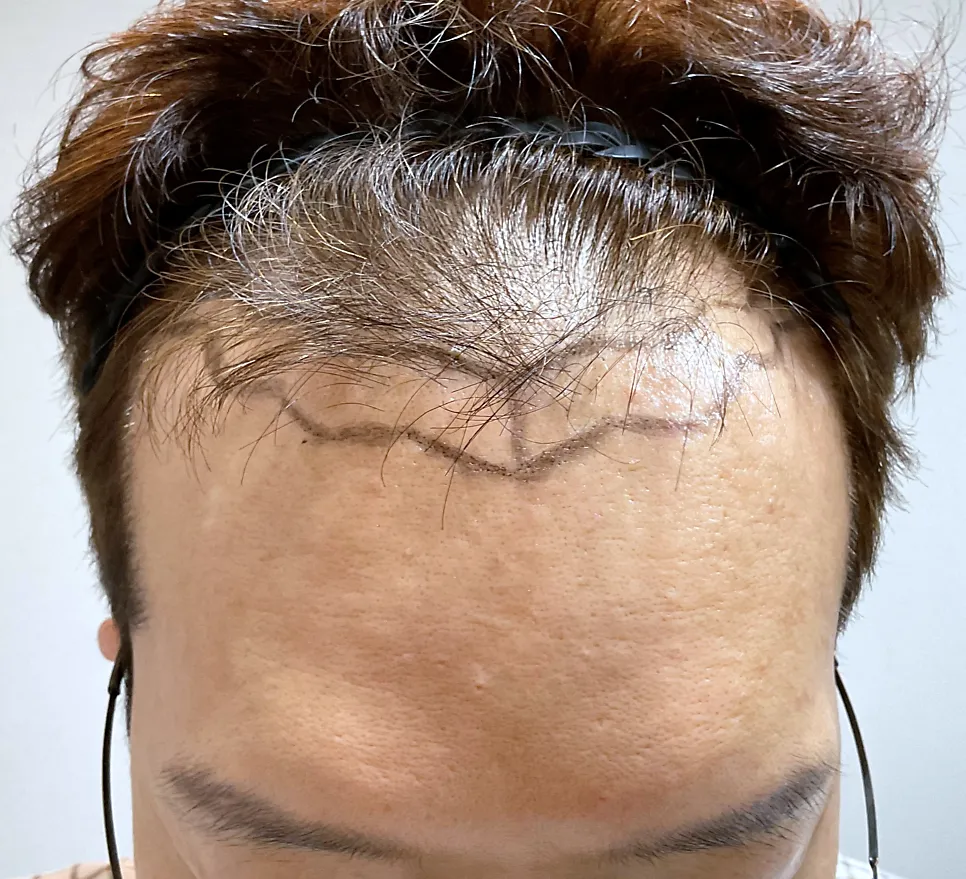
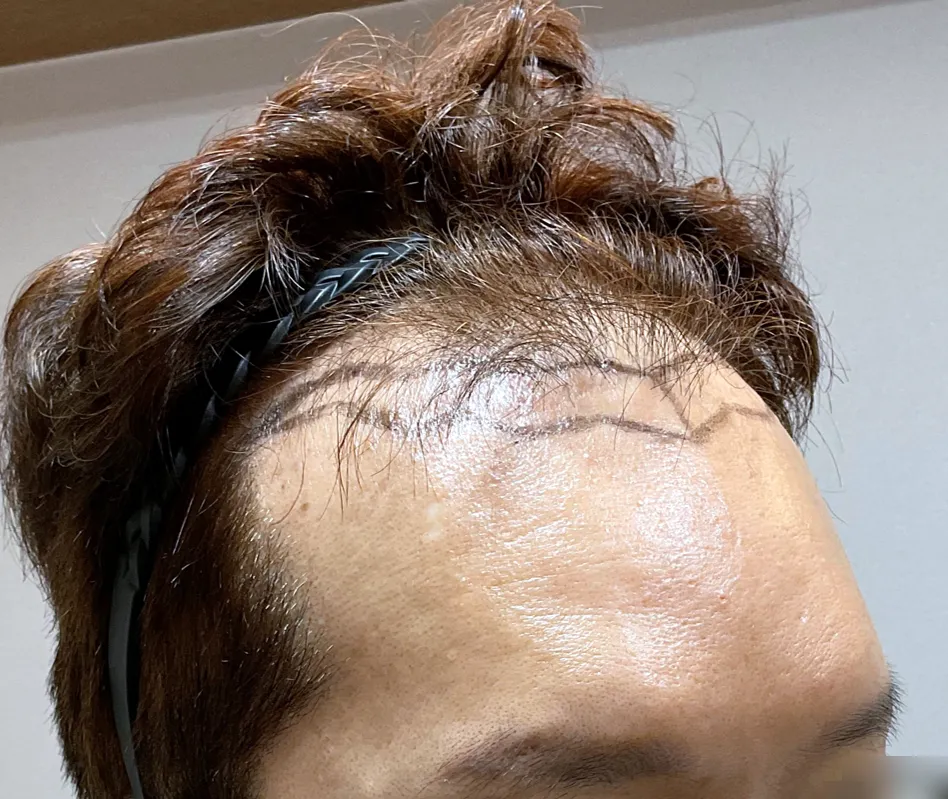
Forehead Reduction First, Transplant as the Second Stage
This patient also initially came in considering only a transplant. However, while discussing the best way to achieve the best result, we planned to first lower the hairline by about 1.7 cm with forehead reduction surgery and perform the transplant as a second stage, because reducing the area in advance with forehead reduction saves about 2,000~3,000 hairs. These saved hairs become a precious asset for later.
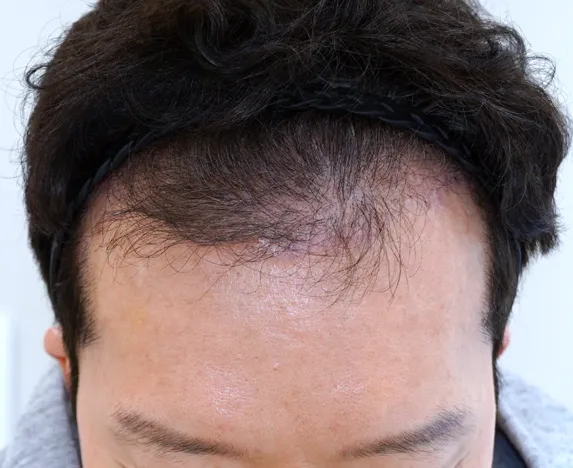
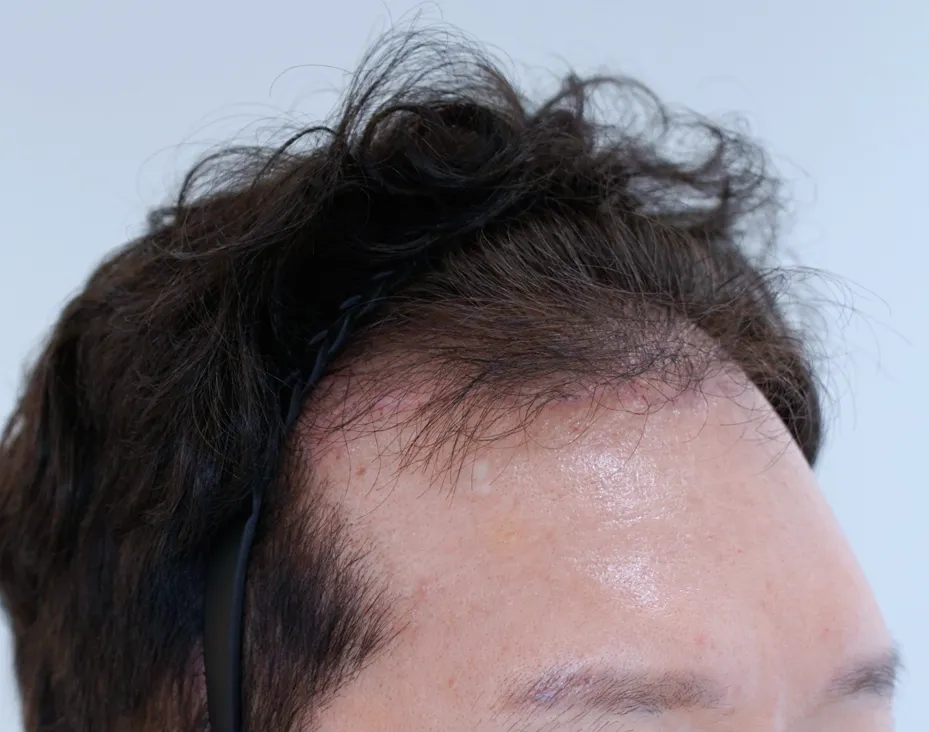
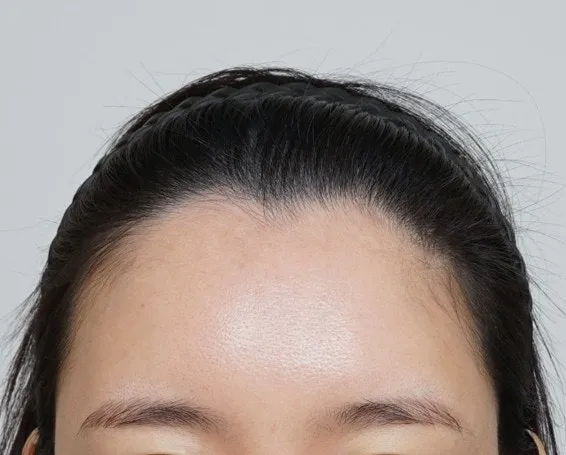
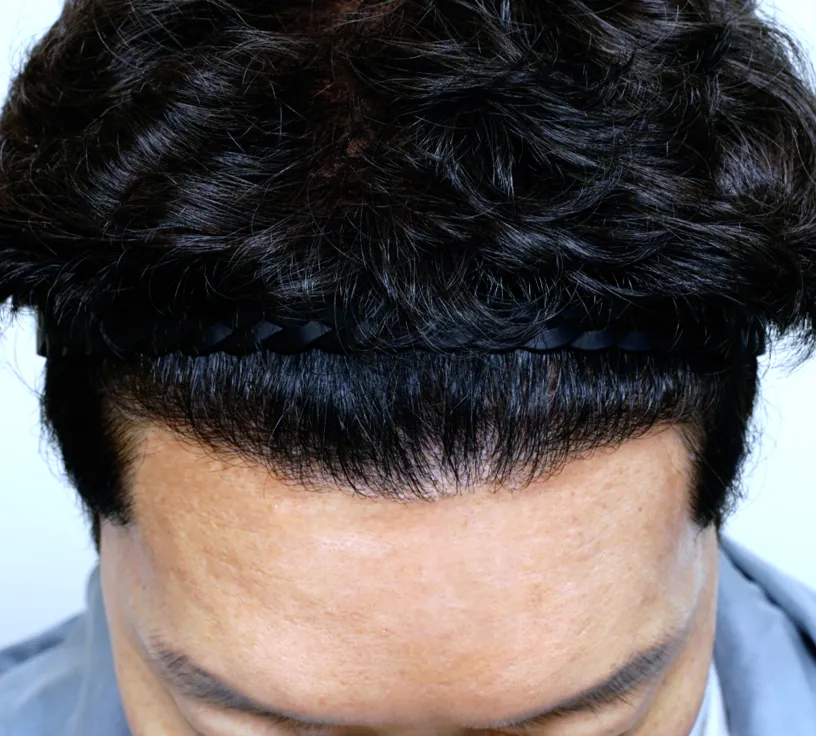
The photo above shows the appearance six months after forehead reduction. The sense of a very wide forehead had disappeared with forehead reduction alone. Any scar that might become noticeable can also be covered by transplanting over it when the hair transplant is performed 6 months later.
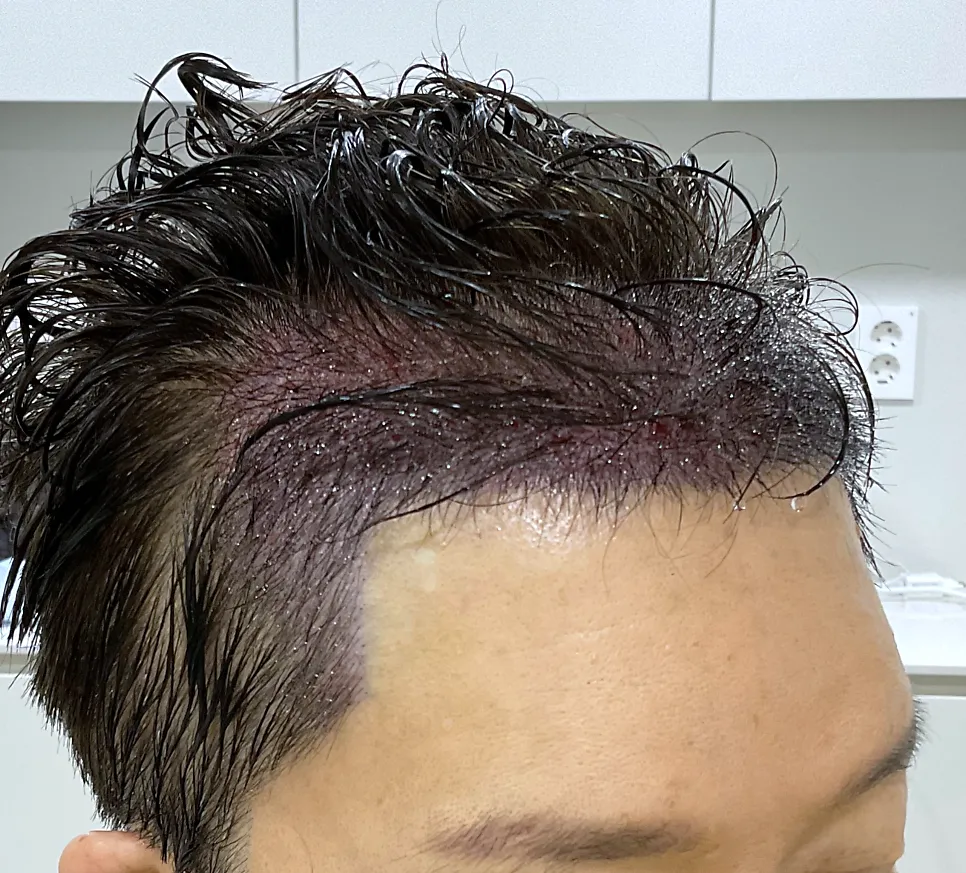
About 6,500 Hairs Harvested with the Incisional Method
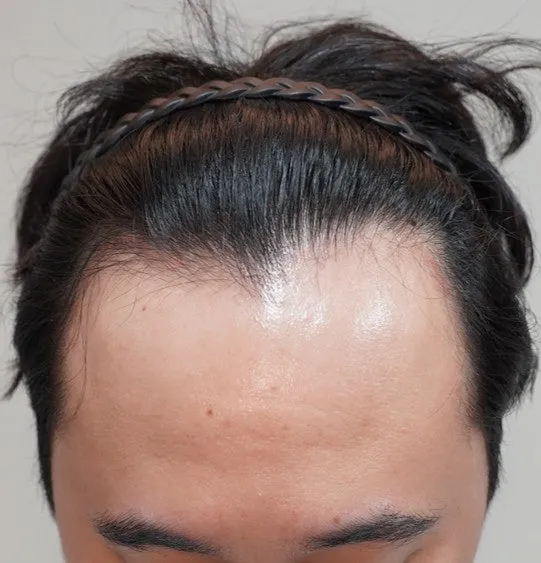
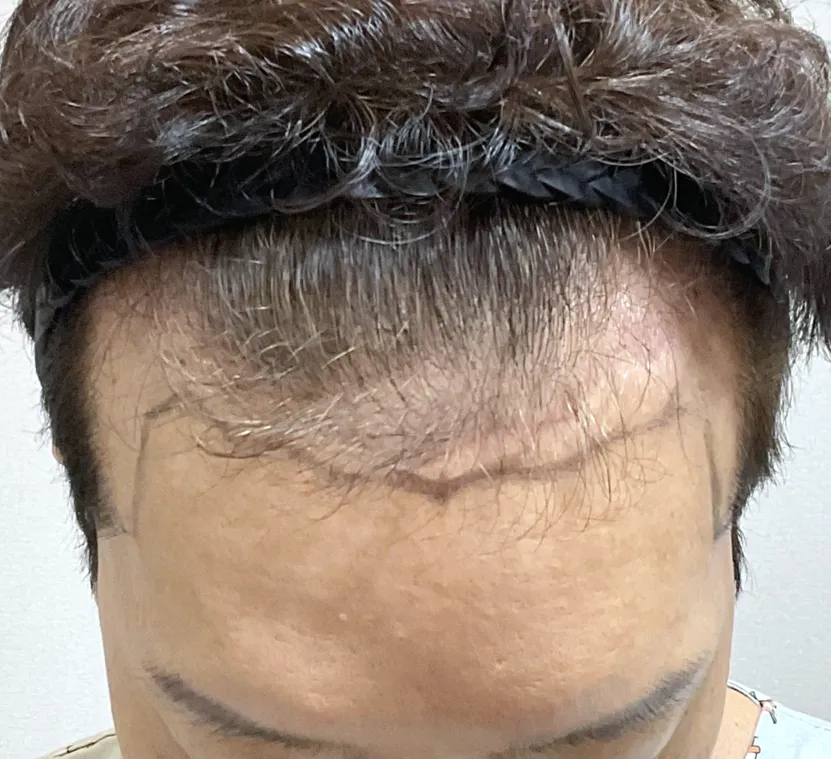
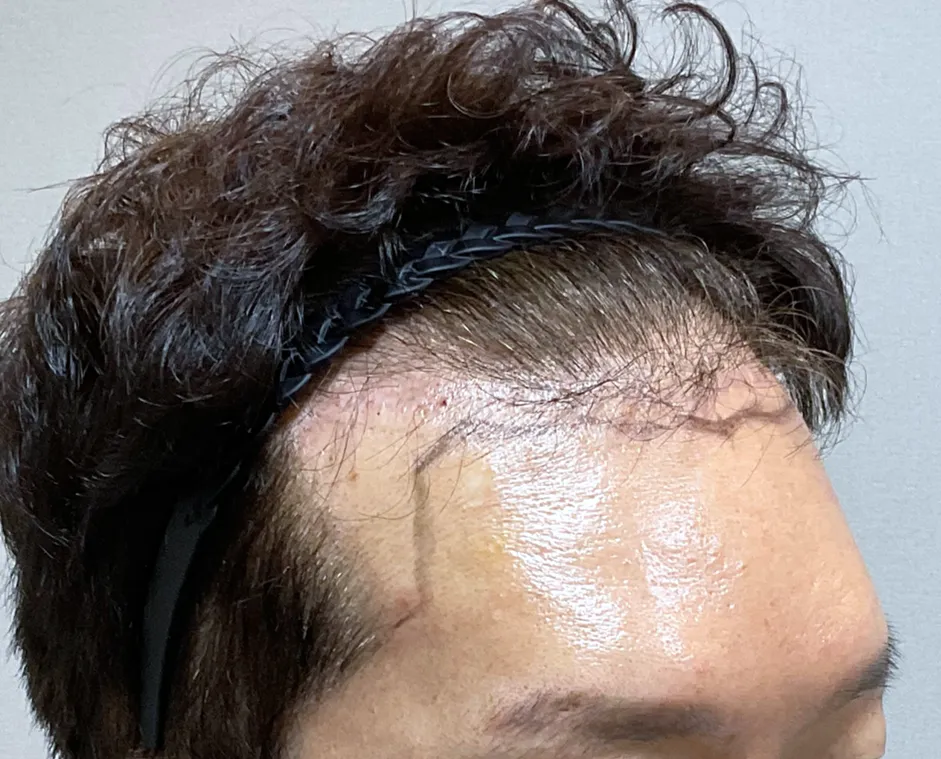
This time, we planned the hair transplant by lowering the height to suit the facial proportions and also pulling the sides in. The scar line from the forehead reduction was slightly visible up close, but after the transplant it will be almost invisible.
Since the occipital skin has good elasticity, we expected to harvest about 6,000 hairs with the incisional method, and in the end about 6,500 hairs were harvested, so we were able to fill all the planned areas well.
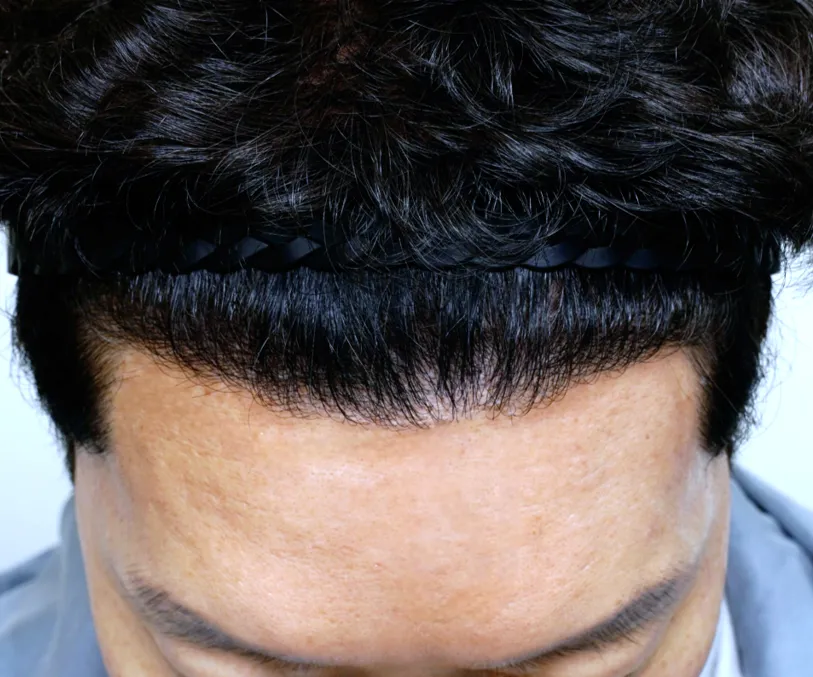
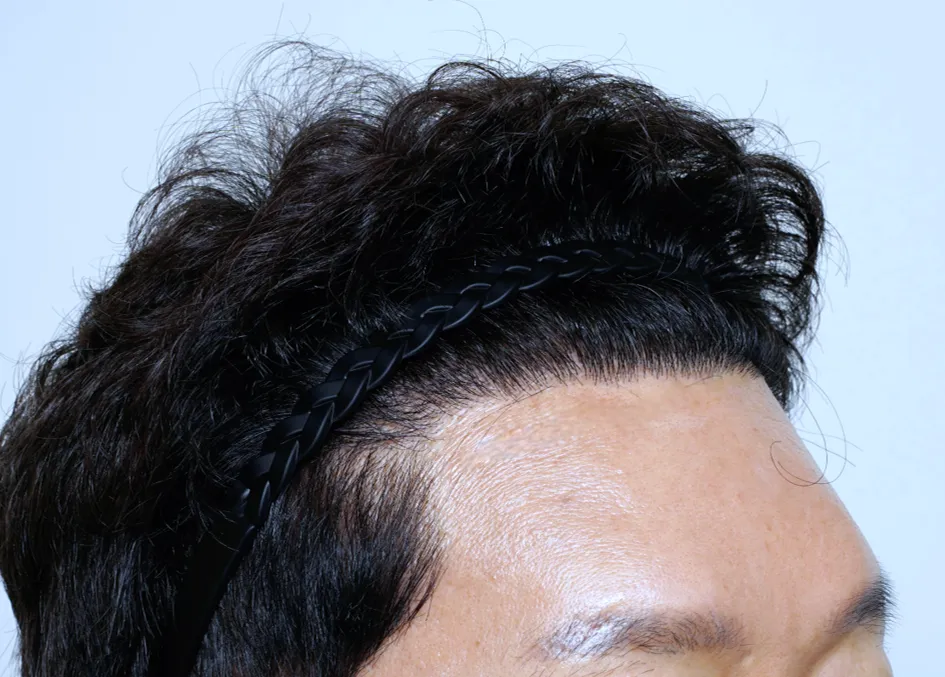
Final Progress and Supplementary Non-Incisional Transplant
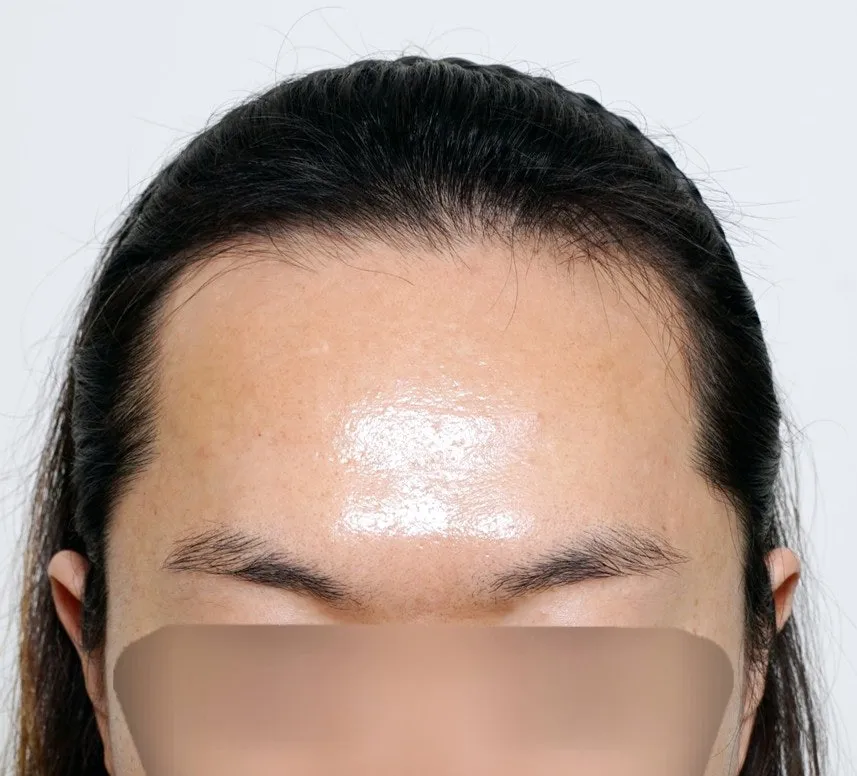
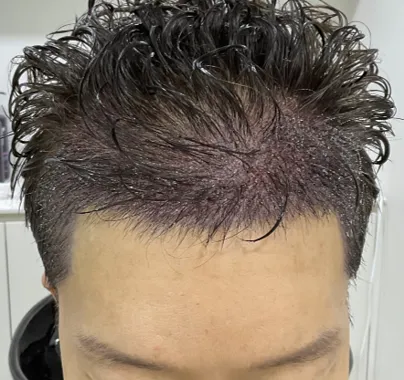
Then, recently, the patient returned to the clinic to check the final progress. They said the overall line and density hardly bother them, but that the boundary between the transplanted area and the existing hair was slightly noticeable, so we added a little more reinforcement there with the non-incisional method.
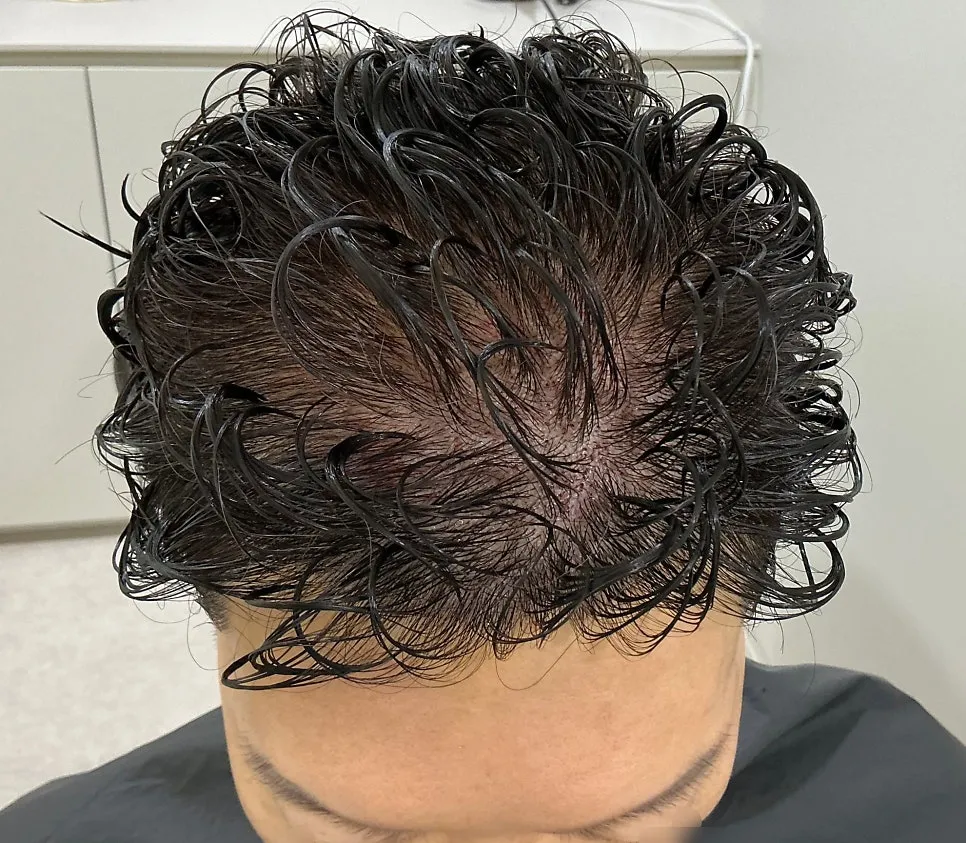
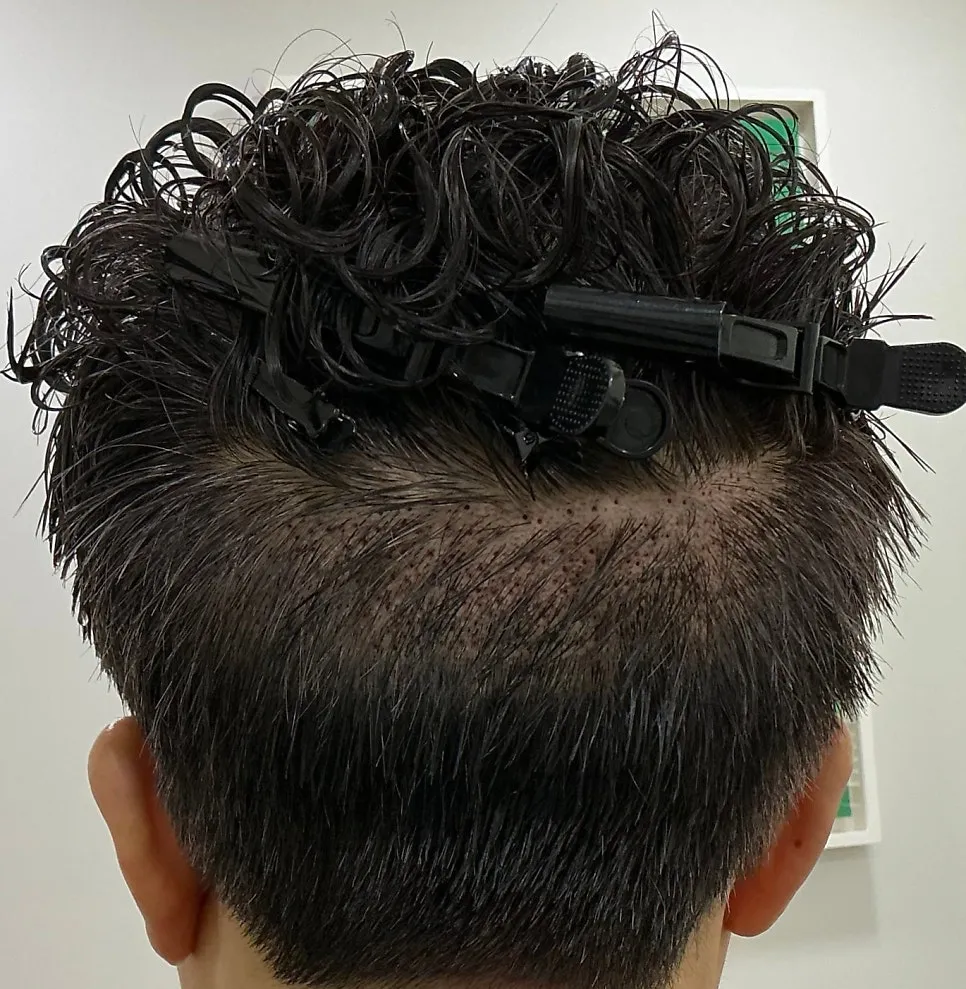
On the way out after treatment, they said several times that they felt like they were living a new life and thanked us, which filled me with gratitude as well. For a while, I think I could keep performing surgeries without feeling tired.
The Best Result for Each Person
I believe hairline correction surgery goes beyond technical operation; it is a process of understanding a person's concerns and presenting the most efficient path. This is because the methods that produce the best result for each person, whether hair loss treatment, forehead reduction, or incisional and non-incisional hair transplantation, are all different.
※ Side effects such as swelling, inflammation, bleeding, infection, and pain may occur after a hair transplant or forehead reduction. ※ All photos on this blog are used with the patient's consent.