By Dr. Park Sooho · 2026.01.25
When Density Seems Lower Than Right After Transplantation
Some patients who come in to check their progress after a hair transplant say the density seems lower than right after the procedure.
In such cases, density may actually have decreased slightly, but hair is often growing quite well, and the scalp is frequently visible through gray hairs.
Case: Hair Transplant for M-Shaped Hair Loss
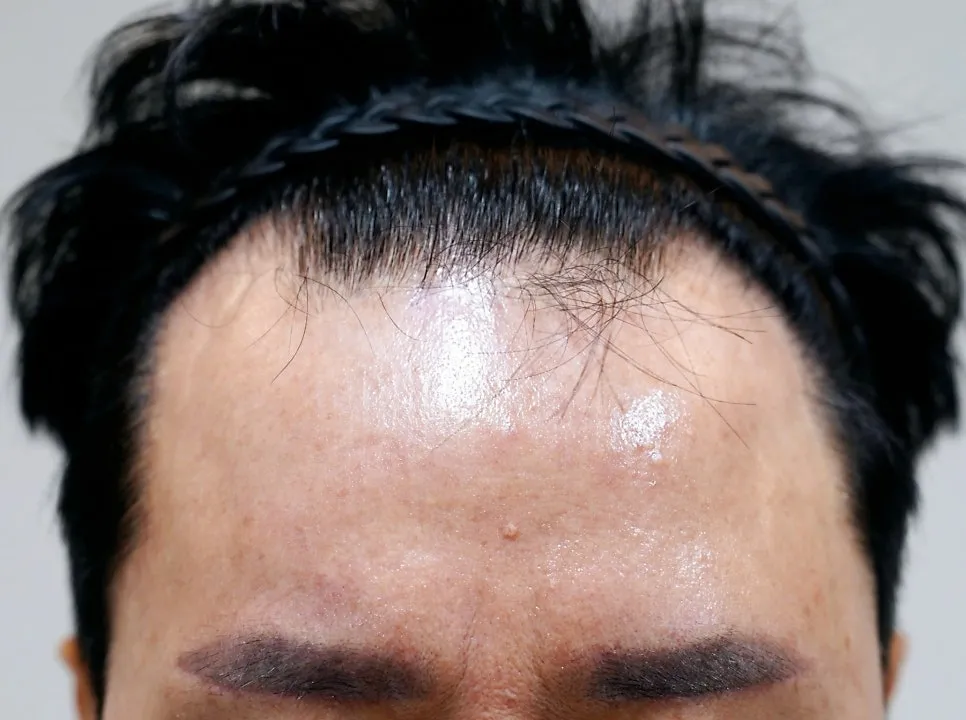
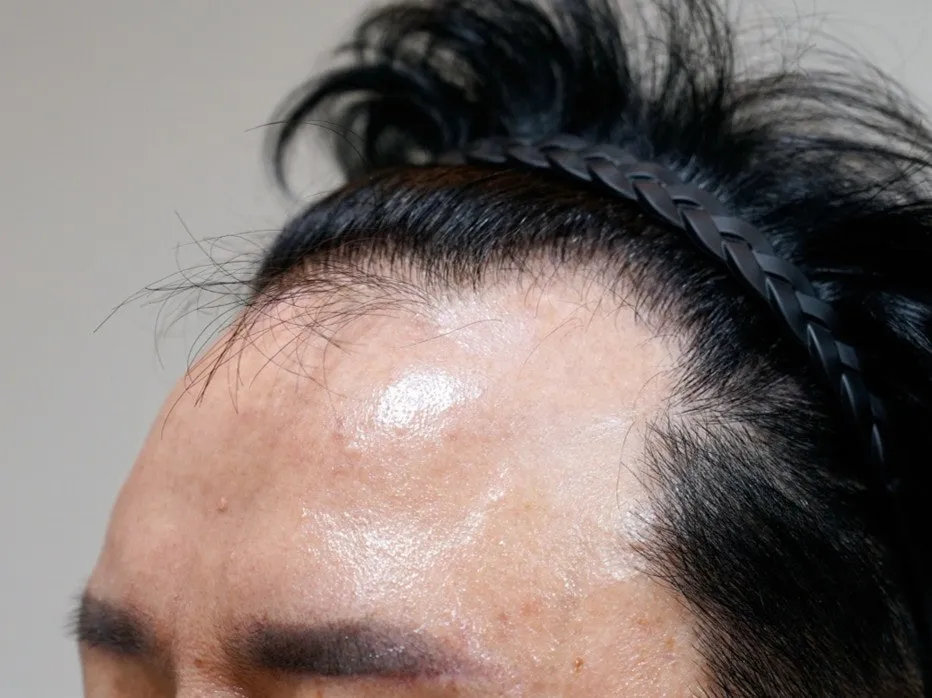
The patient above came in for a hair transplant due to M-shaped hair loss. They have quite a lot of gray hair but usually do not dye it, so the photo above shows them with dyed hair because it was taken before surgery.
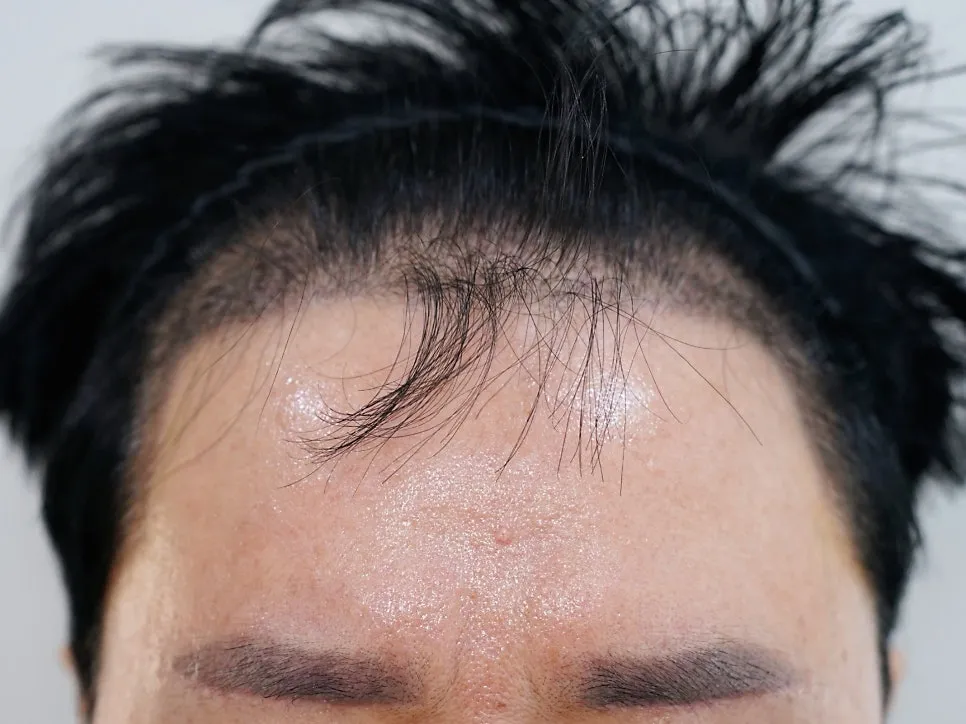
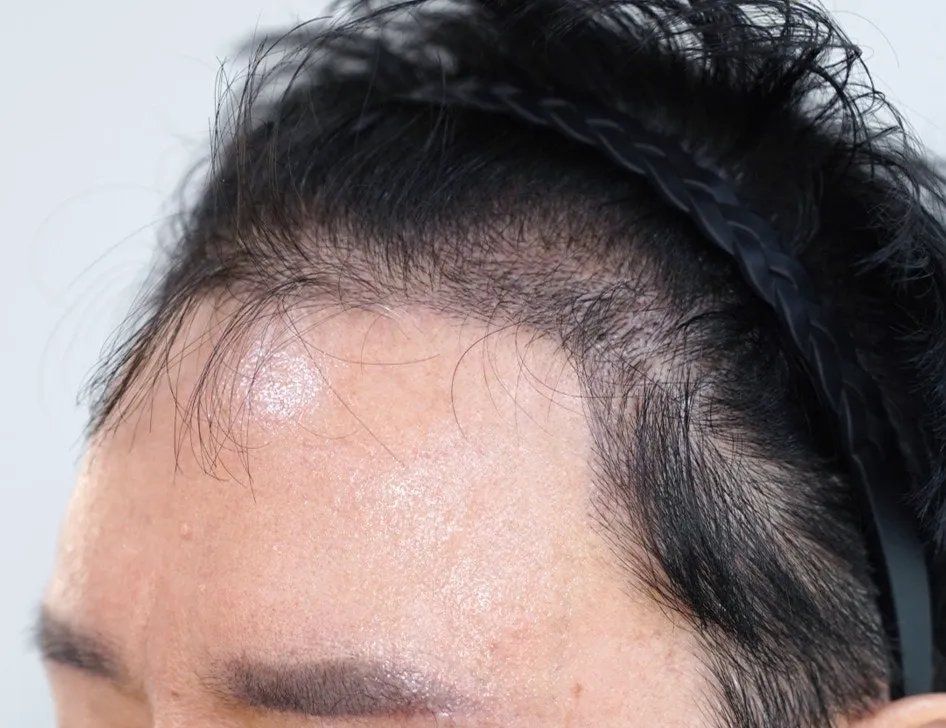
While pulling the M-shaped area and side lines, I also filled in between the hairs in the central area where density had decreased. Since the M-shape was not deep, about 2,200 hairs were sufficient using the non-incisional method.
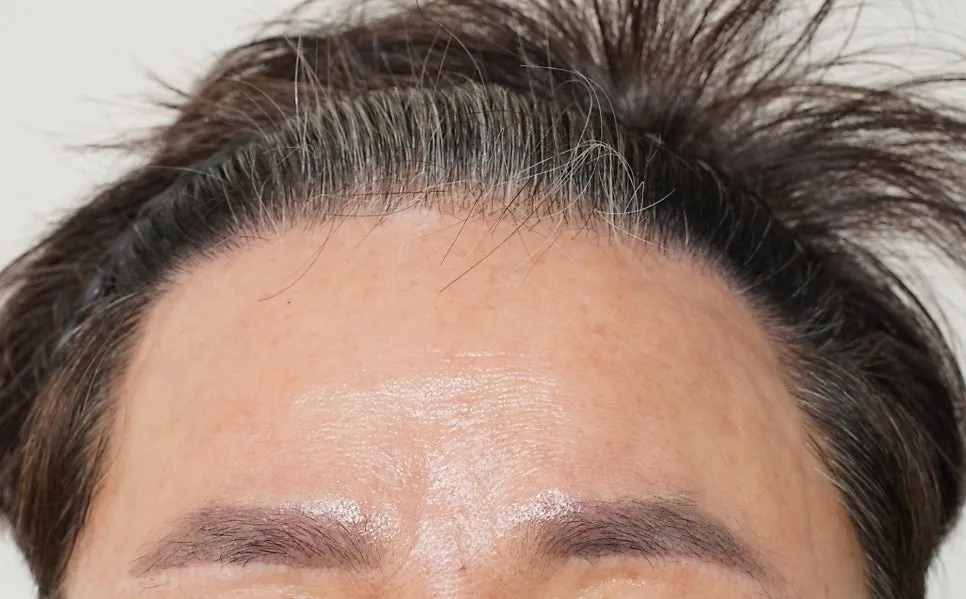
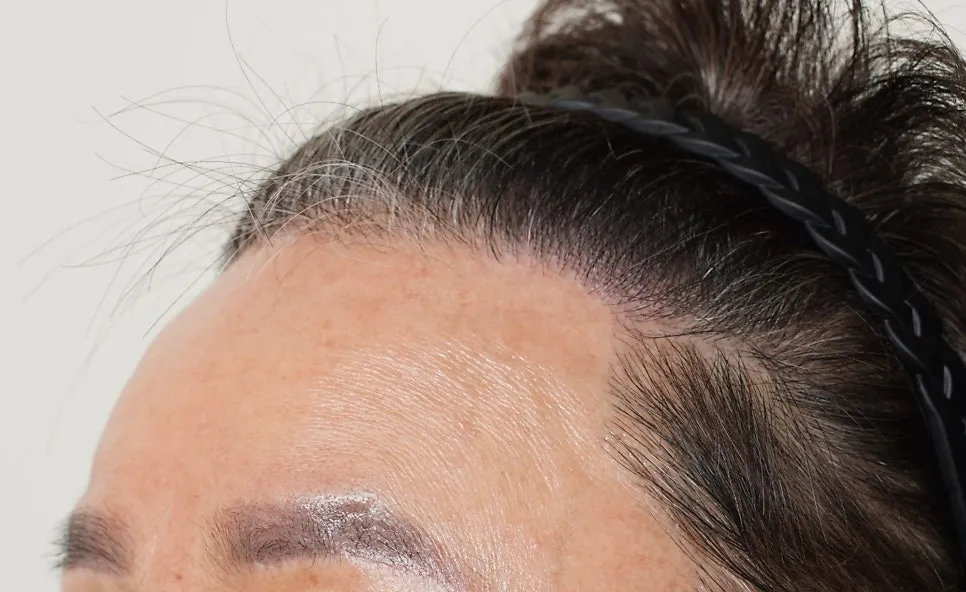
Not long ago, the patient came along with an acquaintance they had referred to us, and during the check-up they said the density in the center was a bit disappointing.
They were not dyeing their hair as they had before surgery, so I explained that this was probably because the proportion of gray hair had increased. When I checked with a magnifier, as I had expected, the density was not actually lacking; rather, the scalp was visible because there was more gray hair.
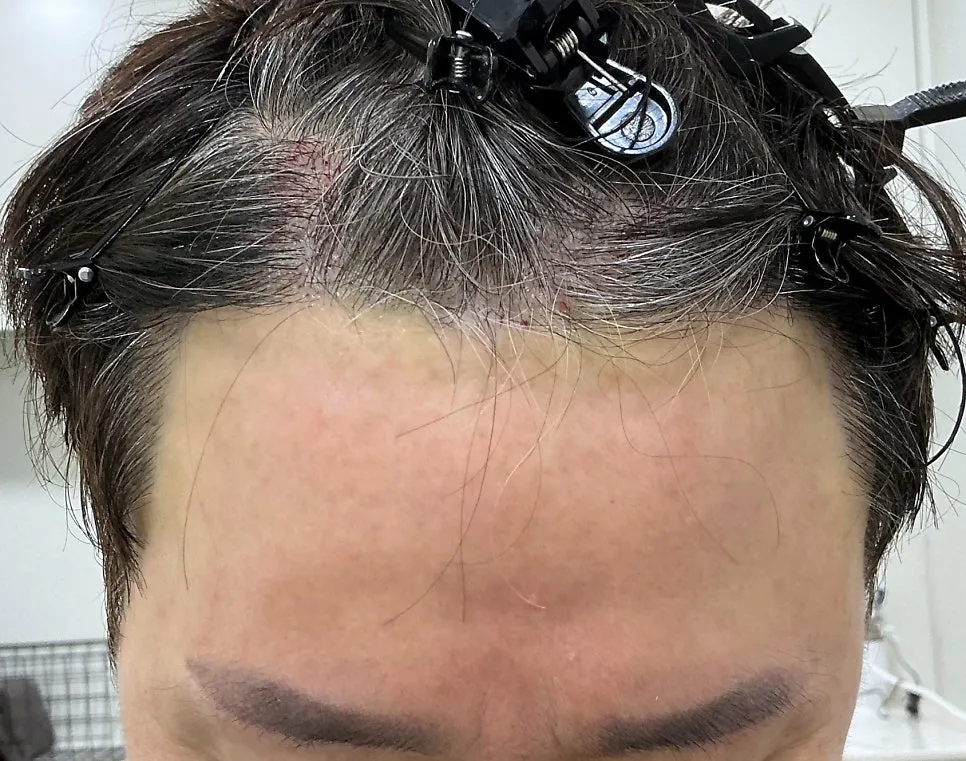
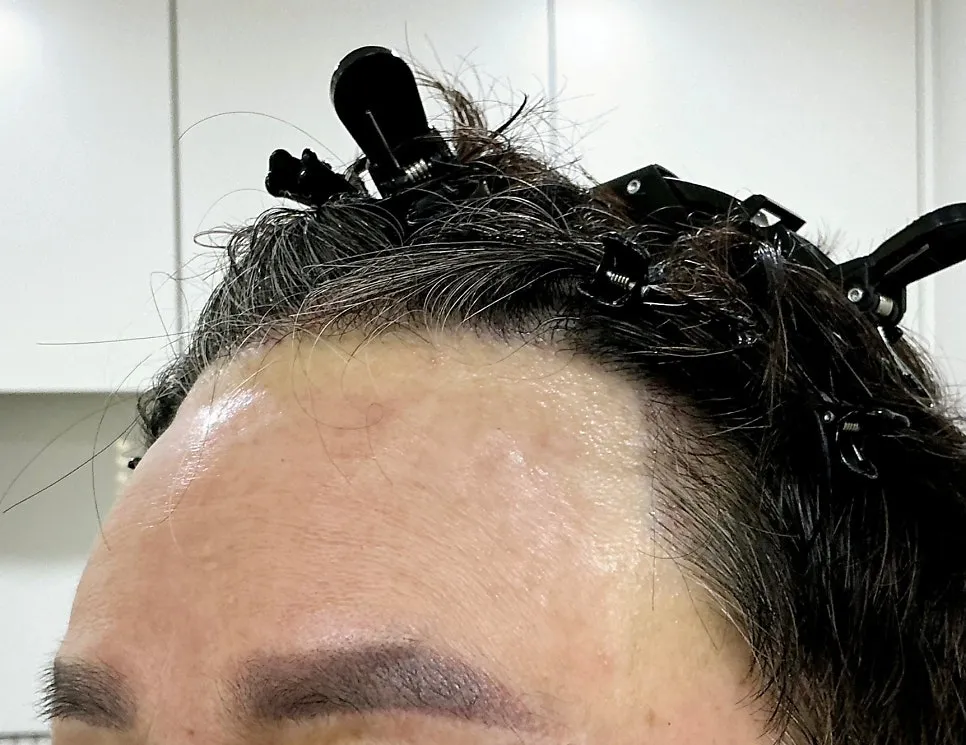
Through gradual reinforcement surgeries on the empty areas, I also planted in the center among the gray hairs, as far as space allowed. Since there was actually not much room to plant more, I explained that there are limits if you do not dye your hair even after surgery.
Case: Filling in a High Forehead and the Parting Area
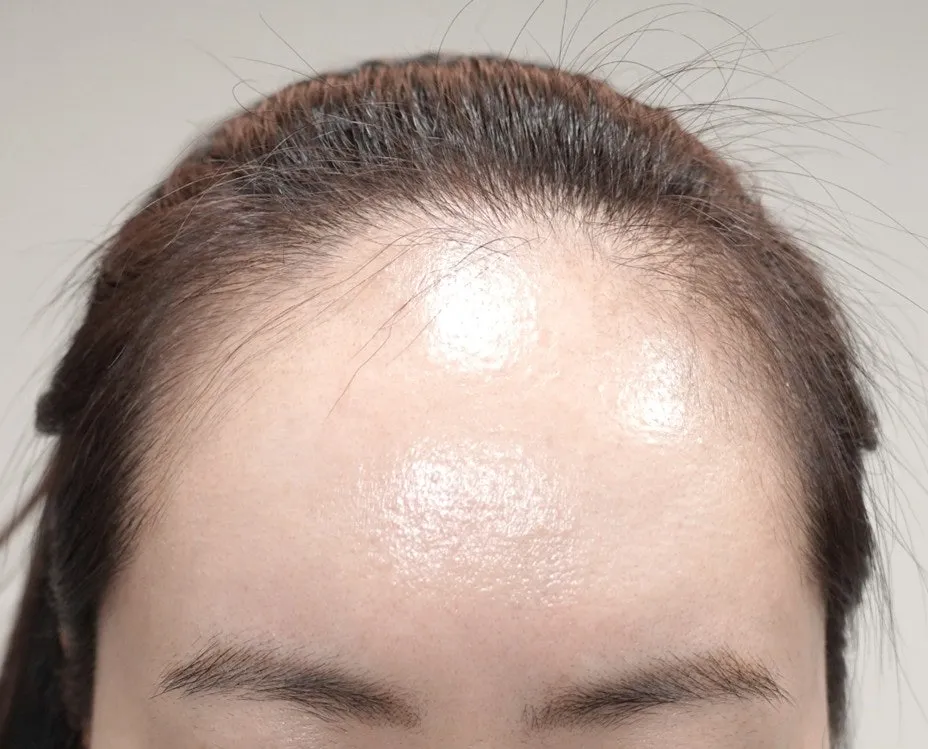
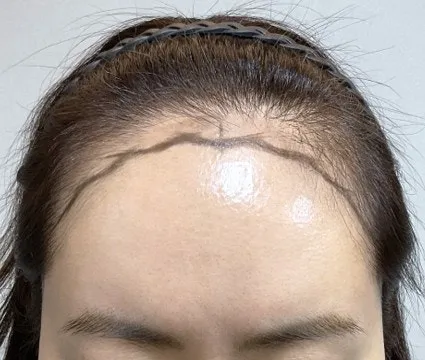
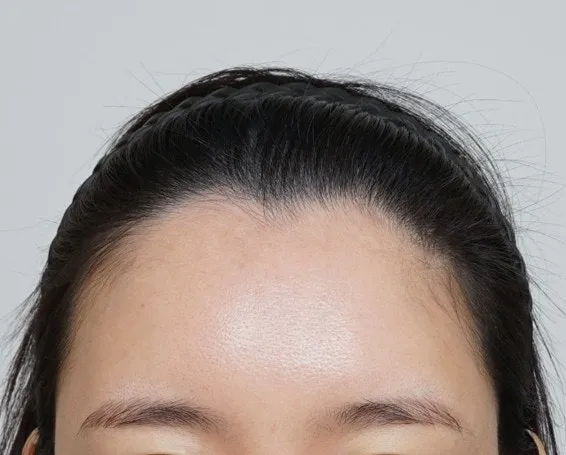
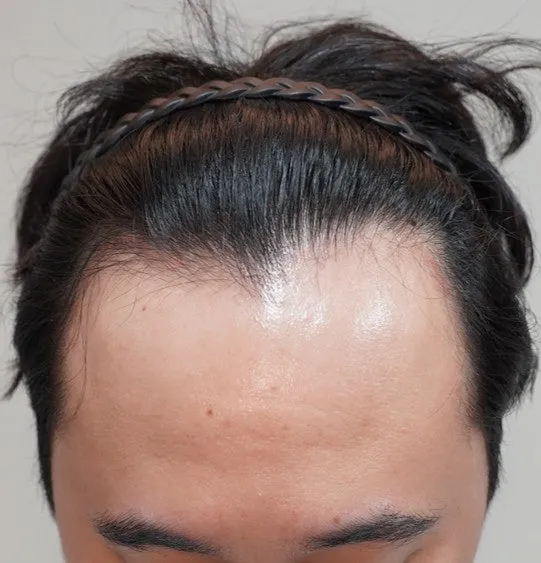
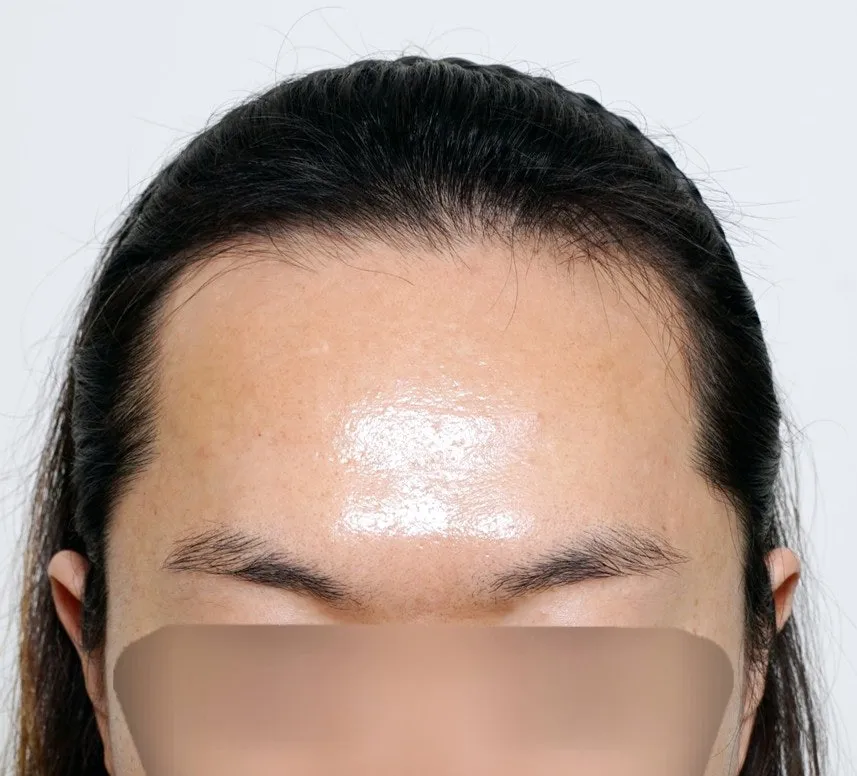
The patient above came in for a hair transplant out of concern about a high forehead. We decided to lower the height by about 1.5 cm while filling in the density of the parting area.
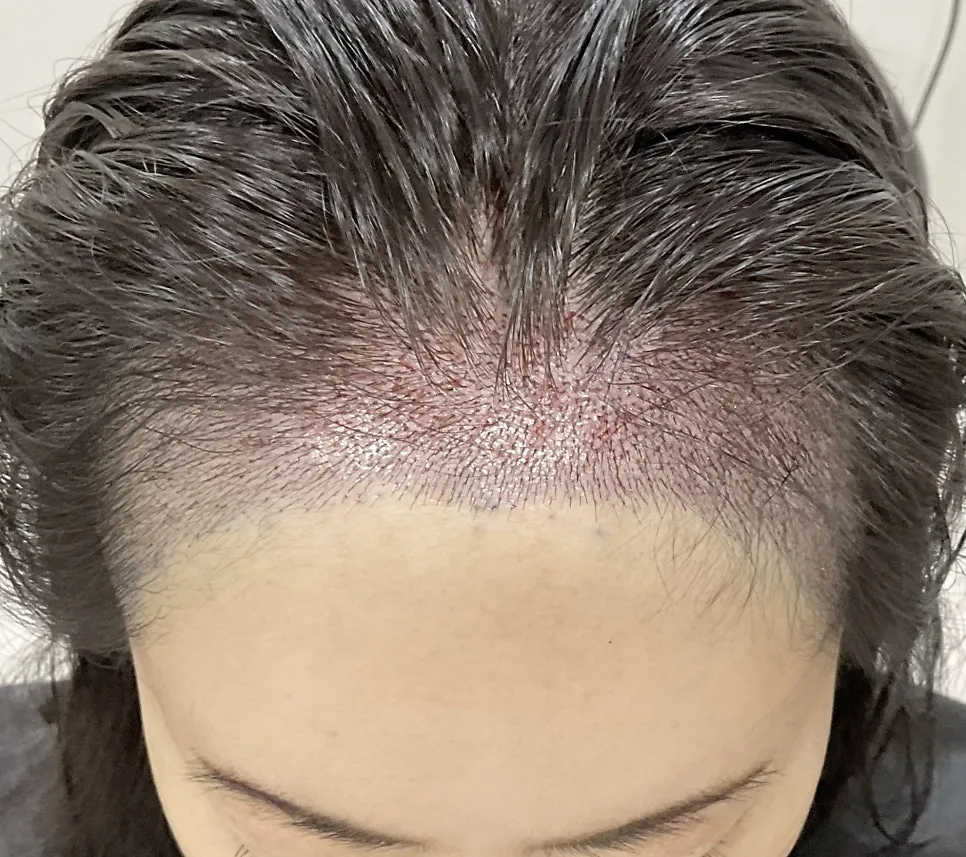
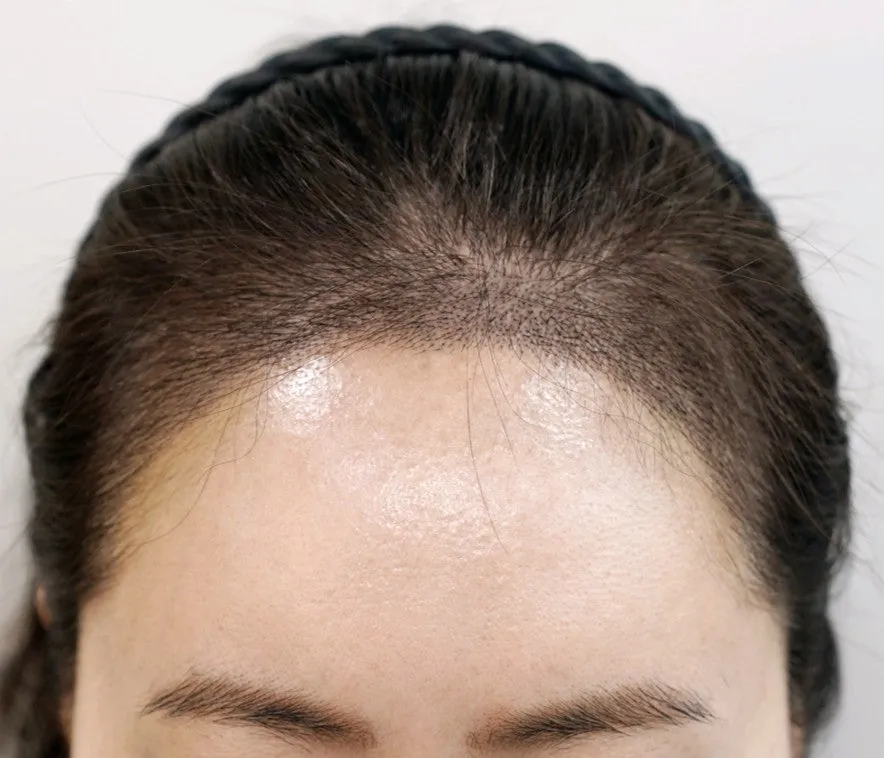
About 3,200 hairs were transplanted using the non-incisional method. Because the density at the parting area of the existing hairline was also low, I planted between the hairs near the boundary as well. In such cases, if density is not increased among the existing hairs, a boundary forms between the newly transplanted area and the existing hair, which can look unnatural.
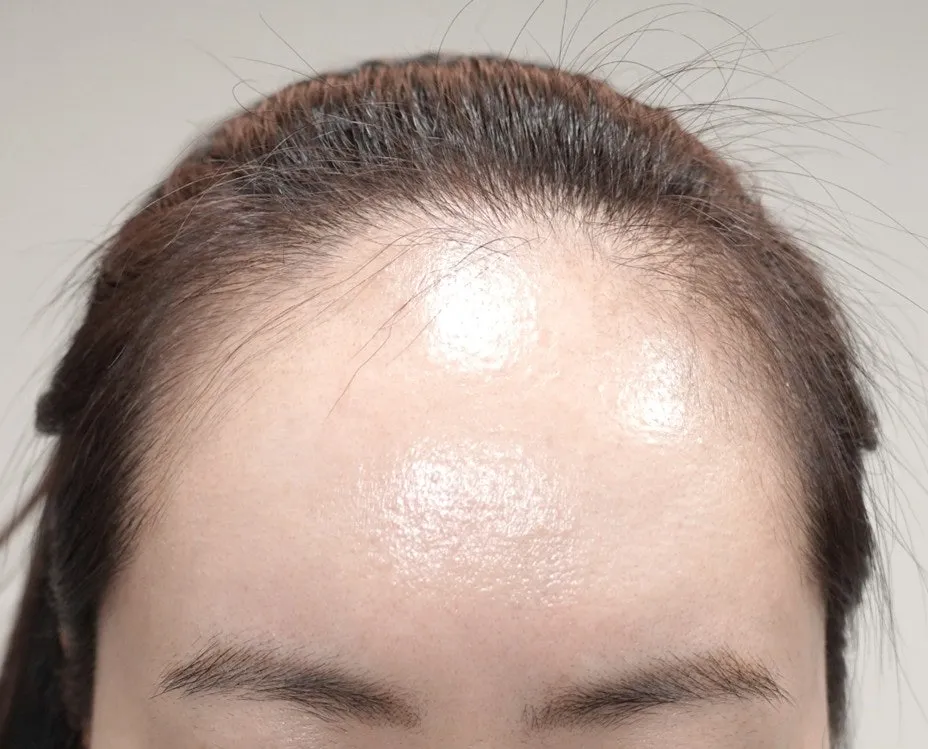
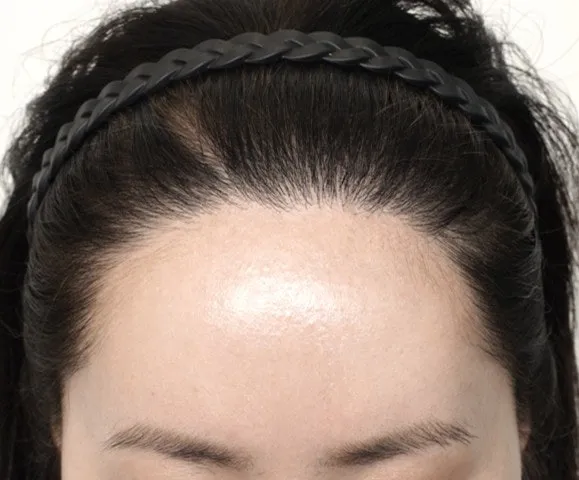
They came in to check their progress one year later. They said even hairdressers did not notice the transplant, and they were very satisfied and happy with the results. The one thing they found a bit disappointing was that the scalp at the parting was slightly visible in bright light, and once again the cause was gray hair.
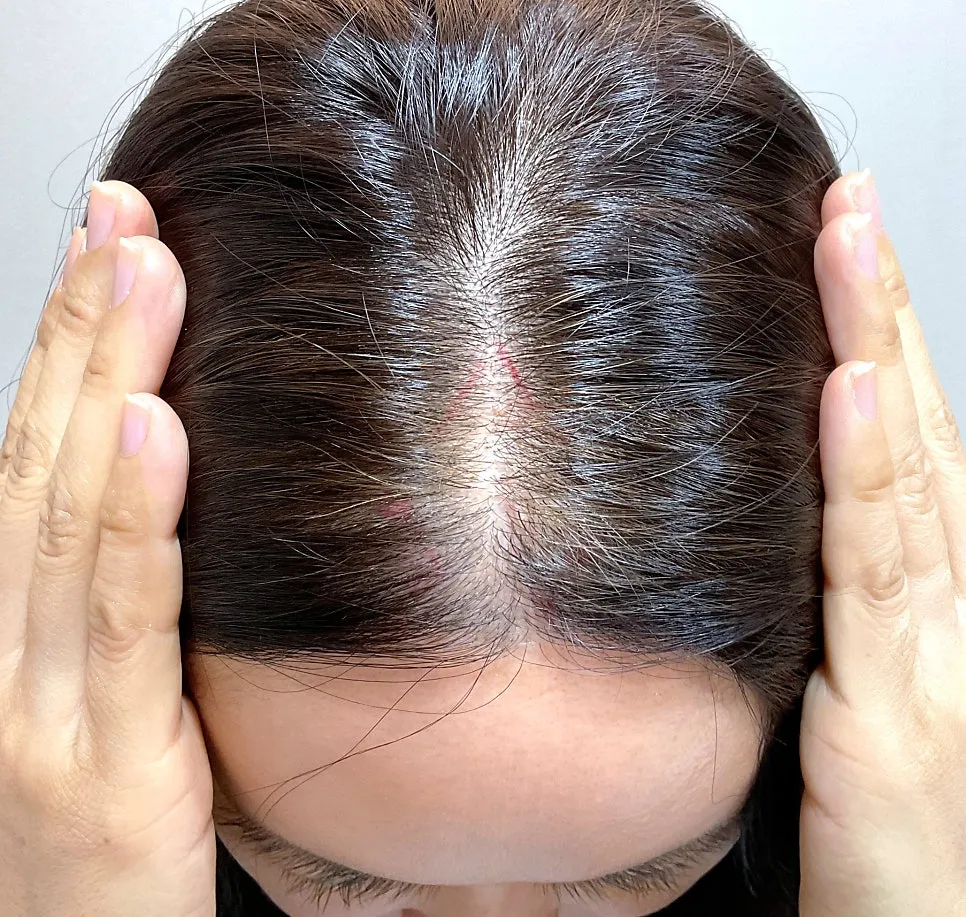
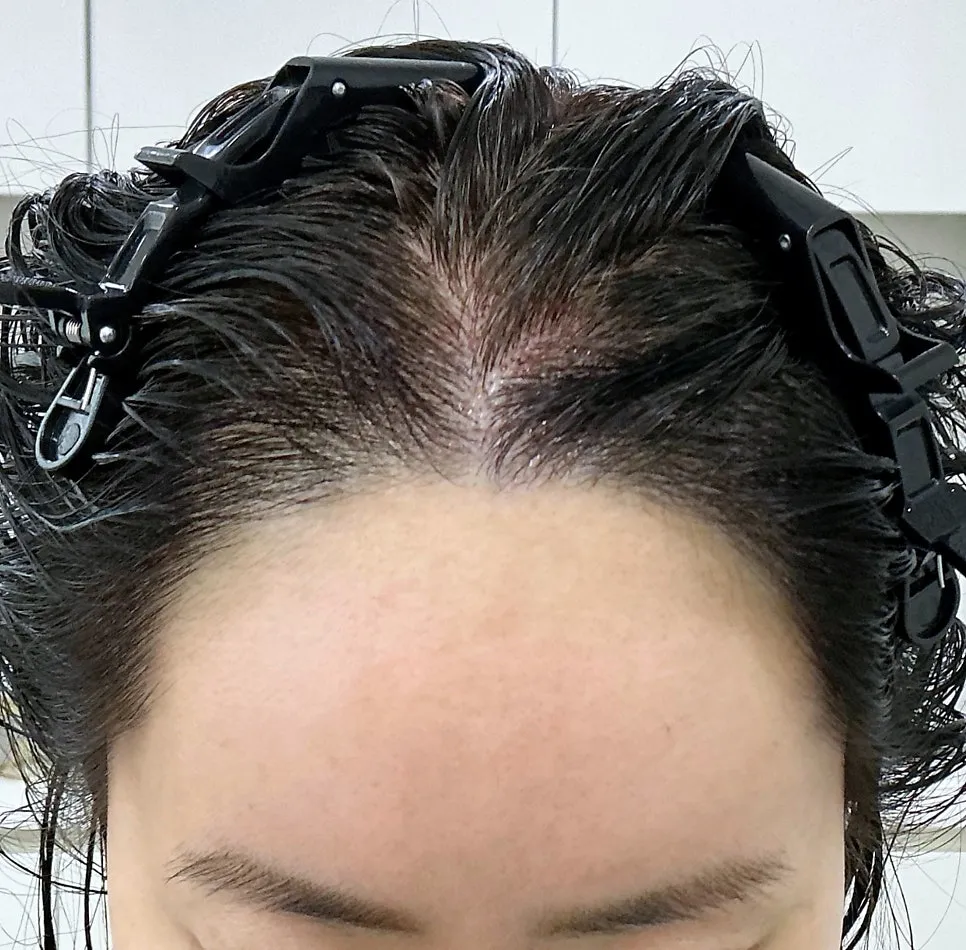
The parting area is naturally a spot where the scalp shows easily because hair grows in opposite directions to each side. When gray hairs are also present, the scalp becomes more visible and the density looks lower. After a hair transplant, thick, dark hairs appear in the transplanted area, which makes the contrast relatively more pronounced.
I explained the limitations due to the parting area and the gray hair, but since they wanted to fill in even slightly more, I transplanted to the extent that it could be done without difficulty between the gray hairs.
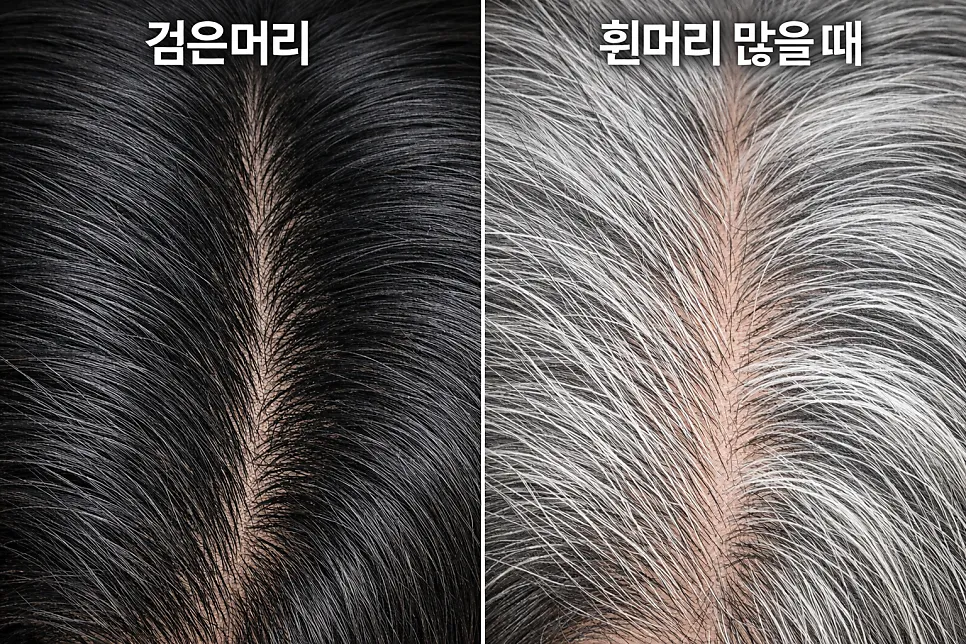
Why Density Can Look Lower When There Is Gray Hair
Gray hair is similar in color to the scalp. Because the color contrast is weak, the boundary between hair and scalp becomes blurred, and density appears lower.
Gray hair also reflects more light. Under indoor lighting or sunlight, the scalp appears more prominent. That is why many people look thinner in photos than they actually are.
There are various reasons why density may look insufficient after a hair transplant, and often it looks that way because the scalp is visible through gray hairs. There is still no way to reverse gray hair, so in such cases, dyeing your hair more often will likely help.
※ Side effects such as swelling, inflammation, bruising, pain, and bleeding may occur after hair transplantation. ※ All photos on this blog are used with the patient's consent.