By Dr. Park Sooho · 2025.05.25
Hairline Design: Many Choices
Many people come in for consultations because they are concerned about a wide forehead, and while designing for them, another concern arises. There are more choices to make: how much to lower the forehead height, how much to pull in the sides, and whether or not to create sideburns.
Finding the design that fits you is not easy. Sometimes lowering it more suits the proportions better, but if there are no wispy hairs and the hair is thick, the naturalness may drop considerably. In those cases, for the sake of naturalness, you need to give up a narrower forehead, or accept a slight awkwardness and give up styles such as slicked-back hair or a bun.
In the end, the key is to find the point where the ideal design the doctor has in mind meets the design the patient wants.
Between Two Designs
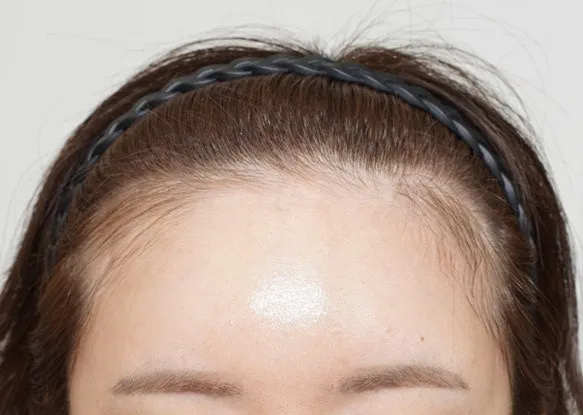
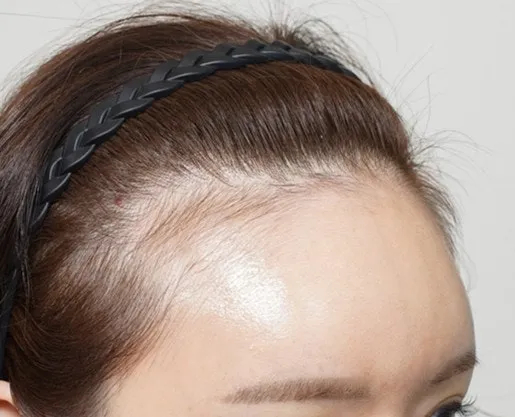
The patient above also came in because they were concerned about a wide forehead. They said their hairline seemed to be getting wider, but in fact, women rarely see their hairline recede even when hair loss progresses, so it is much more likely that the wispy hairs along the hairline have thinned, making the forehead look wider.
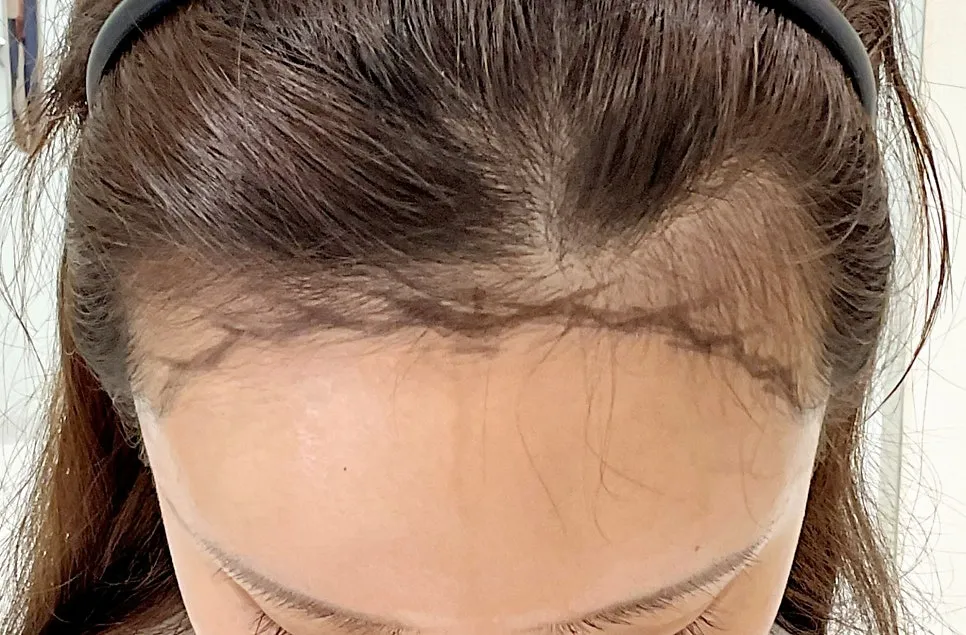
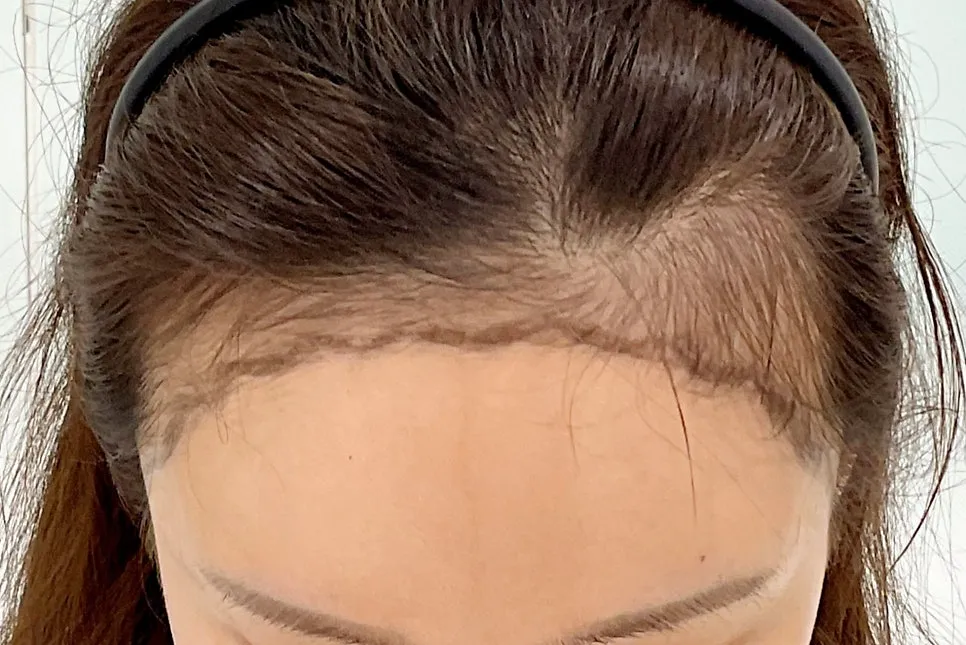
Since they had no particular design in mind, I first drew a line based on where the wispy hairs begin (the left design in the photo above). However, they said it seemed a bit disappointing, so I lowered the line slightly and drew it again (the right design).
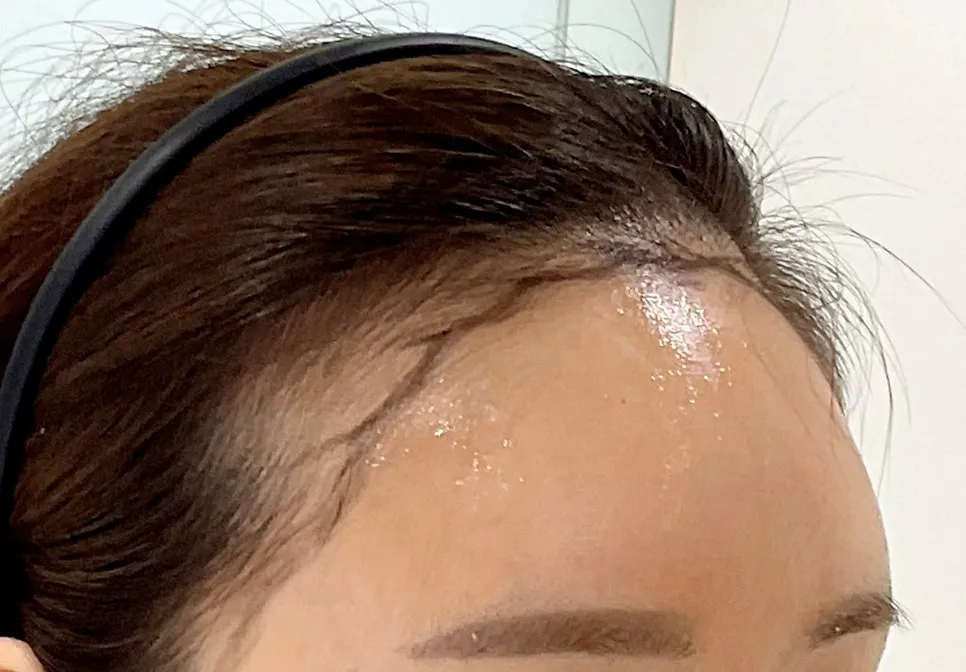
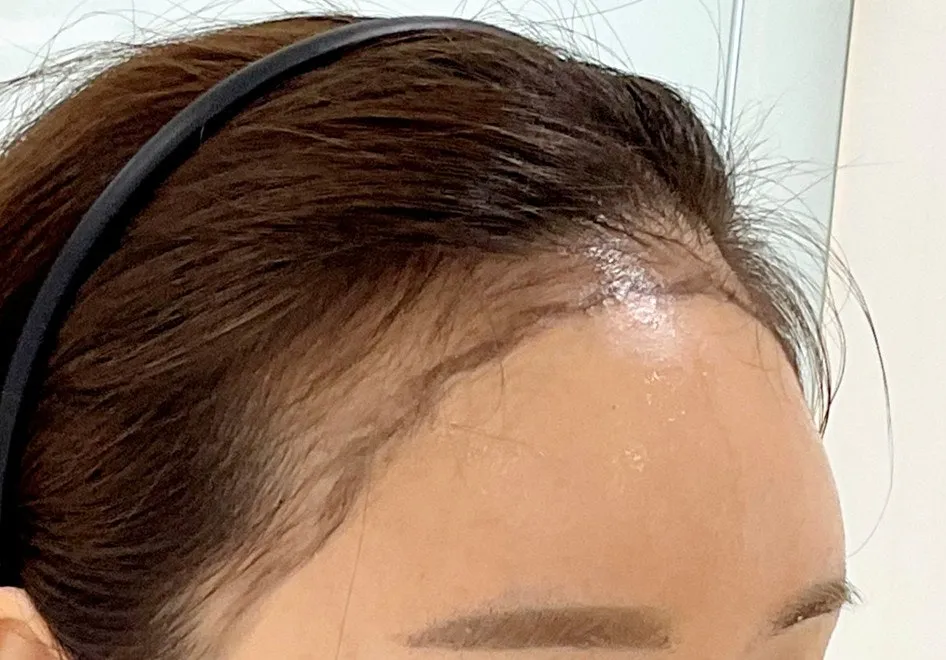
From the front, the right design with the line lowered slightly suited the patient's small face better, and from the side, it seemed to improve the sloping forehead more. The patient also said they liked the second design better, so they scheduled the surgery on that basis and went home.
However, on the day before surgery, they wanted to consult again because they were unsure about the design. After I showed the two designs and explained their pros and cons, they decided to go ahead with the surgery as originally planned and went home.
Incisional Method Instead of Non-Incisional: 3,700 Hairs
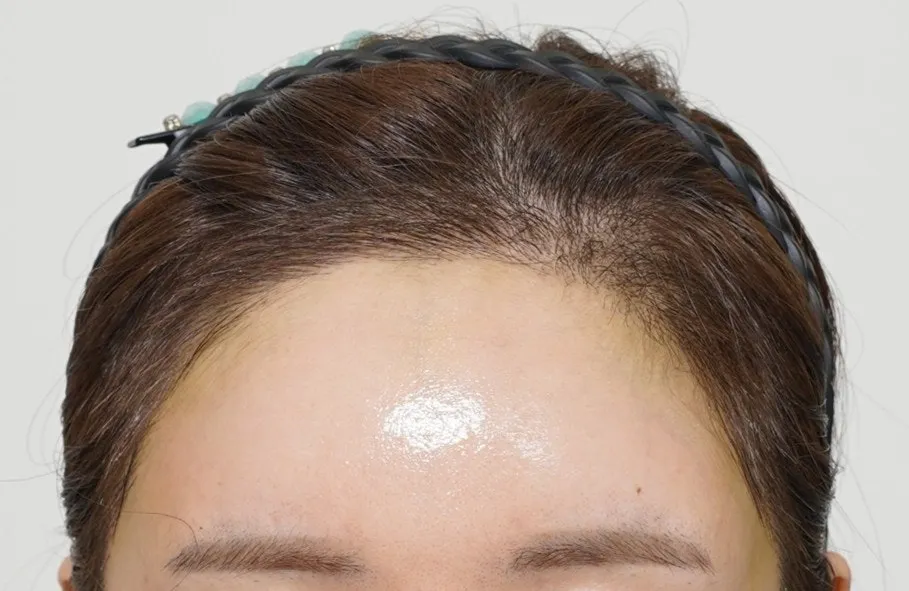
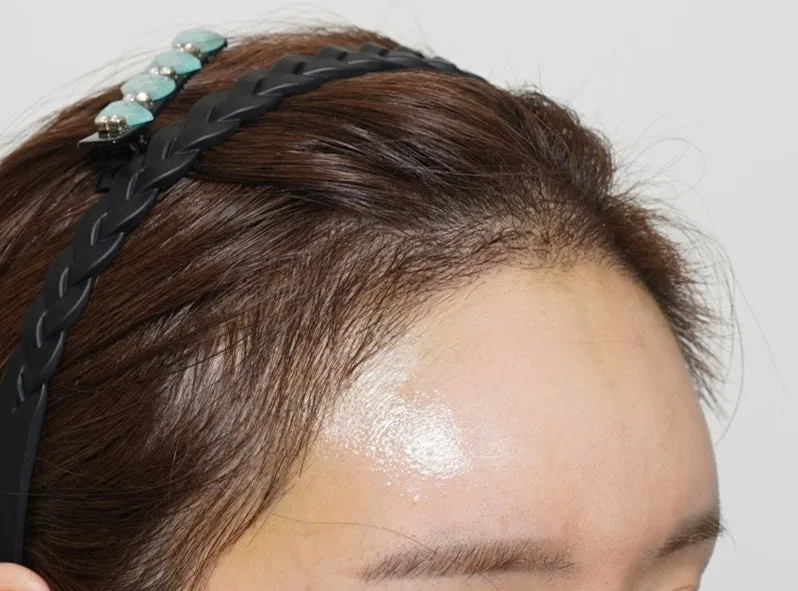
The procedure was the incisional method, with about 3,700 hairs transplanted. They had originally come in thinking about the non-incisional method because they were worried about pain, but during the consultation it came out that they had little hair and had been wearing hair extensions to add volume at the back of the head. For women with small head shapes, getting 3,700 hairs with the non-incisional method requires harvesting almost right below the crown whorl, so for people who had little hair to begin with, the volume at the upper back of the head would noticeably decrease.
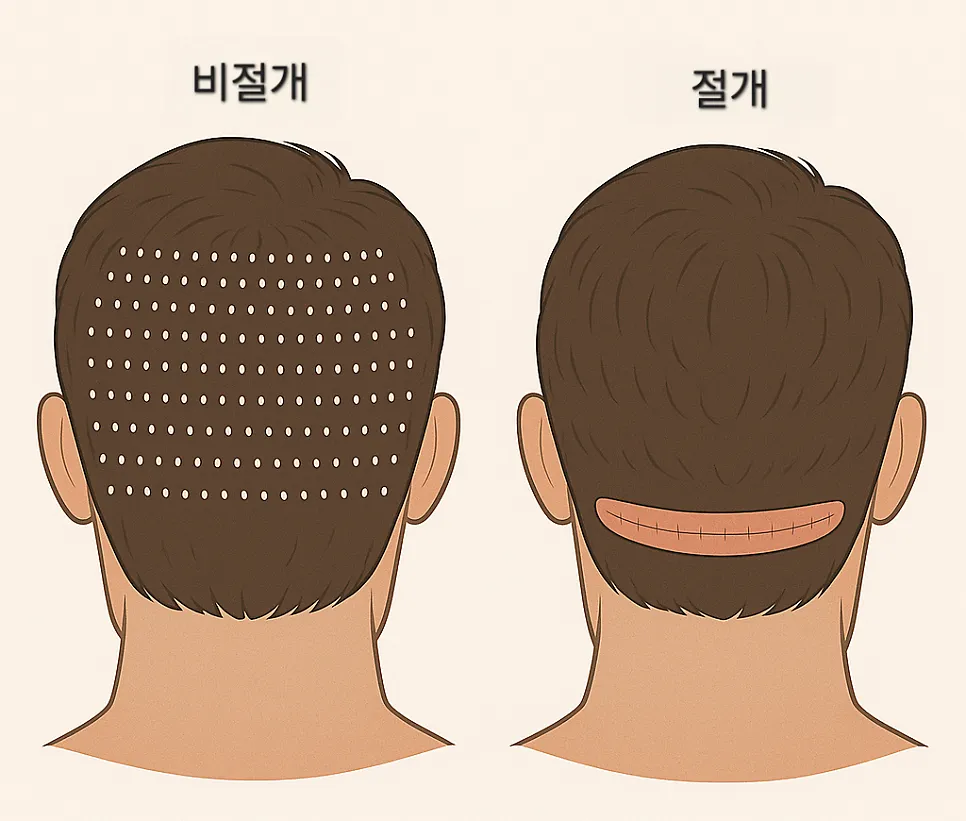
On the other hand, with the incisional method, harvesting can be done only from the lower back of the head, so even people with little hair or a flat back of the head have much less worry about losing volume.
Day 10, Compared With Before Surgery
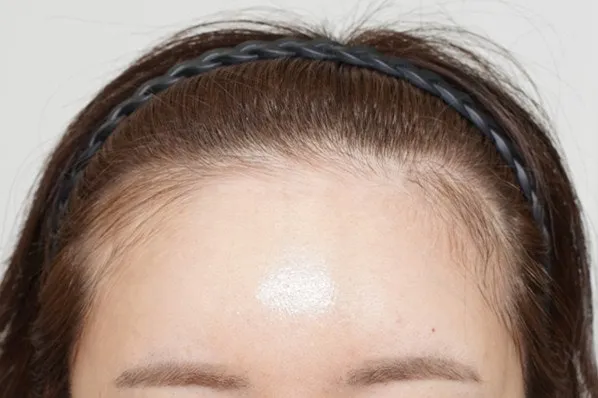
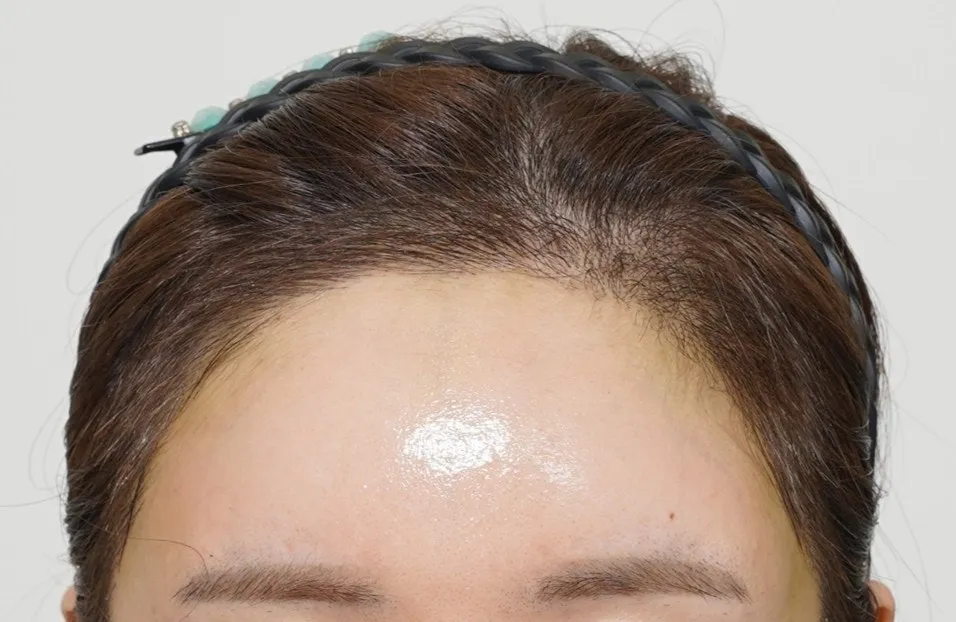
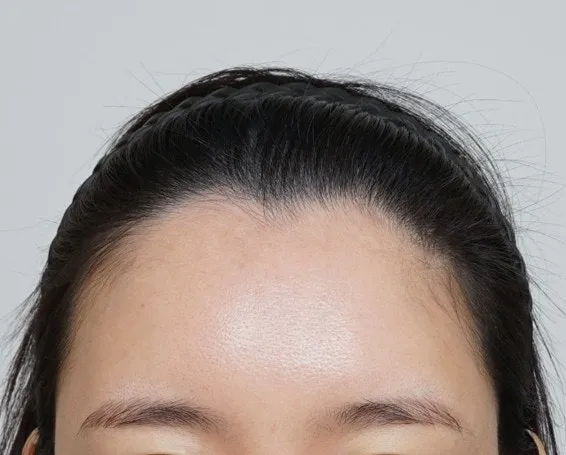
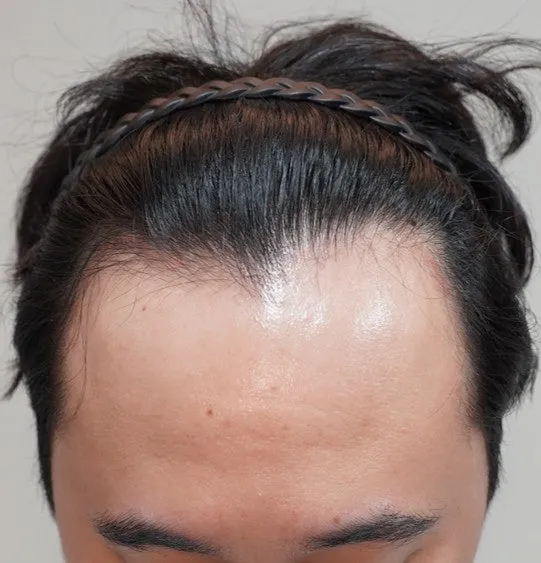
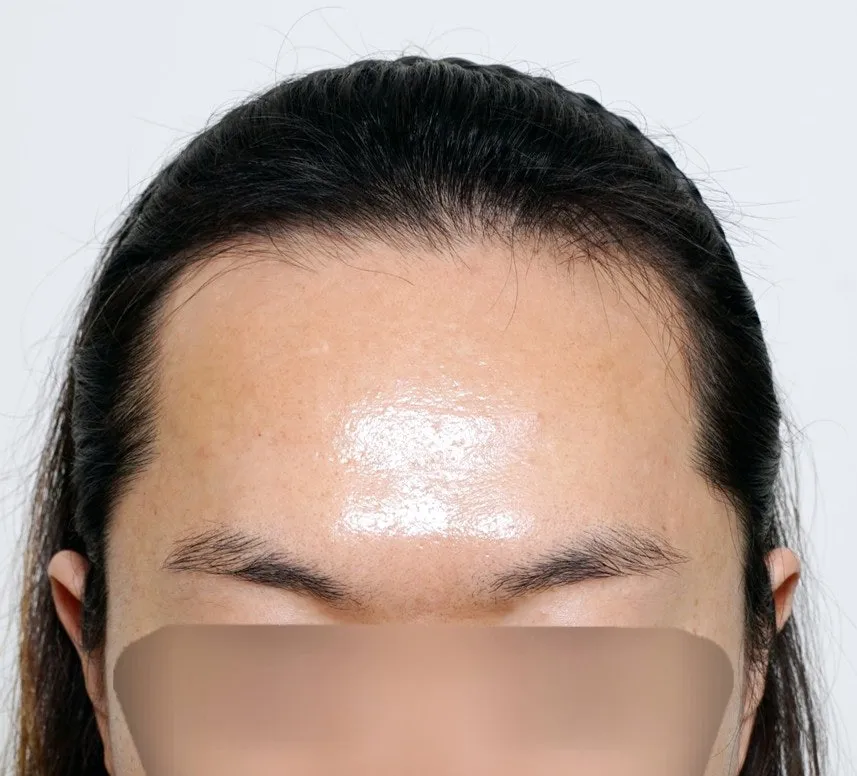
We compared photos from before surgery with photos from the visit for suture removal. It has only been 10 days, so we need to watch for another year, but considering the overall facial proportions, I feel it was good that we did not go too conservative and lowered it a bit more. The patient was also glad they did it that way. They said the pain around the incision, which they had been worried about, was almost nonexistent.
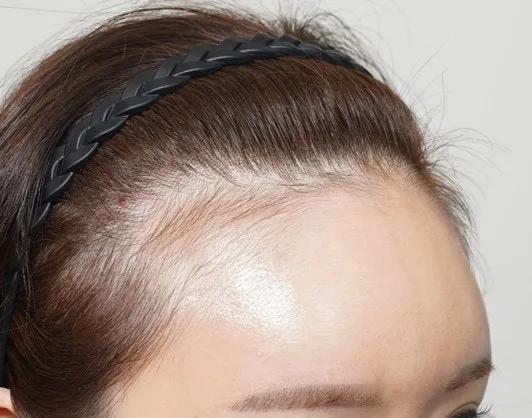
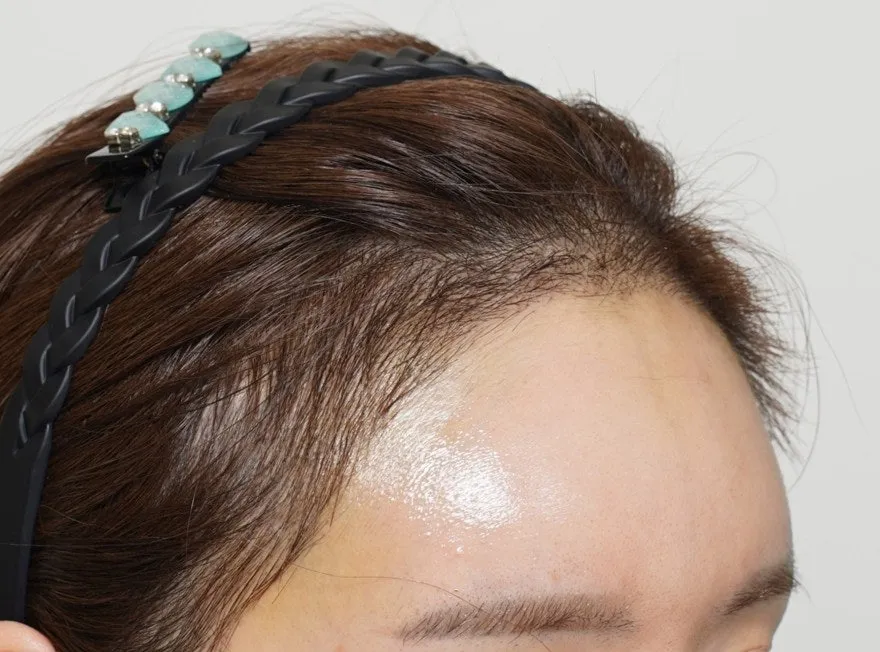
※ After a hair transplant, side effects such as pain, infection, swelling, bruising and bleeding may occur. In this patient's case, there was some bruising around the transplanted area. All photos were taken and used with the patient's consent.