By Dr. Park Sooho · 2024.11.10
One-Year Follow-Up of Crown Hair Transplant
Earlier, I told you about the KakaoTalk photos sent by a patient who had a hair transplant for crown hair loss. That patient has now come in for the one-year follow-up after the crown hair transplant.
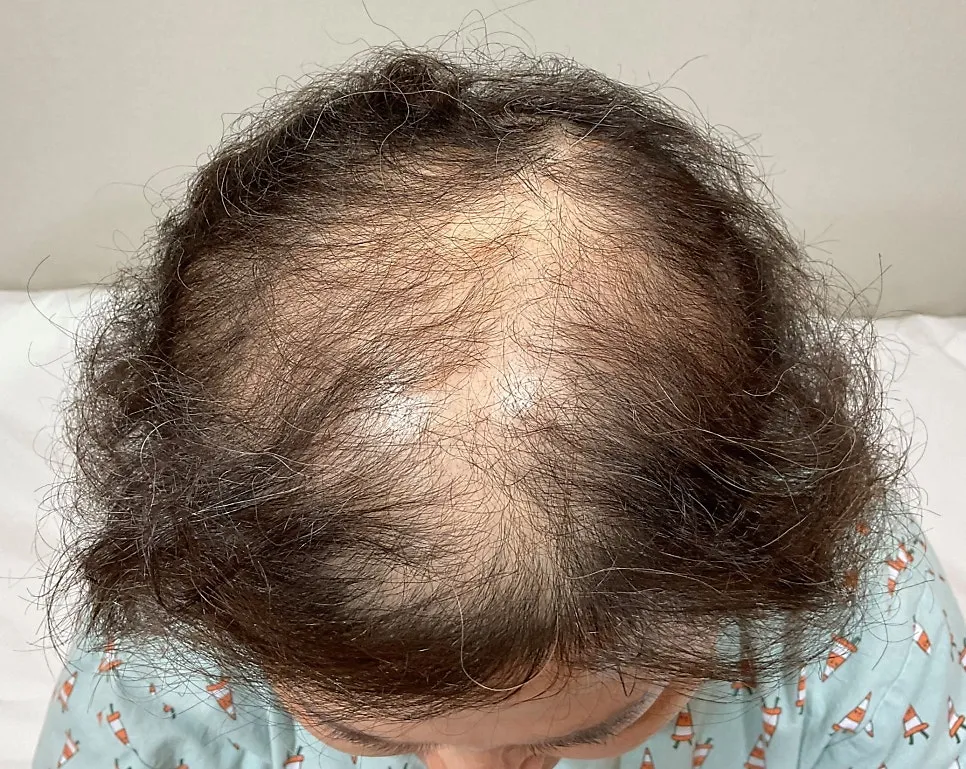
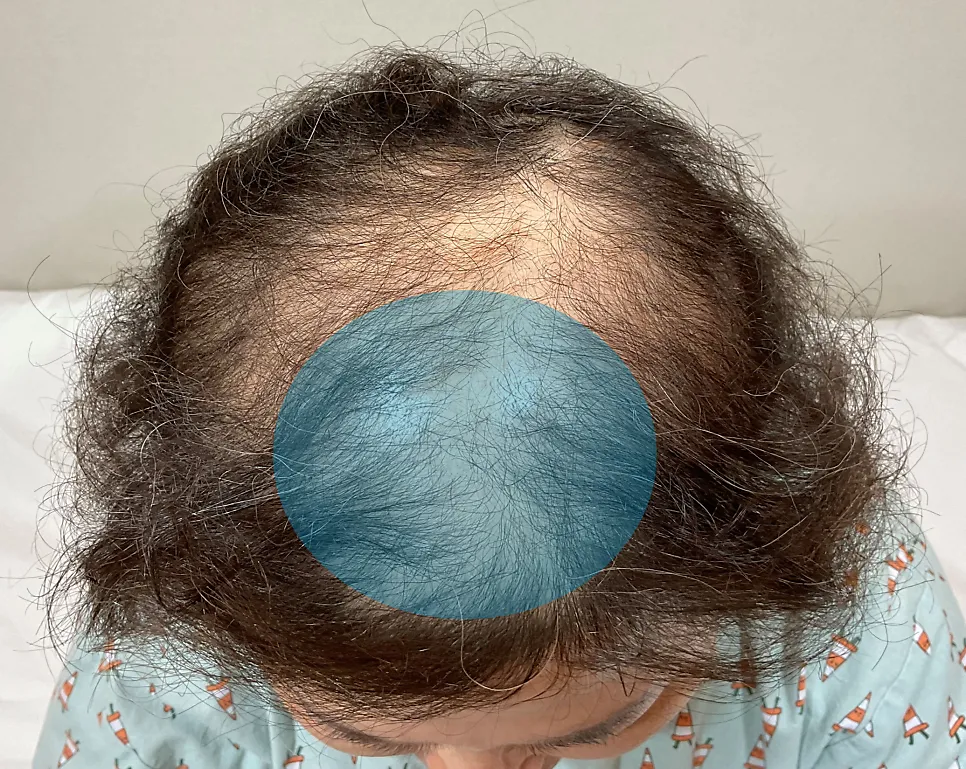
The crown hair loss was extensive, so the patient had been wearing a wig. Since it was difficult to transplant the entire area at once, we decided to first transplant mainly the frontal area, which is the most visible and important (the area marked in the photo on the right). The harvesting method was decided to be the incisional method.
This is because female crown hair loss often spreads across the whole area, including the hair at the back of the head, so if non-incisional harvesting were done first, the scalp at the back would show through, which could make the second and third surgeries difficult. Fortunately, the scalp elasticity was good, so more than 3,000 hairs could be harvested using the incisional method.
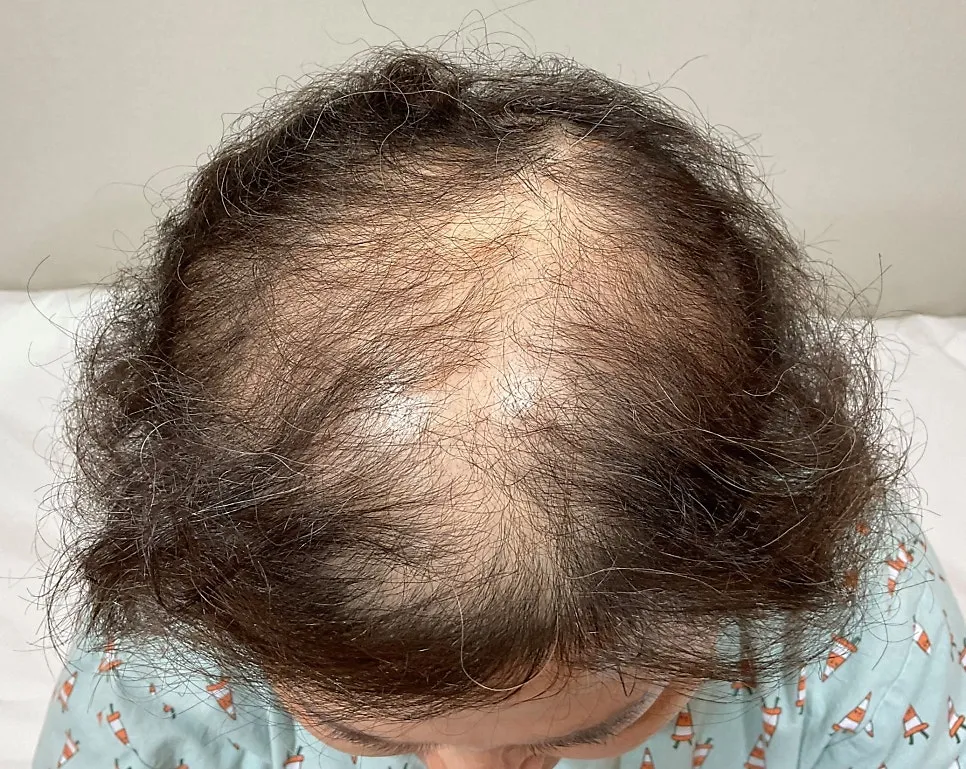
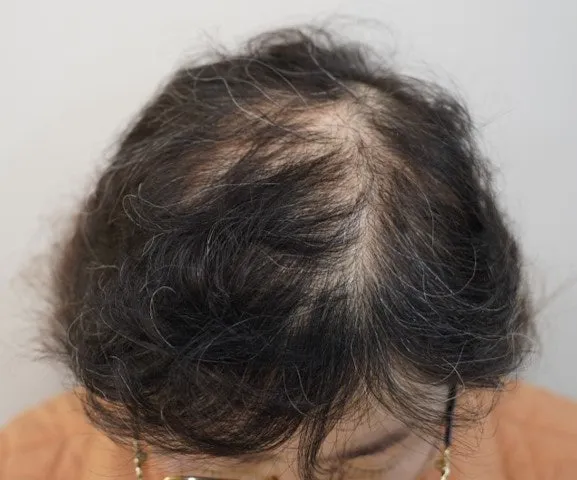
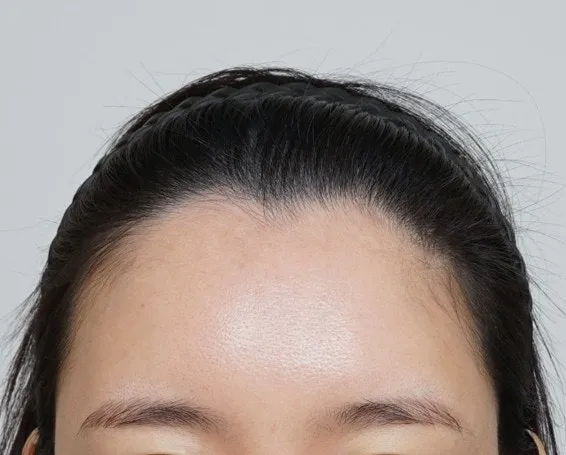
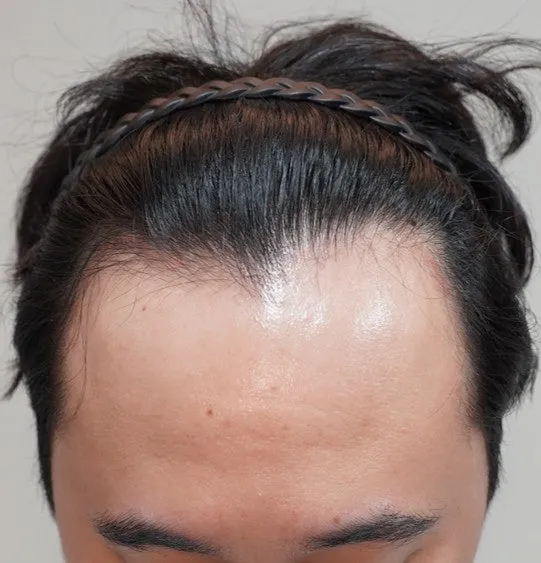
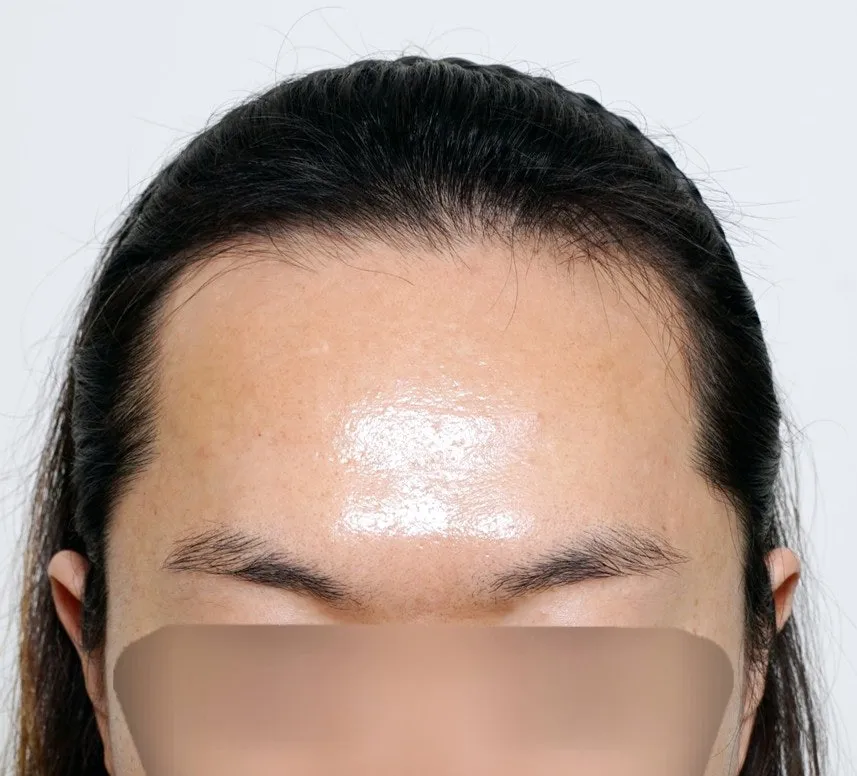
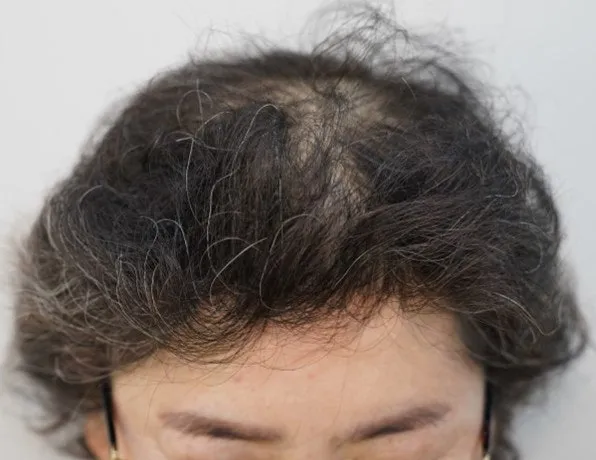
The transplanted area, grown full
The transplanted area grew well and became full, and the untransplanted back area also improved quite a lot because the patient took minoxidil diligently. Before coming to our clinic, the patient had visited another clinic and had been discouraged after being told that, because the hair loss was severe, they would not be able to stop wearing a wig even after a hair transplant, so they were truly delighted with how much they improved after the hair transplant.
Out of gratitude, the patient volunteered to be a BANAL model and also gave an interview, which made us even more thankful.
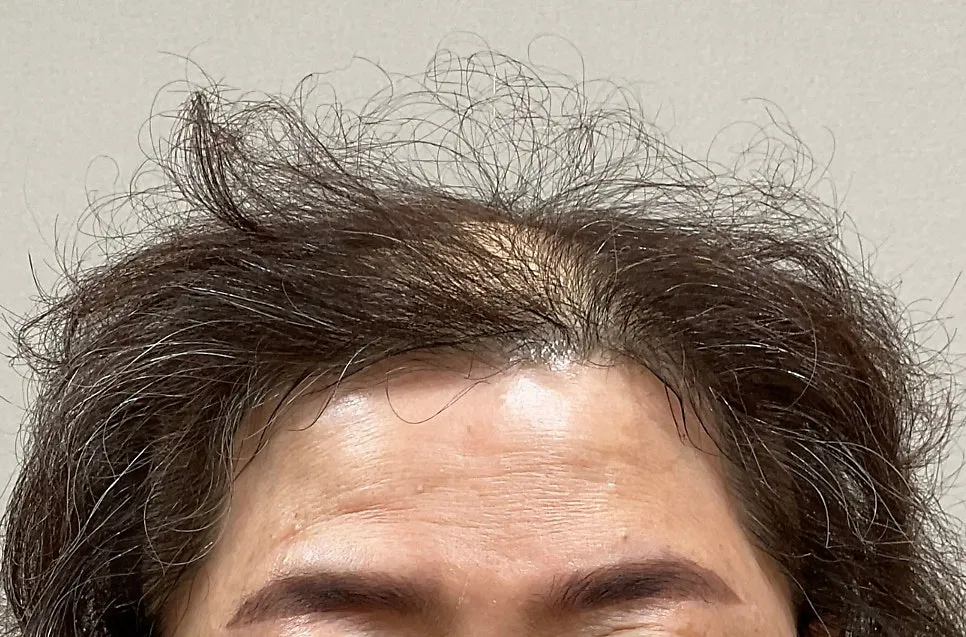
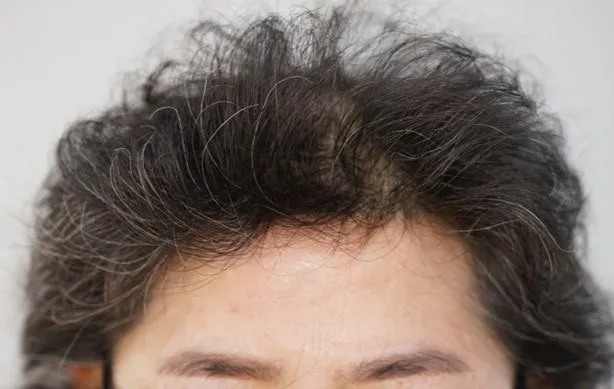
From the front, it looks nearly perfect. At this level, I thought the wig could be taken off, but the patient said they still use a wig for important occasions. Even so, they said their everyday life has become much more comfortable, and they are happy about that.
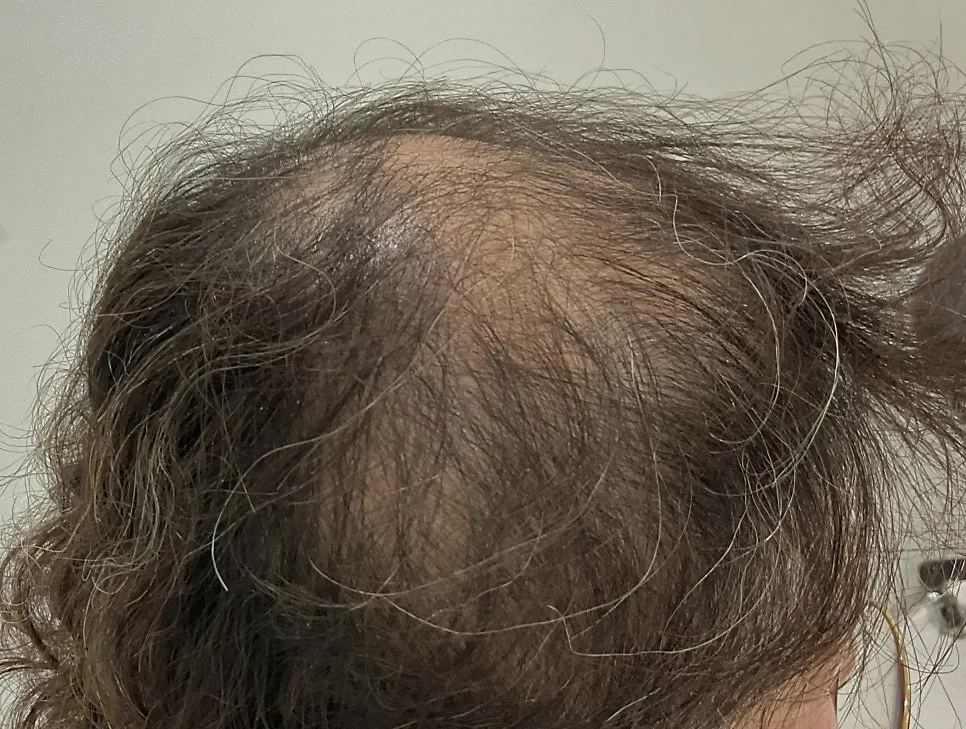
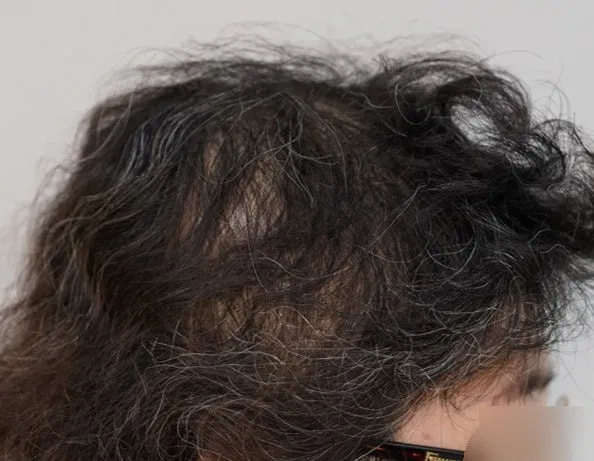
Plan for the Second Hair Transplant
The reason the patient still sometimes wears a wig is the side area that used to show through. Compared with before, it is much more covered, but the patient said that area still bothers them a little. This time, it seemed about 2,000~2,500 hairs could be harvested using the incisional method, so we decided to set the range of the second hair transplant by taking into account the areas of concern.
We decided to think it over together until the day of surgery, and then decide, whether it would be better to transplant the back of the crown first and grow the hair out to cover the sides, or to transplant the sides first and style the hair back and tie it in a slicked-back look.
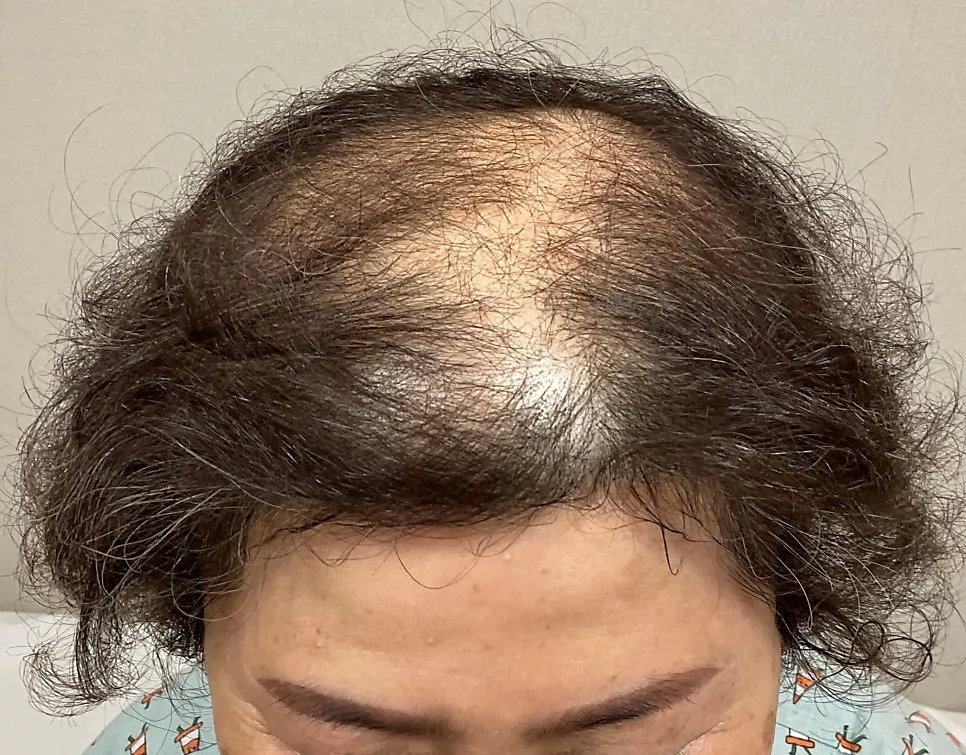
Either way, I will plant in the best possible direction, and if it still falls short, non-incisional harvesting remains as an option, so I believe that any shortfall can also be covered. That is why, for crown hair loss, the order of incisional and non-incisional procedures is also important when planning a hair transplant.
I will do my best for the second hair transplant next week.