By Dr. Shin Seungkyu · 2023.11.15
Men Who Are Showing Growing Interest in Forehead Reduction
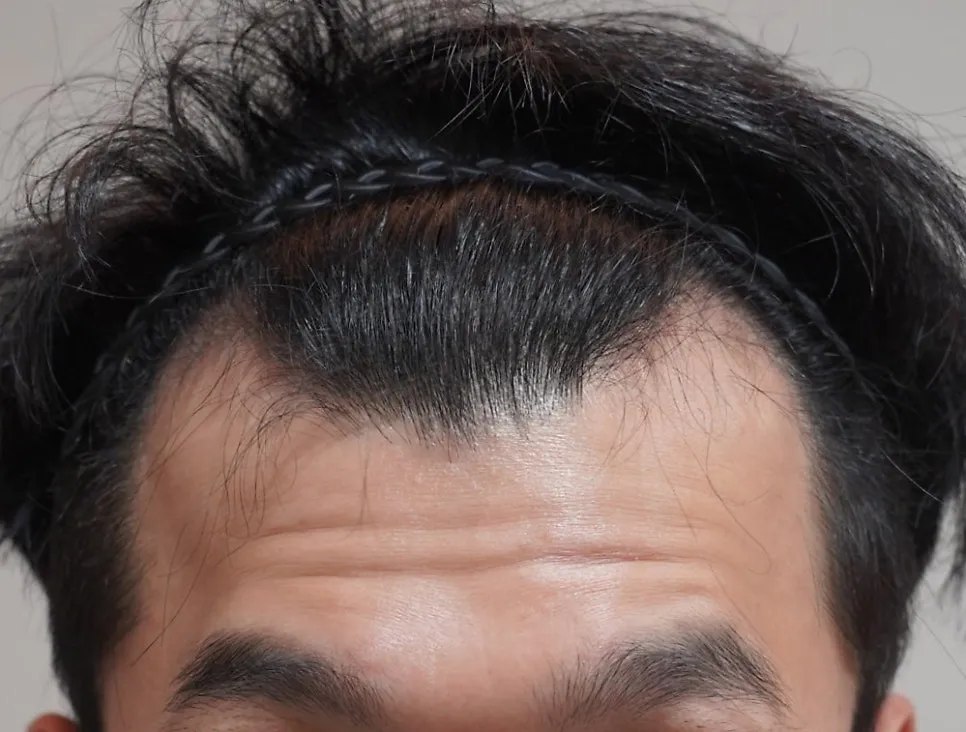
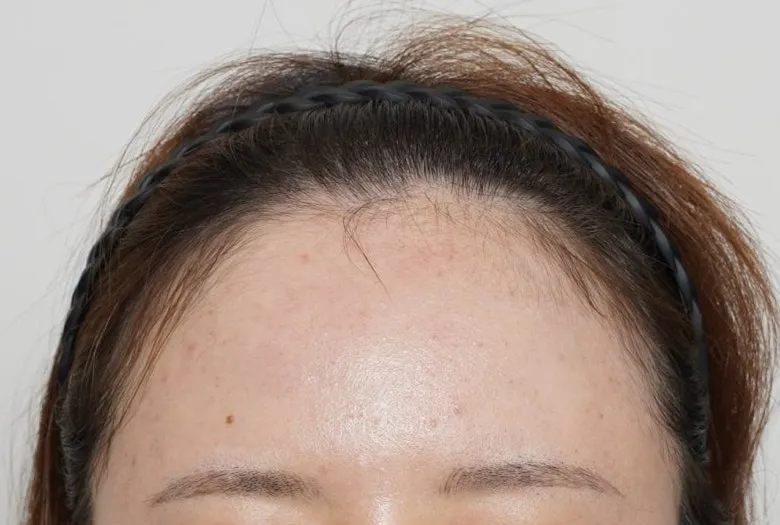
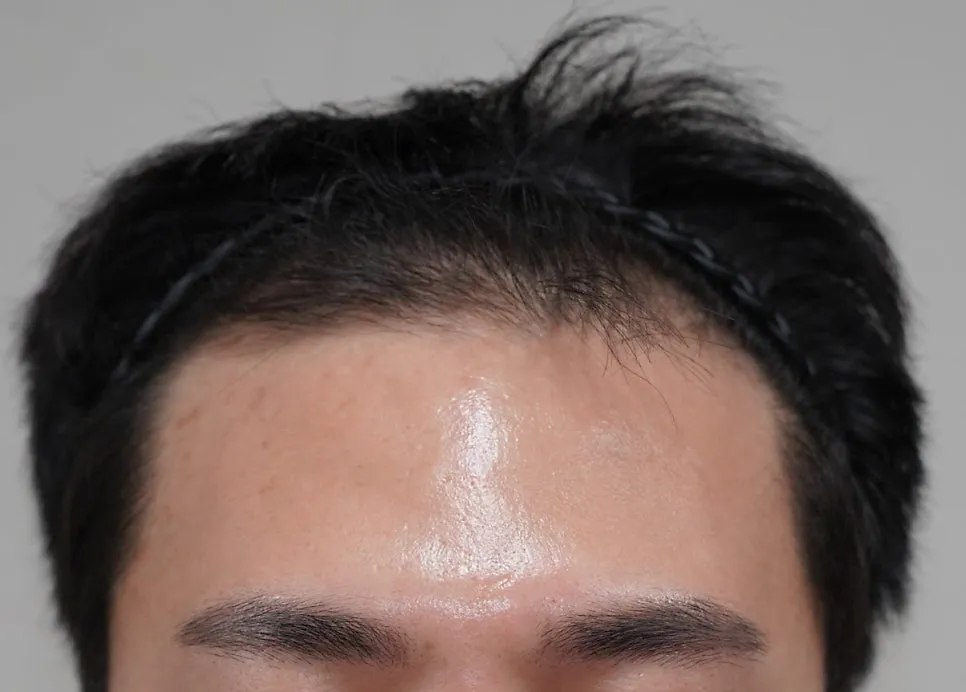
For men, we often fill in a deep M-shaped area or transplant hair into the front and crown areas with hair loss. For forehead height, we often lower it slightly while filling the M-shape, which seems to be because many men were not very concerned about the height itself. Recently, however, more men seem to prefer a small face and a narrow forehead, and perhaps for that reason, interest in forehead reduction also seems to be growing.
The advantage of forehead reduction is that it does not use the back of the head, so the existing amount of hair can be maintained. Even in men, hair cannot be harvested from the back of the head without limit, so more and more people choose forehead reduction to keep their hair density at the back of the head when lowering a high forehead or filling a broad forehead requires a large amount of hair.
Even so, one thing to keep in mind is that people with hair loss need to keep taking hair loss medication consistently to undergo forehead reduction. Also, men's scalp is somewhat firmer than women's, so the amount of height that can be reduced should be decided more conservatively.
Progress 6 Months After Surgery
So I'd like to introduce a man who recently had forehead reduction at Mojerim Plastic Surgery and came to Banal Plastic Surgery for a follow-up check. He visited us about 6 months after surgery, and first I'll show you the photos taken at Mojerim Plastic Surgery. (He also kindly agreed to let us publish his photos. Thank you.)
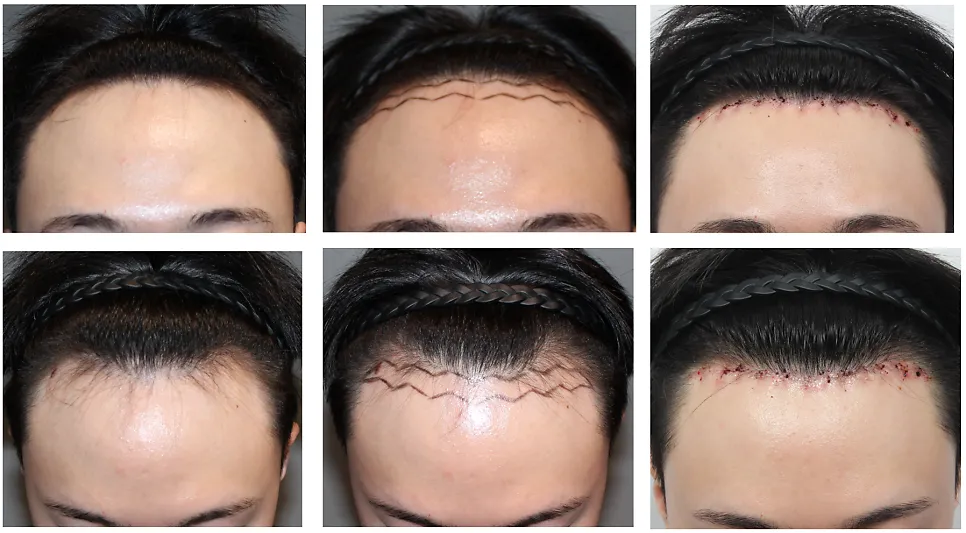
The top row shows the front view, and the bottom row shows the head lowered. From left: before surgery, the pre-surgery design, and 7 days after surgery before the stitches were removed. About 1.5cm of height was lowered, and about one month after surgery, roughly three spots of alopecia areata the size of grains of rice appeared on the right side near the crown. We suggested observing a little longer, and he came to our clinic about 6 months after surgery.
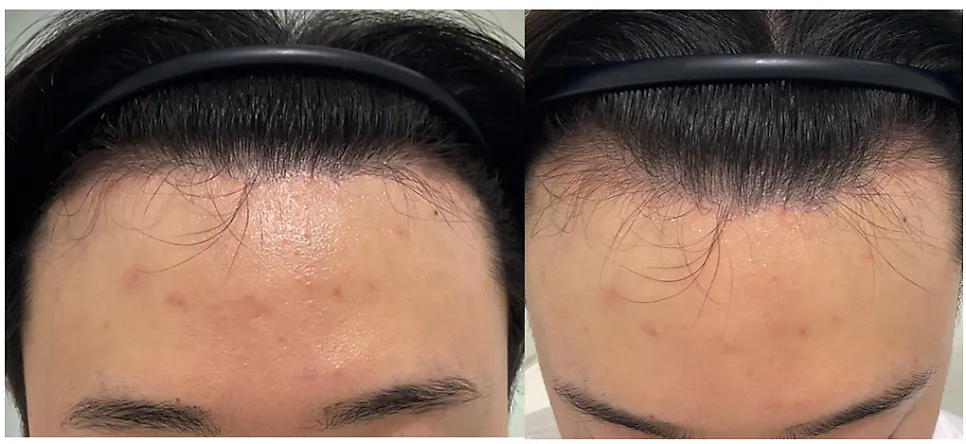
These are the front view and the head-lowered view at 6 months after surgery.
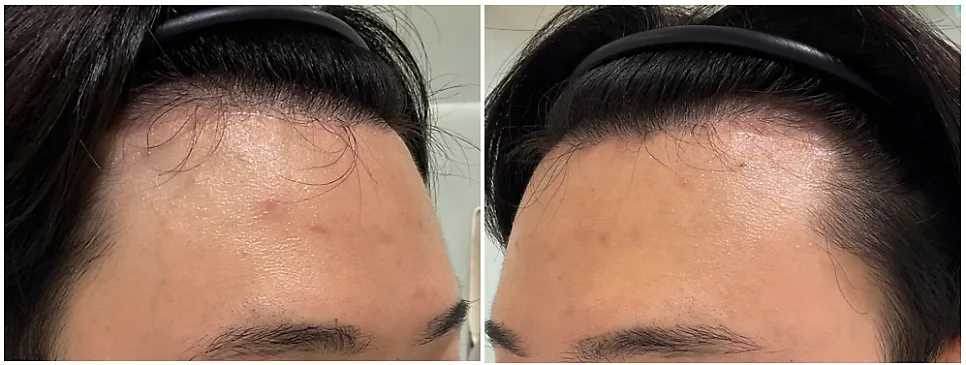
These are the left and right side views after surgery. The scar at 6 months looks good, and it will definitely fade further over time. The patient was also satisfied, and I told him that using scar ointment and scar massage for about 6 months from now would make it even better. The small areas of alopecia areata that appeared about one month after surgery already have a lot of hair growing back, and at the one-year check, we agreed to fill with hair transplant any areas that have not grown back enough.
The Doctor and Hospital That Can Address Scars and Hair Loss
Forehead reduction surgery can, in very rare cases, lead to noticeable scars or hair loss problems in some form. However, I don't think many clinics can directly solve these problems. A noticeable scar can be further covered with a hair transplant. As for hair loss, in cases of telogen hair loss, most hair grows back, but where follicles have been damaged, hair may not grow back even after some time, and in those cases a hair transplant is needed.
For forehead reduction, I think it is important to plan how much height to lower, and the surgeon's experience and ability matter too, in lowering the height as much as desired as safely as possible and creating an inconspicuous scar. I also think it is important to choose a doctor and clinic that can address everything related to hair loss and scarring that may occur after surgery. I hope this helps your decision.
※ Side effects such as swelling, bleeding and inflammation may occur after forehead reduction surgery.