By Dr. Shin Seungkyu · 2026.05.13
Non-Incision and Incision: Both Are Good Methods
Following our previous blog post, I would like to explain the incision method once more. It is commonly believed that non-incisional is the newer and therefore better method, and that the incision method is older. That is why many people seem to think choosing non-incisional is more appropriate.
However, both are good methods, and you can choose according to your situation. For the criteria, you may find it helpful to read the recent post by Dr. Kim Narae. In the previous blog post, I explained how the incision looks right after surgery, and this time I will explain the incision scar at one year after surgery.
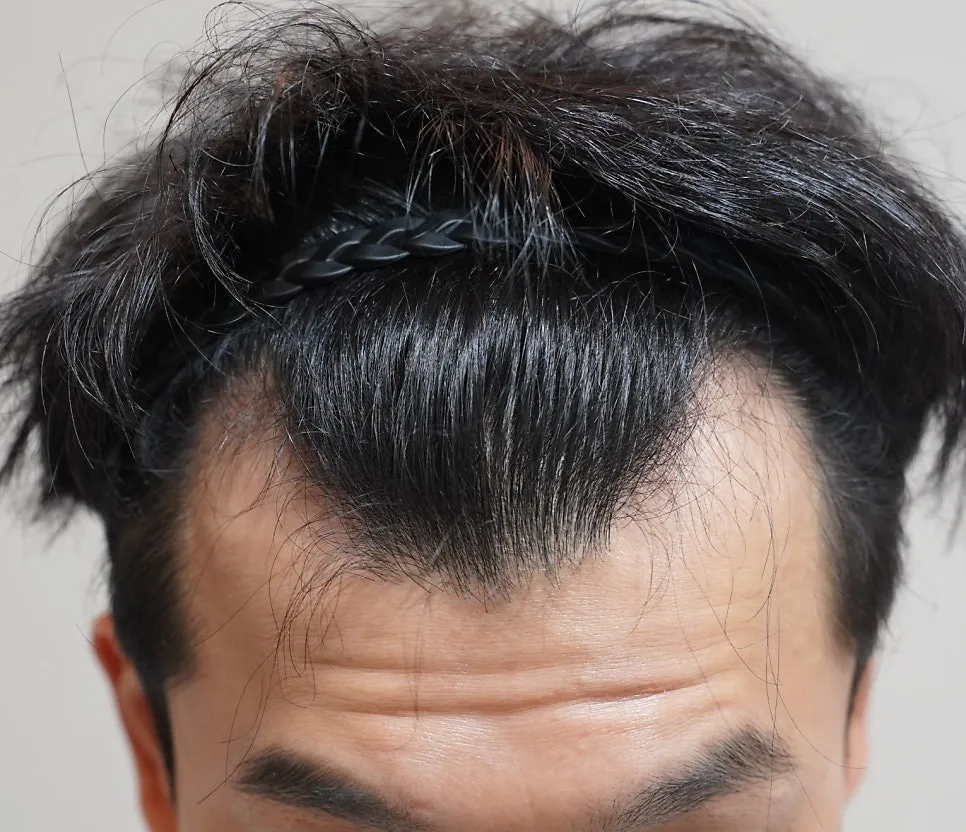
Incision Harvesting for an Angle-Only Design
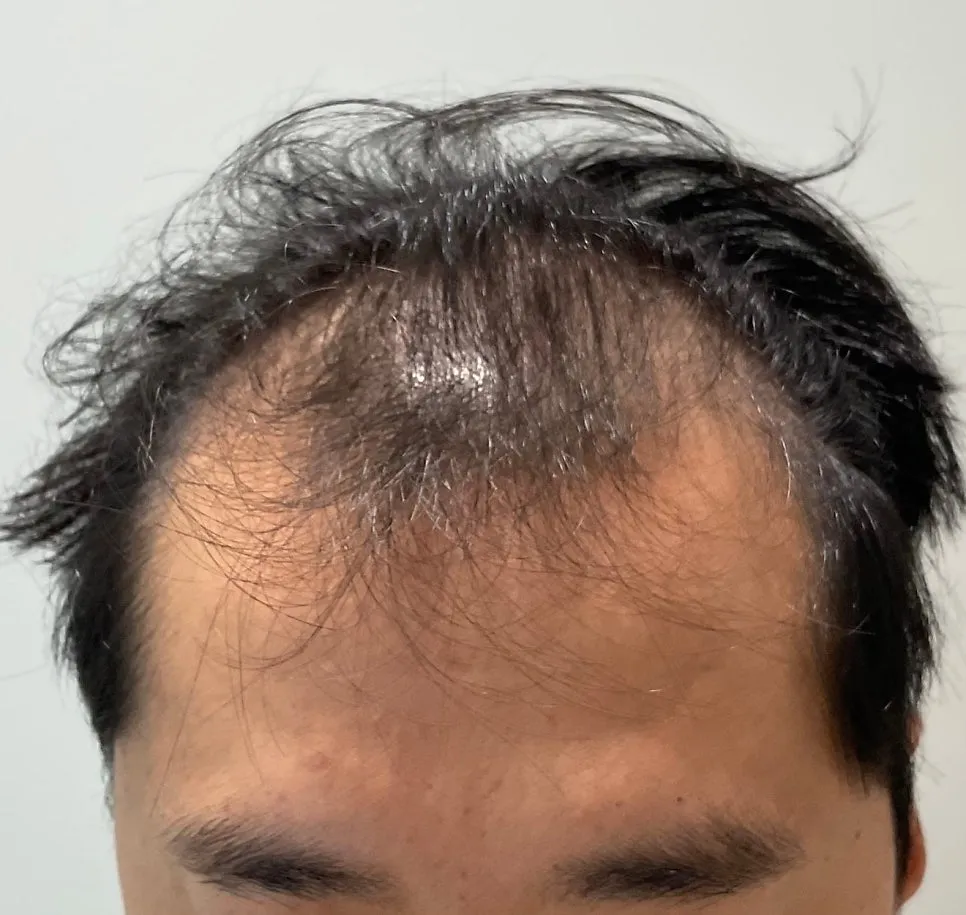
This patient came in with concerns about deepening angles. To prevent ongoing hair loss, we prescribed hair loss medication, and decided to fill in the widened angles with hair transplant.
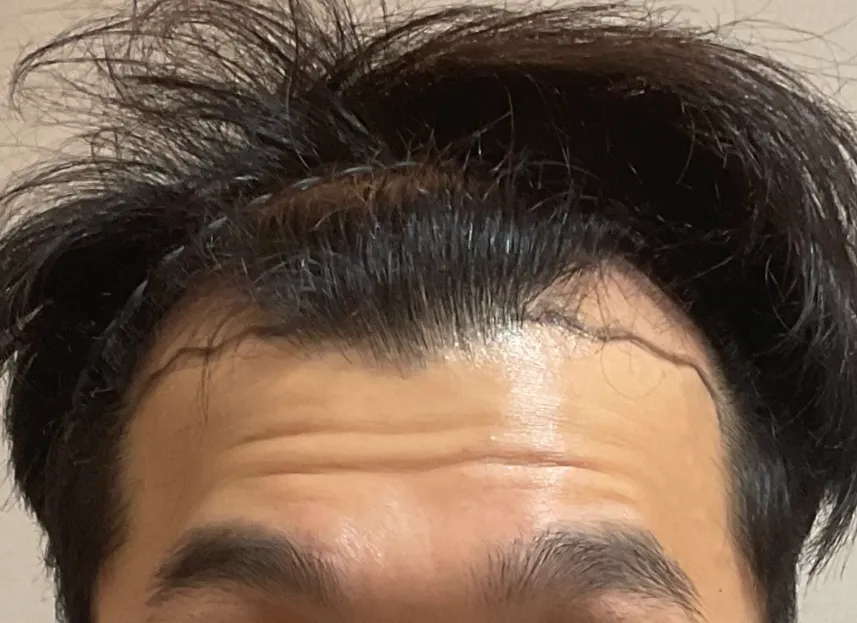
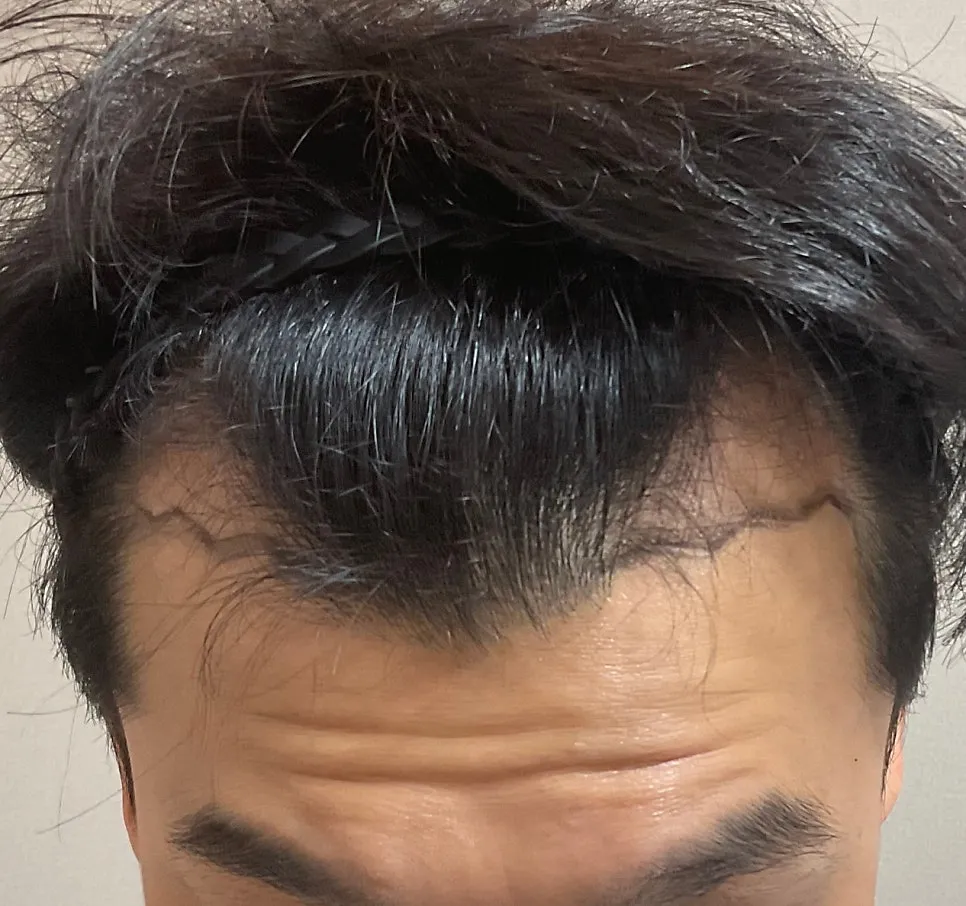
The height was not very high, so we designed the procedure to fill only the angles, and about 2,200 hairs were needed. Since the patient preferred the incision method, we harvested with incision.
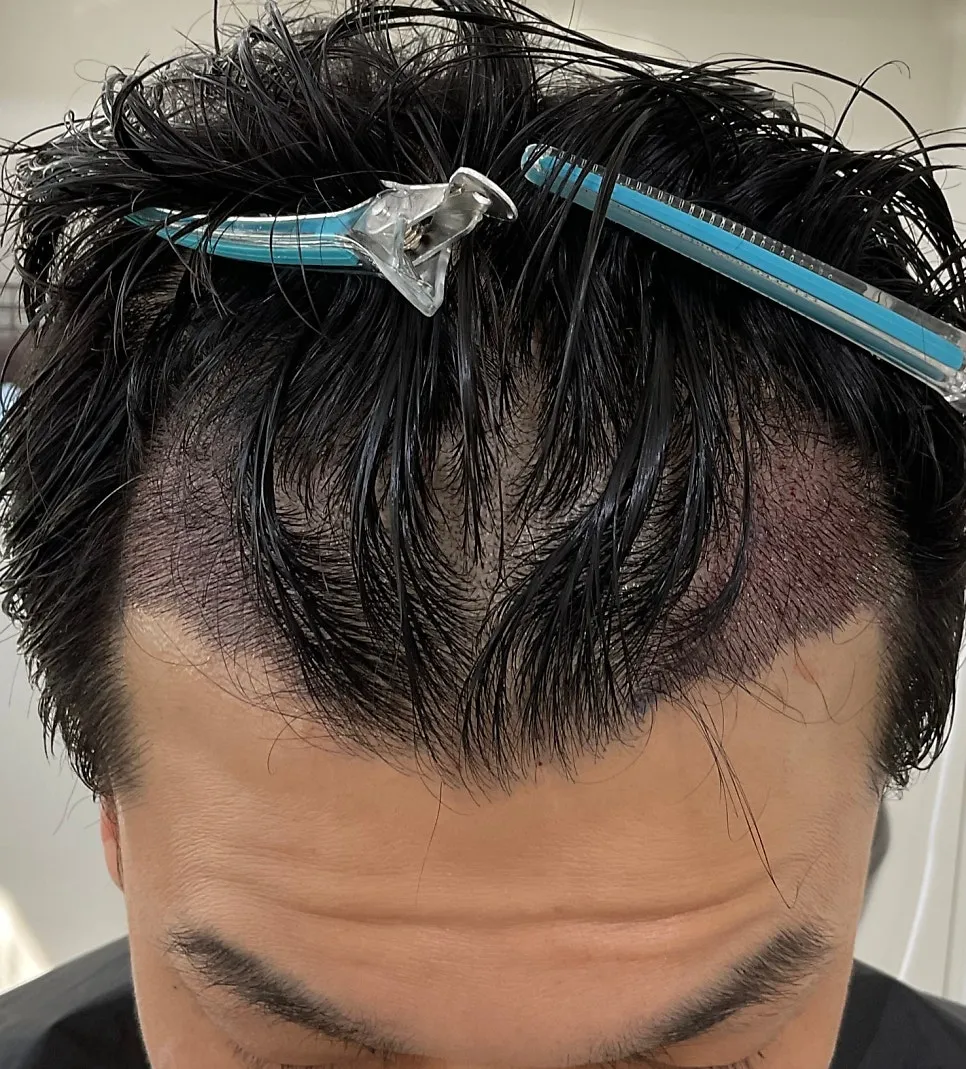
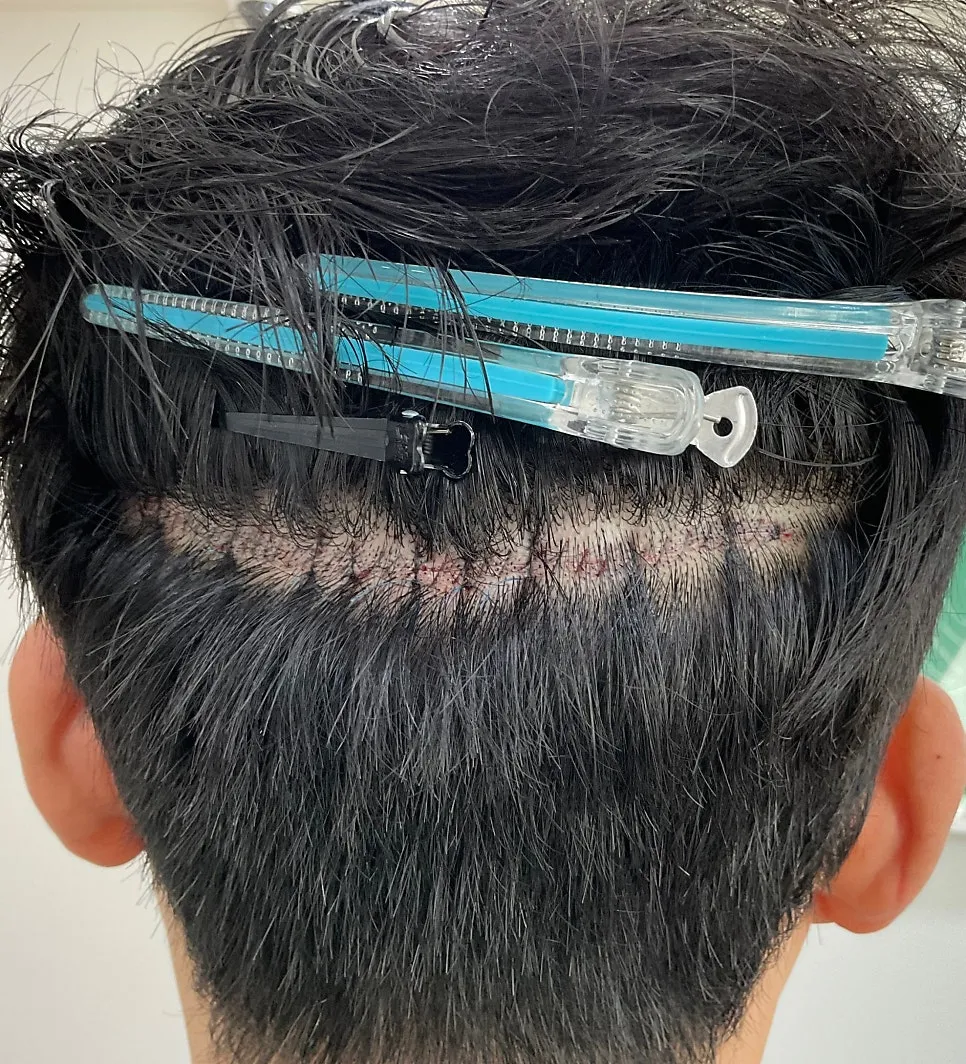
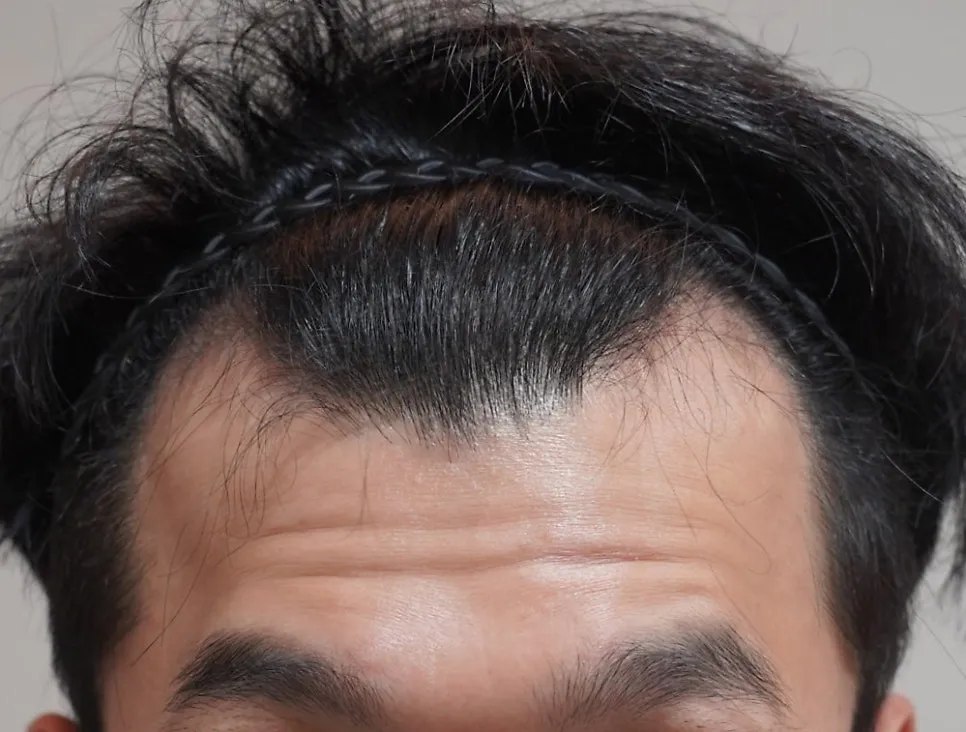
This is right after surgery, and you can see the filled-in angles and the well-closed harvesting area.
Hairline and Back-of-Head Scar One Year Later
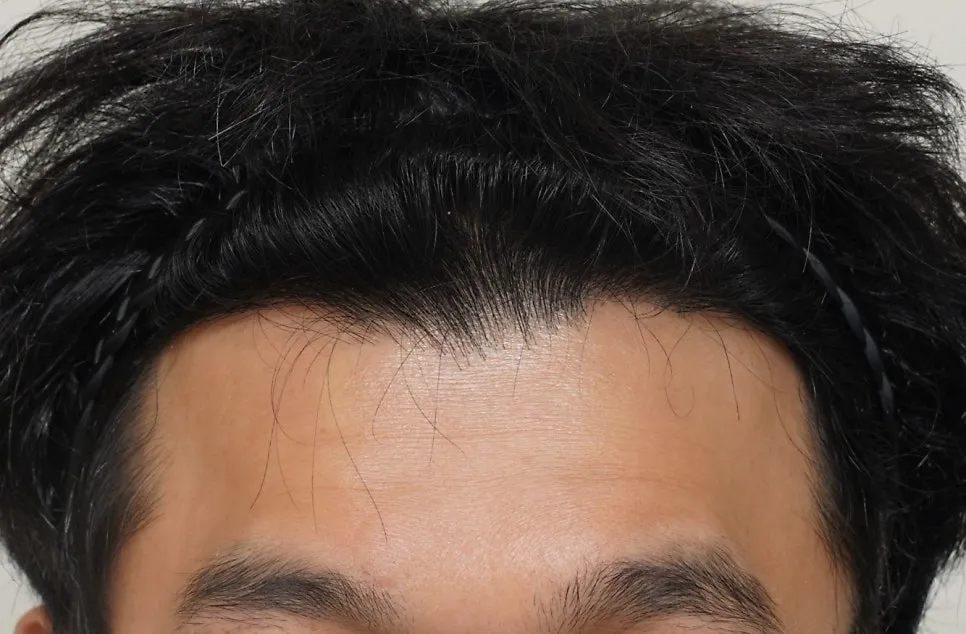
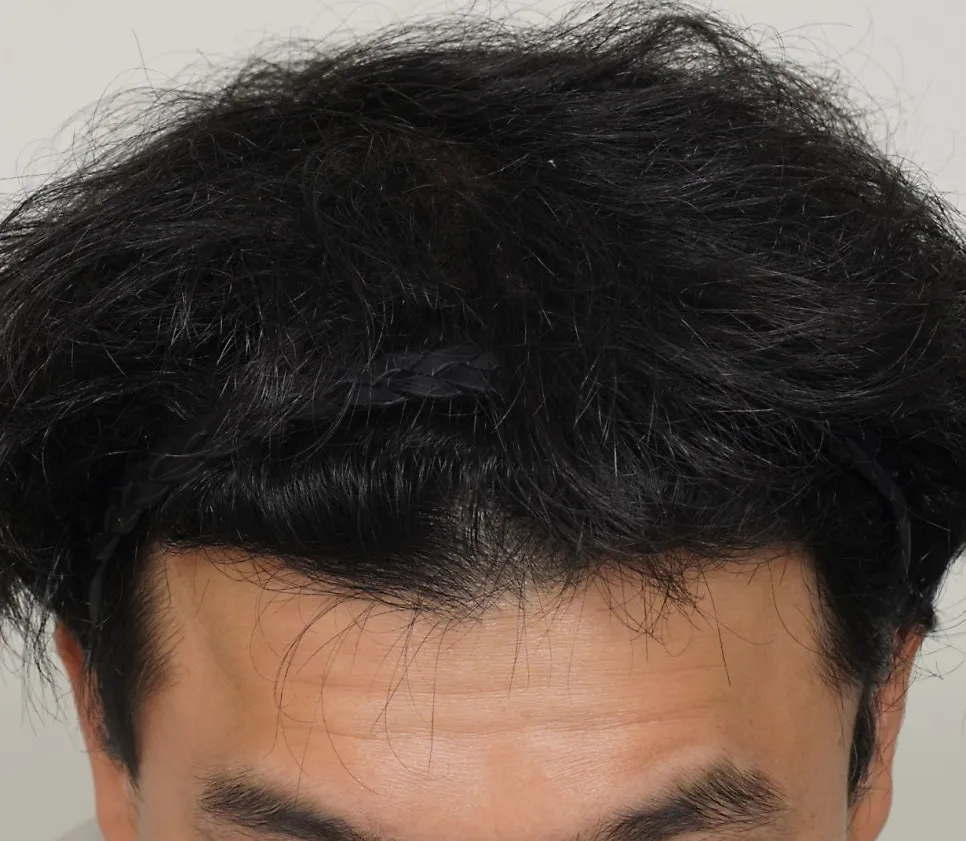
More than a year has passed, and the patient came in to check progress. They were satisfied with the natural line and the full density.
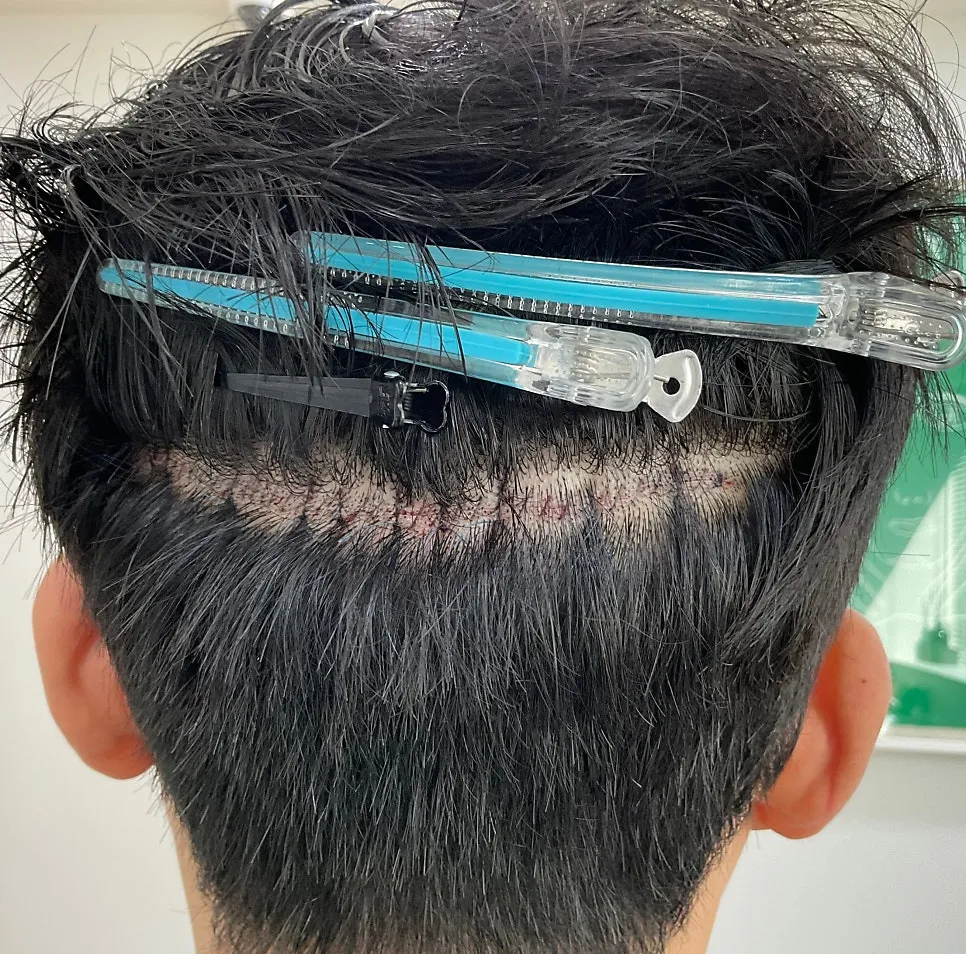
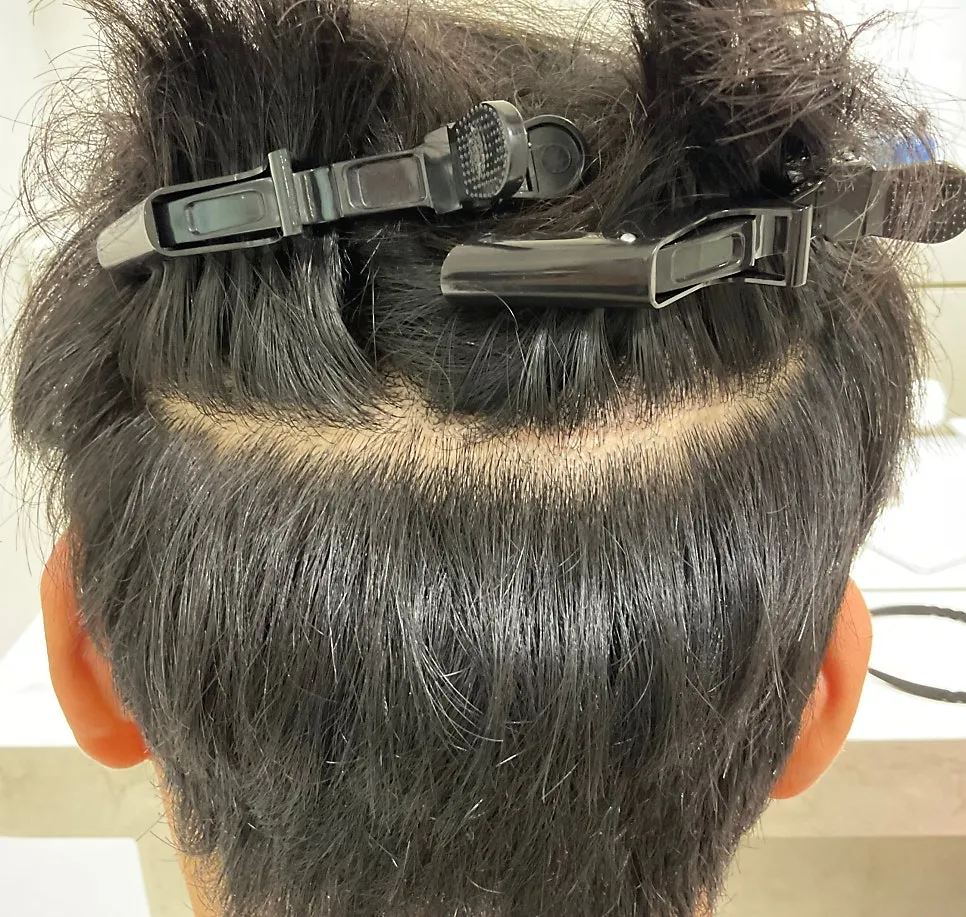
The scar at the back of the head is barely visible, and the patient was satisfied with that as well.
Incision Scar: Will It Be Noticeable?
Many people worry that incision scars will be noticeable. In most cases, however, they remain only as thin straight lines and are quite hard to find.
In some cases, people with a very firm or very soft scalp may find the scar noticeable, but even then it is well covered by the surrounding hair, and if it bothers you too much, it can also be covered with hair transplant.
※ Side effects such as pain, swelling, inflammation, and bleeding may occur after hair transplant surgery.
※ All photos on this blog are used with the patient's consent.