
Forehead Reduction
Forehead reduction is a surgery that requires careful consideration for a change of just a few millimeters. If you are preparing for a consultation, read the criteria to check first.
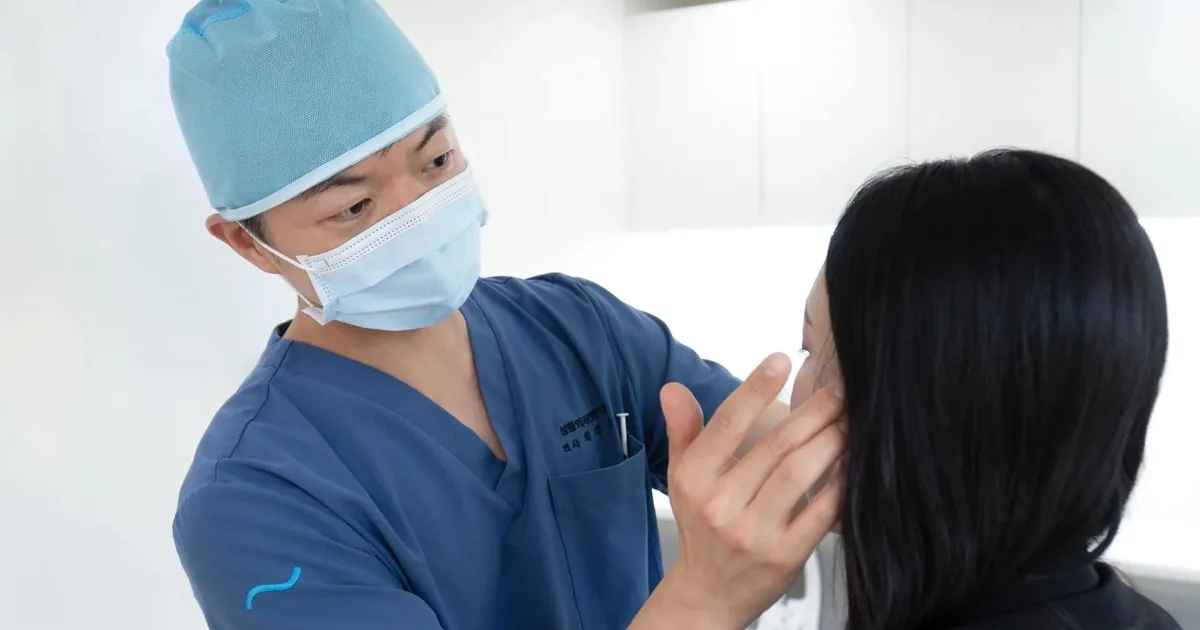
For those considering forehead reduction
People who want to go without bangs, or who often hear that their forehead is high and their face looks long, come to us for forehead reduction. Forehead reduction is surgery in which the scalp is moved forward after an incision along the hairline to reduce forehead height. It differs from hair transplantation, which fills in with moved follicles, and scars remain after surgery.
BANAL does not decide how much height to reduce based on facial proportions alone. We look at the height and side width of the forehead, scalp elasticity, usual hairstyle, and the impression you want together.
Criteria for judging how much can be reduced

- Scalp elasticity and thickness the scalp must move enough to be pulled forward without strain. If elasticity is lacking, the reduction range may be smaller, or another method may be suggested.
- Forehead shape whether height is the concern, or the M-shape or side width, determines whether hair transplantation may be more suitable.
- Density in the part area and possibility of hair loss — If density around the crown or part line is low, or hair loss is progressing, we assess the situation carefully.
- Previous surgical history if there are existing forehead reduction or hair transplant scars, the plan changes.
Excessive reduction can increase the risk of scarring and hair damage, so we first explain the possible range and its limits during consultation.
Scars and recovery plan
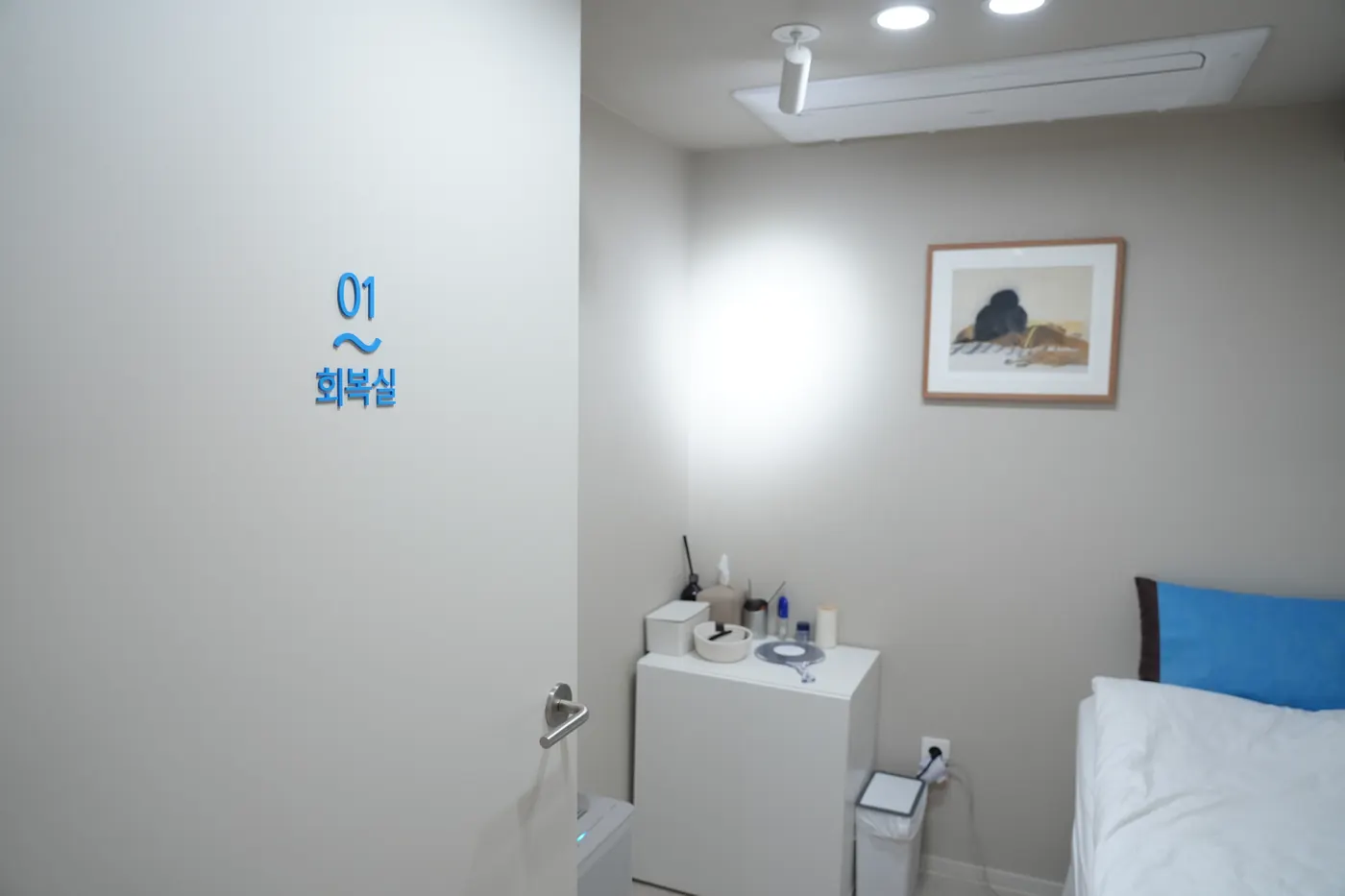
To reduce scarring, we consider scalp characteristics, incision line position, hair direction and baby hairs, and fixation and suturing plans together. Still, scars remain, and progress varies by person. Swelling, bruising, tightness, and reduced sensation may persist for a period after surgery, so please confirm during consultation whether you need to adjust work and schedule. We also consider in advance whether a hairline hair transplant may be needed after forehead reduction, and set the order.
BANAL House is a standalone building at 66 Sinbanpo-ro 47-gil, Seocho-gu, Seoul. It is 331 m from Sinsa Station Exit 4 on Line 3 and 349 m from Nonhyeon Station Exit 8 on the Sinbundang Line. Hours are weekdays 09:00–19:00 and Saturdays 09:00–17:00. Please confirm holiday hours and available booking times by calling the main line (+82 2-540-0700) before your visit.
Questions to ask in consultation
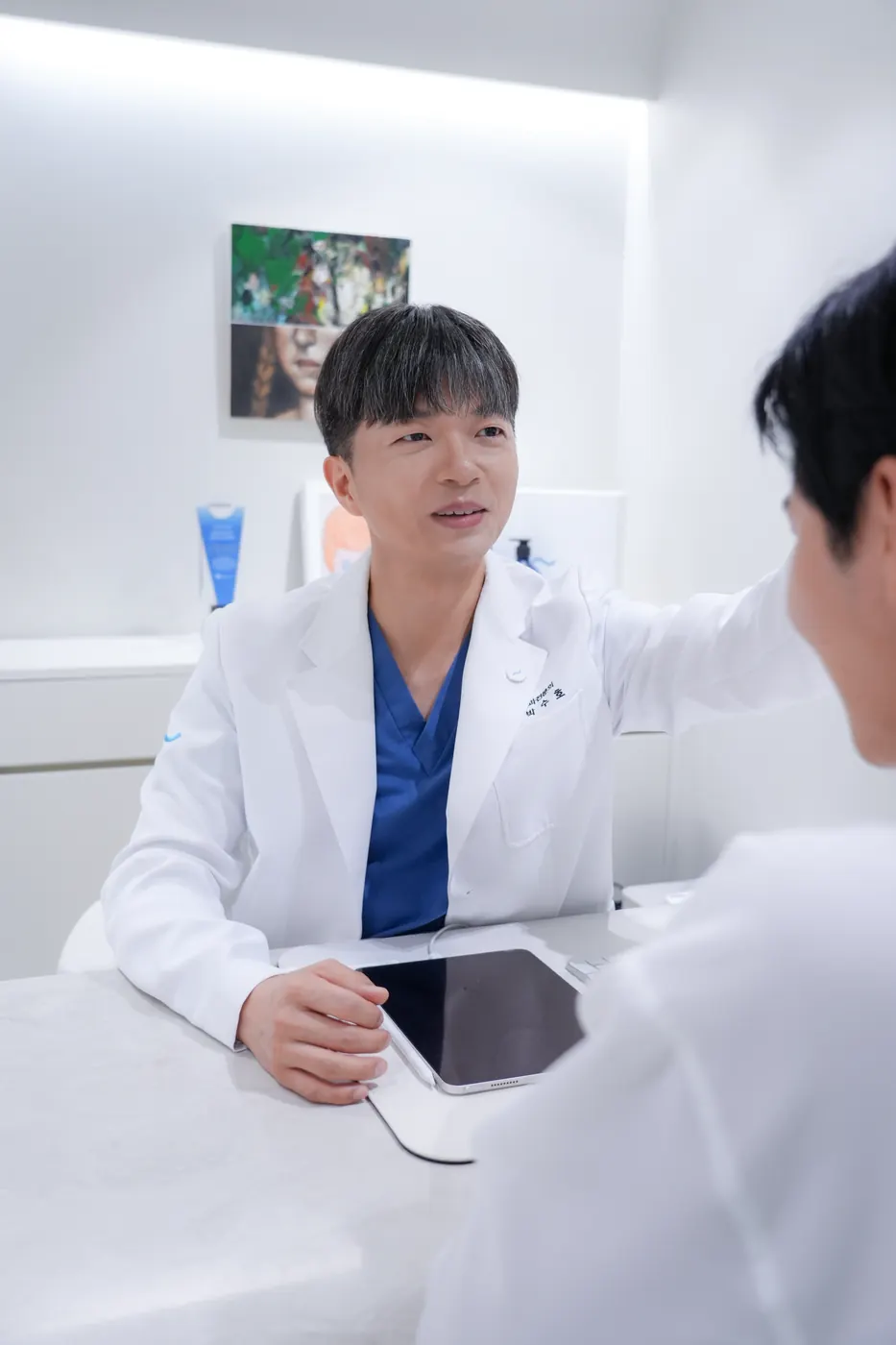
Ask directly how much can be reduced, where scars will be, whether hair transplantation is needed as well, and what to avoid during recovery. We also explain possible side effects such as bleeding, infection, widening of scars, reduced sensation, asymmetry, temporary shedding, and re-elevation.
Consultation and booking flow
- When booking, please tell us your forehead concerns and any previous treatment history.
- Consultation: assessing forehead height and width, scalp elasticity, and part density
- Explanation of the possible reduction range, scar location, and options for combining treatment with hair transplantation
- Deciding the surgery date after confirming the pre-surgery guidance
- Checking suture-area progress and planning the hairline afterward
Treatment stories to read together
- Forehead ReductionWe look at forehead height, facial balance, and even scalp elasticity. Based on a thorough diagnosis, we explain the range that can be lowered along with the scar management plan.
- HairlineHair you wanted to tie back, bangs you wanted to sweep aside. Starting from your wishes, we design a hairline together where hair thickness, direction, and density blend.
- How much should it be lowered
- Forehead Reduction and Hair Transplant
- How to Reduce Forehead Reduction Scars
- Discomfort After Forehead Reduction
Forehead Reduction FAQ
What should I prepare before a forehead reduction consultation?
Please bring photos showing the forehead shape you want, and let us know your previous procedure history and the medications you are taking. Scalp elasticity and forehead shape will be checked during your examination.
When can I return to work after forehead reduction?
The degree of swelling, bruising, and tightness varies by person, so the schedule also differs. If you tell us your work environment, we will plan the recovery schedule together during consultation.
Can bangs cover forehead reduction scars?
We plan with the incision position and hair direction in mind, but scars will remain and progress differs by person. How well it is hidden also depends on your hairstyle.
Are there cases where it is better not to have forehead reduction?
If scalp elasticity is lacking, the scalp is thin, or the density at the part line is low, we may not recommend it. In such cases, we will explain possible alternatives together.
Other Decision Criteria by Concern
- Non-Incisional (FUE) Hair TransplantCriteria for Whether Follicular Unit Harvesting Is Right
- Hairline CorrectionM-Shaped and Wide Forehead: Criteria for Design
- Revision SurgeryDensity, Design, and Scarring: Distinguishing Causes First
- Women's HairlineDesign That Accounts for Tied-Back Hair and Baby Hair
- Hair Loss ConsultationWhether to Start with Medication or When to Transplant